Look at the bare wall beside your patio door, the empty stretch of siding by the garage, or the narrow balcony that barely fits a chair. Each one is unused growing space waiting for a few pots, some soil, and a little imagination.
Vertical planters let you grow far more than your floor space allows. They put flowers, herbs, and foliage up at eye level, where you can enjoy them and reach them easily. They also soften hard surfaces, hide unattractive views, and make even a tiny yard feel lush. Many of the best designs cost very little and can be built in an afternoon.
These 23 vertical planter ideas range from classic pallet gardens and ladder planters to felt pocket walls, framed succulents, strawberry towers, and clever upcycled containers. You’ll find options for sunny walls, shady corners, rentals, balconies, and even indoor rooms, along with practical tips on watering, weight, and drainage.
1. Turn a Wooden Pallet Into a Vertical Planter
A budget favorite that fills a wall fast
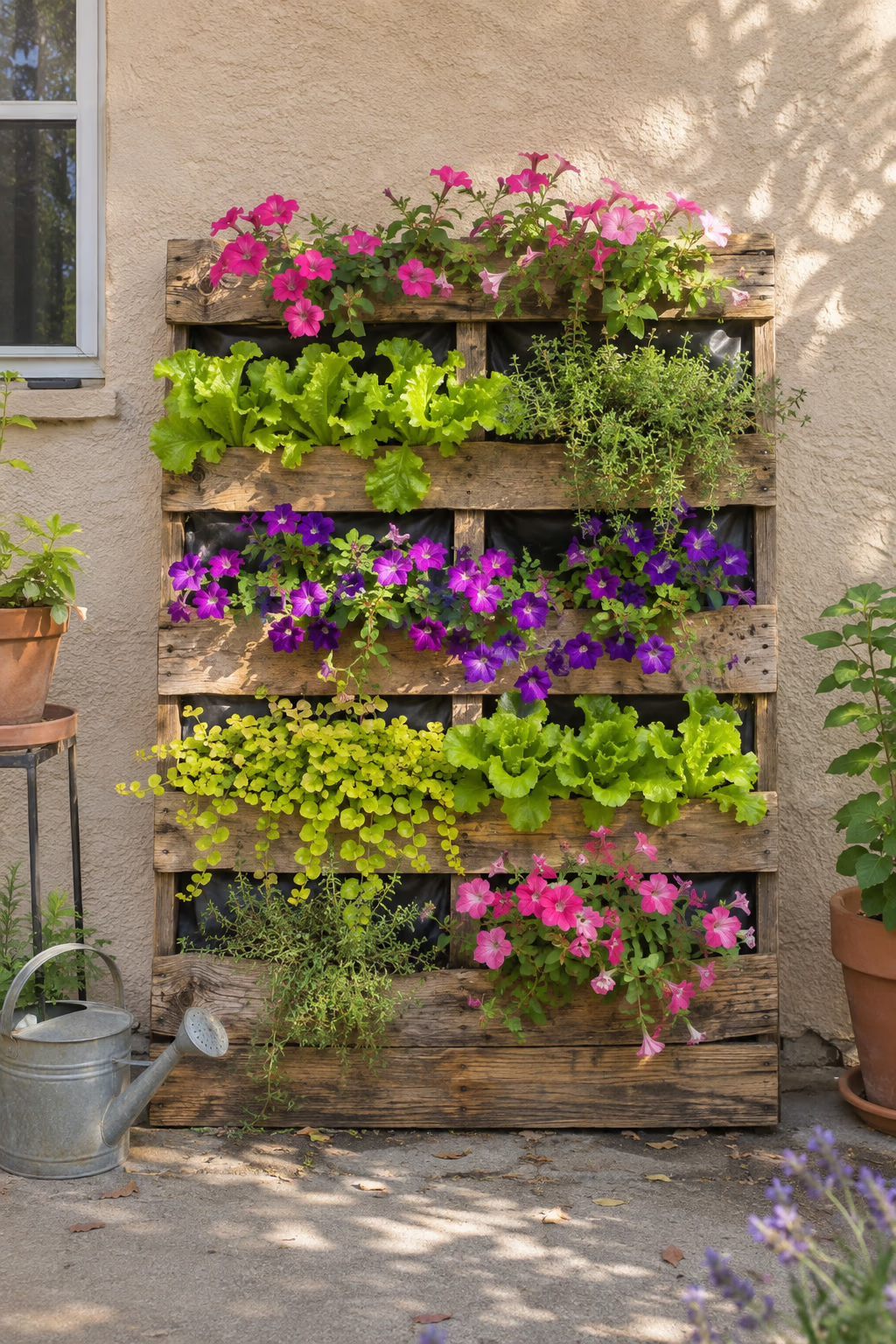
A standard wooden pallet already has the slatted shape of a vertical garden. Staple heavy-duty landscape fabric across the back, bottom, and sides of each opening to make deep pockets, fill them with lightweight potting mix, and plant shallow-rooted choices such as trailing petunias, lettuce, thyme, sedum, or creeping Jenny.
Plant it while the pallet lies flat, then let it sit for a week or two so roots knit into the soil before you stand it upright. Lean it securely against a wall or screw it to sturdy posts so it can’t tip over.
Choose pallets stamped “HT,” which means heat-treated, and skip any marked “MB,” which indicates methyl bromide fumigation. Avoid stained or oily pallets, especially for edibles, and sand rough edges to prevent splinters.
2. Build a Tiered Ladder Planter for Herbs and Flowers
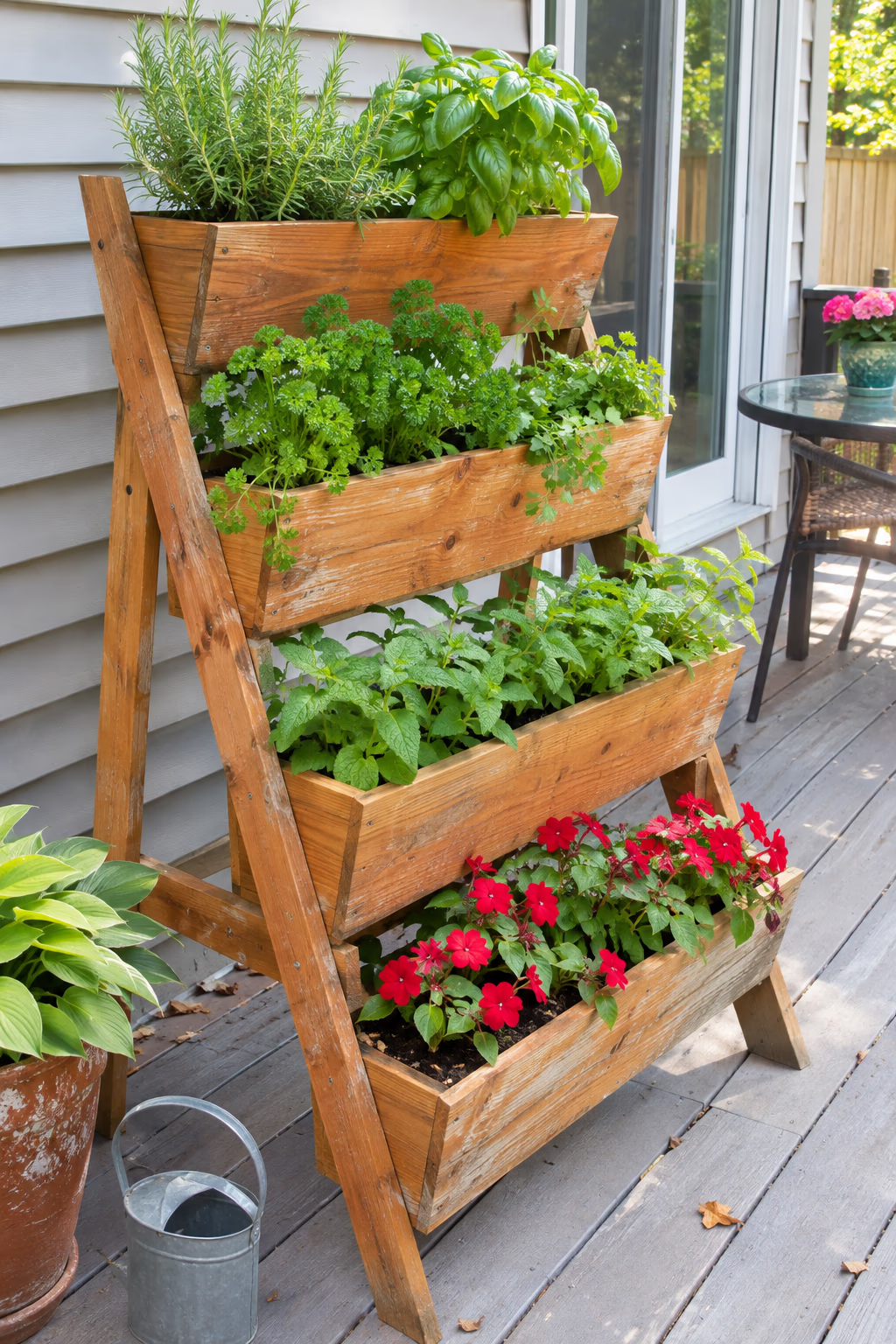
Easy access and plenty of sun for every level
A ladder planter uses an A-frame of 2x4s with three or four long planter boxes set on the rungs, each box sitting slightly forward of the one above. Cedar is the best choice because it resists rot without chemical treatment. Boxes 6 to 8 inches deep work well for herbs, salad greens, and compact annuals.
The stepped design means upper tiers don’t shade the ones below, so every plant gets light. Put sun-loving rosemary and basil on top and parsley, mint, or impatiens on the lower, slightly shadier rungs.
Drill several drainage holes in each box and line them with landscape fabric to keep soil from washing out. An old wooden stepladder can also work, but check that it’s stable and set it on level ground.
3. Hang a Felt Pocket Living Wall Beside the Patio
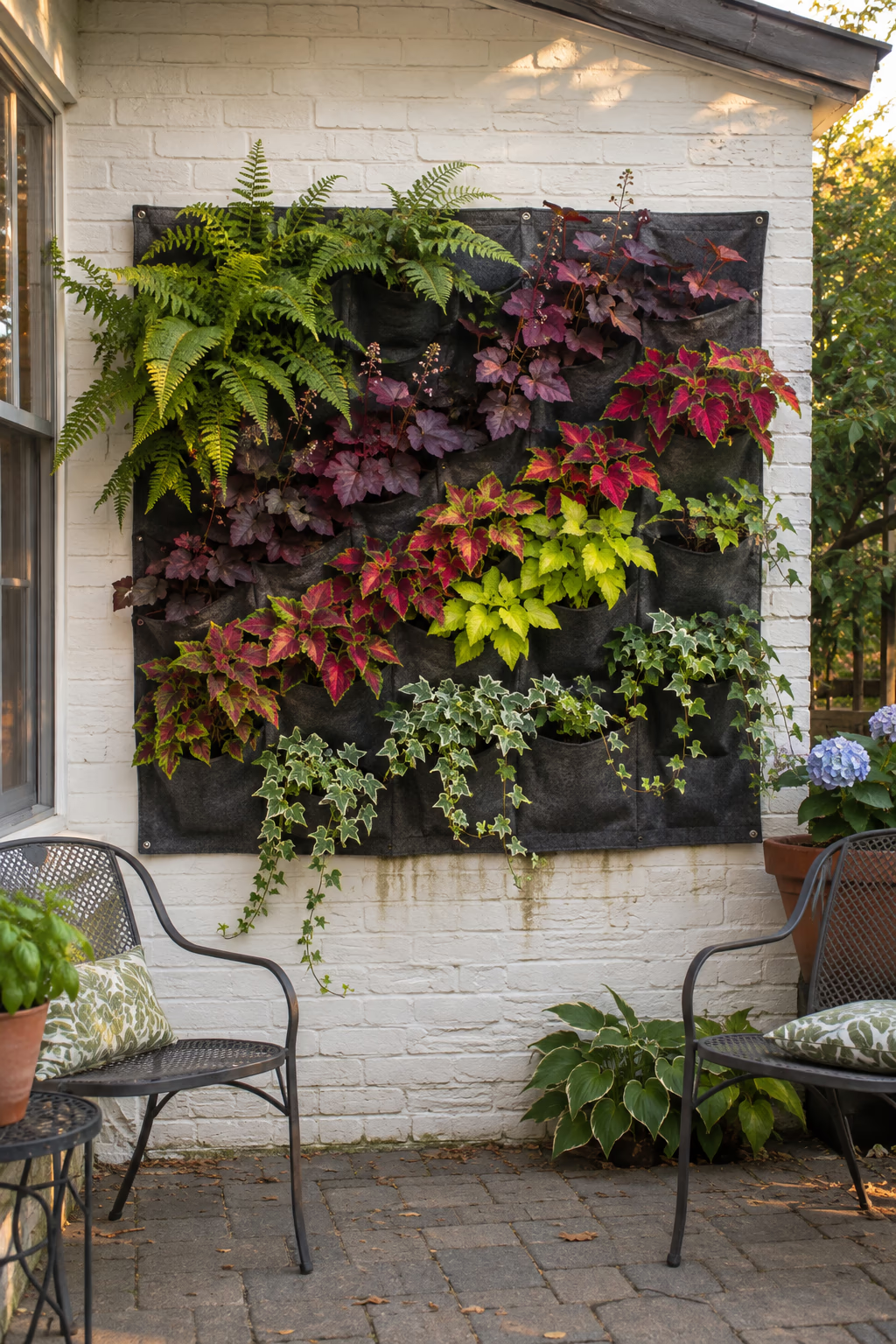
Instant lush greenery on a blank wall
Felt pocket planters are panels of thick, breathable fabric sewn into rows of individual pockets. Mount them on a wall with screws and washers, tuck a plant into each pocket, and you get a living wall look in a single weekend. Ferns, heuchera, coleus, trailing ivy, and strawberries all fill out nicely.
Mixing foliage colors and textures in diagonal bands or blocks gives the wall a designed, magazine look rather than a random patchwork.
Felt dries out quickly in hot weather, so expect to water every day in summer. Attach a waterproof backing or a sheet of plastic behind the panel to protect wood siding from constant moisture.
4. Frame a Succulent Wall Planter Like Living Art
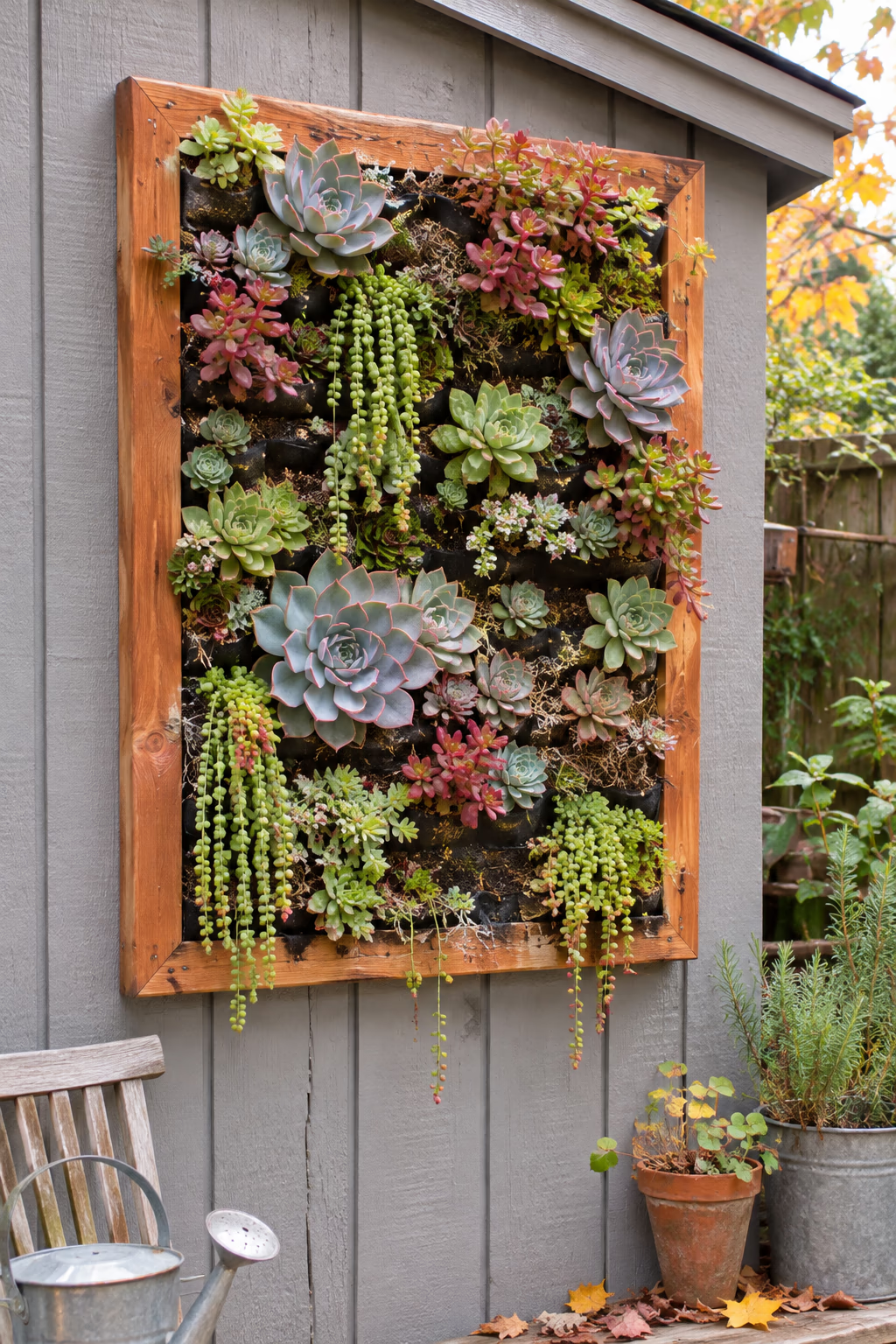
A low-water display that looks like a painting
Build a shallow box about 2 to 3 inches deep from cedar, cover the open face with hardware cloth, and fill it with gritty cactus mix. Poke succulent cuttings such as echeveria, sedum, and hens and chicks through the mesh in a tight pattern, then add a picture-frame trim around the edges.
Keep the frame flat in bright shade for four to eight weeks while the cuttings root. Once they grip the soil, hang it on a wall that gets morning sun and afternoon protection.
Water by laying the frame flat and soaking it whenever the mix is dry. In cold-winter regions, take it down and keep it in a bright, frost-free spot or plant only cold-hardy sedums and sempervivums.
5. Mount a Grid of Terracotta Pots on a Sunny Wall
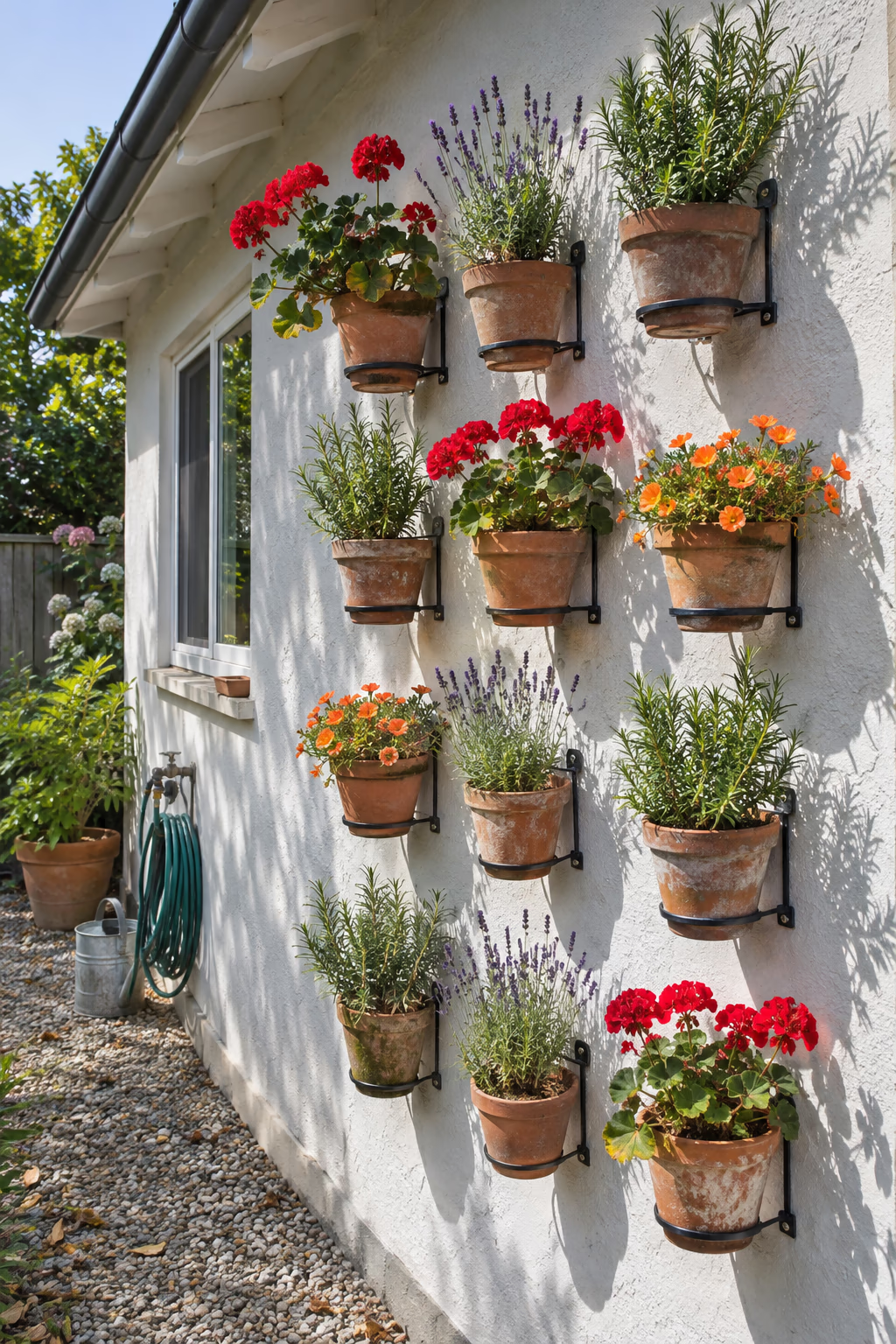
Mediterranean charm with simple hardware
Arrange a neat grid of small terracotta pots on a light-colored wall using metal pot rings or wall-mount clips. Spacing them 12 to 16 inches apart in straight rows looks crisp, while a looser staggered pattern feels more relaxed. Fill them with geraniums, lavender, rosemary, or trailing portulaca.
The warm clay color stands out beautifully against white stucco, gray siding, or painted brick, and the repetition makes the whole wall read as one display.
Small clay pots dry out quickly, so choose drought-tolerant plants and water often during heat waves. Unglazed terracotta can crack in freezing weather, so bring pots indoors over winter in cold areas.
6. Stack a Tiered Strawberry Tower
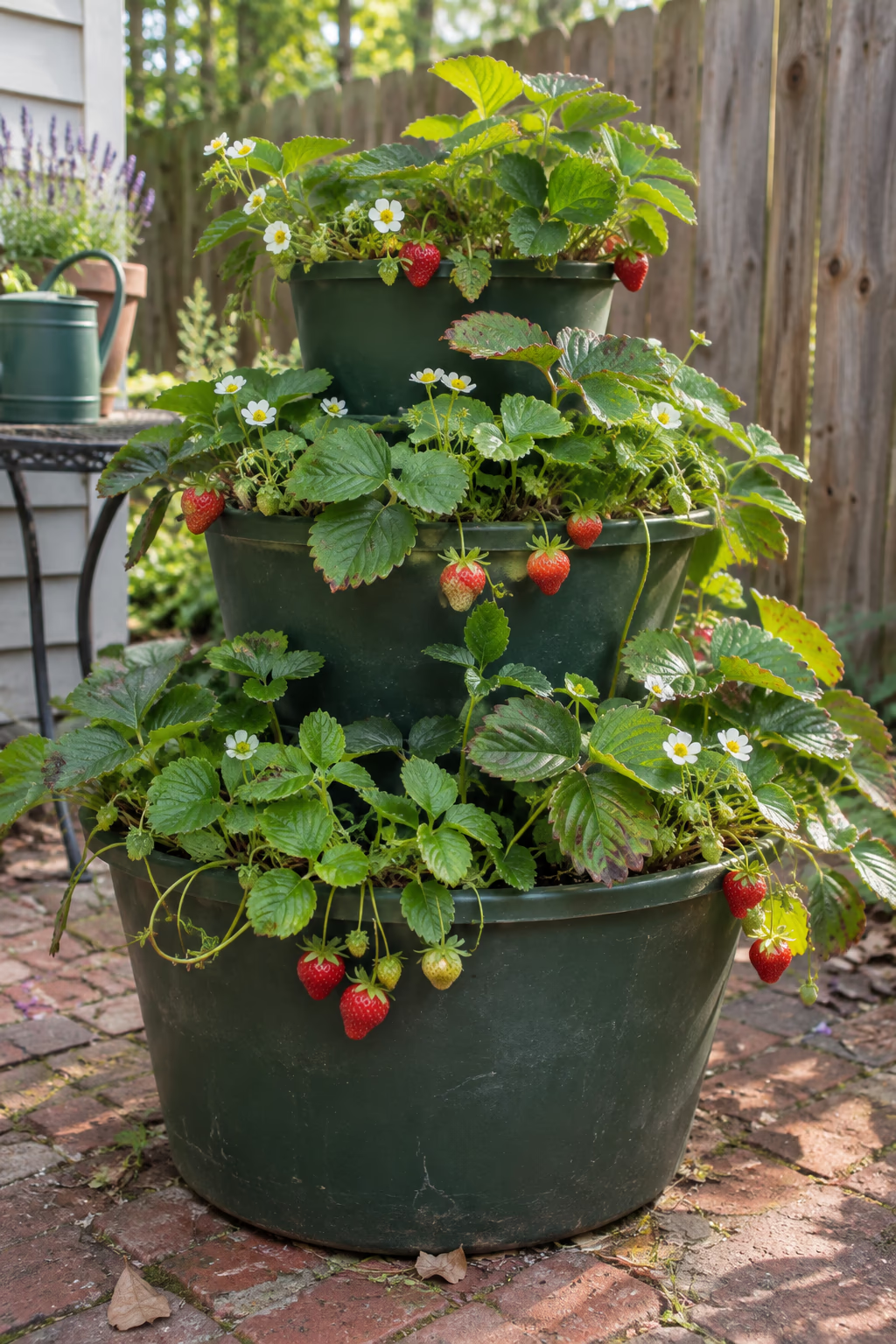
Sweet berries in a footprint smaller than a chair
A strawberry tower uses three or four round or square planters that decrease in size and stack on top of each other, leaving an exposed planting ring around each tier. Everbearing or day-neutral strawberries are the best choice because they keep producing from early summer to fall.
Raised berries stay clean, dry, and out of reach of many slugs, and the cascading runners make a pretty display on a sunny patio corner.
Give the tower at least six to eight hours of sun. Replace plants every two or three years, when production starts to decline, and add netting if birds find the fruit before you do.
7. Hang Rain Gutters as Shallow Wall Planters
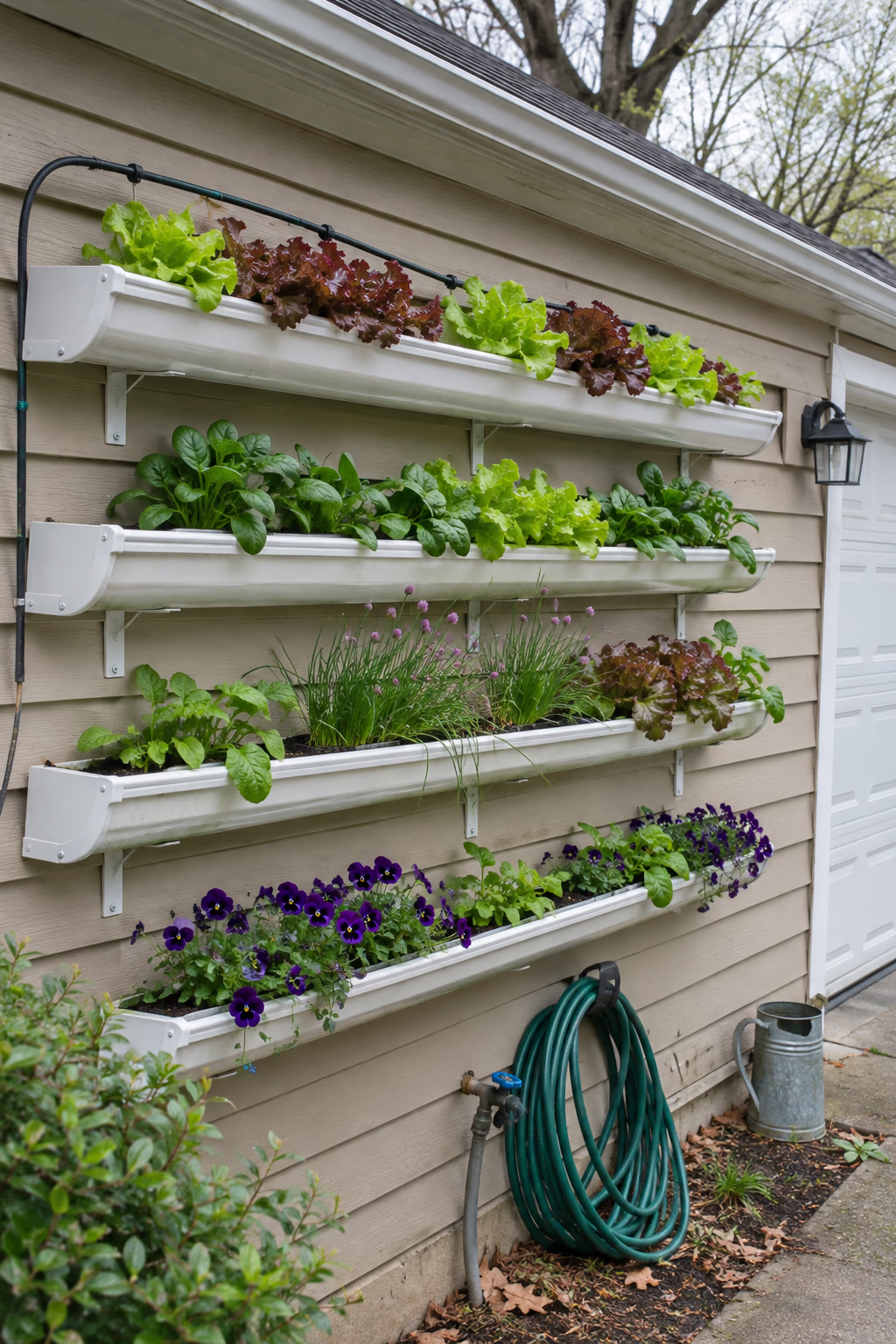
A long, slim planter for greens and shallow roots
Standard vinyl or aluminum rain gutters make inexpensive planter troughs. Cut lengths to fit a sunny shed wall or garage side, add end caps, drill drainage holes every 6 inches, and mount them in staggered rows with gutter hangers screwed into studs.
Gutters hold only about 4 inches of soil, which is perfect for loose-leaf lettuce, spinach, radishes, chives, pansies, and succulents.
The shallow soil dries quickly, so plan to water daily in summer or run a drip line along the top row. Keep rows at least 12 inches apart so plants in lower gutters get light and air.
8. Thread Pots on a Steel Rod for a Tipsy Pot Tower
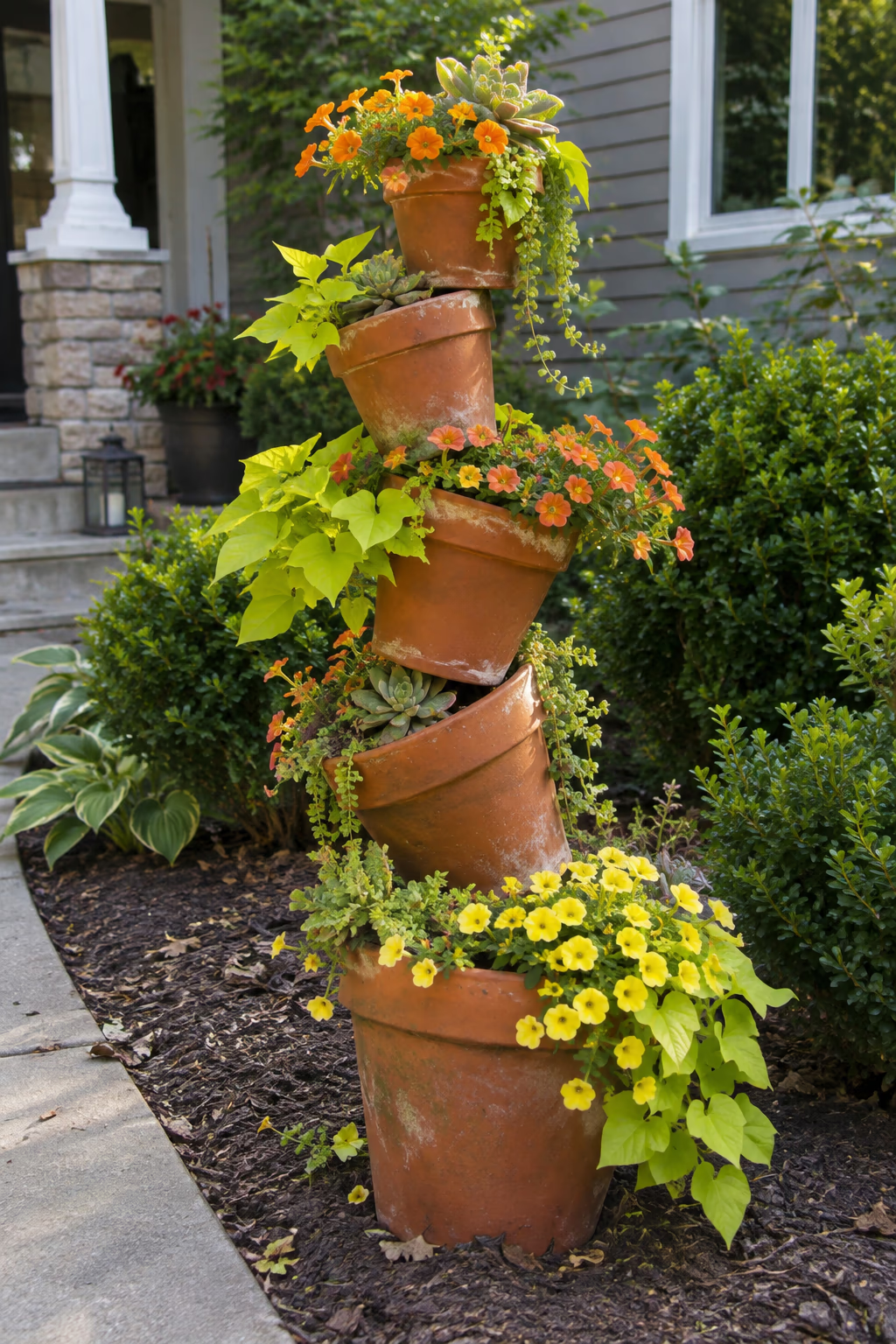
A playful, eye-catching column of color
Drive a 4- to 5-foot length of steel rebar deep into a large base pot or the ground, then thread clay pots of descending size onto the rod through their drainage holes, tilting each pot in a different direction. Fill every pot with soil and plant trailing annuals, herbs, or succulents.
The zigzag shape looks whimsical and draws attention to an entry walk, patio corner, or flower bed.
Push the rebar at least 12 inches into firm soil, and pack each pot firmly with soil so it doesn’t slide. Cap the top of the rod or cover it with the top pot so there’s no sharp end exposed.
9. Roll Out a Freestanding Vertical Planter Screen
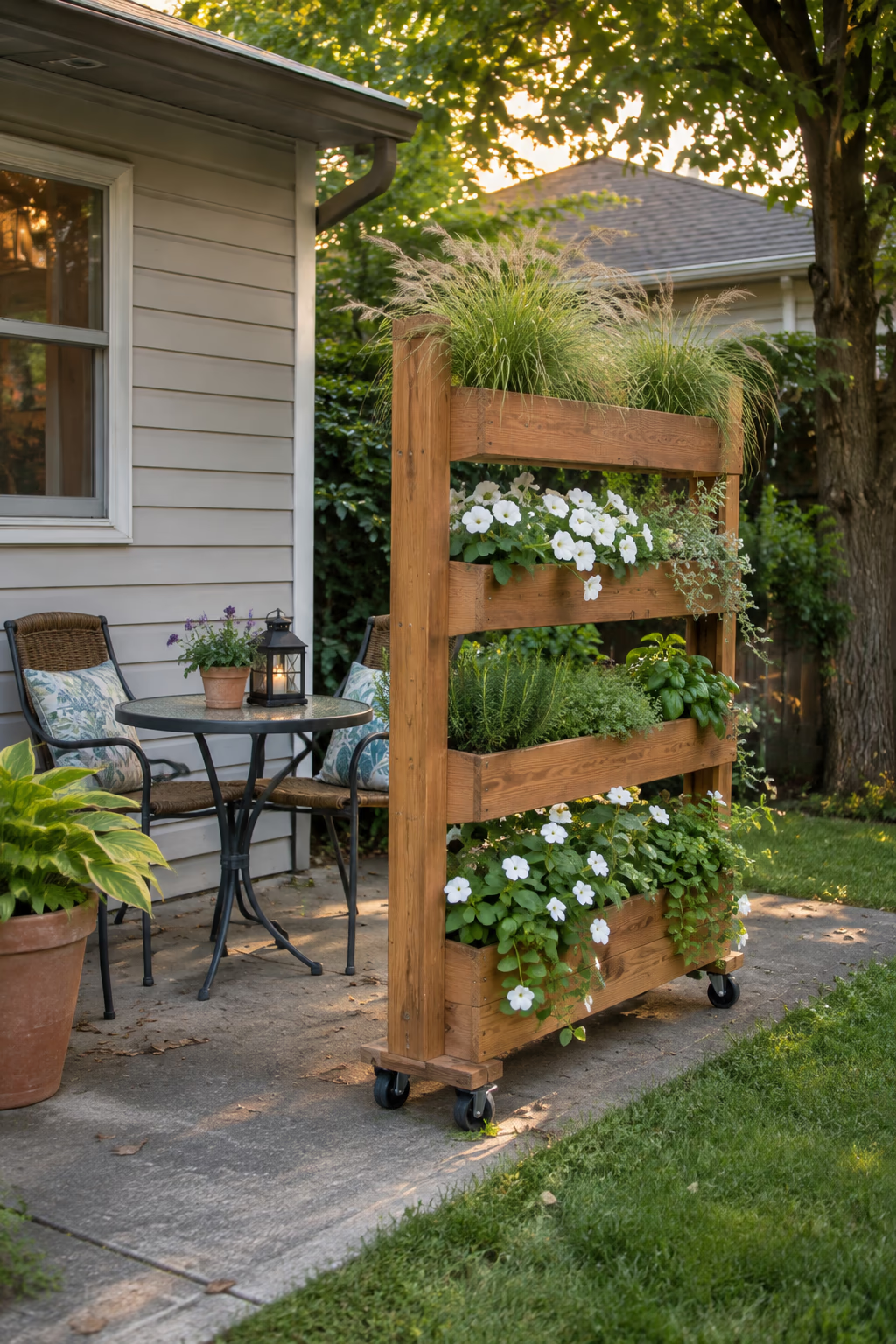
Privacy and greenery wherever you need it
A freestanding planter screen is a tall wooden frame, around 5 to 6 feet high, with three or four rows of planter boxes built in. Put heavy-duty locking casters on the base so you can move it to block a neighbor’s view, shade a seating area, or follow the sun.
Because it doesn’t attach to a wall, it’s ideal for renters and for decks where drilling into siding isn’t allowed.
Soil is heavy, so keep the lowest box deepest and weightiest to prevent tipping, and lock the wheels in windy weather. Check deck load limits and any HOA rules on structures before building something large.
10. Build a Pyramid Planter From Stacked Cedar Boxes
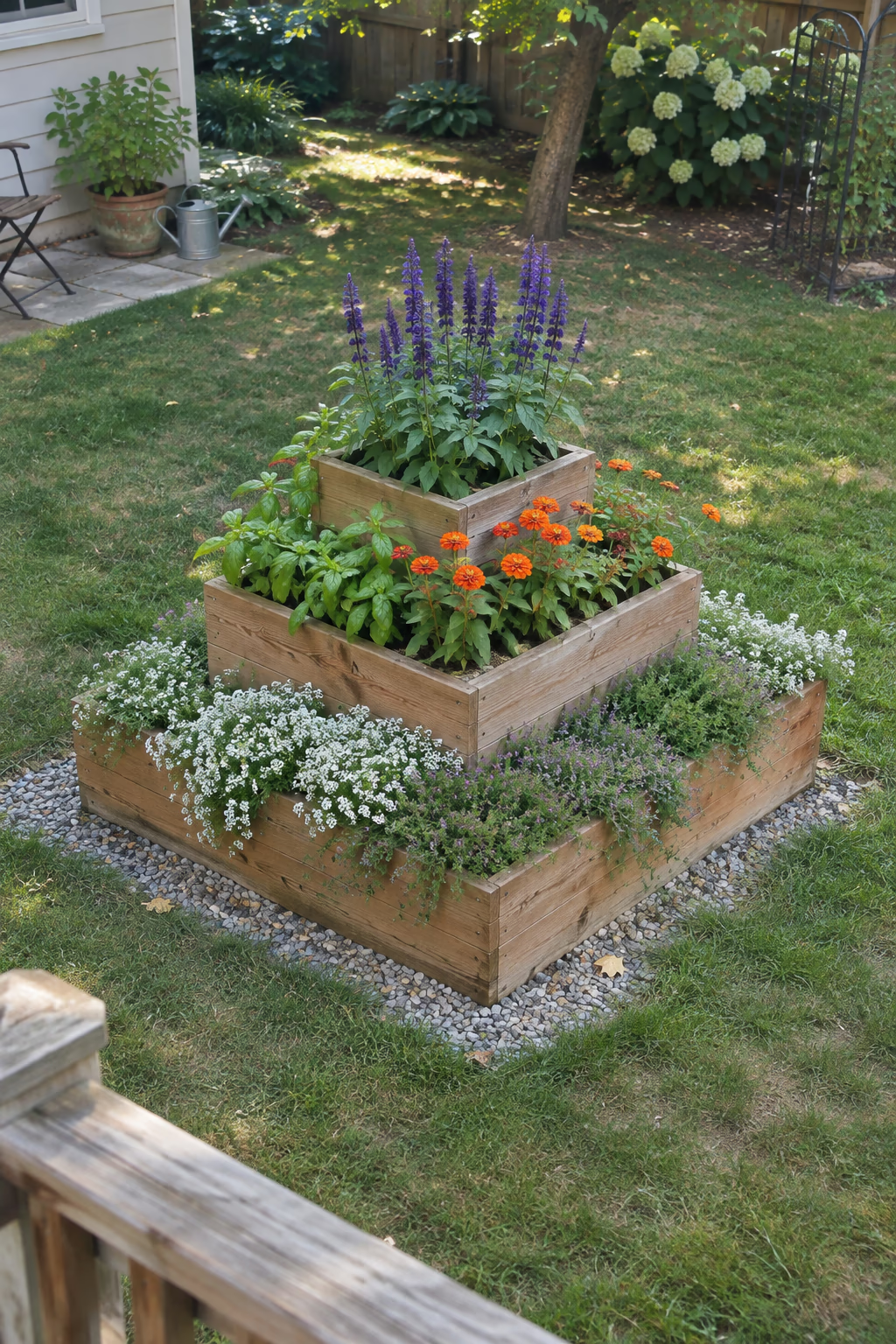
Layered planting with a clean, tidy shape
Make three square cedar boxes in decreasing sizes, such as 4 feet, 3 feet, and 2 feet across, and stack them so each tier sits centered on the one below. The result is a stepped pyramid with a planting band around every level.
Plant tall flowers or herbs at the peak and low growers like thyme, alyssum, or creeping zinnia on the lower ledges. It works as a striking focal point in the middle of a lawn or gravel area.
Fill the lower tiers fully with soil before adding the next, and water slowly from the top so it soaks through each layer. Line the bottom with hardware cloth if moles or gophers are a problem.
11. Line a Blank Wall With Cedar Trough Shelves
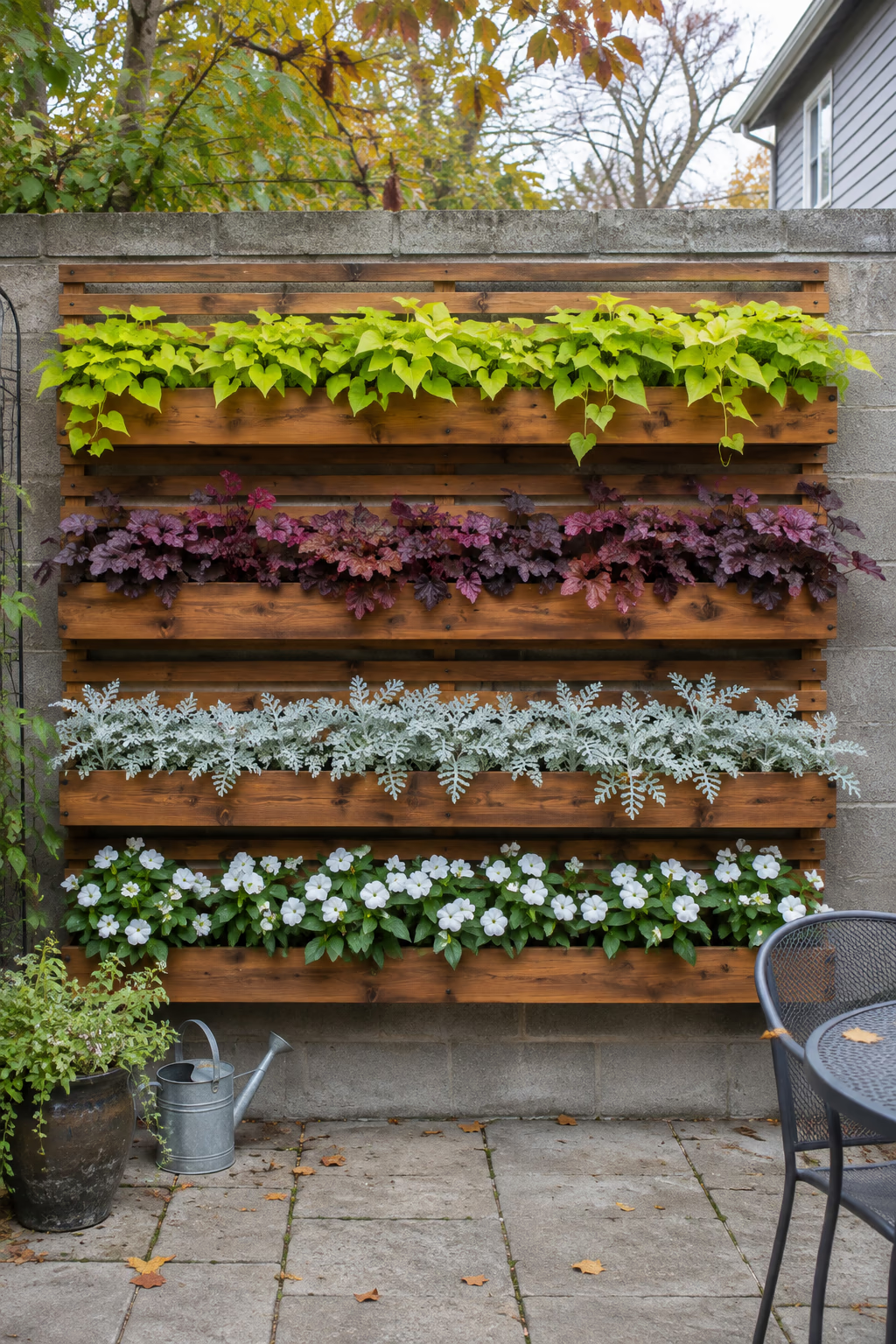
A built-in look without a full living wall
Mount horizontal cedar troughs about 6 inches deep in three to five rows on a garage wall, courtyard wall, or side of a shed. Simple slatted backing behind the troughs ties them together and keeps moisture off the wall.
Fill the rows with a single plant per trough for a bold, striped effect, such as lime-green sweet potato vine, purple heuchera, and silver dusty miller.
Screw brackets into studs or masonry anchors rated for the weight of wet soil. Leave a small air gap behind the backing so the wall can dry out between waterings.
12. Install a Modular Self-Watering Wall Panel
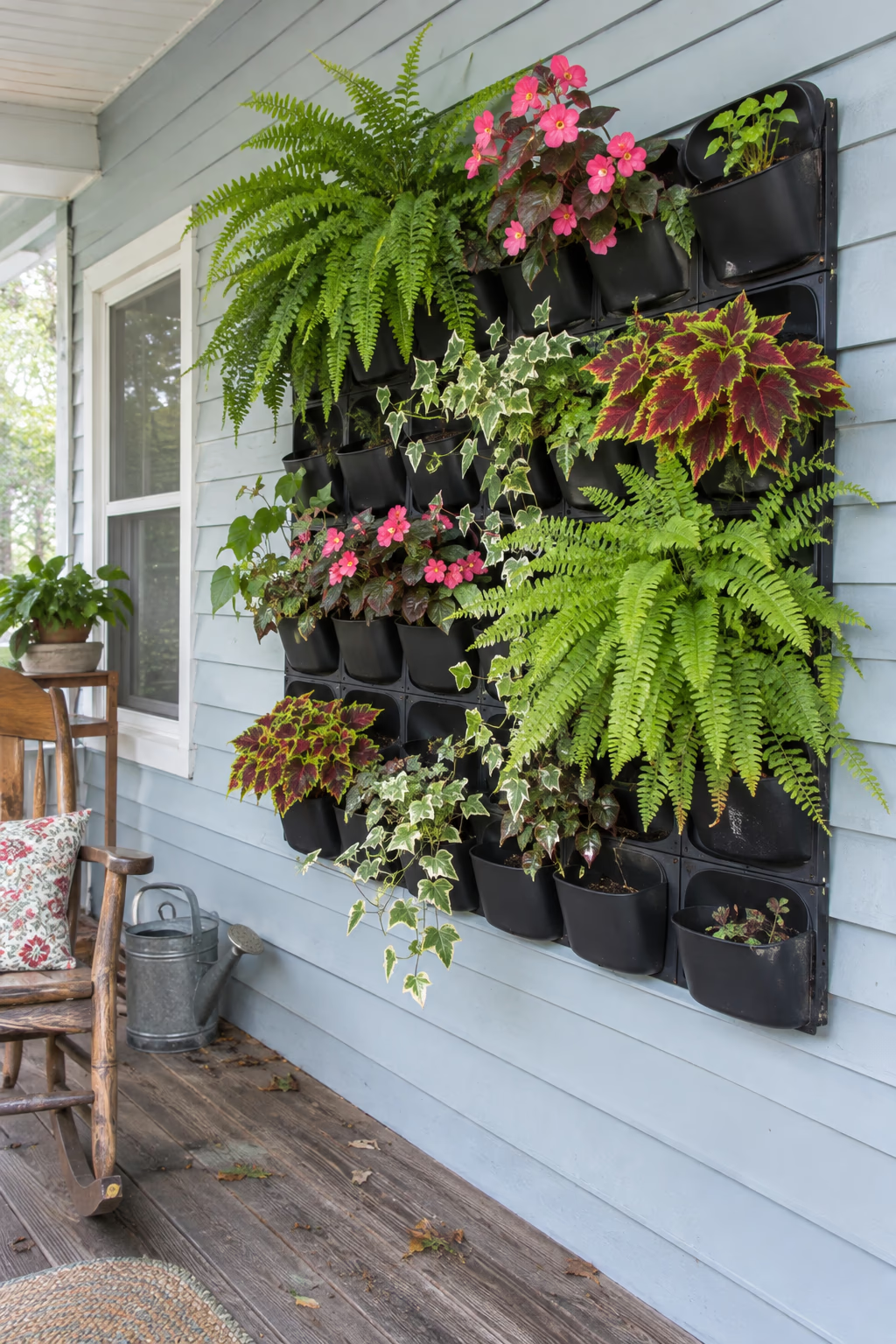
A living wall that is easier to keep alive
Modular plastic wall planters snap together in a grid, and many include built-in reservoirs that channel water from top pockets to lower ones. Start with a few panels and add more as your confidence grows.
Because each cell holds its own soil, you can swap out a struggling plant without disturbing its neighbors. Ferns, begonias, ivy, and coleus fill shady walls, while succulents and herbs suit sunny ones.
Even self-watering systems need checking every few days in summer. Panels are relatively affordable per square foot, but a large wall adds up, so price the full project before you buy.
13. Hang Mason Jars on a Board for a Porch Herb Wall
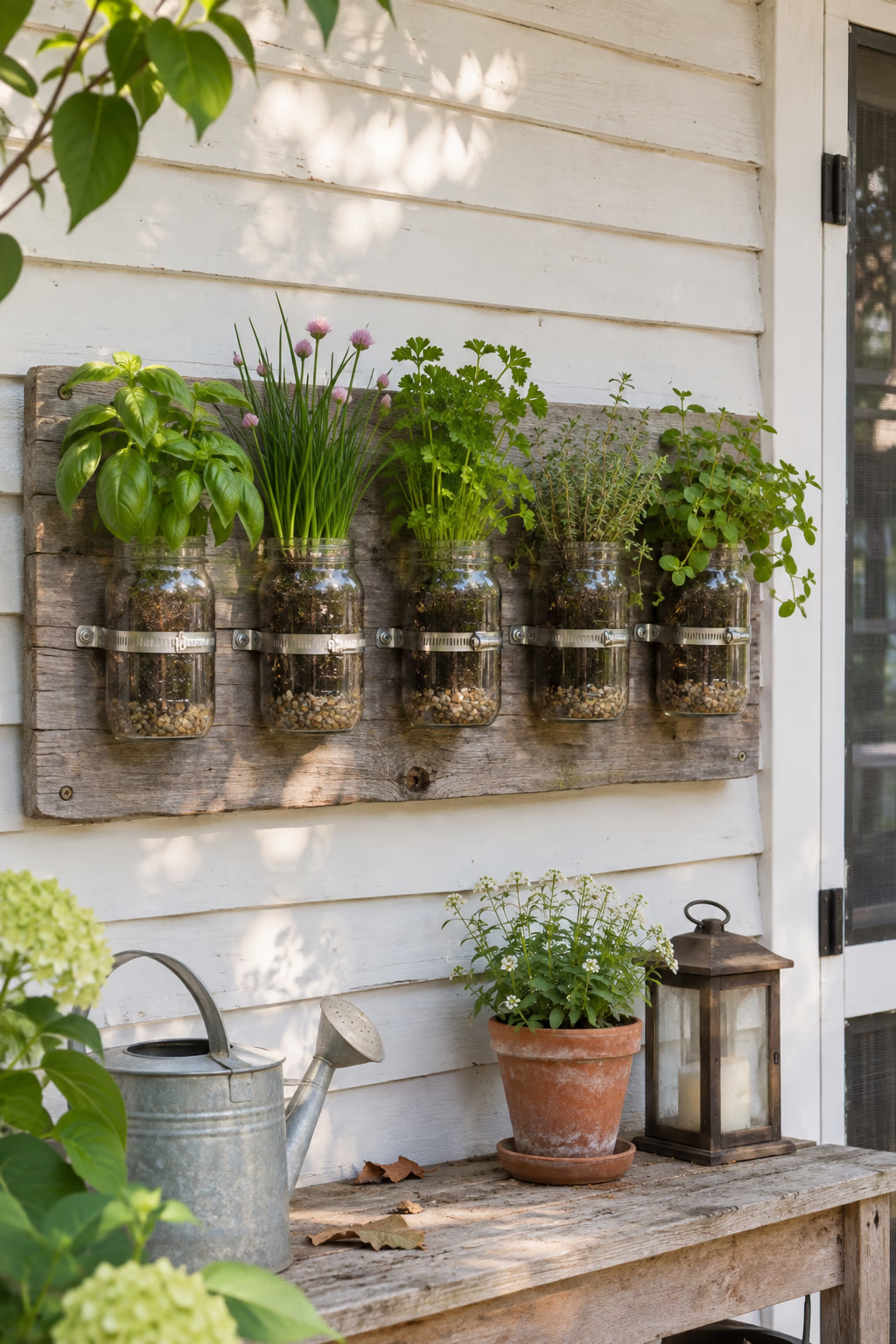
Farmhouse charm within reach of the kitchen
Screw a weathered board or painted plank to a porch wall, then attach pint or quart mason jars with stainless steel hose clamps. Fill each jar with a layer of pebbles and potting mix and plant small herbs such as basil, chives, parsley, or thyme.
Clear glass lets you see soil moisture, and the row of jars looks cheerful beside a back door.
Jars have no drainage holes, so water sparingly and check for soggy soil. Because the plants are small, treat this as a garnish garden and refresh herbs as they get leggy.
14. Fill a Tiered Metal Plant Stand on the Balcony
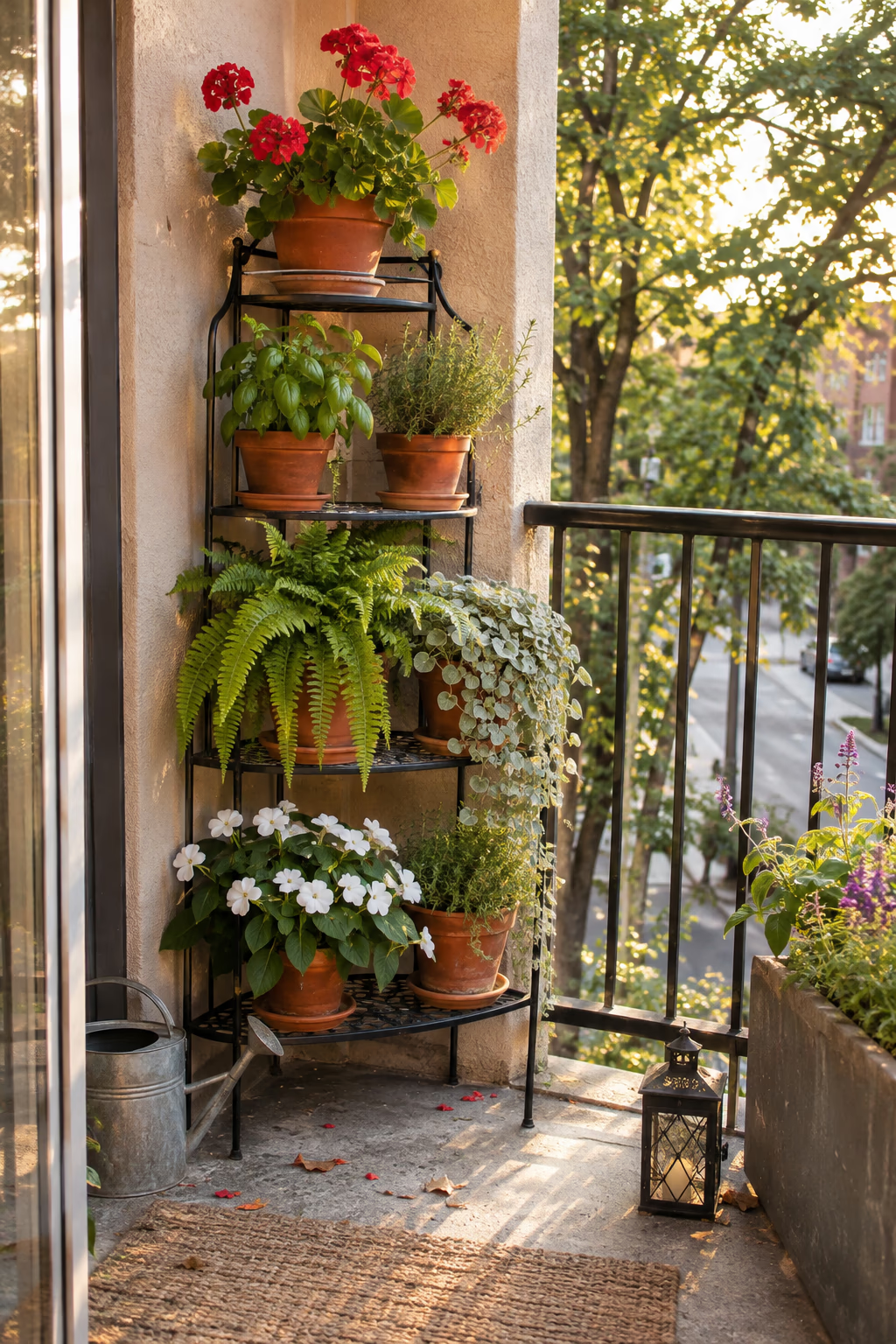
Maximum plants in the tightest corner
A corner or ladder-style metal plant stand with three to five shelves can hold a dozen pots in about 2 square feet. Powder-coated steel in black or sage green looks modern and stands up to the weather.
Group pots by sun needs, putting geraniums and herbs on top shelves and ferns or impatiens below, and add trailing plants to spill over the edges.
Check your balcony’s weight limits and building rules, and put saucers under pots so water doesn’t drip onto neighbors below. In windy spots, secure the stand to the railing with ties.
15. Stack Cinder Blocks Into a Planter Wall
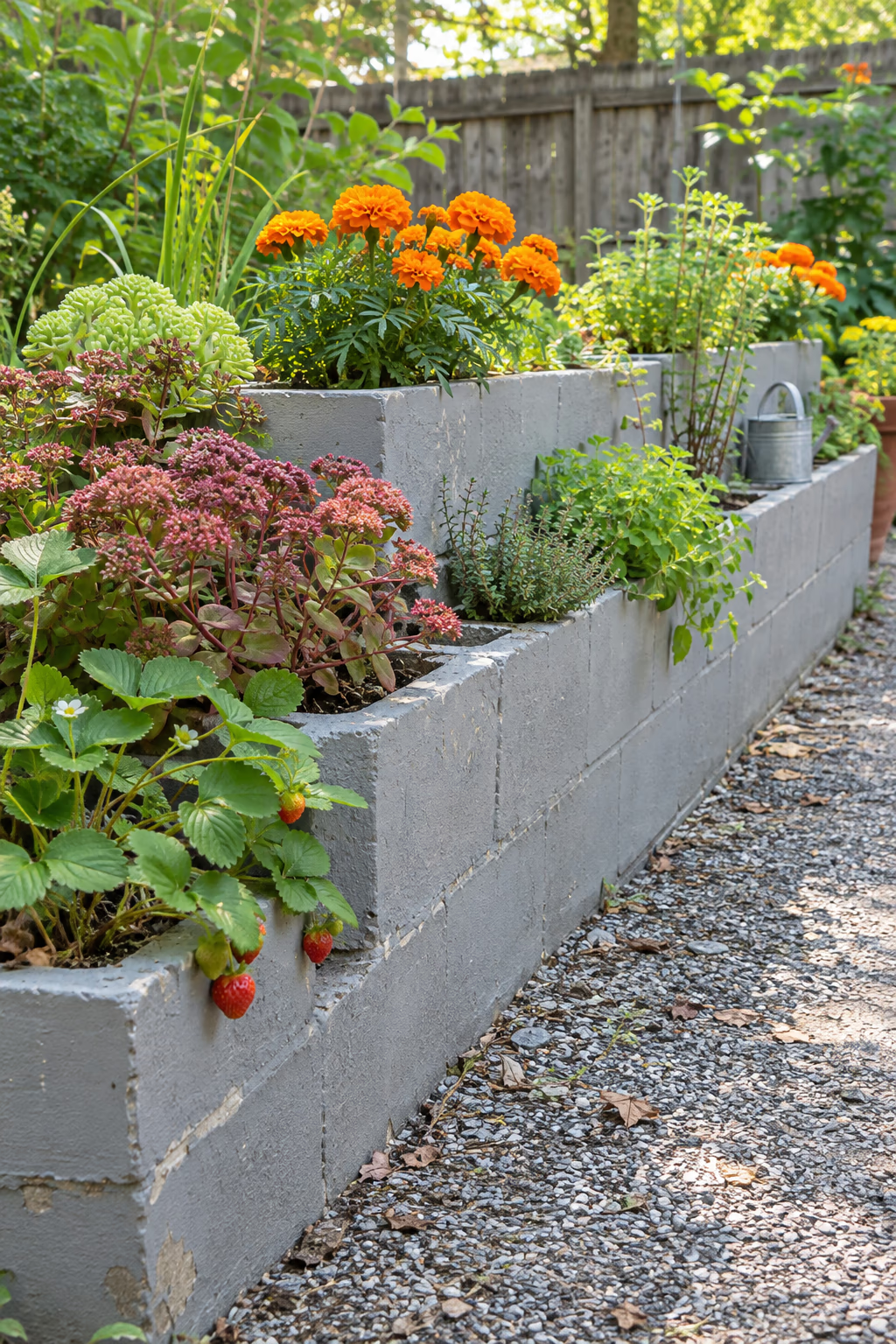
Sturdy, cheap, and endlessly configurable
Standard concrete blocks have open cores that make ready-made planting cells. Stack them in a stepped wall two or three courses high, turn the holes upward, and fill each one with soil and a plant such as sedum, marigolds, strawberries, or herbs.
Blocks are inexpensive, need no tools to assemble, and can be painted with masonry paint for a fresh, modern look.
Keep dry-stacked walls low, generally no more than about 3 feet, and set them on a level gravel base. Concrete can raise soil pH slightly, so it’s best for plants that tolerate neutral to alkaline conditions.
16. Grow Flowers in a Stacking Pot Column
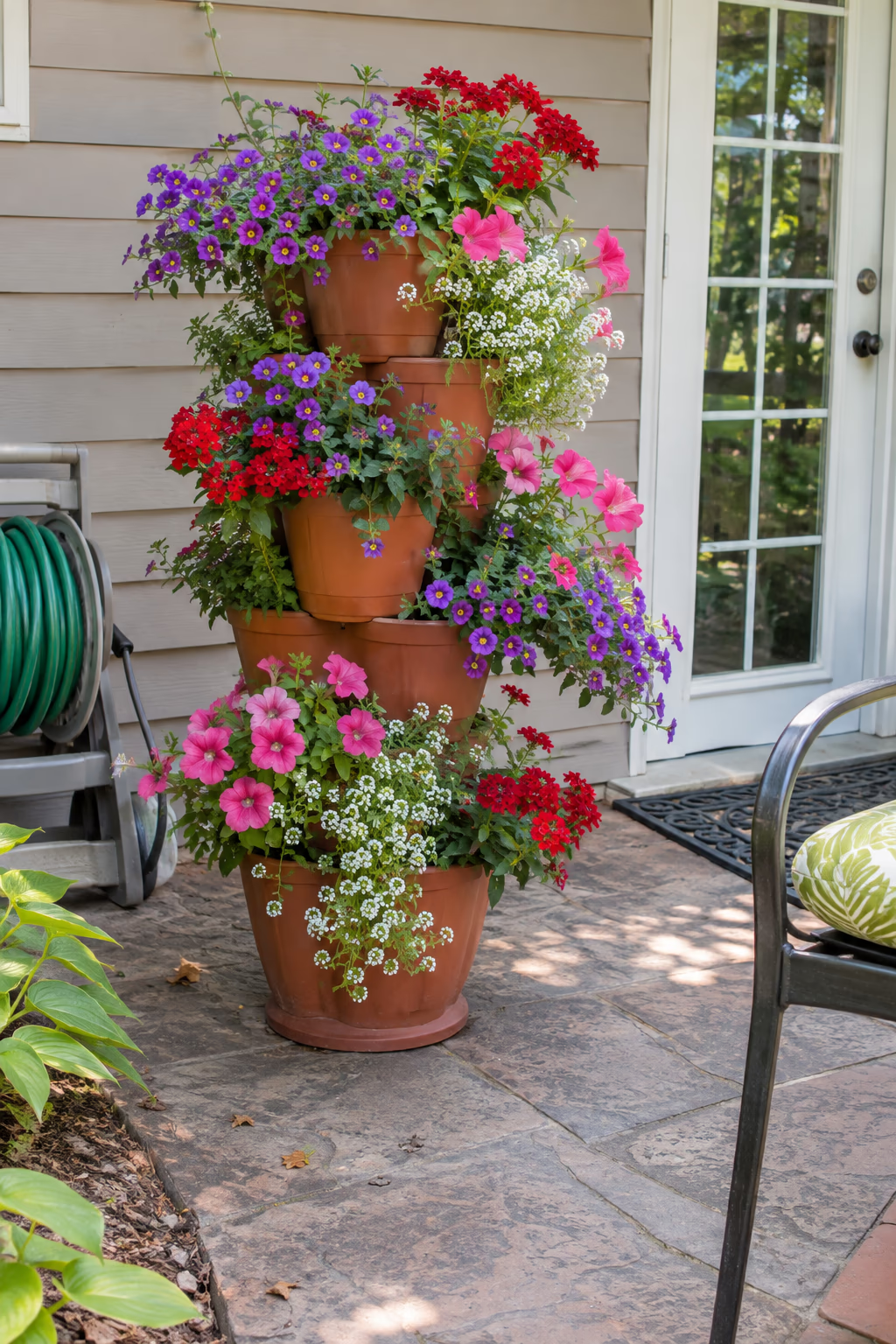
A tall splash of color from a tiny footprint
Stacking planters are lightweight resin or plastic pots designed to nest at an offset, creating a column of planting pockets. Most sets let you add tiers to reach 3 to 5 feet tall.
Fill them with calibrachoa, verbena, petunias, or sweet alyssum for a cascading tower of blooms, or plant lettuce and herbs for a compact edible column.
Water from the top and let it trickle down, but check that the lower pockets aren’t staying soggy. Rotate the column every week or so for even growth on all sides.
17. Train Vines Up a Trellis-Backed Planter Box
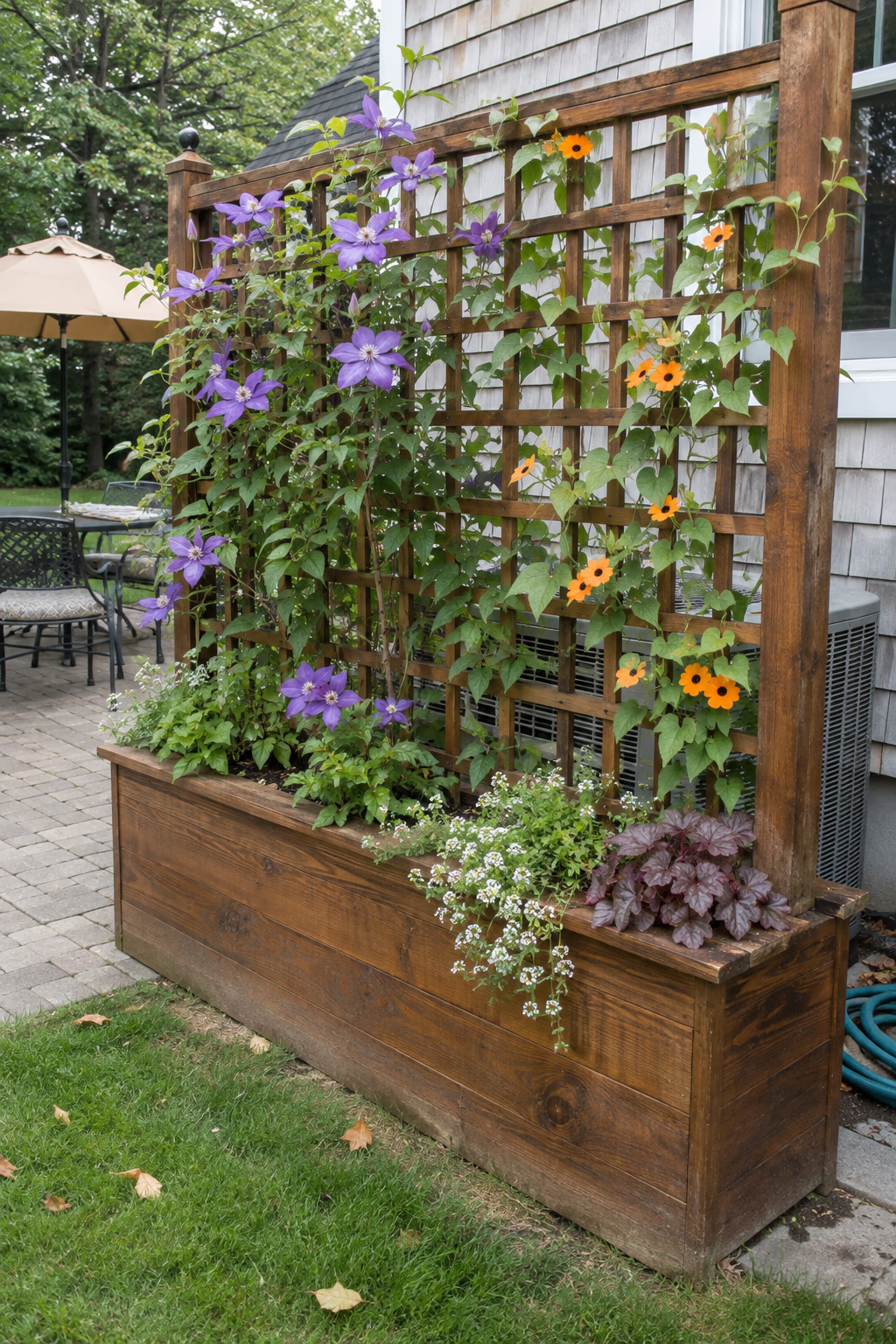
A living screen that grows taller every year
A trellis planter combines a long rectangular box with a tall lattice or metal panel attached to the back. Plant climbing vines such as clematis, mandevilla, black-eyed Susan vine, or morning glory, and they’ll cover the trellis within a season or two.
It’s a quick way to add privacy along a patio edge or to hide air conditioner units and trash bins.
Choose a box at least 12 inches deep for perennial vines. Avoid aggressive vines such as wisteria or English ivy in small containers, and tie young stems loosely to the trellis to start them climbing.
18. Hang Pots From a Black Metal Wall Grid
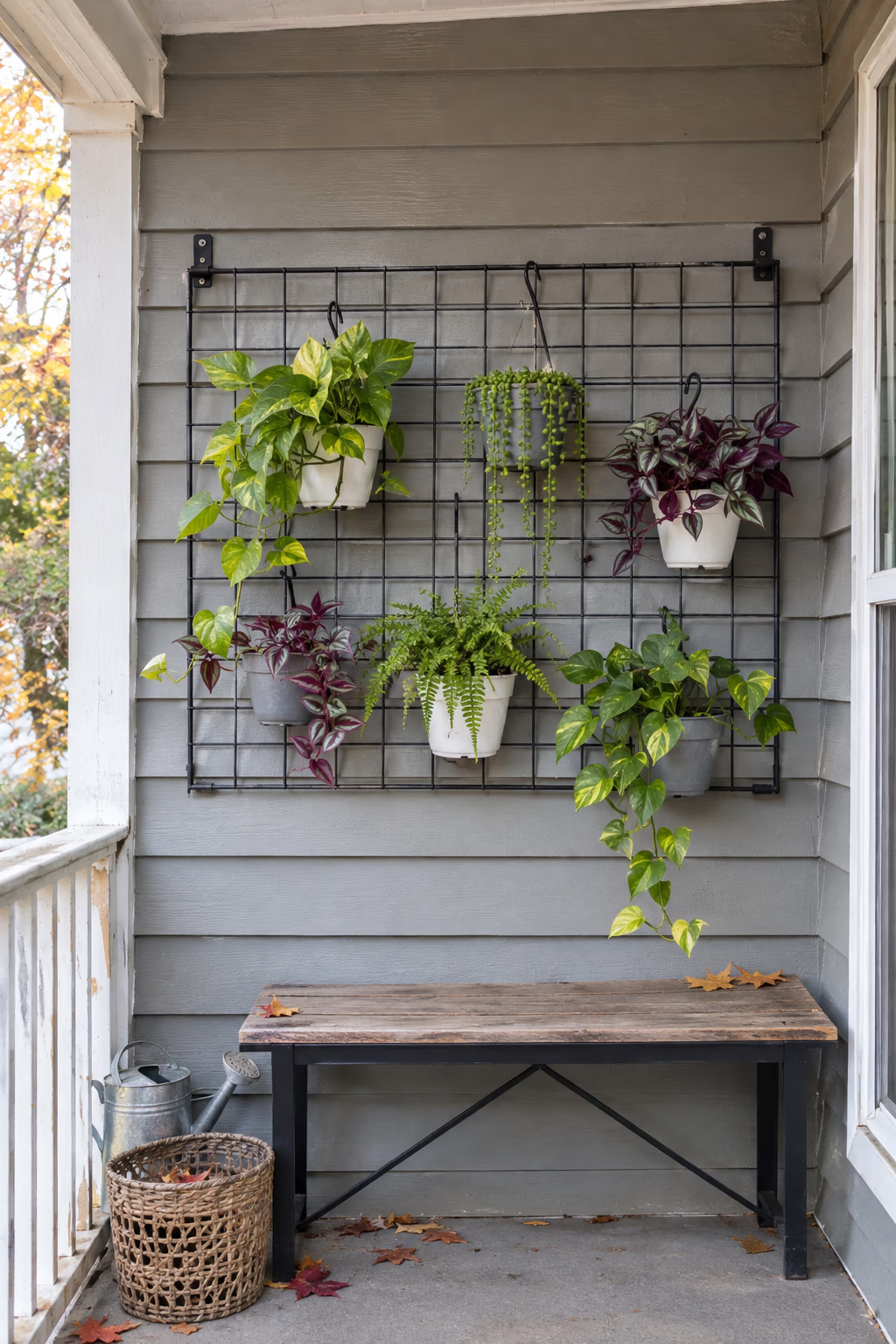
A minimal, modern look that is easy to change
Mount a black metal wire grid panel, the kind sold for organizing, on a wall or porch post. Hang small pots with S-hooks or grid clips, and add a few trailing plants such as string of pearls, pothos, or wandering dude.
The open grid lets you move plants around easily, and black metal with simple white or gray pots fits a clean contemporary style.
Keep the plants small since the grid works best with light containers. Use pots with saucers or attached trays so water doesn’t run down the wall.
19. Plant Colorful Rain Boots Along a Porch Railing
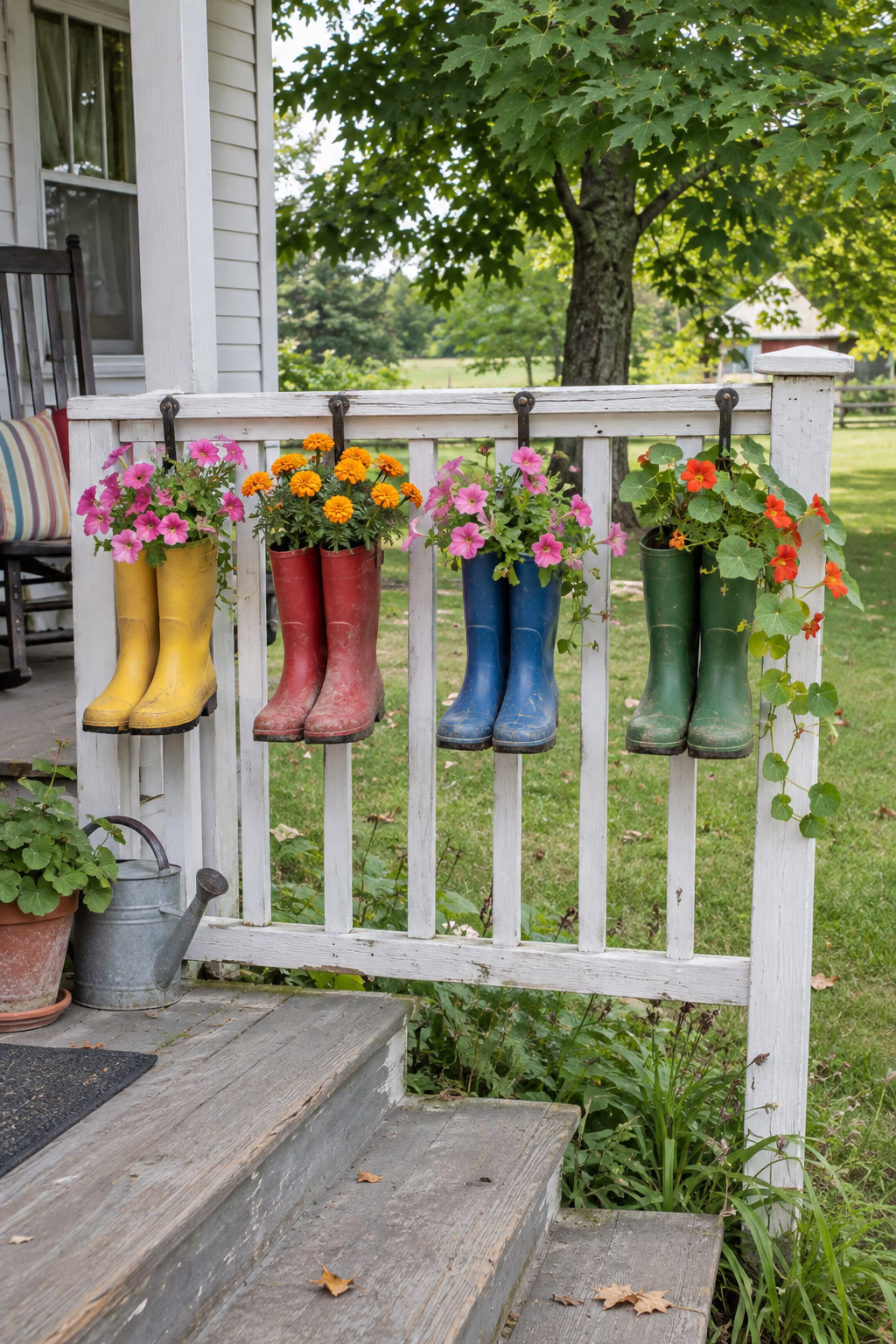
A whimsical idea that reuses outgrown gear
Old rubber rain boots make cheerful, quirky planters. Drill a few drainage holes in the soles, fill with potting mix, and plant petunias, marigolds, or nasturtiums. Hang them on hooks along a porch railing or post.
It’s a fun way to recycle boots kids have outgrown and adds a personal, cottage-style touch.
Boots hold a small amount of soil and dry out fast, so water often. Bright colors fade over time in strong sun, which can add a charming weathered look.
20. Hang Recycled Plastic Bottles as a Budget Planter Wall
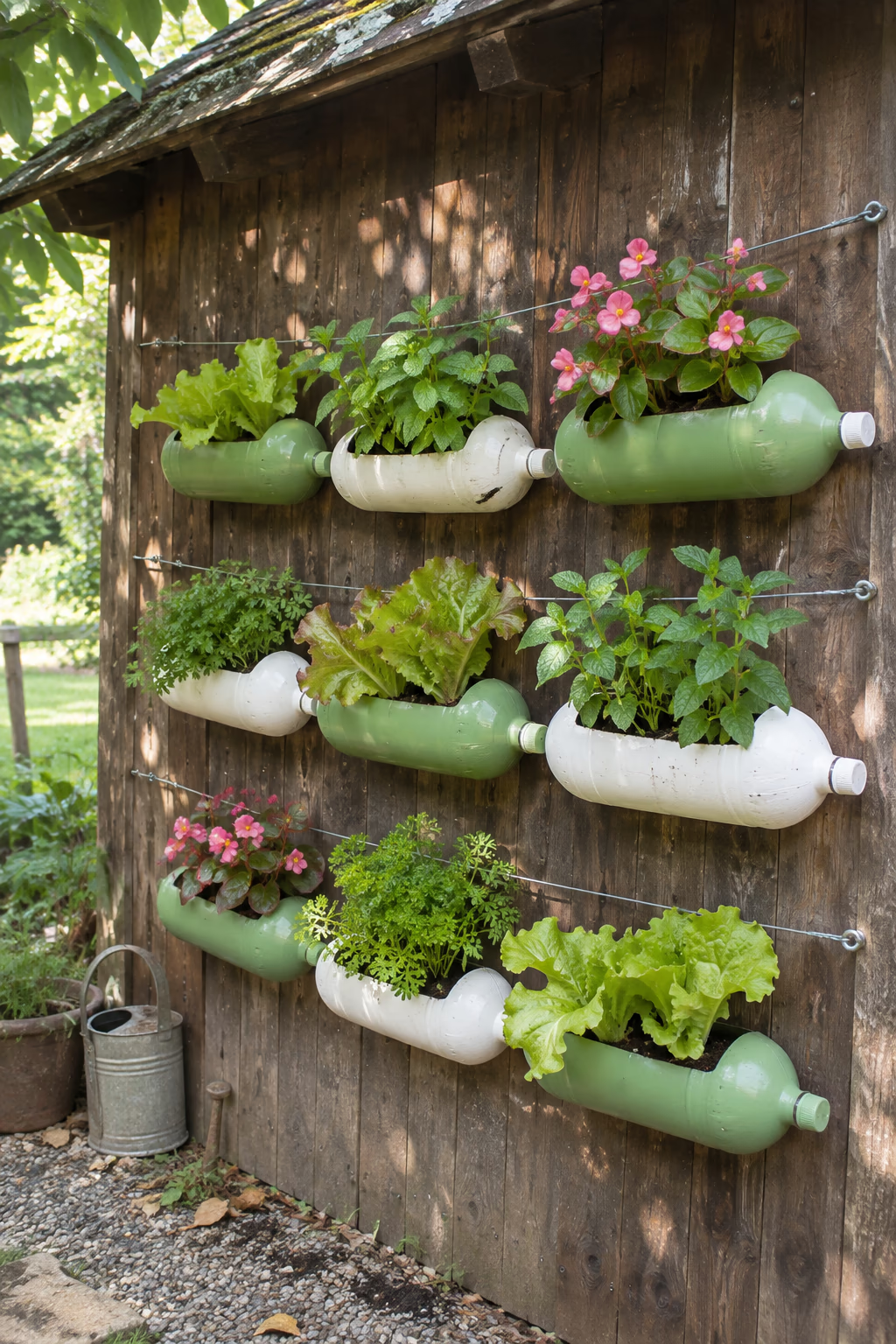
A zero-cost project for herbs and annuals
Cut a rectangular opening in the side of 2-liter soda bottles, poke drainage holes in the bottom, and string them horizontally on wire or cord between two hooks. Stack several rows so water from upper bottles drips into lower ones.
Plant shallow-rooted herbs, lettuce, or small flowers, and paint the outside of the bottles to block light and keep roots cooler.
Clear plastic heats up and degrades in strong sun, so this works best in partial shade and lasts a season or two. It’s a great project for kids or for trying out vertical gardening before investing in sturdier planters.
21. Tuck Plants Into Pockets of a Dry Stone Wall
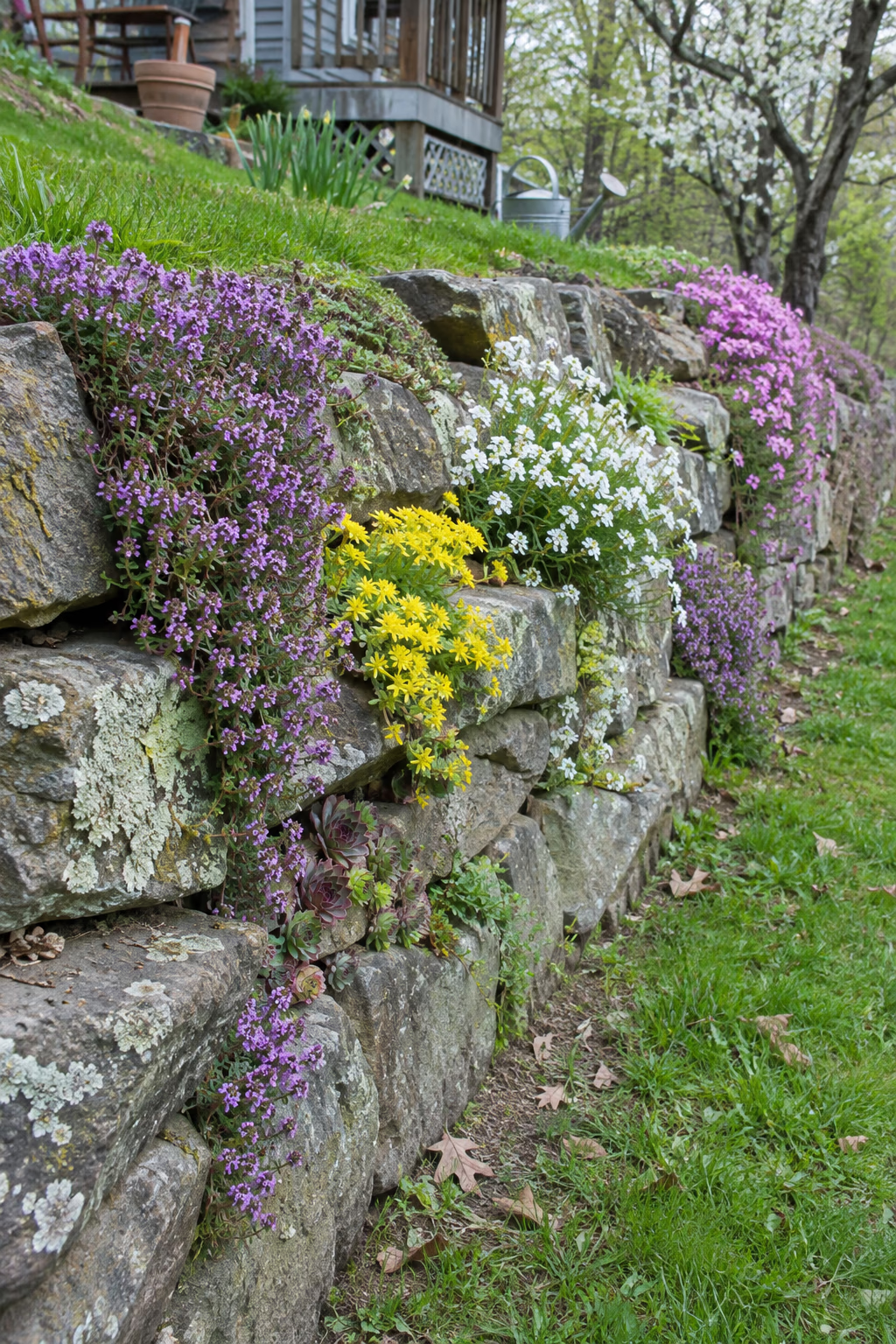
Soften a retaining wall with living texture
If you have a dry-stacked stone or block retaining wall, fill gaps between stones with soil and tuck in small, tough plants. Creeping thyme, sedum, hens and chicks, rock cress, and creeping phlox root into crevices and spill over the faces.
The plants soften hard stone and help the wall look established and natural.
Don’t disturb mortared walls or structural retaining walls, since digging into them can weaken their structure. Water new plants often until roots take hold in the crevices.
22. Clip Shadow Box Planters to a Deck Railing
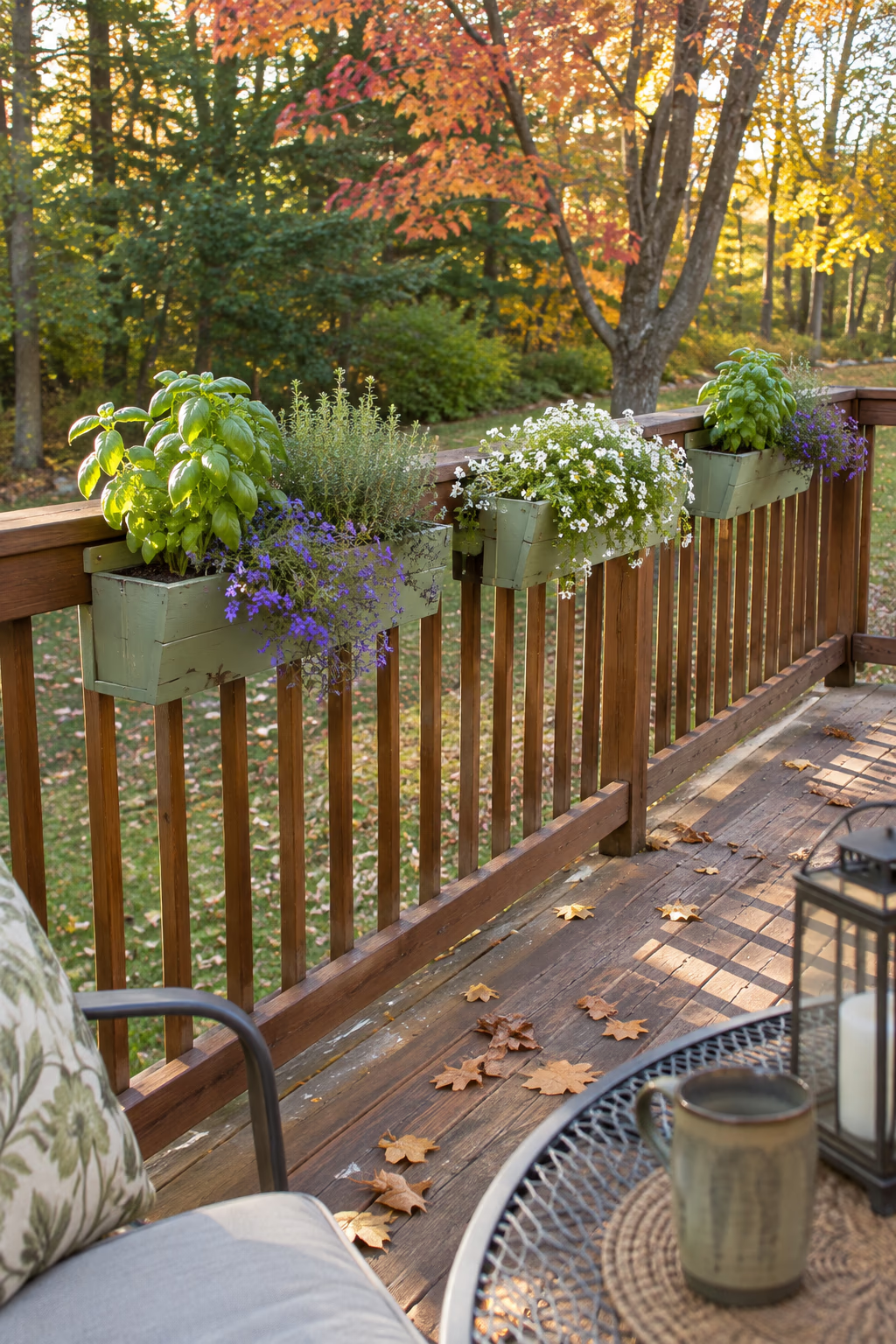
Railing space put to good use
Build narrow wooden boxes about 6 inches deep that hook over or bolt to a deck or porch railing. Paint them a soft color or leave cedar natural, and plant herbs, trailing annuals, or compact flowers.
They keep the deck floor clear, add color at seated eye level, and are easy to reach for watering and harvesting.
Make sure boxes are securely attached, especially on upper-story decks. Position them on the inside of the railing if you’re worried about anything falling below.
23. Grow a Pothos Living Wall Indoors
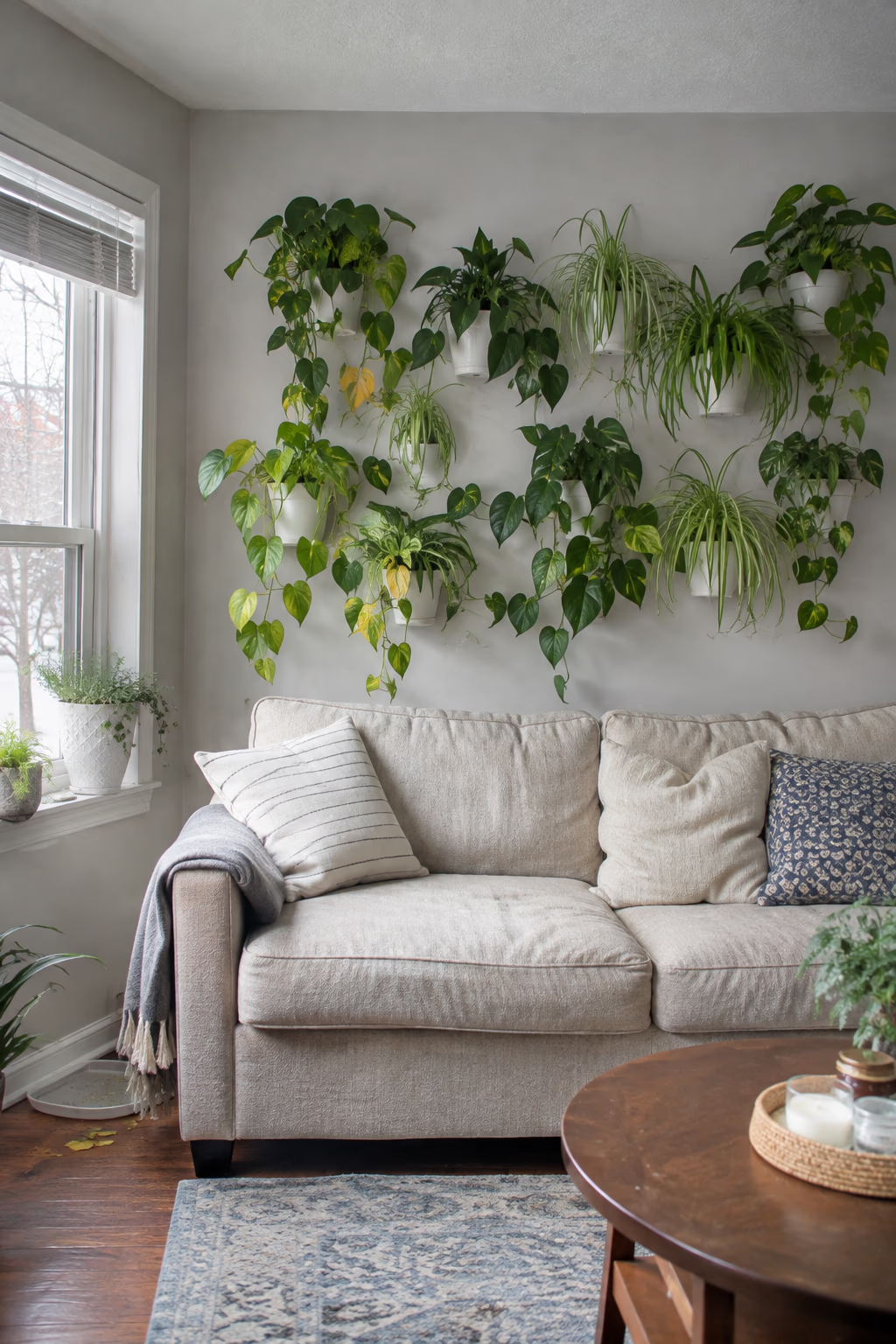
Bring vertical greenery into a living room or office
Indoor vertical planters can be as simple as a wall-mounted shelf of small pots or as elaborate as a modular panel system. Pothos, philodendron, and spider plants handle lower light and trail beautifully.
A living wall adds texture and color to a blank room and makes a dramatic backdrop for a sofa or desk.
Protect walls and floors with waterproof backing and drip trays. Most indoor plants need bright, indirect light, so place the wall near a window or add a grow light.
How to Plan Your Vertical Planter
A vertical planter succeeds when it suits your wall, your light, and your watering habits. A little planning up front saves frustration later.
- Check your light. Watch the spot for a full day. Six or more hours of sun suits herbs, strawberries, and most flowers, while shady walls are better for ferns, begonias, and heuchera.
- Plan for weight. Wet soil is heavy, so anchor wall planters into studs or masonry and check balcony or deck load limits.
- Protect the wall. Add a waterproof backing or an air gap behind planters to keep moisture away from siding, wood, and drywall.
- Make watering easy. Vertical planters dry out faster than ground beds, so keep them near a hose or install a simple drip line on a timer.
- Use lightweight potting mix. Garden soil is too heavy and compacts in containers, so choose a quality mix, and add perlite for succulents.
- Know the rules. Renters, condo owners, and HOA members should check lease terms or bylaws before drilling into walls or adding large structures.
Frequently Asked Questions
What plants grow best in a vertical planter?
Shallow-rooted, compact plants are ideal. Herbs, lettuce, strawberries, succulents, ferns, petunias, calibrachoa, and trailing ivy all do well, while deep-rooted vegetables and large shrubs are better suited to the ground.
How often should I water a vertical planter?
In hot, sunny weather, many vertical planters need water daily, especially felt pockets, gutters, and small clay pots. In cooler weather or shade, every two to three days may be enough. Check soil moisture with your finger before watering.
Will a vertical planter damage my wall?
It can if moisture sits against the wall. Use waterproof backing, leave a small air gap, and choose planters with drainage trays. Anchoring into studs prevents heavy planters from pulling loose.
Can I leave vertical planters outside in winter?
It depends on your climate and the plants. In cold regions, soil in small containers freezes solid, so replace annuals with cold-hardy sedums or bring planters into a garage or shed. Store terracotta pots indoors to prevent cracking.
What is the cheapest way to start a vertical garden?
Pallets, plastic bottles, rain gutters, and cinder blocks are among the least expensive options. A simple pallet or gutter planter can be built for little more than the cost of soil and plants.
Final Thoughts
The best vertical planter ideas turn wasted wall and corner space into some of the most enjoyable parts of your yard. A pallet full of flowers, a ladder of herbs, or a single framed succulent panel can change how a patio, porch, or balcony feels.
Start with one planter in a spot you pass every day so watering becomes a habit. Once you see how much it adds, you’ll likely find more walls, railings, and corners ready to grow up.