You do not need a backyard to enjoy growing flowers, herbs, vegetables, or beautiful foliage. With the right apartment balcony garden ideas, even a narrow balcony can become a relaxing green space filled with plants you actually enjoy caring for.
The trick is to use the space you already have instead of trying to fit a traditional garden onto a balcony. Railings can hold planters, walls can support vertical greenery, corners can become container gardens, and a sunny spot can grow everything from rosemary to cherry tomatoes.
Before choosing plants, spend a few days noticing how much direct sunlight reaches your balcony and whether the space is especially hot, shaded, or windy. Then choose plants and containers that suit those conditions.
Here are 23 practical apartment balcony garden ideas that can work in spaces large and small.
1. Create a Layered Container Garden
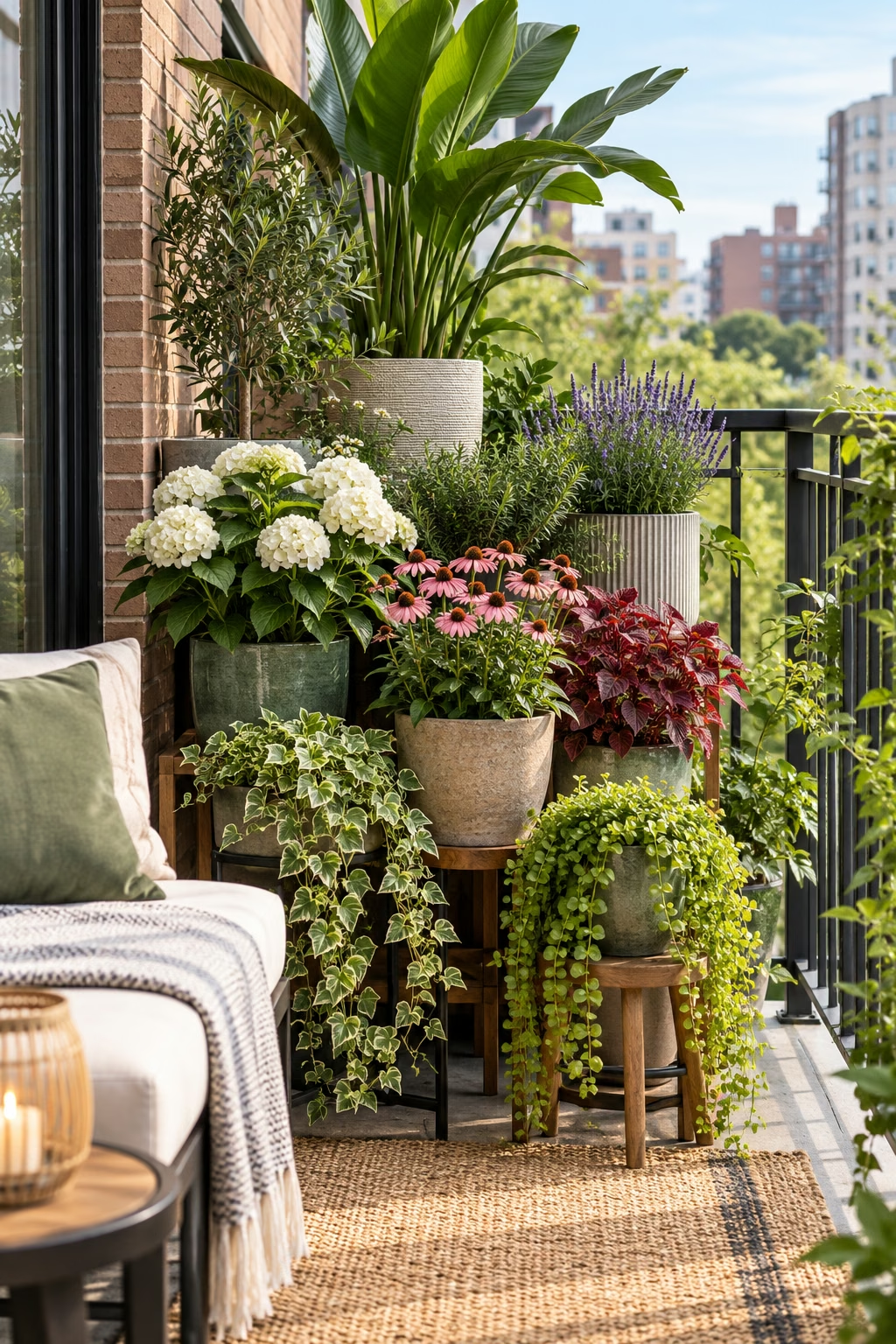
Use different plant heights to make a small balcony feel fuller.
One of the easiest ways to transform a plain balcony is to group several containers together rather than spreading individual pots everywhere.
Start with one taller plant at the back. Add medium-height flowering or foliage plants around it, then finish the front with low-growing or trailing plants.
The different heights give the arrangement depth without requiring much floor space.
You can also use plant stands or sturdy stools to raise smaller pots. A collection of five well-arranged containers often looks more intentional than fifteen little pots scattered around the balcony.
For a cohesive look, repeat one or two pot colors throughout the arrangement.
2. Fill the Railing With Flower Boxes
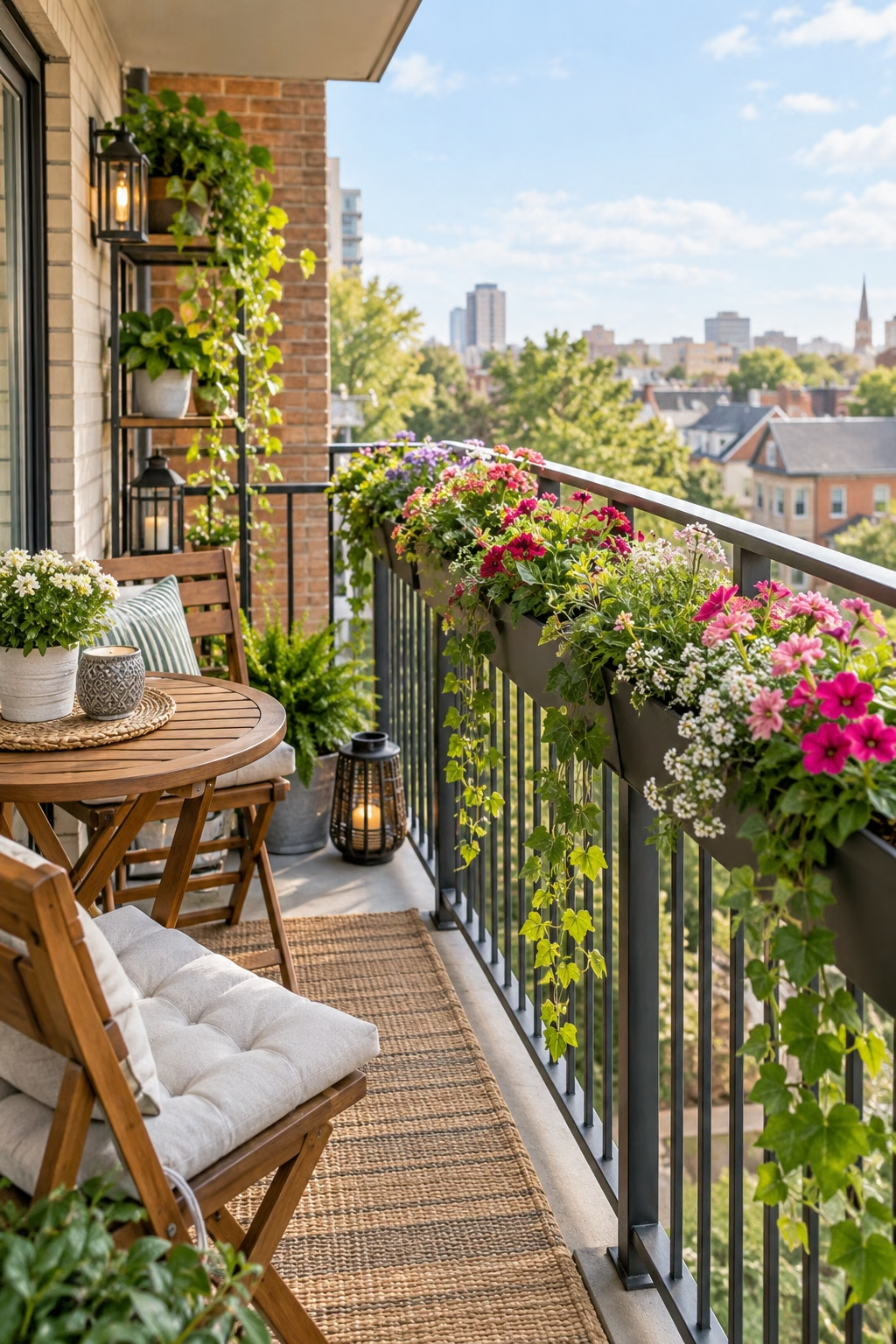
Turn unused railing space into a colorful garden.
Railing planters are especially useful when your balcony floor is small.
Fill them with compact flowers, herbs, or trailing plants so the greenery softens the hard lines of the balcony railing.
Petunias, calibrachoa, geraniums, lobelia, sweet alyssum, begonias, and other container-friendly flowers can create a beautiful display when the light conditions are right.
You can also create a simpler green look with herbs or foliage plants.
Choose railing boxes designed for your particular railing style and make sure they are securely attached. If your apartment has restrictions about objects hanging outside the railing, place the planters on the inside instead.
3. Build a Vertical Wall Garden
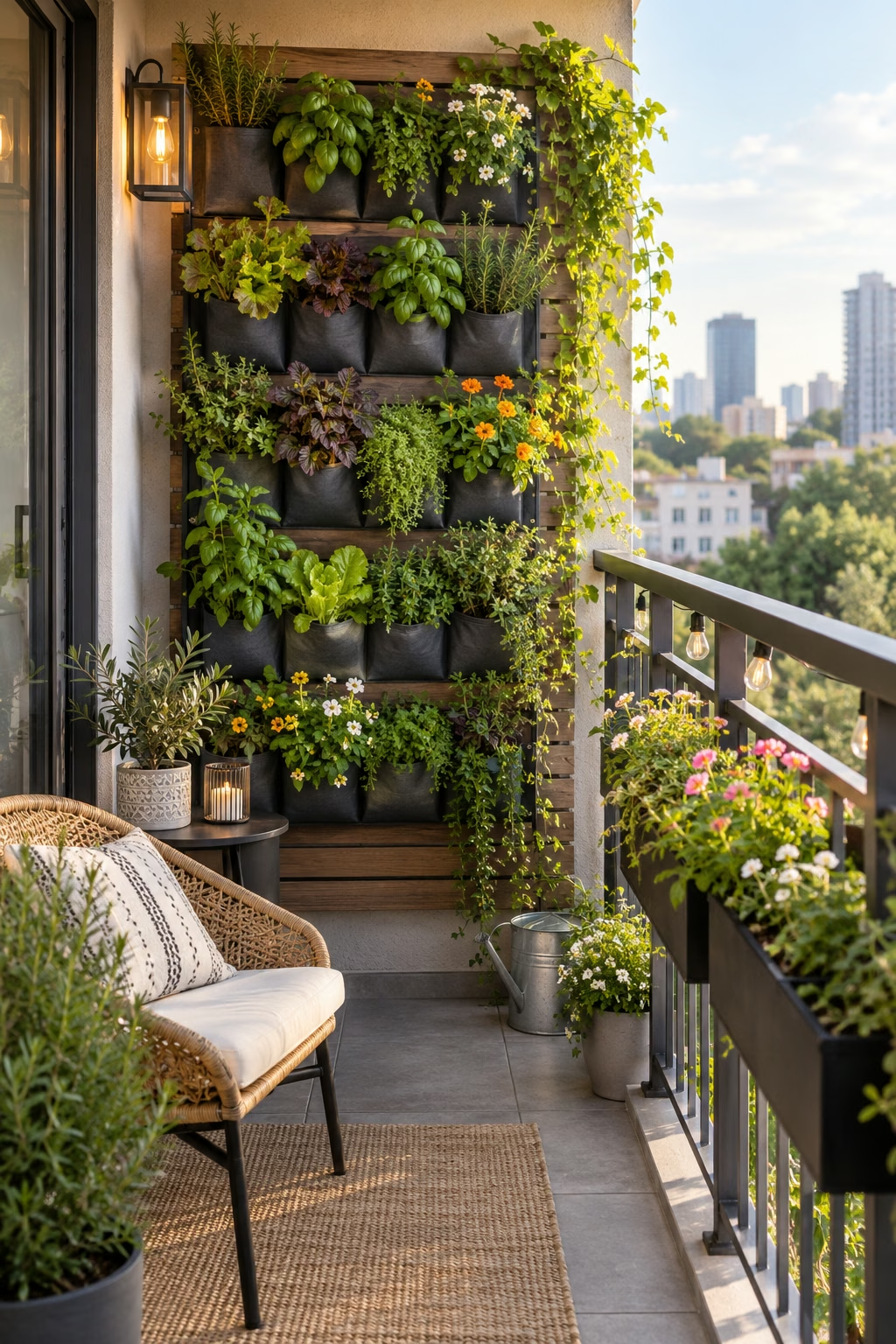
Grow upward when you cannot grow outward.
A vertical garden is one of the most useful apartment balcony garden ideas because walls normally take up very little usable floor space.
Install a freestanding vertical planter, pocket planter, modular planting system, or renter-friendly frame against a balcony wall.
Fill the pockets with smaller plants such as herbs, lettuce, compact flowers, or trailing greenery.
Try not to fill every available inch. Leaving a little breathing room between plants often creates a cleaner and more attractive display.
A vertical garden positioned behind a chair can also create the feeling of sitting beside a living green wall.
4. Use a Ladder Plant Stand
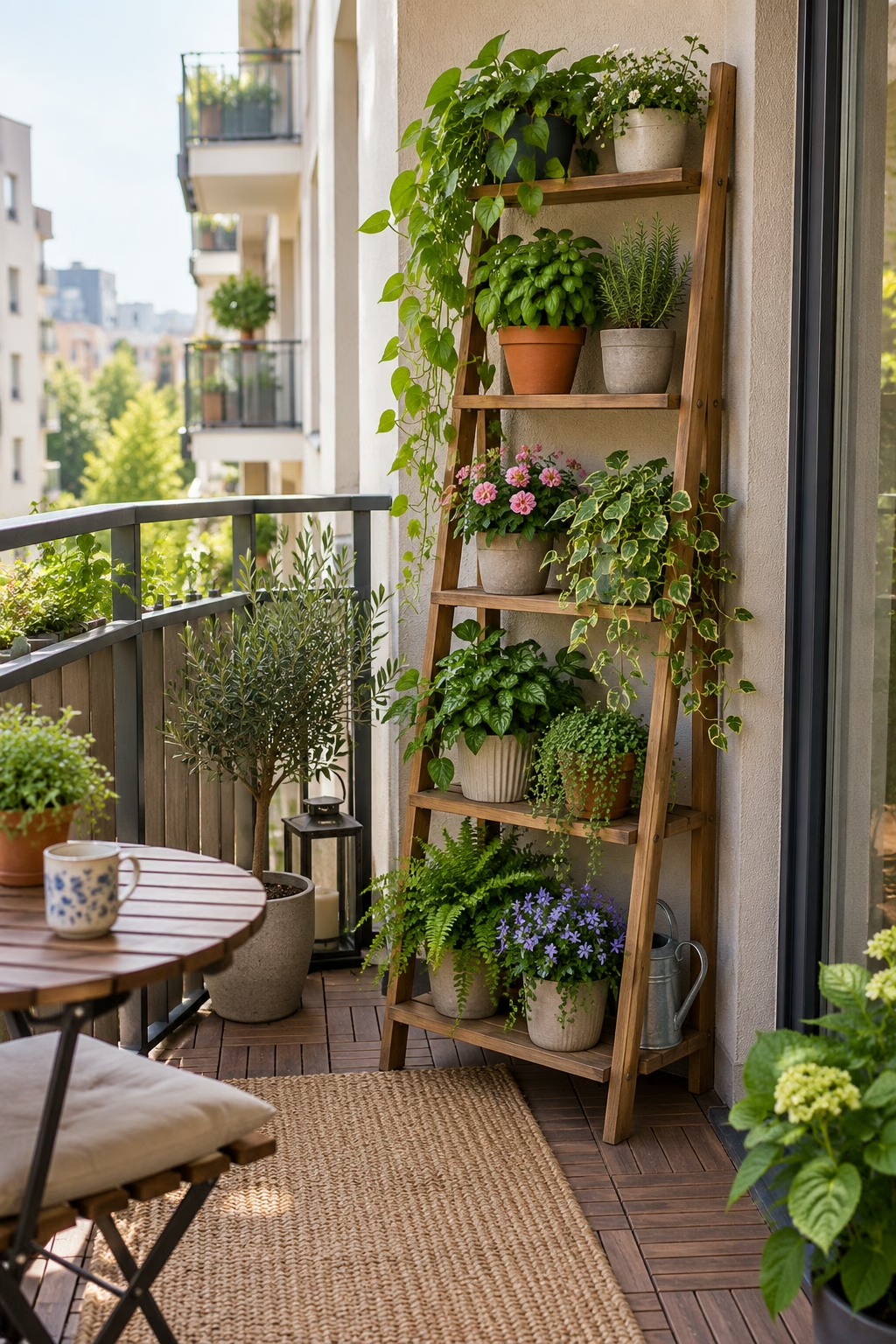
Turn a narrow strip of floor into several levels of plants.
A ladder-style plant shelf provides multiple planting levels while occupying relatively little floor space.
Place larger pots on the bottom shelves and smaller plants higher up. Trailing plants can go near the edges where their stems have room to hang naturally.
This setup works particularly well for renters because you can create a large vertical display without attaching planters permanently to the building.
A simple wood ladder creates a warm cottage look, while a slim metal stand works well on a modern balcony.
Just make sure the stand is stable, especially on balconies exposed to strong wind.
5. Add Hanging Baskets Overhead
Bring greenery above eye level while keeping the floor clear.
Hanging baskets can make a balcony feel lush without using valuable walking space.
They are particularly attractive with plants that naturally spill over the sides. Depending on your light and climate, options may include fuchsia, lobelia, petunias, trailing geraniums, strawberries, or foliage plants.
Try hanging only two or three baskets instead of covering the entire ceiling. This keeps a small balcony feeling open.
Hanging containers can dry faster than larger floor pots, so check their moisture regularly during warm weather.
Always use approved, secure supports rather than attaching heavy baskets to structures that were not designed to hold them.
6. Grow a Small Balcony Herb Garden
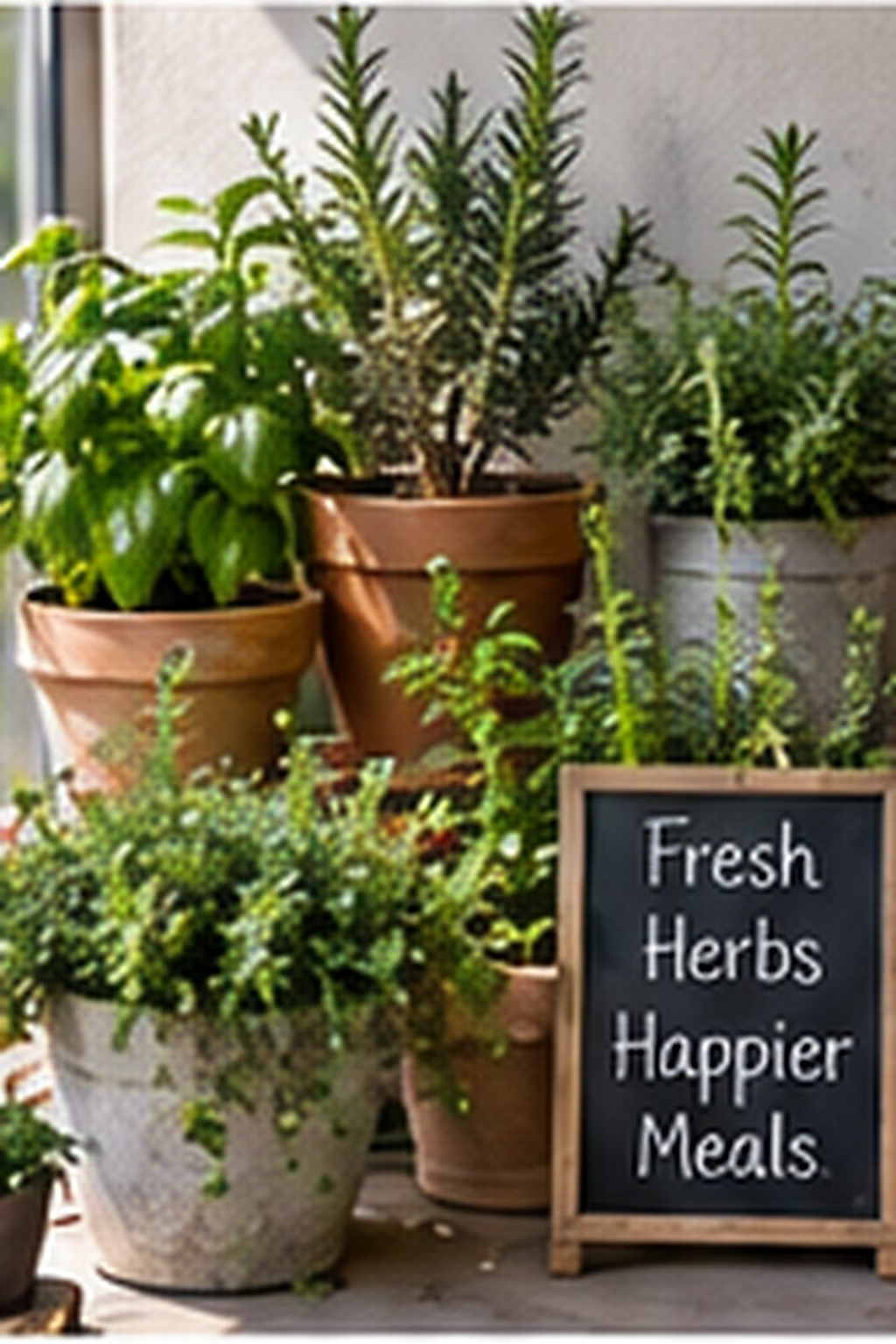
Keep fresh cooking herbs a few steps from the kitchen.
Herbs are among the most practical plants for an apartment balcony.
A few pots of basil, parsley, thyme, oregano, chives, mint, rosemary, or cilantro can provide both greenery and something useful for cooking.
You do not need a separate pot for every herb. Plants with similar growing preferences can sometimes share a larger container.
Mint is usually easier to manage in its own pot because it grows vigorously.
Arrange your herb garden on a sunny shelf, railing planter, plant stand, or small table where harvesting is convenient.
A dedicated herb corner can look surprisingly decorative when you mix upright rosemary with softer herbs and trailing thyme.
7. Make a Balcony Salad Garden
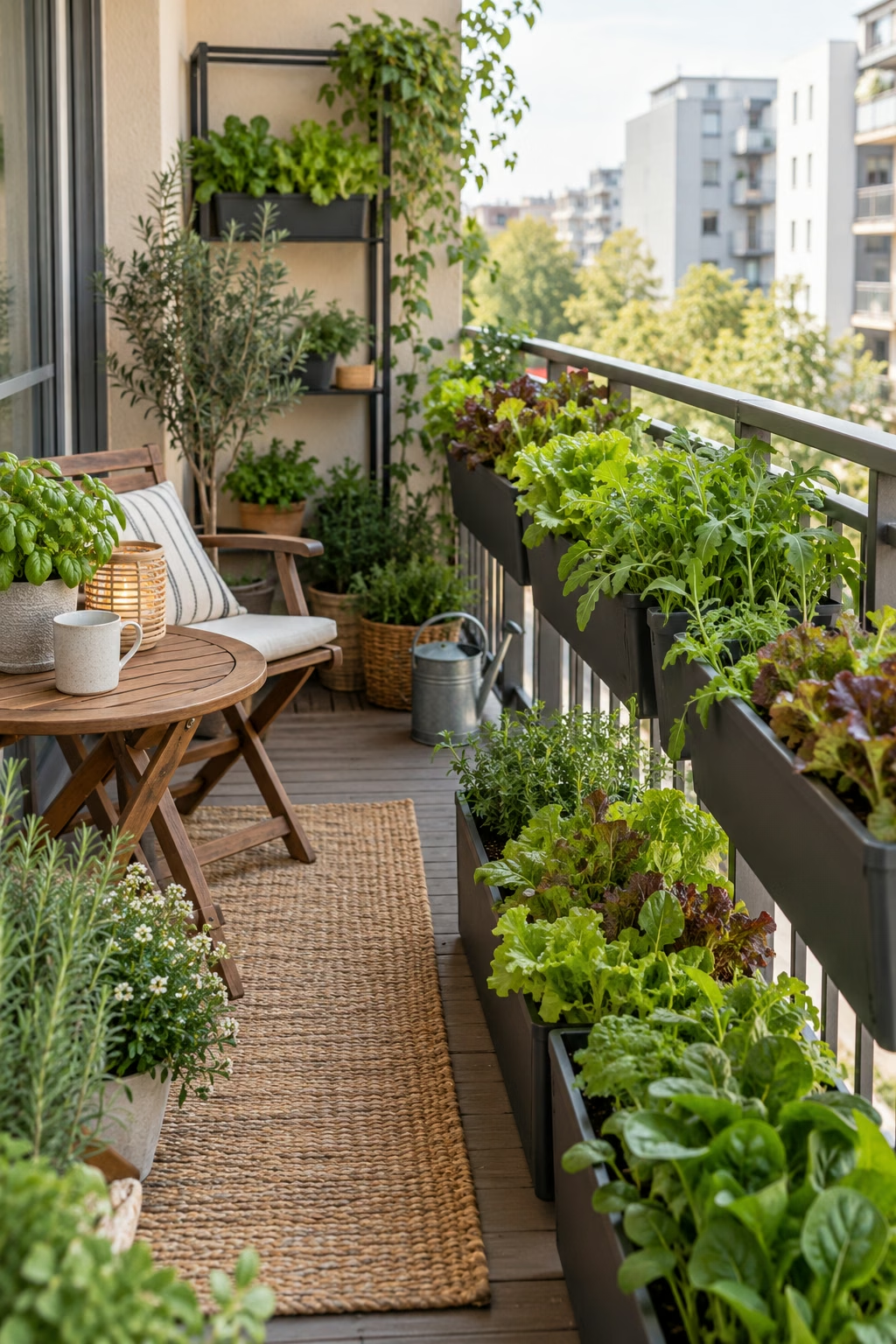
Grow leafy greens in shallow containers and window boxes.
You do not need enormous pots to start an edible balcony garden.
Leaf lettuce, arugula, spinach, Asian greens, and similar leafy vegetables are useful options for container growing and can fit into rectangular planters.
They are especially good for balconies that receive some sun but are not sunny enough for heat-loving fruiting crops.
A long planter filled with different leaf colors can look almost as decorative as a flower arrangement.
Rather than planting everything at once, sow smaller amounts periodically during suitable weather. That can provide a more manageable harvest and keep the planter looking fresh for longer.
8. Grow Cherry Tomatoes in a Sunny Corner
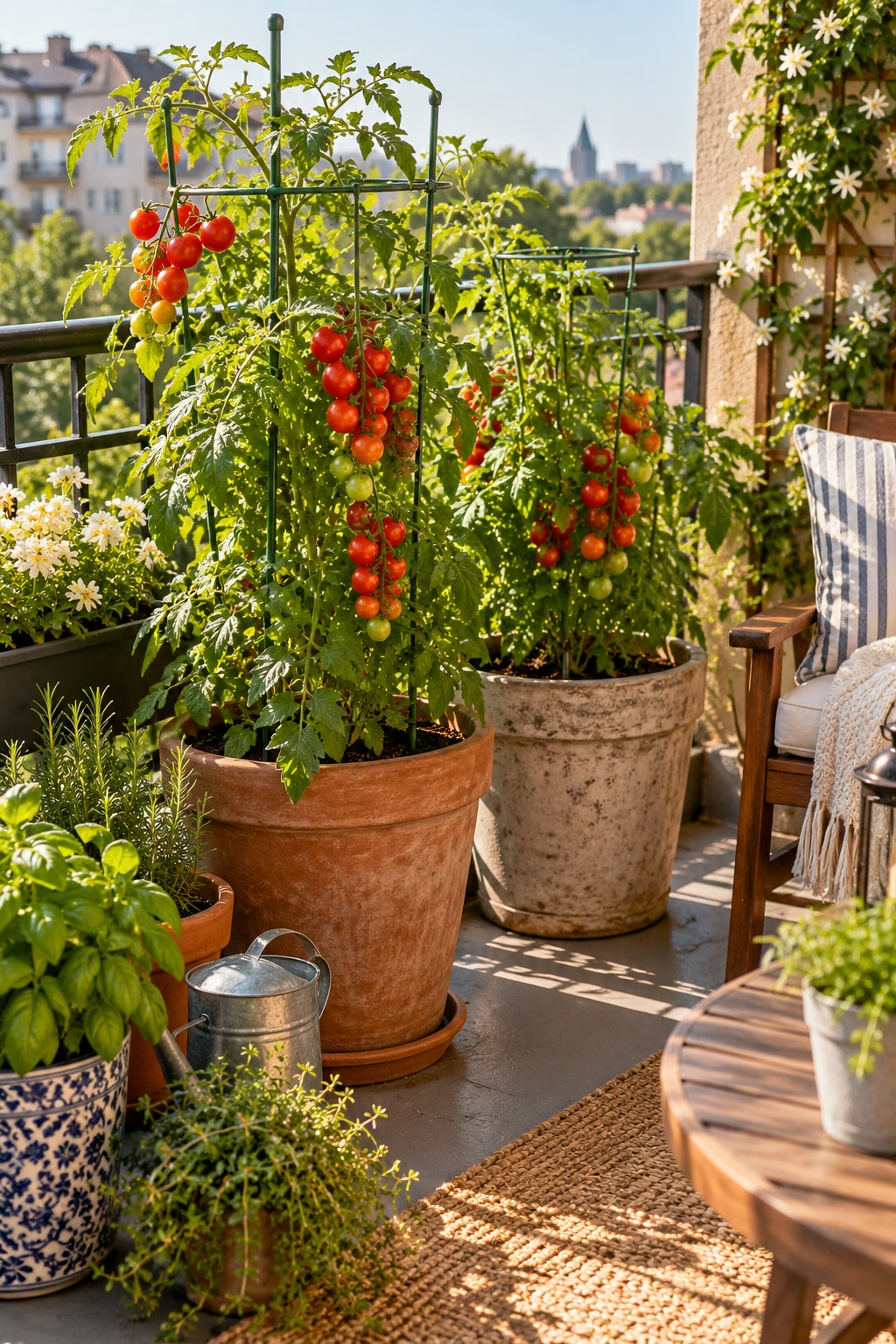
Turn one large pot into a productive mini vegetable garden.
If your balcony receives strong sunlight, try dedicating one corner to a compact tomato plant.
Cherry and other compact tomato varieties are popular choices for containers because you can get a useful harvest without turning the entire balcony into a vegetable patch.
Use a sufficiently large container and add a tomato cage, stake, or other support when needed.
Place the container where it will not block your walking path as the plant becomes larger.
You can also place a small herb pot nearby for a simple kitchen-garden theme.
Tomatoes require more attention than many herbs, but watching fruit ripen outside an apartment can be incredibly satisfying.
9. Create a Strawberry Balcony Garden
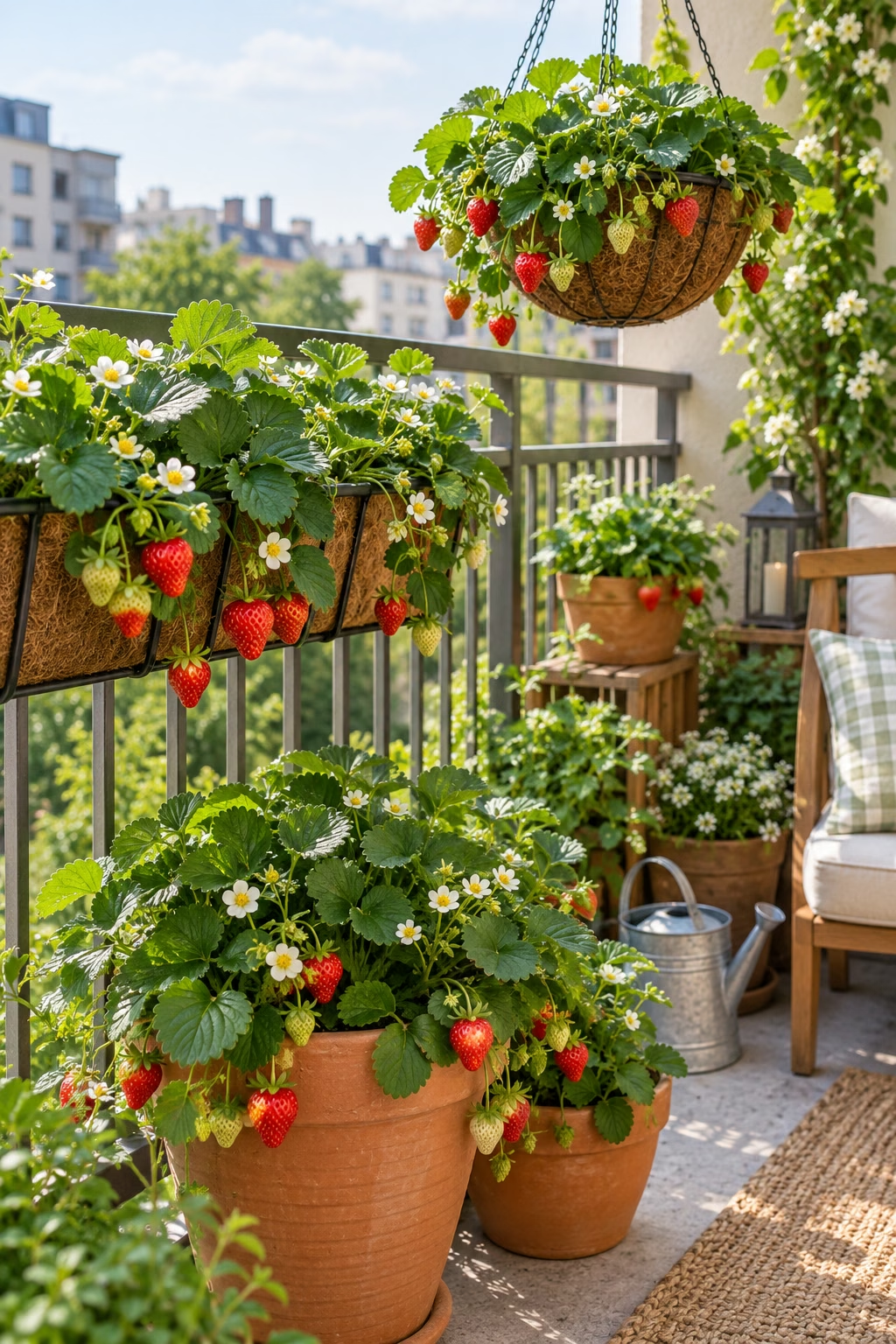
Use compact strawberry plants for color and edible fruit.
Strawberries work beautifully in small gardens because they can grow in pots, railing containers, hanging baskets, and specialized strawberry planters.
Their white flowers, green foliage, and bright fruit also make them attractive ornamental plants.
For a simple setup, place two or three strawberry containers together in a sunny area.
A hanging basket is another good option because the fruit can hang over the edges rather than resting against the potting mix.
Choose a strawberry type suited to your climate and give the plants enough room rather than overcrowding the container.
10. Train Climbing Plants Up a Trellis
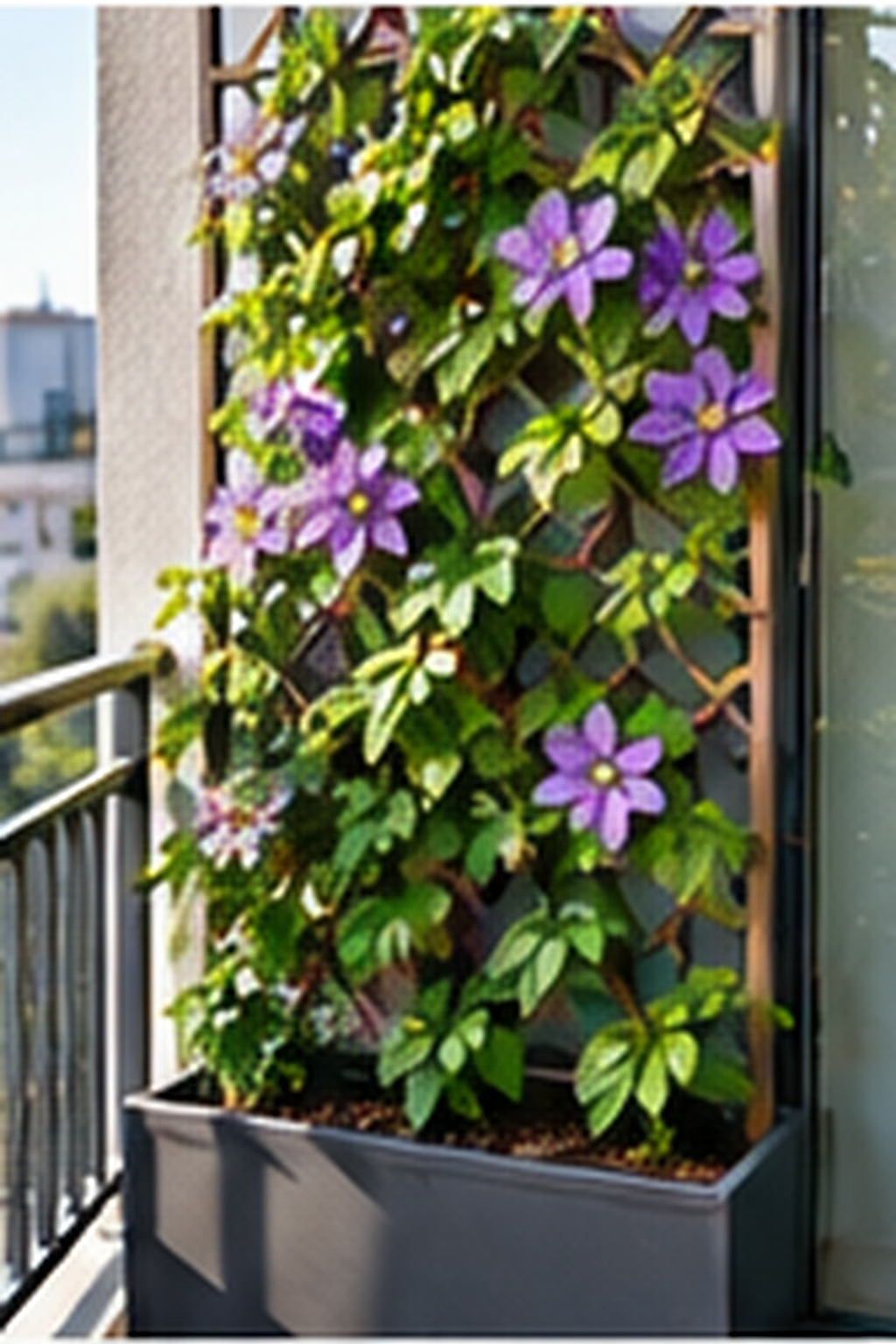
Use vertical vines to create height without filling the balcony floor.
A narrow trellis can transform a bare balcony wall.
Depending on the amount of sunlight and your climate, you might grow flowering climbers or edible vines.
Compact climbing beans and peas can be practical options for an edible garden, while flowering vines can create a softer decorative look.
Place the trellis inside a long rectangular planter so the entire setup remains contained.
For rental apartments, choose a freestanding trellis that does not require drilling into the building.
The result is a tall column of greenery that can provide much more visual impact than another collection of small floor pots.
11. Create Privacy With Tall Planters
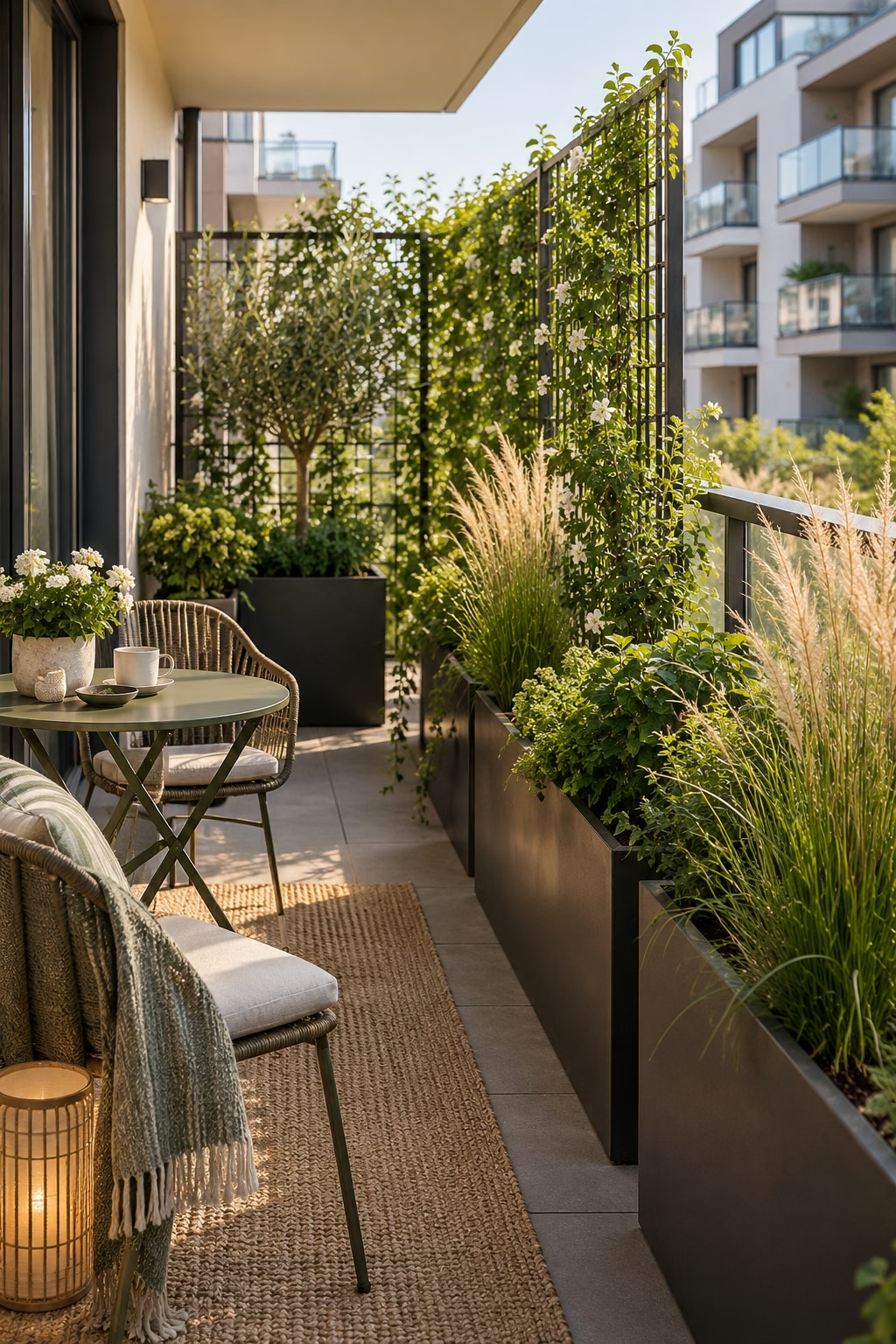
Let plants soften the view without building a permanent wall.
If neighboring balconies overlook your space, plants can provide partial privacy while keeping the balcony feeling natural.
Use one or two long planters containing upright ornamental grasses, compact shrubs, or other plants appropriate for containers in your region.
A trellis with climbing greenery can also help screen a particular sightline.
Do not automatically choose the tallest plants available. On exposed upper floors, oversized plants and lightweight containers may become difficult to manage in strong wind.
A few strategically placed plants around the seating area can often provide enough screening while keeping the balcony bright and open.
12. Plant a Mini Pollinator Garden
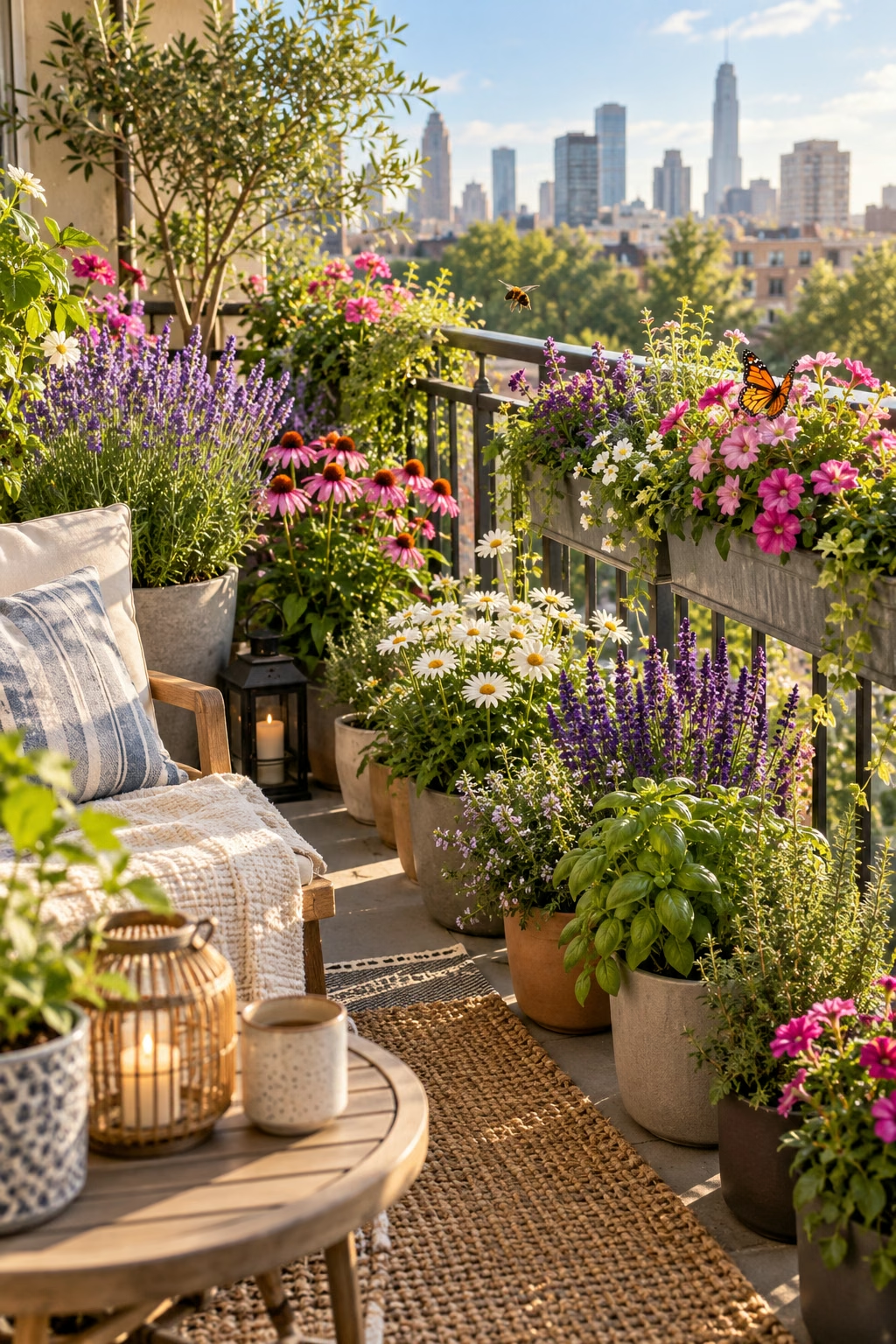
Fill a few containers with flowers that bring life to the balcony.
A balcony flower garden can offer more than decoration.
Choose container-friendly flowering plants that are useful to local bees, butterflies, or other pollinators in your area.
Instead of buying one of every flower you see, repeat several plants of the same type or color. The arrangement usually looks more intentional and can create a stronger patch of flowers.
You can also include flowering herbs such as thyme or oregano if appropriate for your climate.
Place the pollinator pots where you can see them from inside. That way, the balcony garden becomes part of your indoor view as well.
13. Design a Shade-Loving Foliage Garden
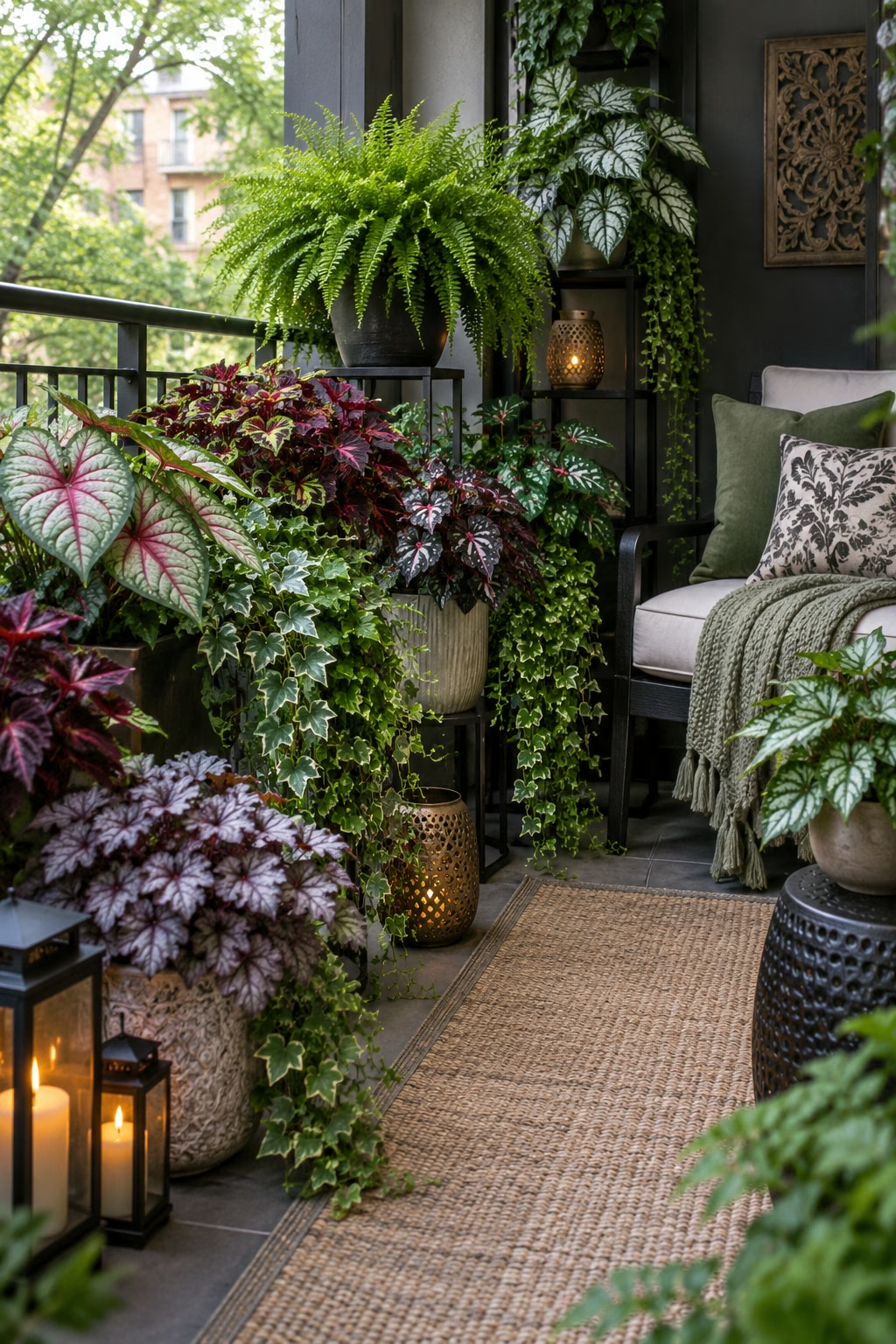
A shady balcony can still look lush and colorful.
Not every balcony receives hours of bright direct sunlight, and that does not mean you have to leave it empty.
For shaded spaces, focus more on foliage, texture, and plants adapted to lower light.
Depending on your climate and exact conditions, possibilities can include begonias, coleus, ferns, heuchera, impatiens, torenia, and other shade-tolerant container plants.
Combine different leaf sizes and colors rather than relying entirely on flowers.
A large fern paired with colorful foliage and one trailing plant can produce a rich, layered appearance.
Shaded pots may stay damp longer than containers baking in direct sun, so always check the soil before watering again.
14. Make a Sunny Succulent Garden
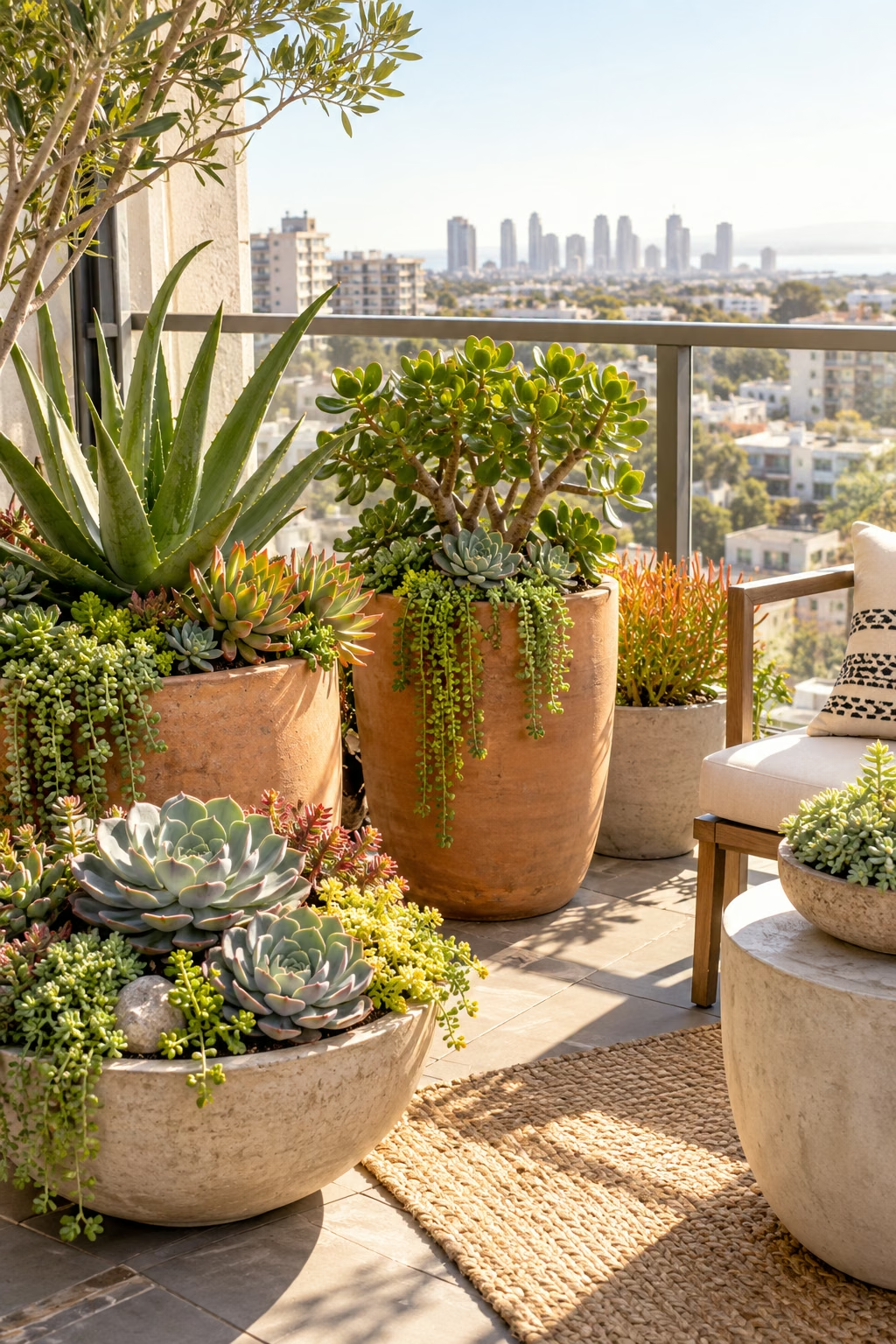
Use drought-tolerant plants for a bright, exposed balcony.
A very sunny balcony can be challenging for thirsty plants, especially when reflected heat from walls and concrete makes conditions even warmer.
Succulents can be a good option when the climate and exposure are appropriate.
Arrange several varieties in one broad planter or group individual pots together.
The different rosette shapes, leaf colors, and textures provide interest even when nothing is flowering.
Keep the design simple. Three or five substantial containers usually create more impact than dozens of tiny succulent pots.
Most importantly, use containers with drainage and a potting medium appropriate for the plants.
15. Create a Mediterranean-Style Herb Garden
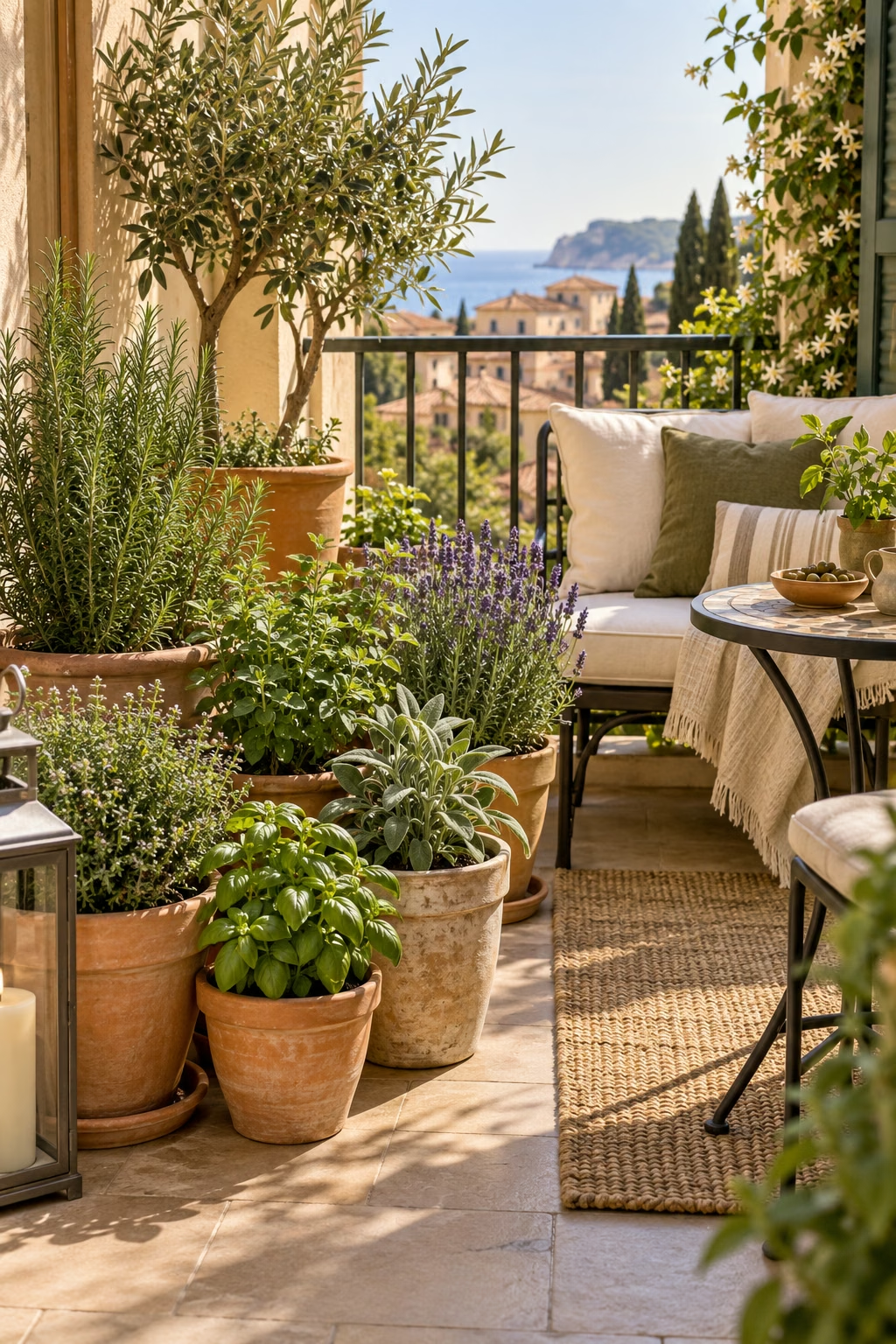
Combine aromatic herbs with simple terracotta-style containers.
For a warm, relaxed balcony look, take inspiration from Mediterranean gardens.
Rosemary, thyme, oregano, sage, and lavender are natural choices when your balcony conditions suit them.
Group the plants in weathered-looking pots and keep the color palette simple.
You can add a compact olive tree or bay plant in a container where climate and building conditions allow, although larger plants require more root space and long-term care.
The beauty of this style is that you do not need many plants.
A few aromatic herbs in attractive containers can make the balcony feel established while still leaving room for a chair and small table.
16. Make a Tiny Cottage Garden
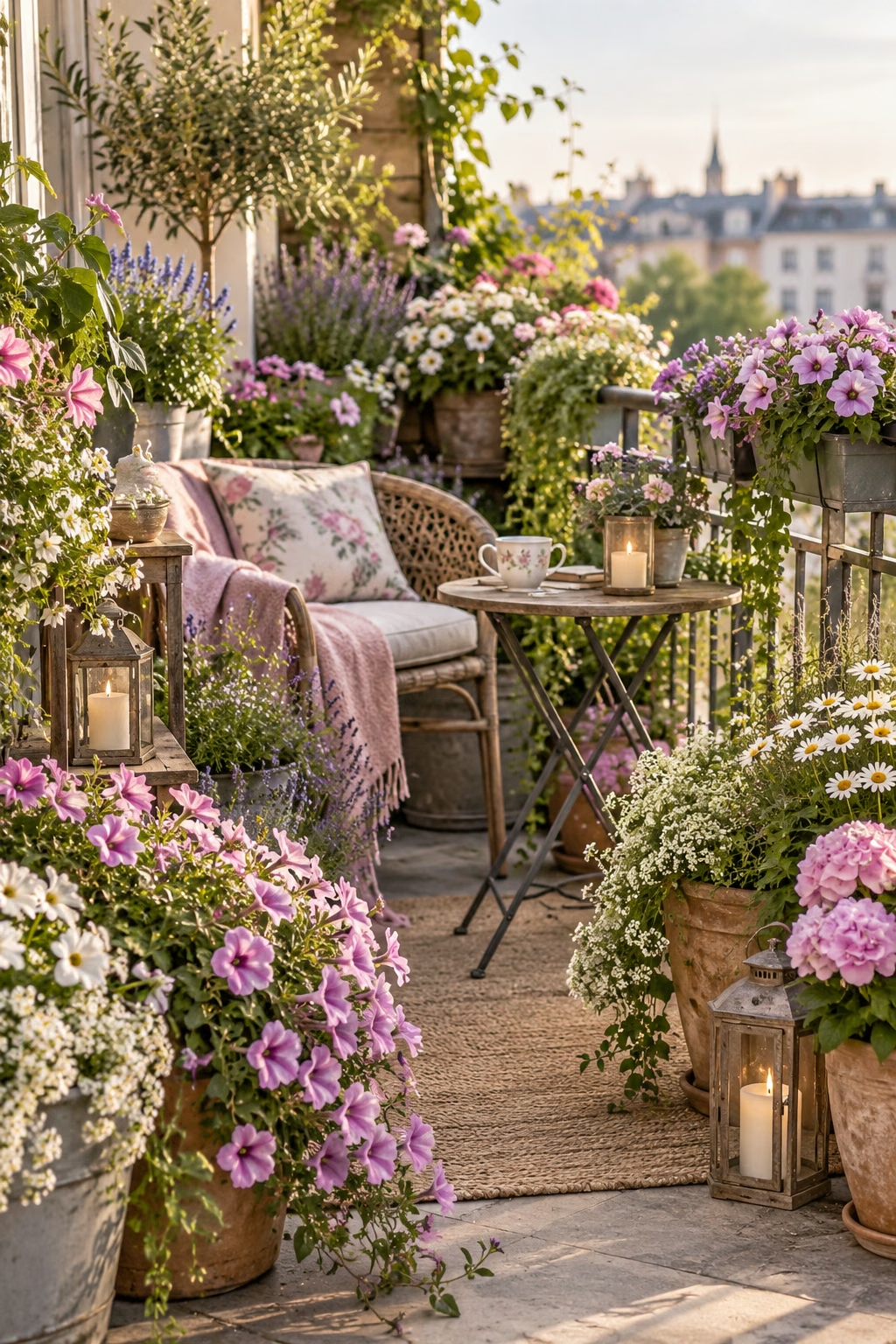
Mix soft flowers, herbs, and trailing plants for an informal look.
Cottage gardens are usually associated with overflowing flower beds, but the same feeling can be created with containers.
Use pots of different heights and mix herbs, flowers, and soft trailing greenery.
Instead of arranging everything in perfect rows, allow the containers to overlap slightly and let some foliage spill across the edges.
Choose a loose color palette such as pink, purple, white, and soft green to keep the small space visually connected.
The goal is abundance, not clutter.
Leave enough room to reach every container for watering and maintenance. Even the prettiest balcony garden becomes frustrating when half the pots are impossible to access.
17. Build a Tropical-Looking Balcony Garden
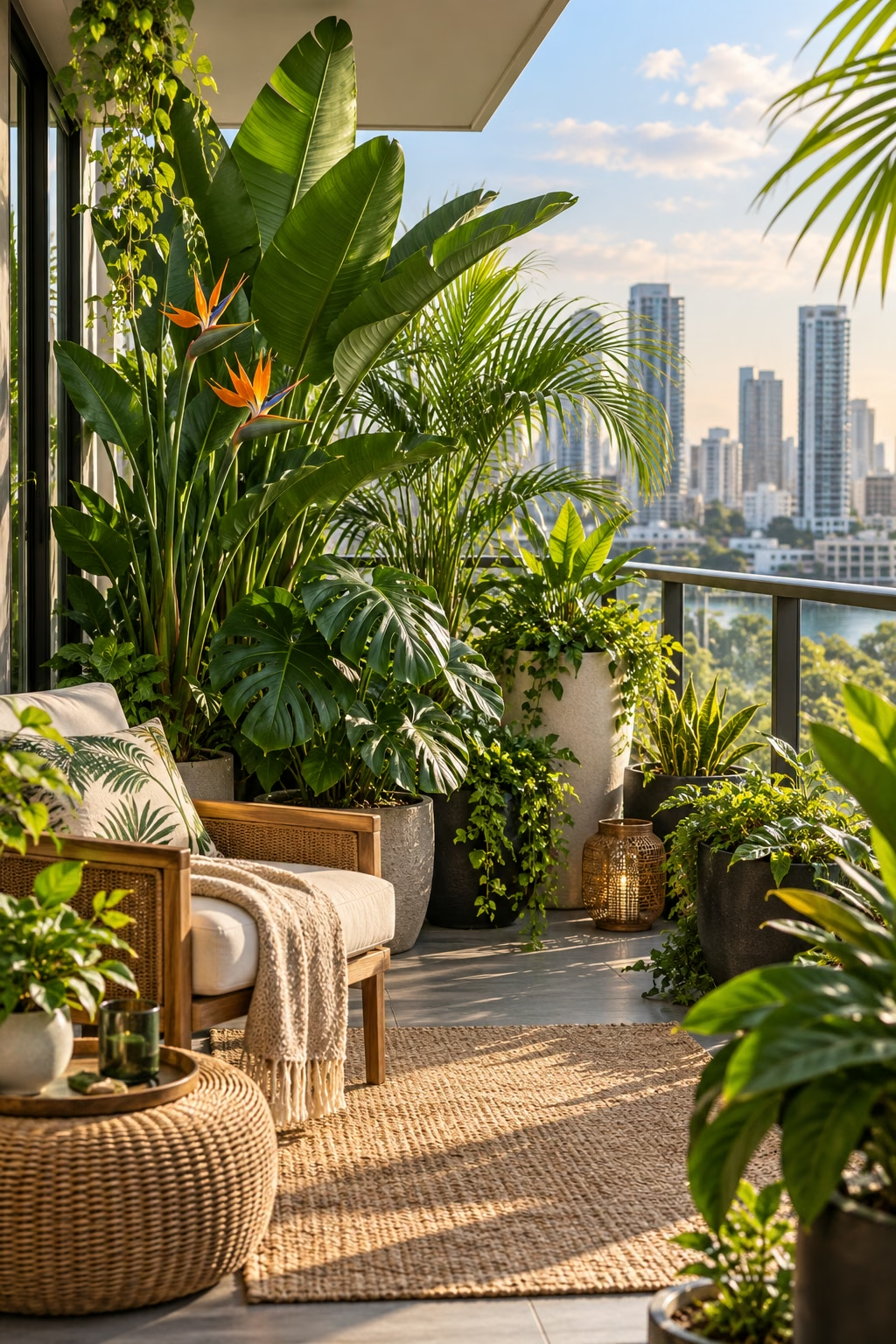
Use bold leaves to make the space feel lush.
You can create a tropical mood without filling the balcony with dozens of plants.
Start with two or three plants with large or dramatic foliage, then place smaller greenery around them.
The exact plants should be chosen for your climate, sunlight, temperature, and wind exposure.
On a protected balcony, broad-leaved foliage can make a particularly strong statement because large leaves help visually soften concrete, brick, and metal surfaces.
Keep your containers fairly neutral if the plants themselves are dramatic.
This style looks best when green foliage is the main feature rather than competing with too many decorative accessories.
18. Use Matching Pots for a Minimalist Garden
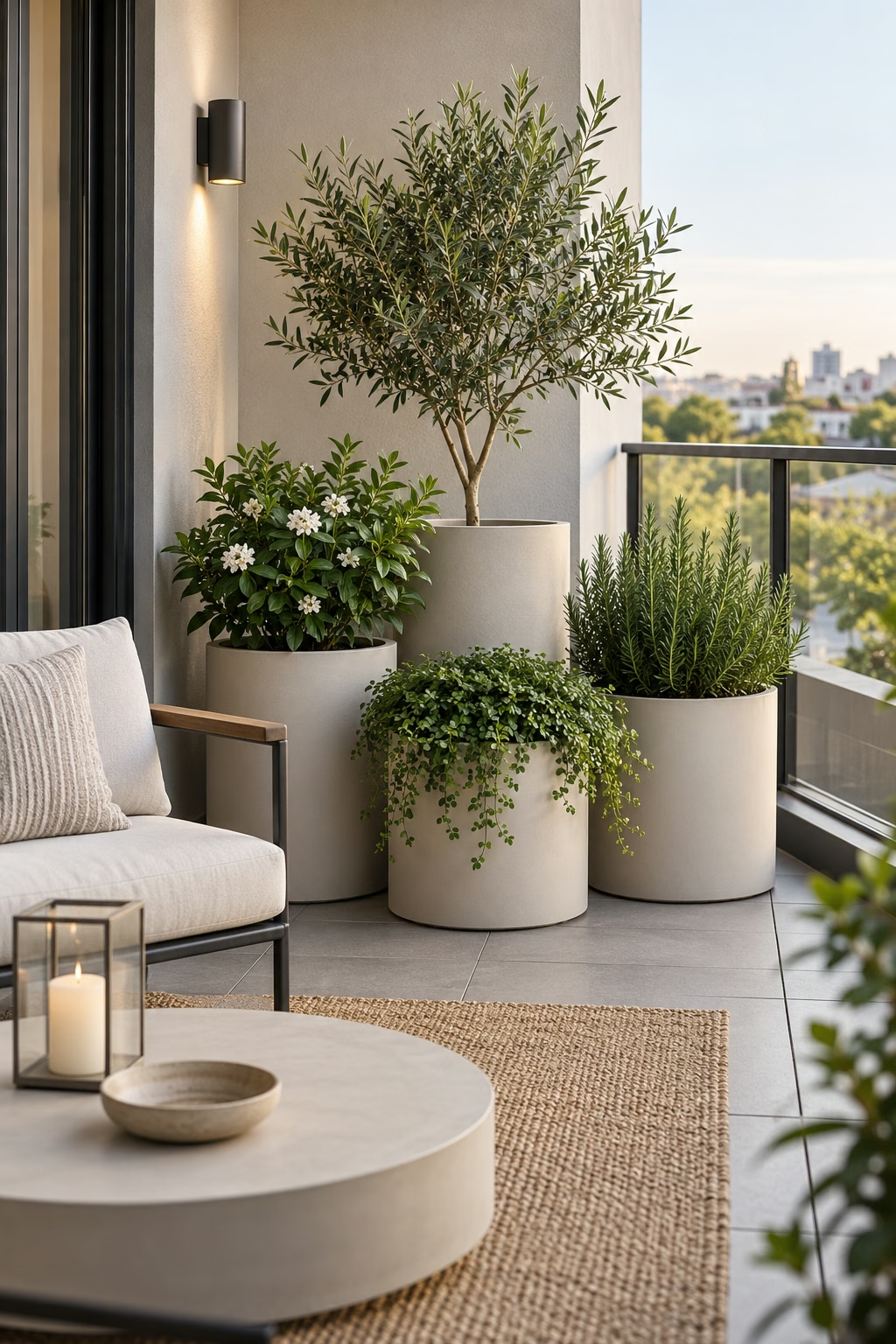
Repeat containers to make a small balcony look organized.
If you prefer a clean modern style, avoid using too many unrelated pot shapes and colors.
Choose containers from one general color family and repeat them around the balcony.
You can still grow different plants. The repeated container style ties everything together visually.
Try three large planters rather than ten tiny pots. One can hold an upright plant, another a flowering arrangement, and the third a trailing or textural plant.
This approach is also easier to maintain because there are fewer individual containers to water.
For an especially calm look, use mostly green plants with just one flowering accent.
19. Turn a Window Box Into a Mini Garden
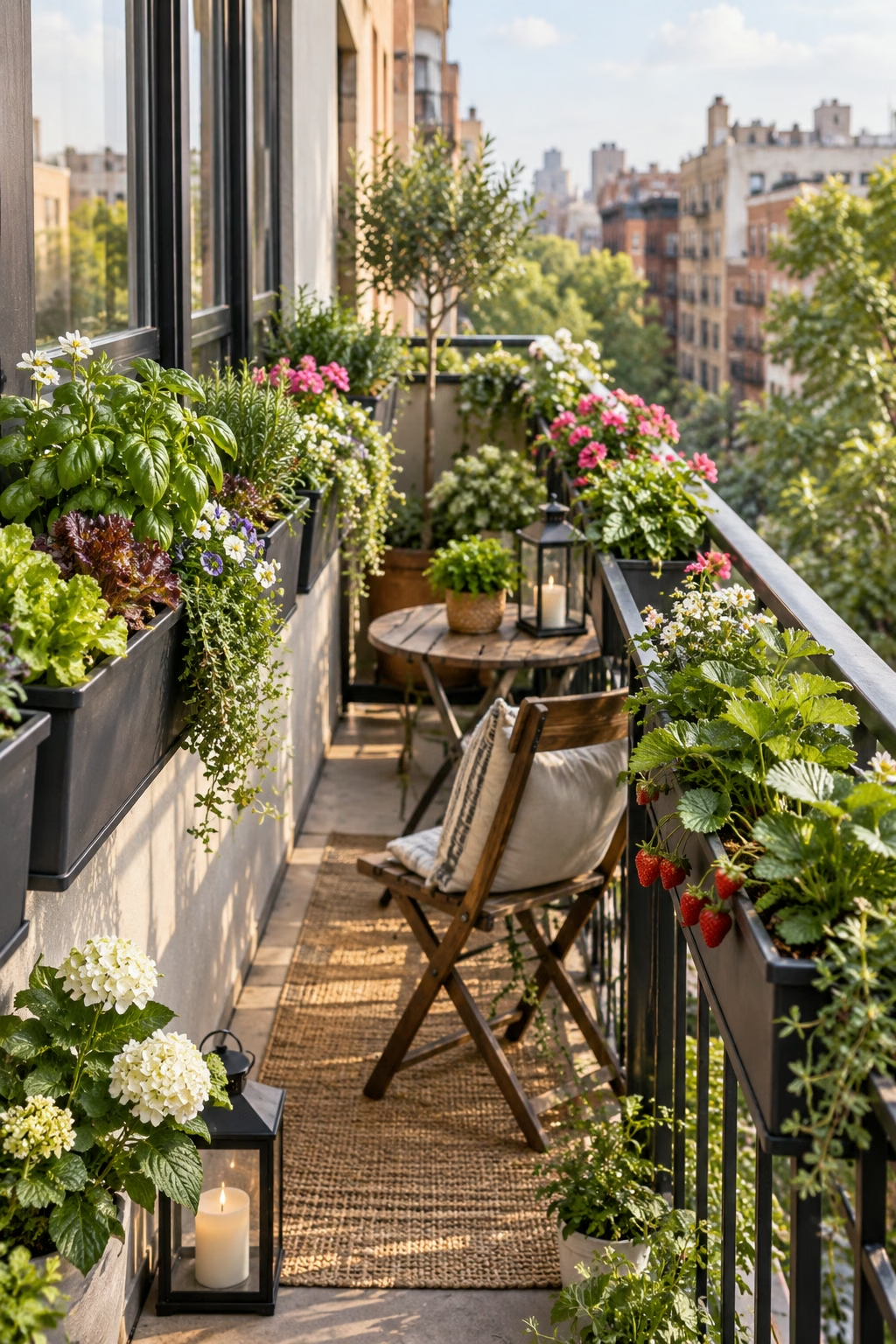
Use long narrow planters where space is extremely limited.
Window boxes are not only for windows.
Their narrow shape makes them useful along balcony walls, railings, or ledges where round pots would occupy too much space.
Use one for flowers, herbs, salad greens, strawberries, or a combination of compatible plants.
A row of two or three matching boxes can create a strong garden effect without taking over the balcony.
You can also use a window box to repeat one favorite plant instead of mixing many varieties.
Before attaching anything to a railing or exterior wall, check your rental or building rules and use a secure system designed for that location.
20. Put Your Garden on Wheels
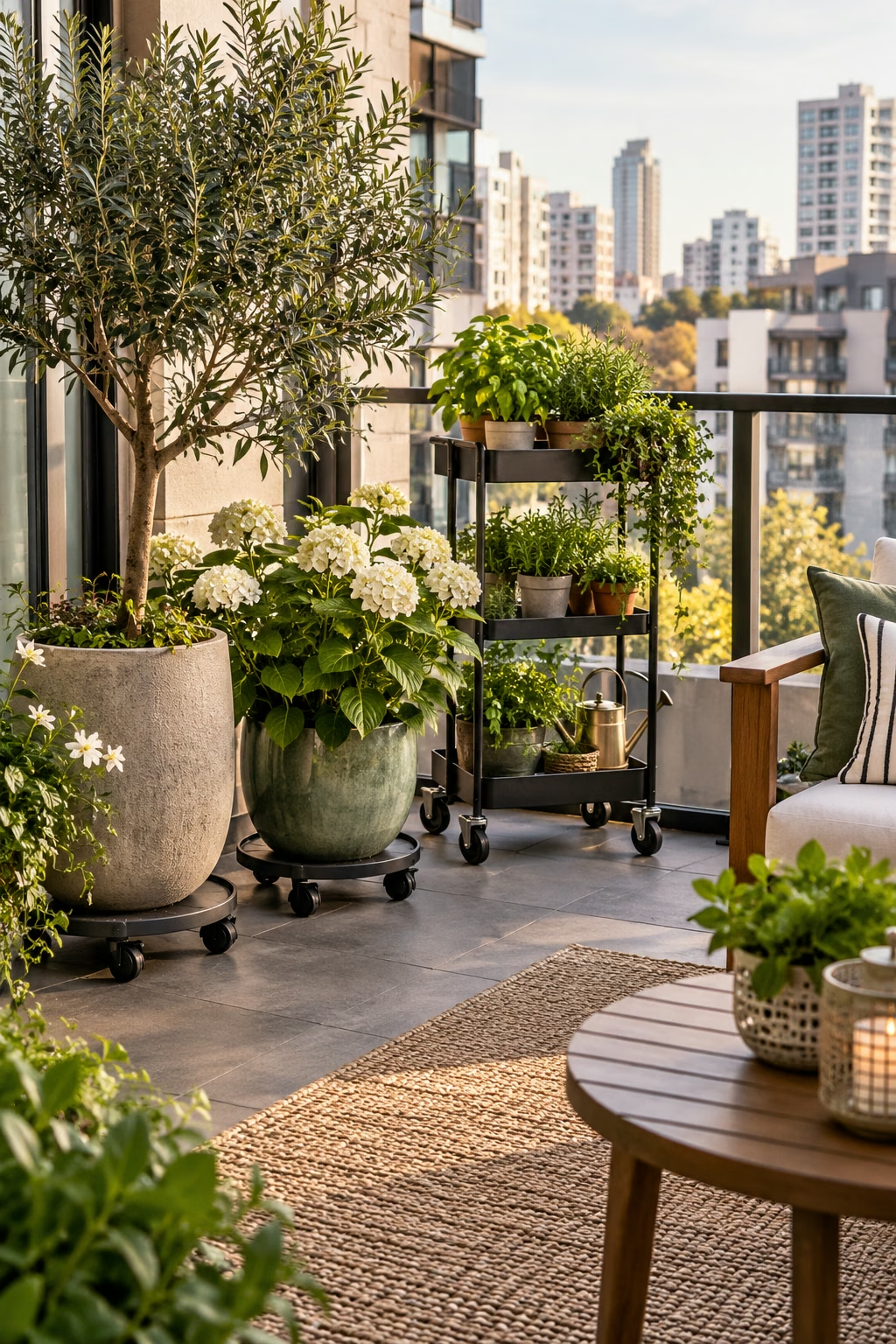
Make heavy containers easier to rearrange.
Balcony gardens change throughout the year.
A plant may need more sun, a chair may need additional space, or you may simply want to clean underneath the containers.
Rolling plant caddies or sturdy mobile stands make those changes easier.
This technique works particularly well underneath larger pots that would otherwise be difficult to move.
You can even create one movable garden station using a wheeled shelf filled with herbs and small containers.
Mobility also allows you to experiment with the layout before committing to a permanent arrangement.
Just make sure wheeled stands can be locked or otherwise kept stable, particularly on a windy balcony.
21. Use Self-Watering Planters
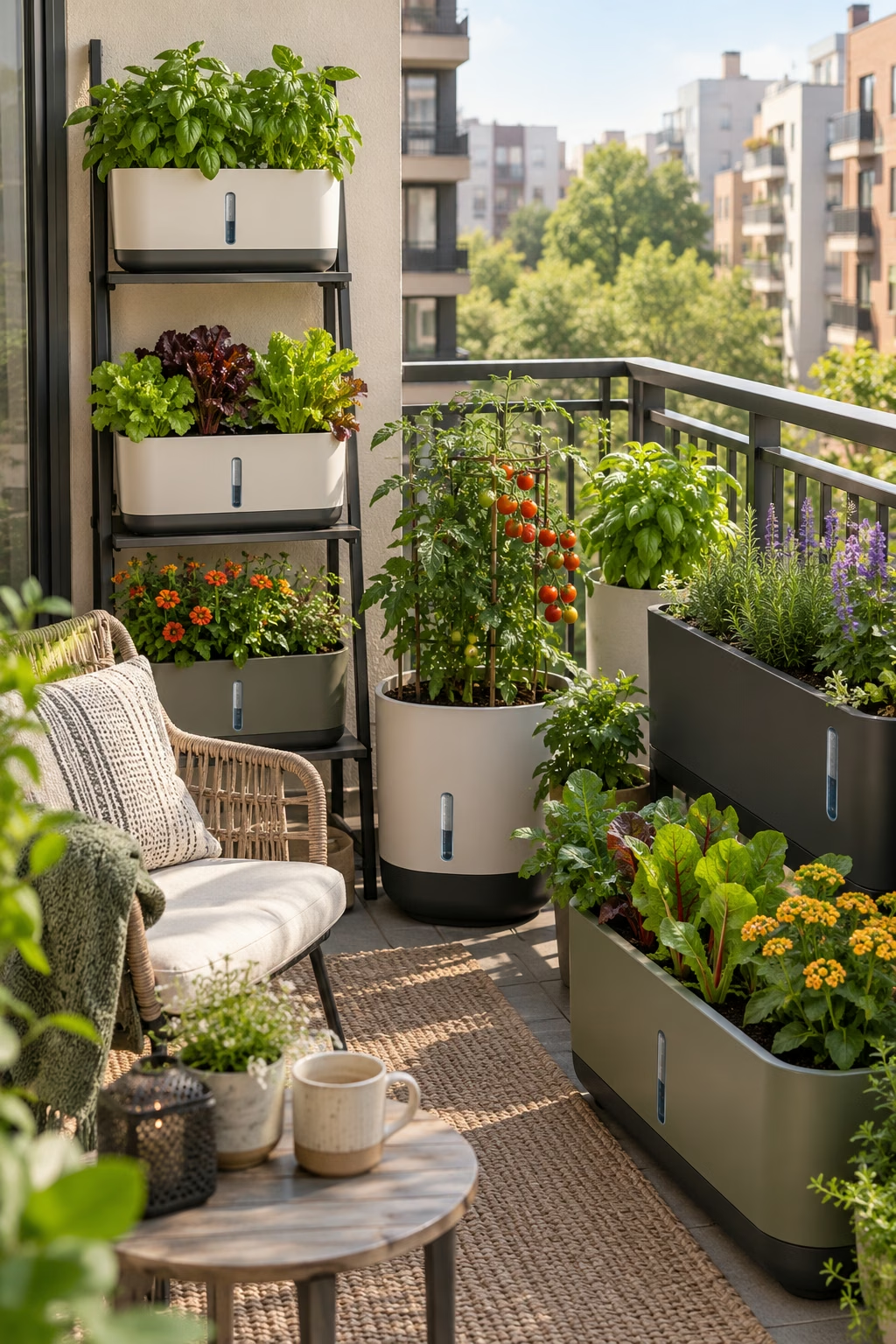
Make container gardening easier during hot weather.
Balcony containers can dry faster than garden beds because their roots have access to a limited amount of potting mix.
Self-watering planters include a water reservoir that helps maintain more consistent moisture around the roots.
They can be especially useful for vegetables, herbs, and flowers that dislike repeatedly drying out.
Try using one long self-watering container rather than several small conventional pots.
It reduces the number of individual containers you need to monitor and creates a cleaner-looking balcony.
Self-watering does not mean maintenance-free, however. You still need to monitor the reservoir, drainage, plant health, and changing weather.
22. Mix Edible Plants With Flowers
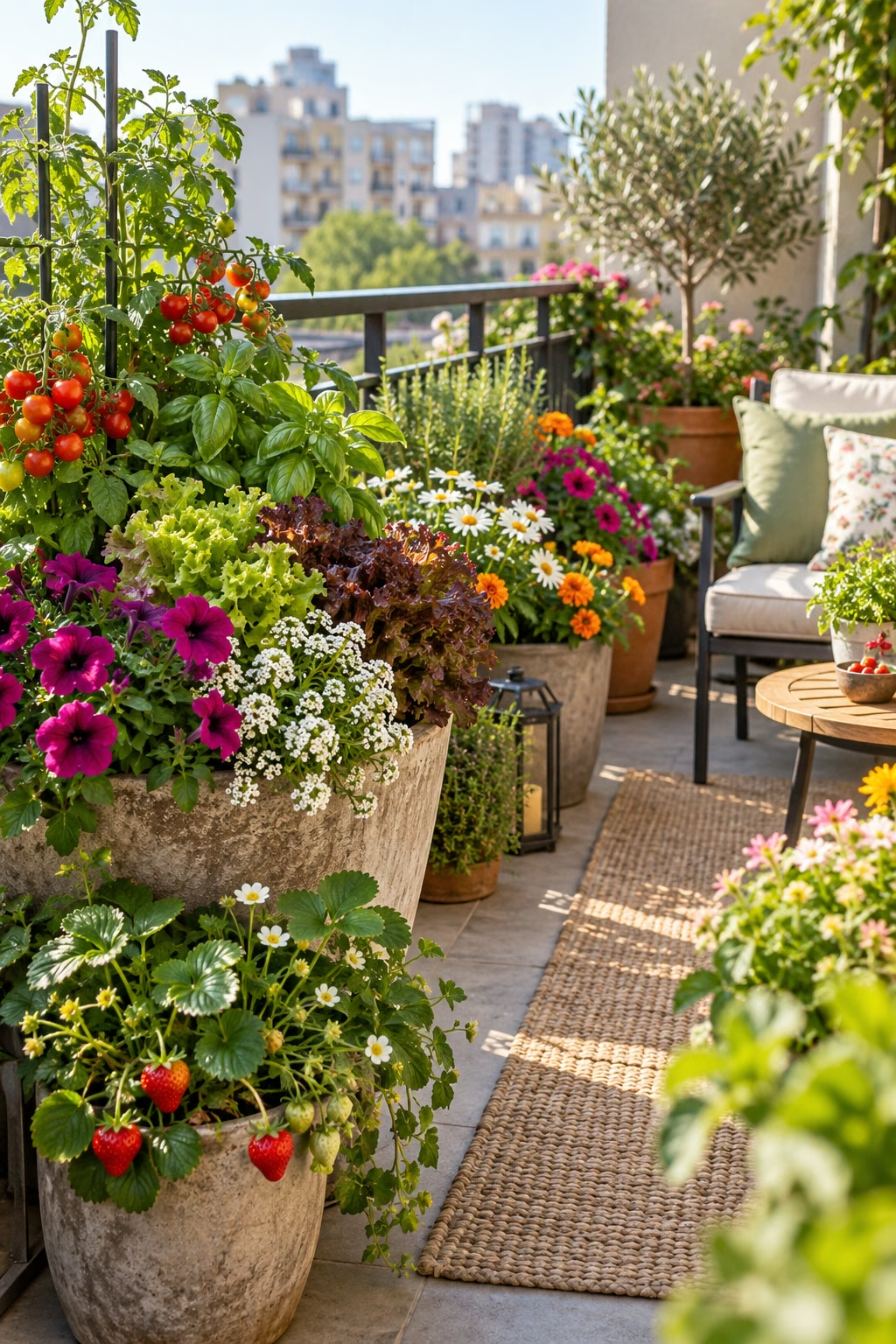
Create a garden that is both pretty and useful.
Your balcony does not have to be divided into a flower garden on one side and a vegetable garden on the other.
Edible and ornamental plants can share the same visual design.
For example, a large container might feature a compact vegetable as the main plant, culinary herbs around the middle, and a suitable trailing flower near the edge.
Another option is to place colorful lettuce beside flowering herbs or combine strawberries with small annual flowers in nearby containers.
The key is compatibility. Plants growing together should have similar needs for sunlight, moisture, and container space.
This style works particularly well on tiny balconies because every container contributes both beauty and function.
23. Create a Seasonal Container Garden
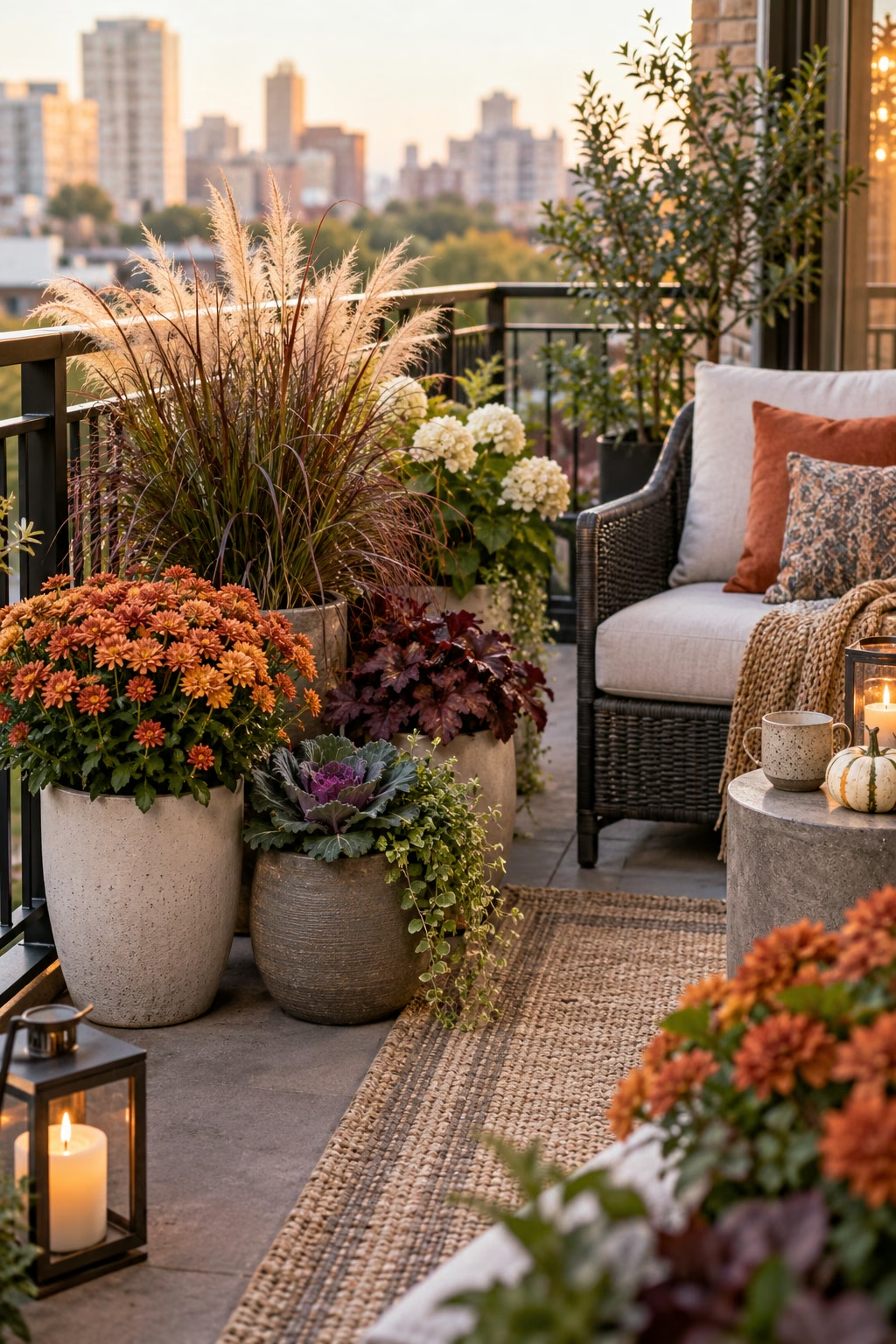
Refresh a few pots instead of redesigning the entire balcony.
A balcony garden does not have to look exactly the same all year.
Choose several permanent containers and change some of the plants as the seasons change in your climate.
Spring might bring cool-season flowers and leafy greens. Summer containers can feature warm-weather herbs and flowers. Fall can introduce foliage and seasonal color. In mild climates, some plants may continue growing through winter.
Keeping the containers while rotating selected plants is easier than buying an entirely new setup every season.
It also gives you new colors and Pinterest-worthy combinations throughout the year.
The best apartment balcony garden ideas are not necessarily the ones with the most plants. A successful balcony garden fits your available light, space, climate, and lifestyle. Start with a few containers you genuinely enjoy, use vertical space where possible, and leave enough room to sit, walk, water, and care for everything comfortably. With a thoughtful layout, even a very small apartment balcony can become a beautiful garden you look forward to using every day.