The best backyard garden ideas give you a reason to step outside. Maybe that’s picking a handful of herbs for dinner, watching birds splash in a birdbath, or settling into a chair surrounded by flowers. You don’t need to redesign the whole yard to make any of those moments happen.
Start by choosing what you want your garden to do. A sunny corner could become a vegetable patch. An overlooked shady spot could be your favorite place to sit. Even a paved patio can hold a generous collection of plants.
Before buying anything, notice how sunlight moves across the yard and where water collects after rain. Match plants to those conditions, your local climate, and the space they’ll need when fully grown. Then borrow one or two of these ideas and make them your own.
1. Start a Raised-Bed Vegetable Garden
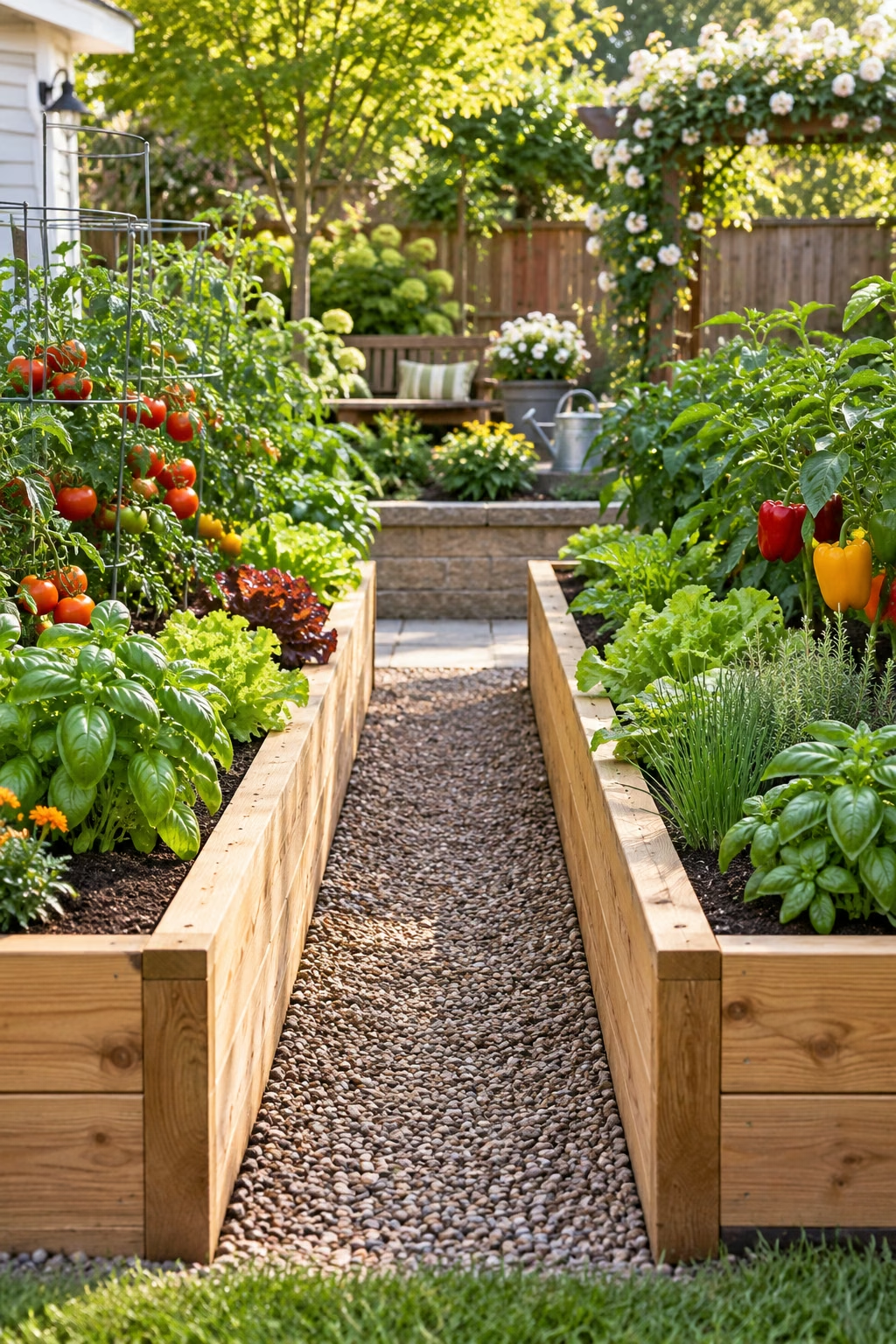
Picture two tidy beds filled with vegetables you actually enjoy eating, with a clear path between them. That is a more useful starting point than a huge vegetable plot that becomes difficult to keep up with. Keep the beds narrow enough to reach the middle without stepping on the soil.
Choose a sunny location close to water. Crops such as tomatoes and peppers generally need six to eight hours of direct sunlight. Fill the beds with a suitable soil-and-compost blend, and leave room for mature plants rather than squeezing in every seedling at the nursery.
2. Plant a Cottage-Style Flower Border
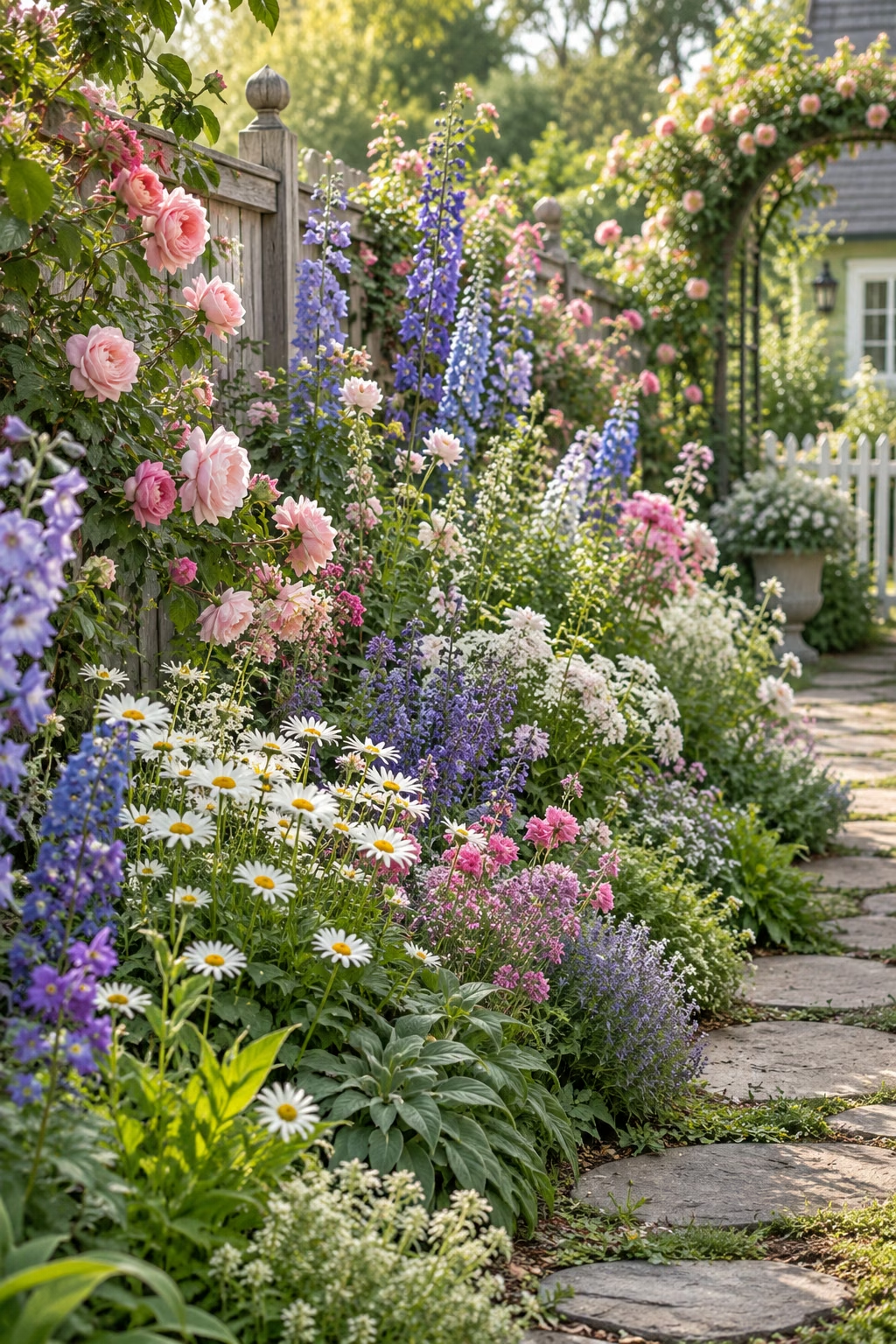
For a backyard that feels soft and welcoming, try a flower border with a slightly relaxed outline. Imagine roses rising above smaller flowering plants, with taller blooms adding height toward the back. Repeat a few favorite plants instead of buying one of everything.
You can keep the look romantic without letting it become chaotic. Choose a loose color theme, such as pink, purple, and white, and give the bed a clear edge. Select plants that suit the site’s sunlight and soil, and leave growing room even when the newly planted border looks a little sparse.
3. Make a Gravel Seating Nook
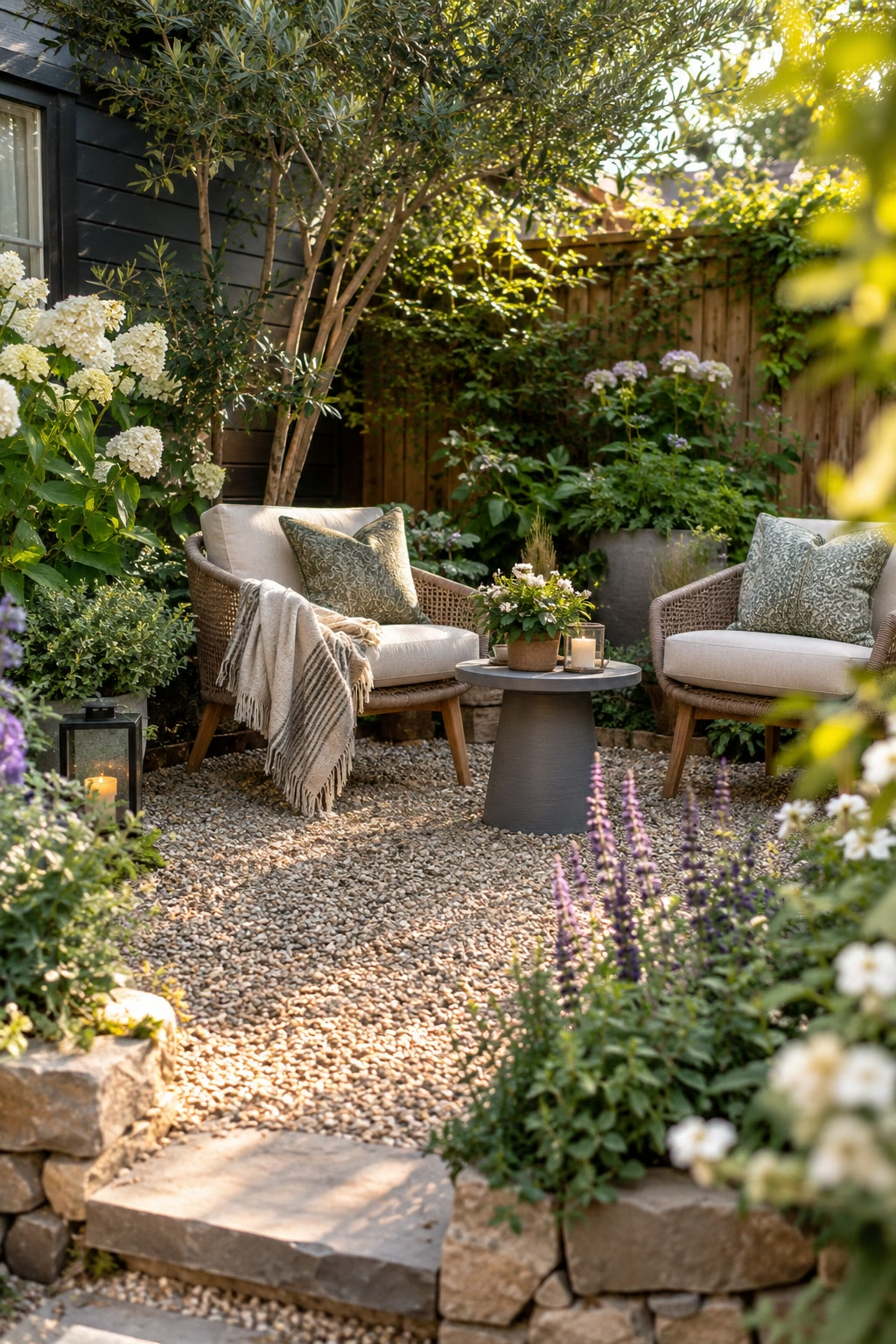
A pair of chairs, a small table, and planting around the edges can turn an unused corner into a destination. Keep the seating area modest so the garden, rather than the furniture, remains the main attraction. Gravel offers an informal finish that pairs nicely with stone, wood, and simple pots.
Plan a firm, properly prepared surface and choose gravel suitable for walking and furniture. Test a chair before committing to a loose material that lets its legs sink. Where smooth access matters, use solid paving for the seating pad or main approach and keep gravel around the planted edges.
4. Turn a Shady Corner Into a Woodland Garden
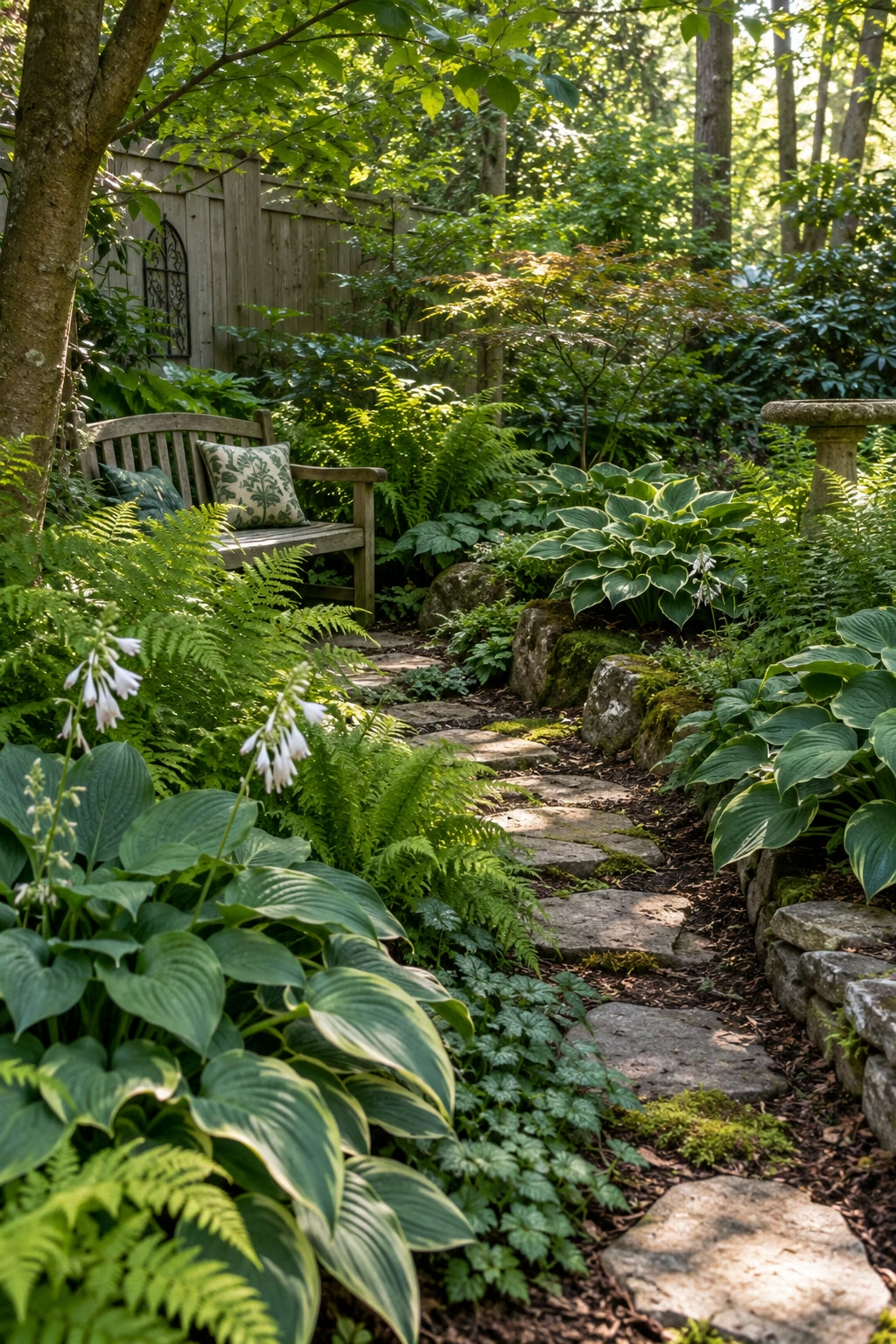
Instead of trying to make a dim corner behave like a sunny flower bed, give it a woodland feel. Combine broad leaves, delicate fern fronds, and a quiet path leading to a bench. The contrast between leaf shapes can be just as appealing as a border full of blooms.
Check whether the shade is dry or moist before choosing plants. Ground beneath established trees can be surprisingly dry because of root competition. Look for shade plants suited to that exact situation, and avoid digging heavily around existing tree roots simply to fit in a new design.
5. Grow a Native Pollinator Garden
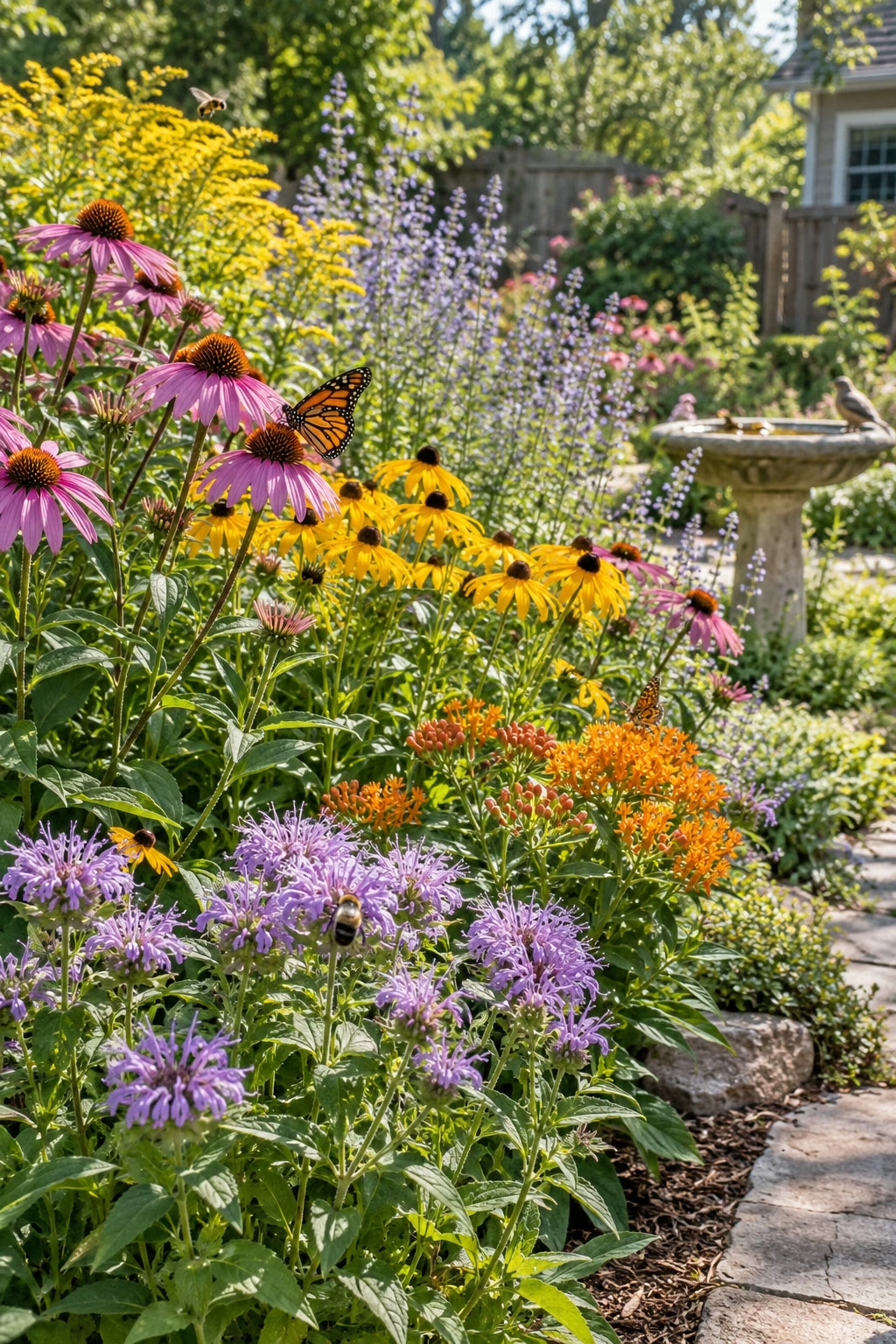
Set aside a bed where flowers do more than look pretty. Choose plants native to your region and arrange several of each together for a more cohesive display. Aim for overlapping flowering periods so the garden offers something beyond one brief burst of color.
Think about the whole insect life cycle, too. Butterfly caterpillars need suitable host plants, not just nectar flowers for the adults. Your local extension service or a regional pollinator plant guide can help you choose appropriate species. Match those plants to your soil and sunlight rather than assuming every native plant will thrive anywhere.
6. Use Large Pots for a Patio Garden
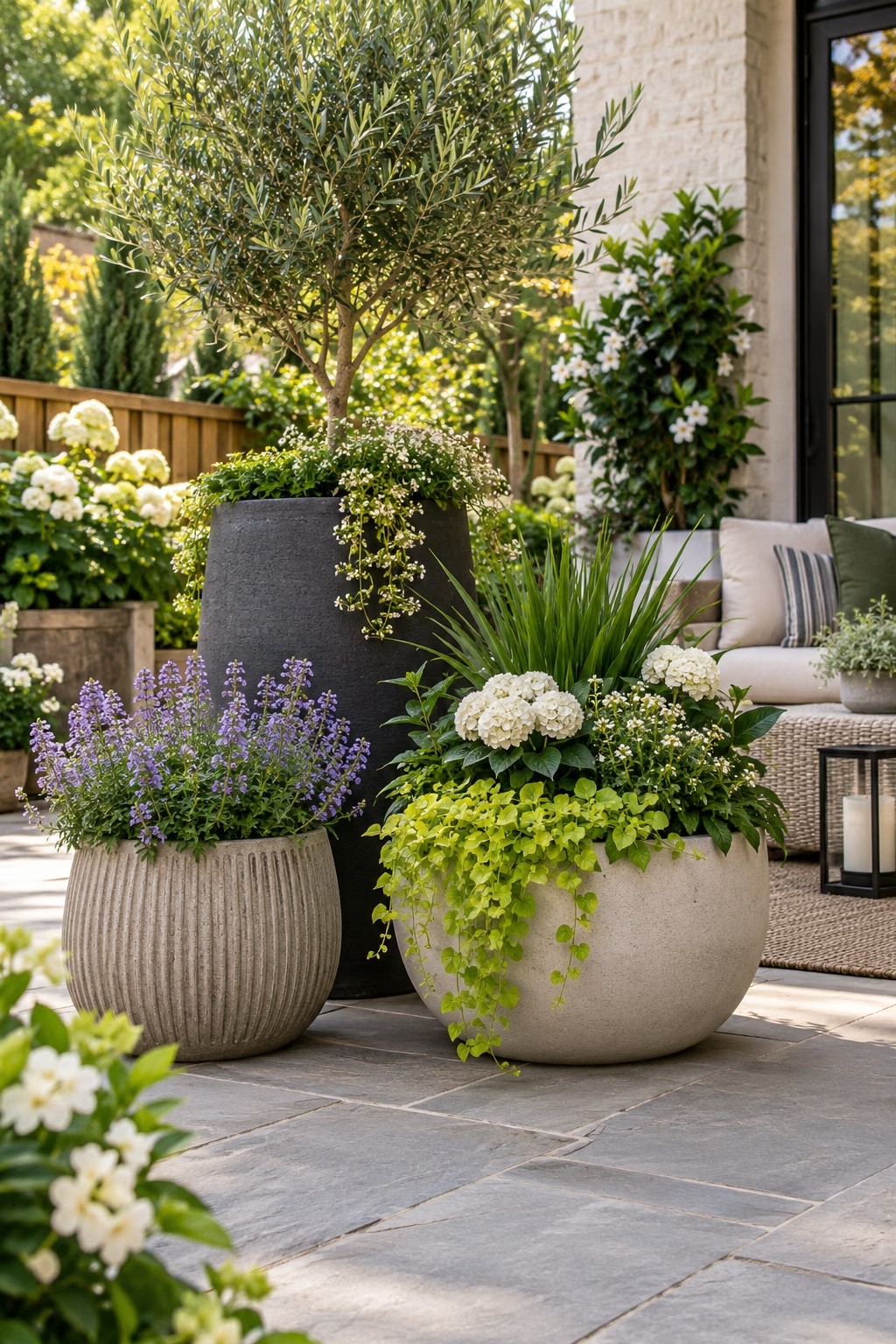
A paved backyard can still feel wonderfully green. Start with a few substantial containers instead of lining every edge with tiny pots. Try one tall plant for height, a rounded plant beside it, and something softer near the front. Repeating one pot material will tie the group together.
Choose containers sized for the plants’ roots, with drainage holes and a suitable potting mix. Place them before filling them because wet pots can be heavy. Leave yourself space to water and move around the patio, and check moisture regularly during hot weather.
7. Grow Climbing Vegetables on Trellises
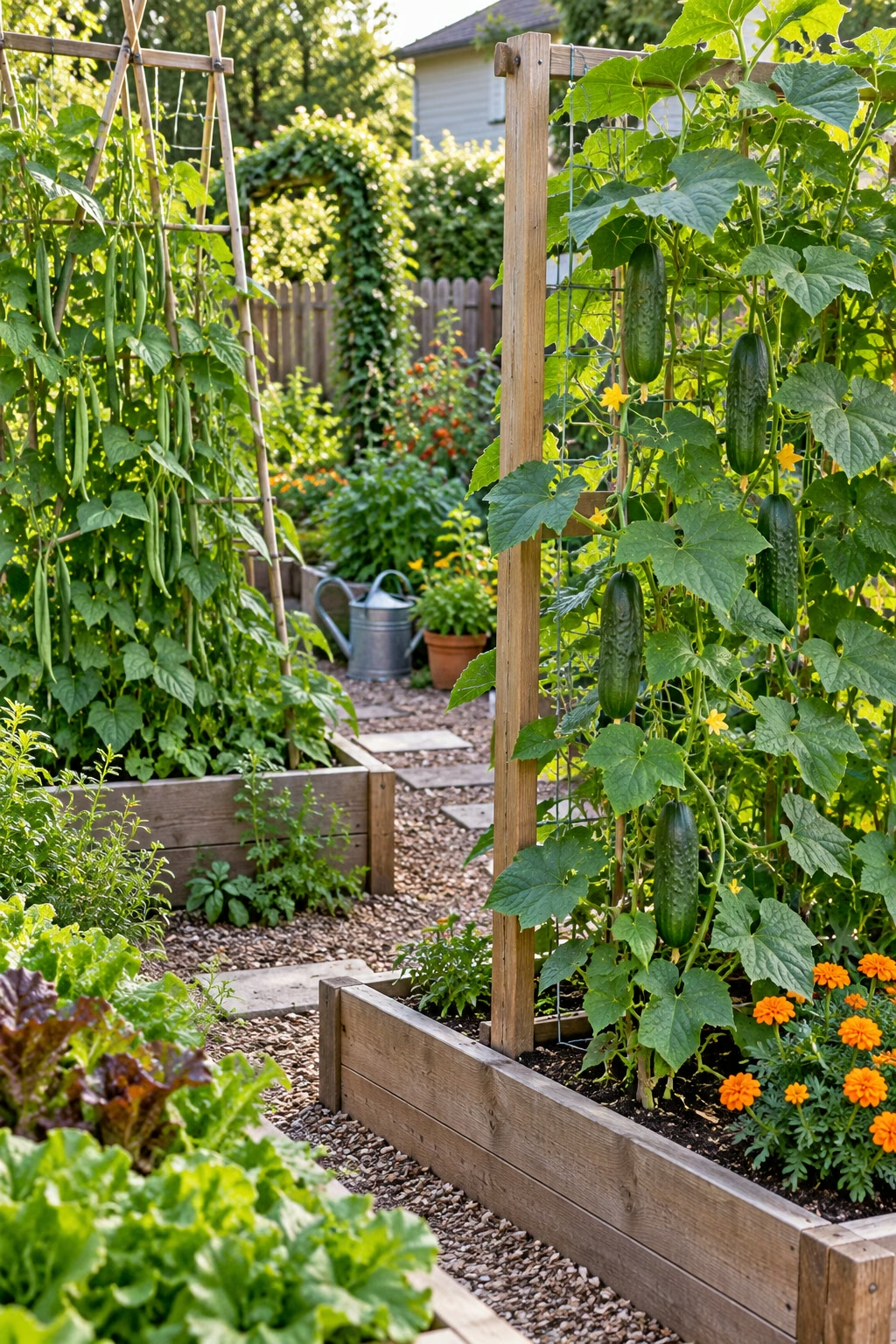
Give climbing crops somewhere to go, and an ordinary vegetable patch gains a whole new layer. Pole beans, climbing peas, and suitable cucumber varieties can grow on sturdy trellises rather than spreading across the ground. An arch between two beds can make the entrance feel especially inviting.
Install supports before the plants become large, and choose a structure that can handle mature growth, wind, and the crop’s weight. Keep the picking height manageable. A simple upright panel may be more useful than a dramatic tunnel when you only need space for a few climbing plants.
8. Frame a Path With a Flower-Covered Arch
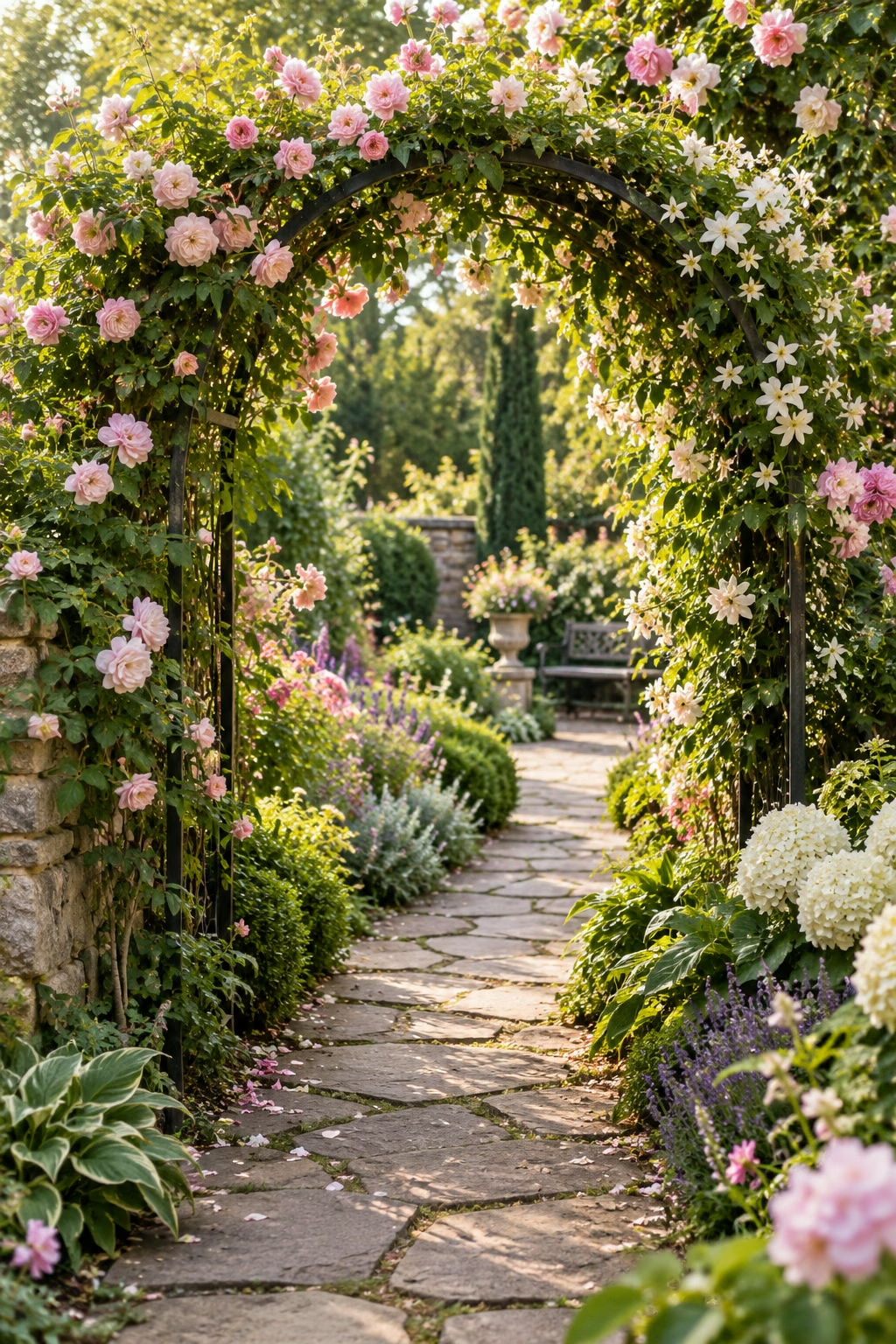
An arch gives a backyard a clear sense of arrival. Place one where a path enters the garden or where you move from the patio into the planting area. A flowering climber can soften the frame while making the space beyond feel worth exploring.
A climbing rose or a suitable clematis could work, depending on your climate and sunlight. Choose the support for the plant’s eventual size, not its size in the nursery pot. Leave plenty of headroom and keep side growth out of the walkway so the pretty entrance stays comfortable to use.
9. Keep a Culinary Herb Garden by the Back Door
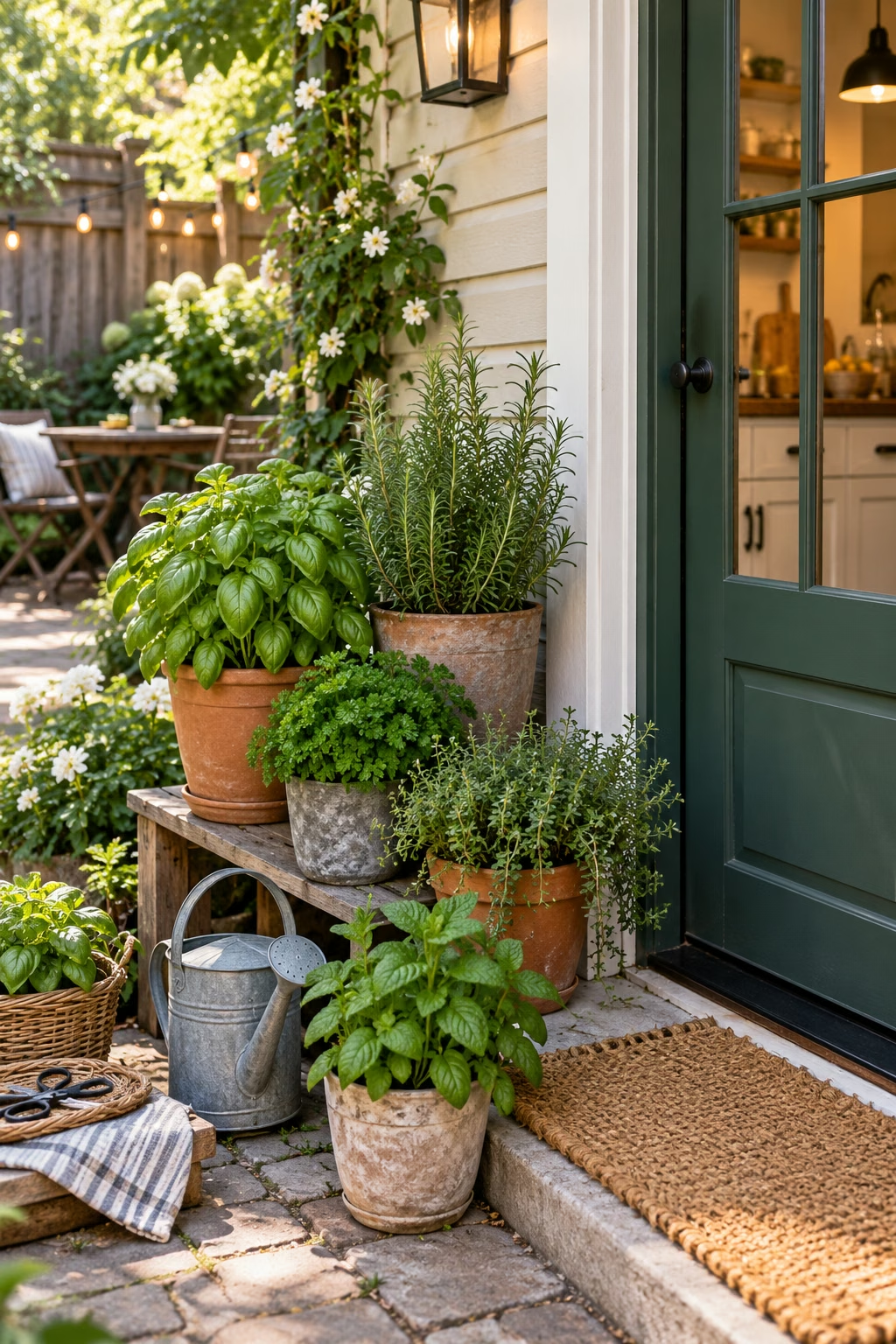
The most useful herb garden is the one you remember to harvest. Put a small bed or a collection of pots close to the kitchen door, then start with herbs you regularly cook with. A few well-used plants are more satisfying than an impressive collection you never touch.
Give different herbs the conditions they need. Rosemary and thyme favor good drainage, while basil and parsley should not be treated as drought-loving plants. Separate pots make those differences easier to manage. Keep vigorous mint contained, and leave a convenient spot to stand while you snip dinner’s finishing touches.
10. Add a Stepping-Stone Path Through Planting
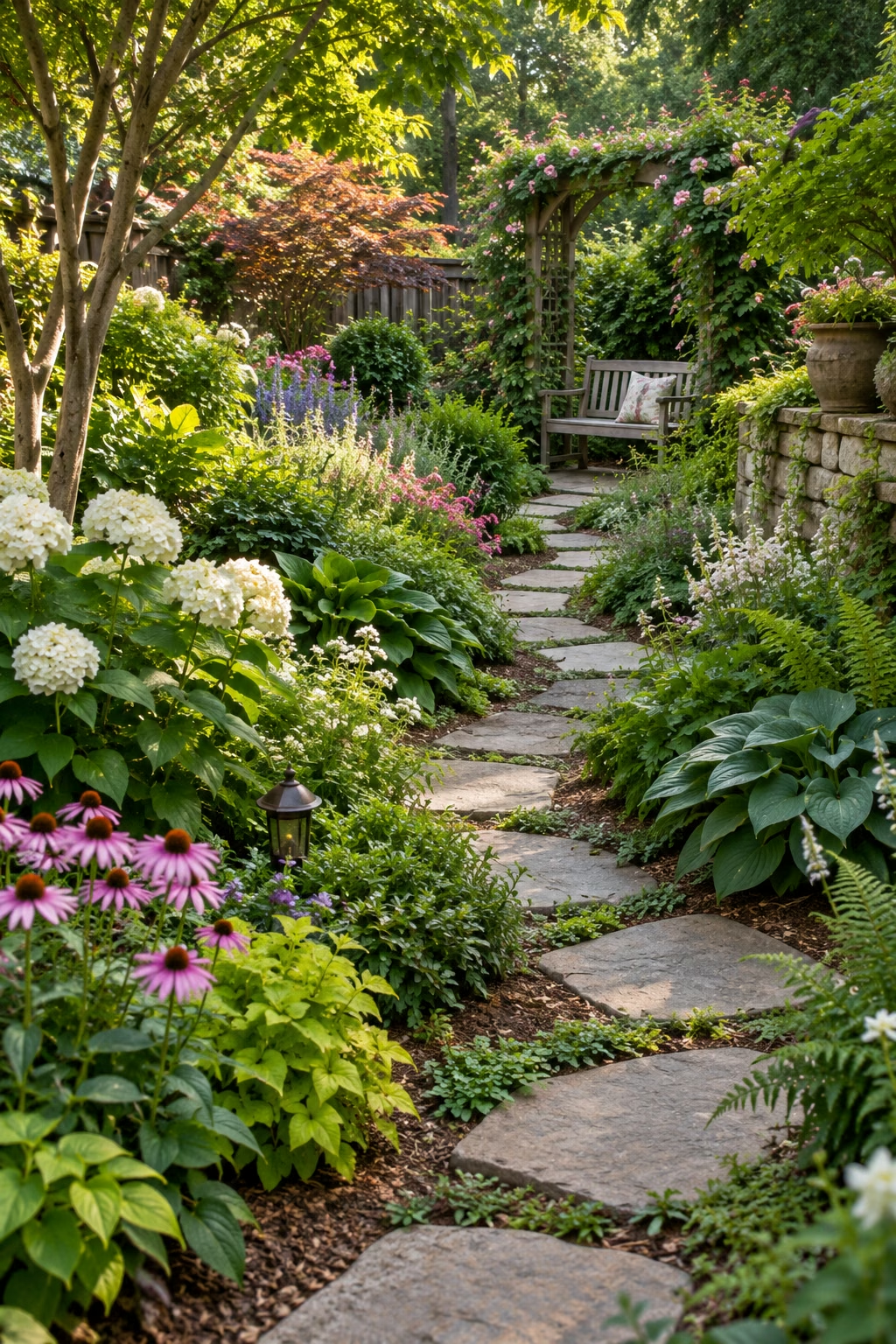
A short stepping-stone path can make a flower bed feel like somewhere to explore rather than something to look at from the lawn. Let the route lead to a real destination, such as a bench, potting corner, or back gate. A gentle curve is enough; it does not need to wind around every plant.
Lay stones securely and test the spacing with your normal stride. Keep their surfaces clear of encroaching plants and slippery buildup. For a main route used by wheelchairs, walkers, or frequent wheelbarrow trips, choose a continuous, firm path instead of separated stepping stones.
11. Create Privacy With Layered Plants
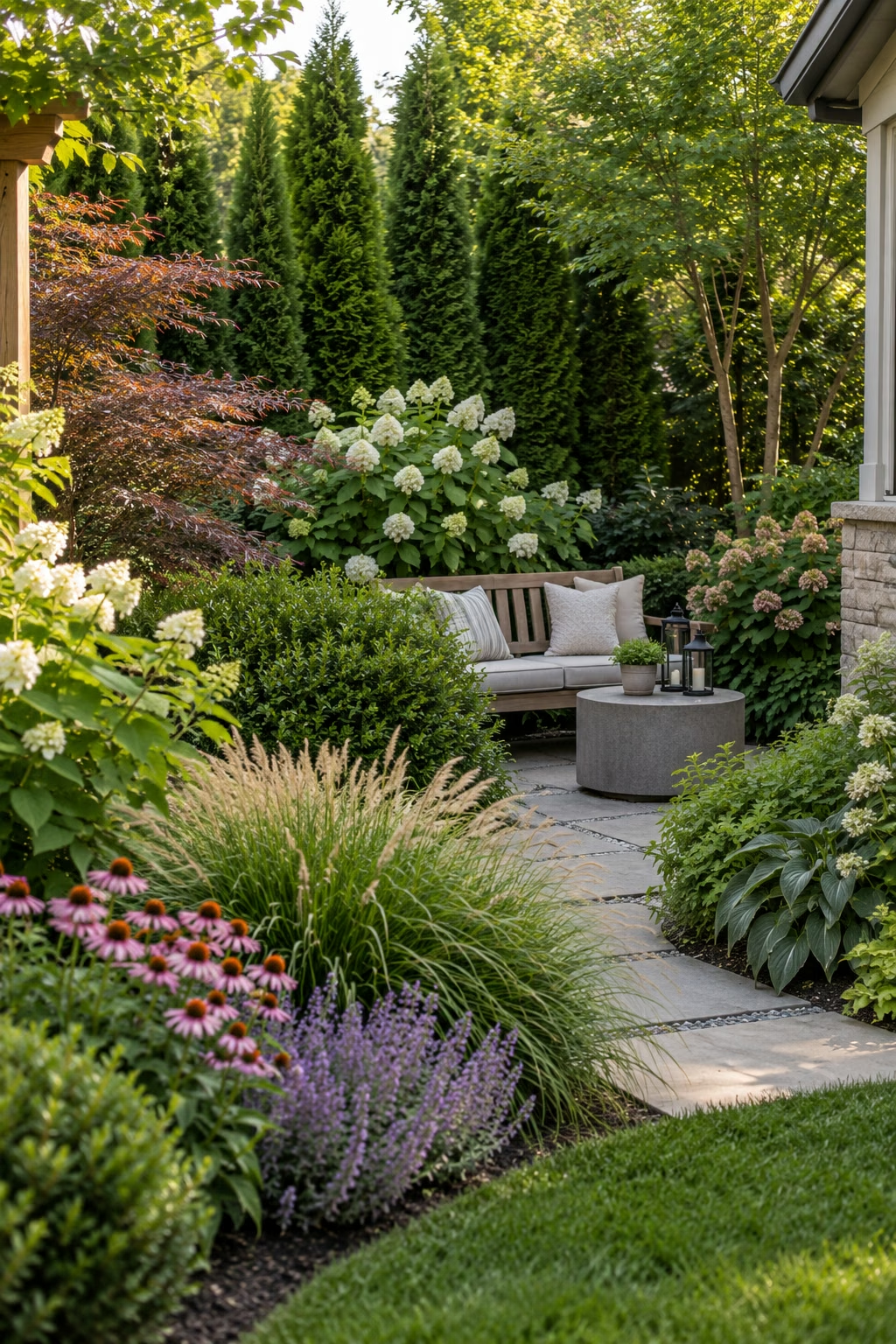
A planted boundary can feel softer than a bare fence. Instead of relying on one enormous hedge, consider taller screening plants at the back, medium shrubs in front, and lower planting along the edge. Leave enough depth for the layers to grow without crowding each other.
Start by identifying the view you actually want to screen. You may need privacy beside a seating area rather than around the entire yard. Check mature height and width carefully, and include evergreen plants where year-round coverage matters. Fast growth is not much of a bargain when it creates constant pruning.
12. Design a Garden Dining Area Under a Pergola
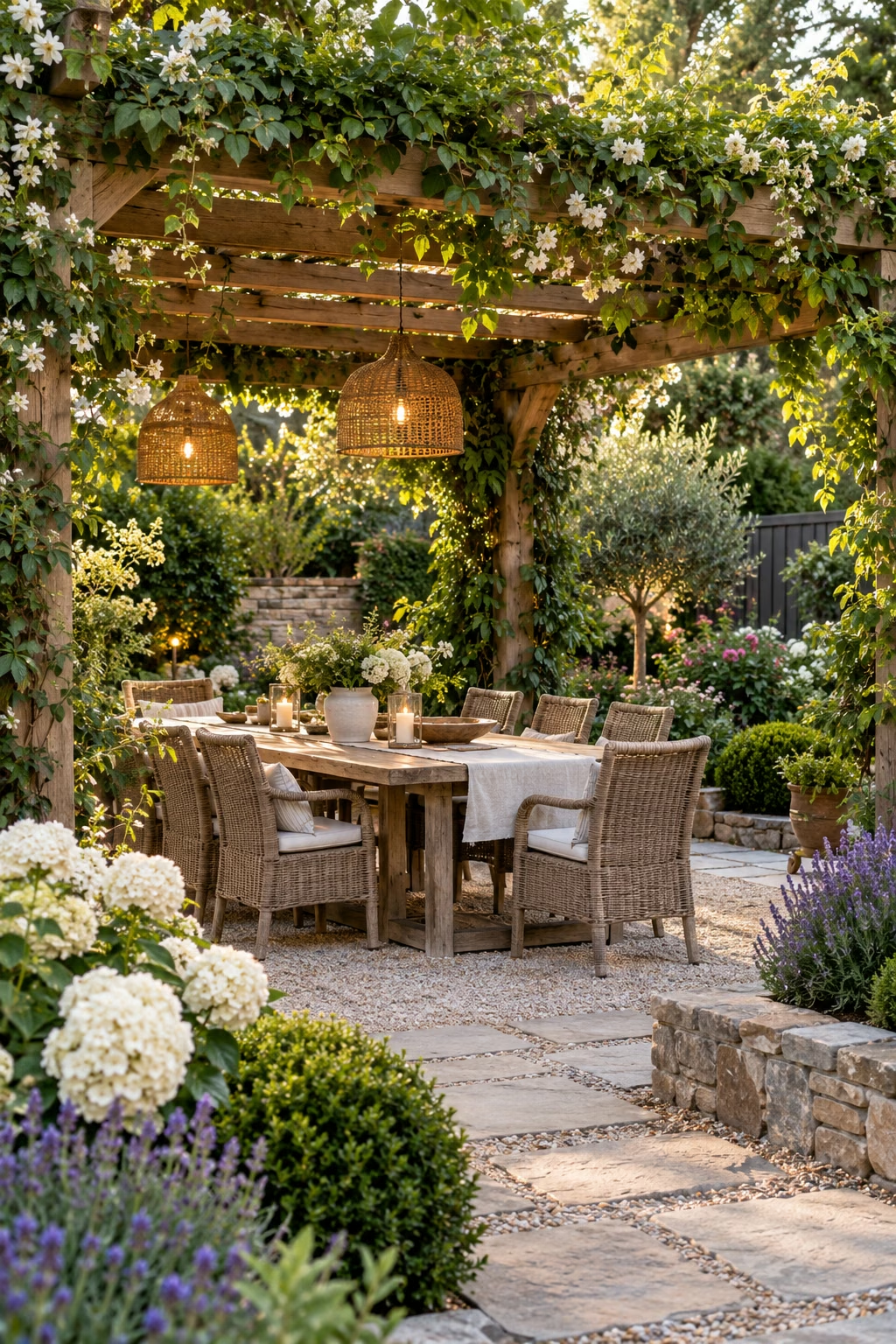
A pergola can make an outdoor table feel like part of the garden rather than furniture left in the yard. Position the dining area where carrying food outside is easy, then soften the structure with nearby beds or suitable climbers. Keep the view from the table in mind as you plant.
Allow enough space to pull out chairs without stepping into a flower bed. A pergola’s shade changes with its design, the sun’s angle, and the amount of foliage, so don’t assume an open frame provides full shade. Use a properly designed structure for the weight of mature climbing plants.
13. Add a Mini Wildlife Pond
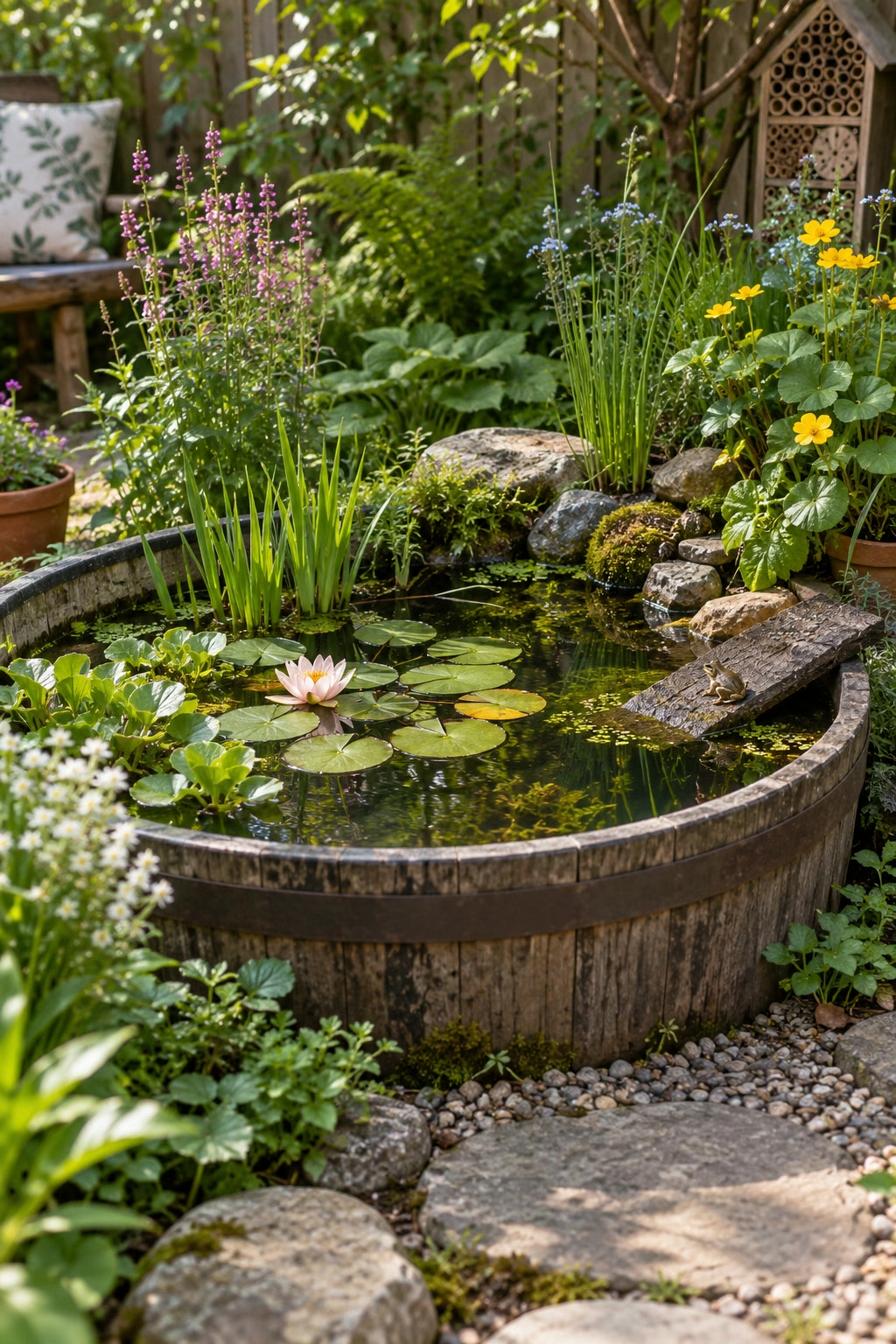
A watertight tub or half-barrel can introduce a small pocket of water without a full pond excavation. Place it where you can watch it, add a few compact aquatic plants, and leave some water visible rather than packing every inch with foliage.
Choose a position with some sun but not relentless all-day heat. Provide a secure ramp or sloping stones so wildlife can get in and out, and keep up with water levels and cleanup. Even a small container pond is a hazard for young children, so make safe placement and restricted access part of the plan.
14. Build a Bird-Friendly Garden Around a Birdbath
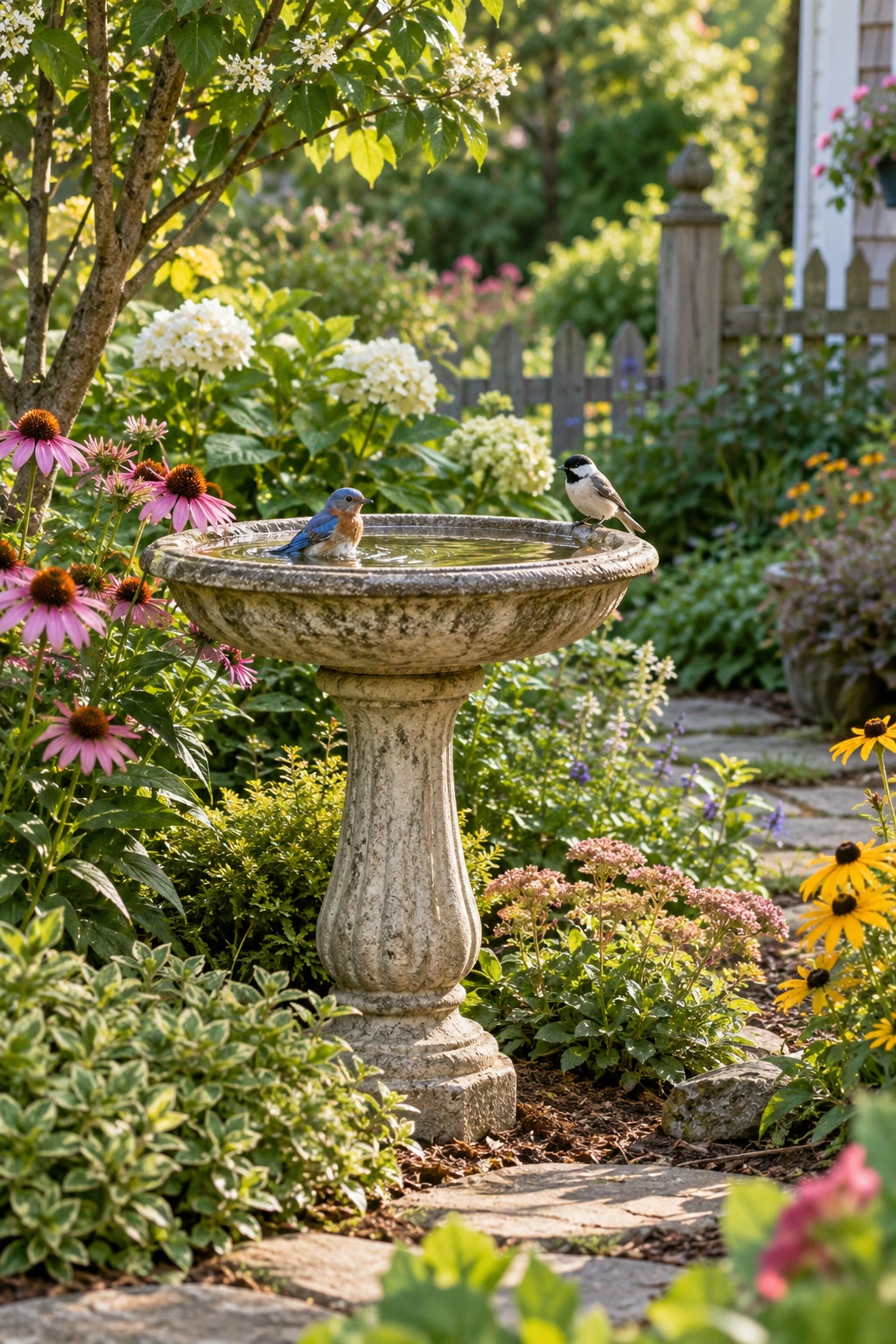
A simple birdbath can become the focal point of a small planted bed. Frame it with low flowers or foliage, and position a chair or an indoor viewing spot nearby. The bath does not have to be ornate; a stable, shallow basin is the useful part.
Give birds secure footing and keep the water shallow. Place the bath near shelter without tucking it into dense cover where cats can hide. Refresh the water frequently and clean the basin regularly. A birdbath that is easy for you to reach is much more likely to receive the care it needs.
15. Plant a Cut-Flower Garden for Fresh Bouquets
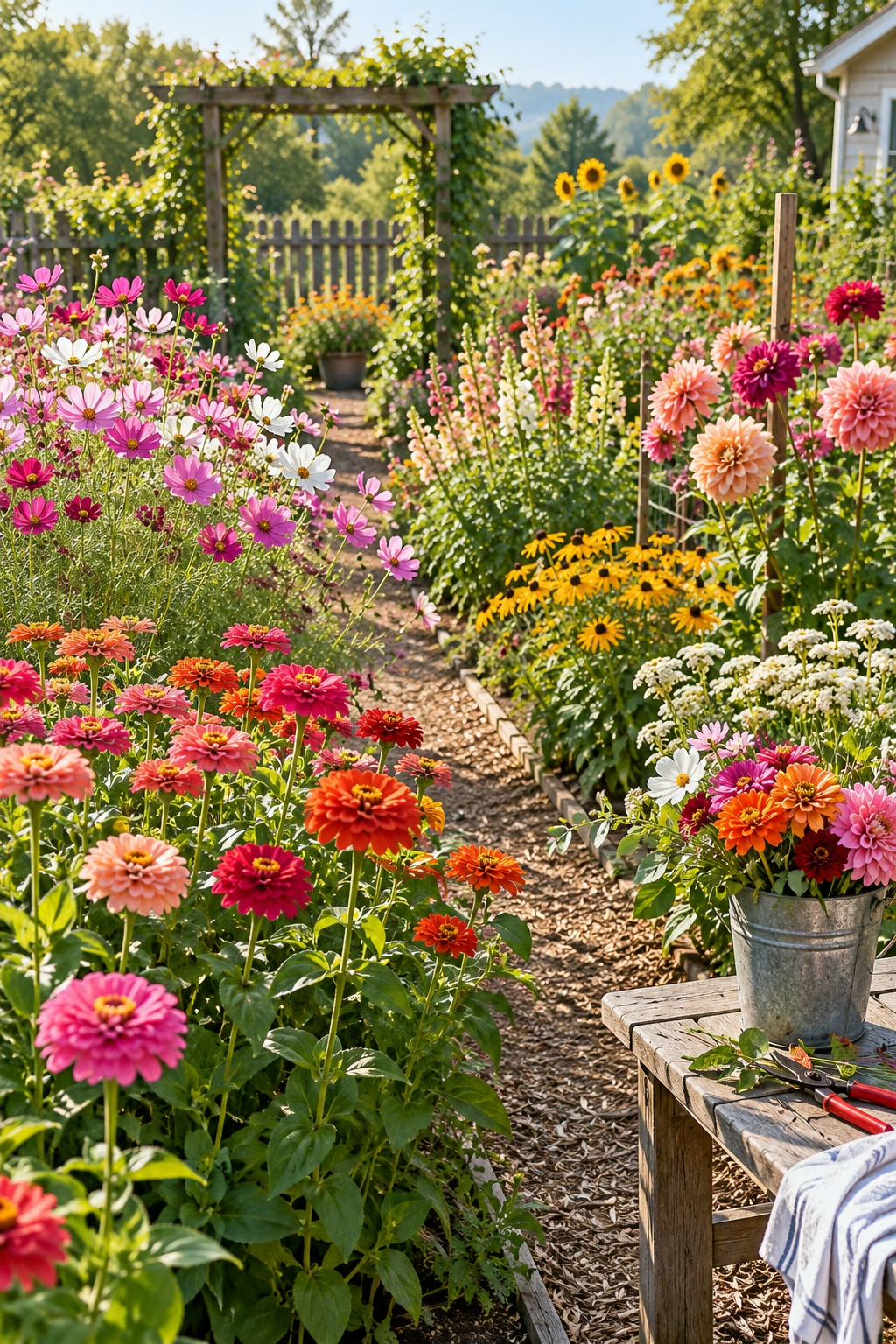
Reserve a sunny bed for flowers you can bring indoors. Rather than building elaborate borders, arrange the patch so you can reach stems easily for cutting. Choose a few bouquet favorites, then repeat them in useful quantities instead of planting a single stem of every flower you like.
Zinnias and celosia are options for a warm-season cutting patch where conditions suit them. Add foliage plants, too, because a handful of leaves helps a simple bouquet feel finished. Follow local planting dates and each variety’s spacing needs, and leave a practical path for watering, harvesting, and tidying.
16. Combine Vegetables and Flowers in a Potager
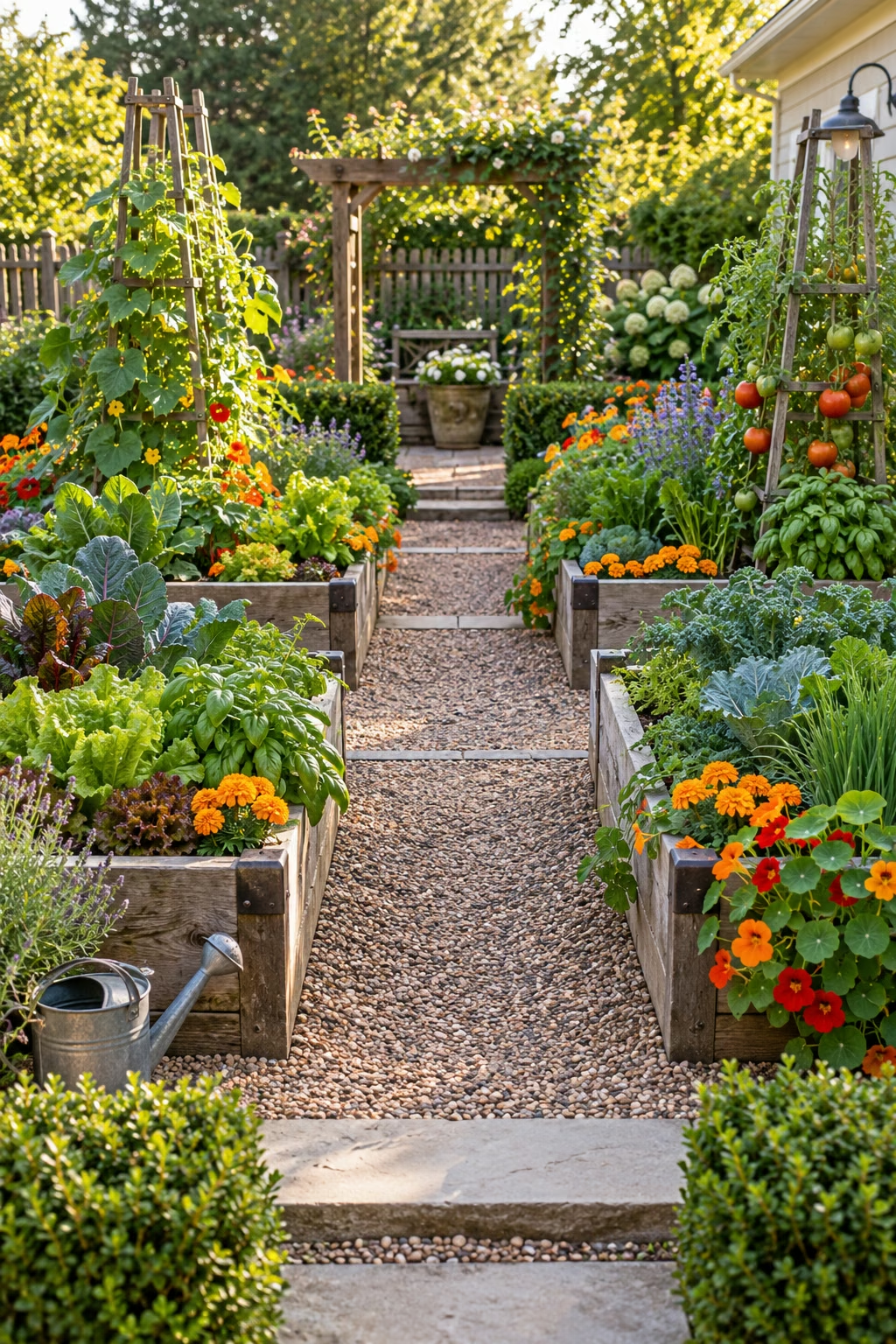
A potager is an edible garden planned to look beautiful as well as produce food. Think colorful chard, leafy lettuces, herbs, and flowers arranged with the same care you would give an ornamental border. It is a lovely choice when the vegetable garden is visible from the house or patio.
Start with a straightforward layout, such as four beds around a central path intersection. Repeat a color or leaf shape across the beds, and use a trellis or a large pot as a focal point. Leave room to harvest and replant, because attractive vegetables still need ordinary gardening access.
17. Train Fruit Trees Along a Sunny Fence
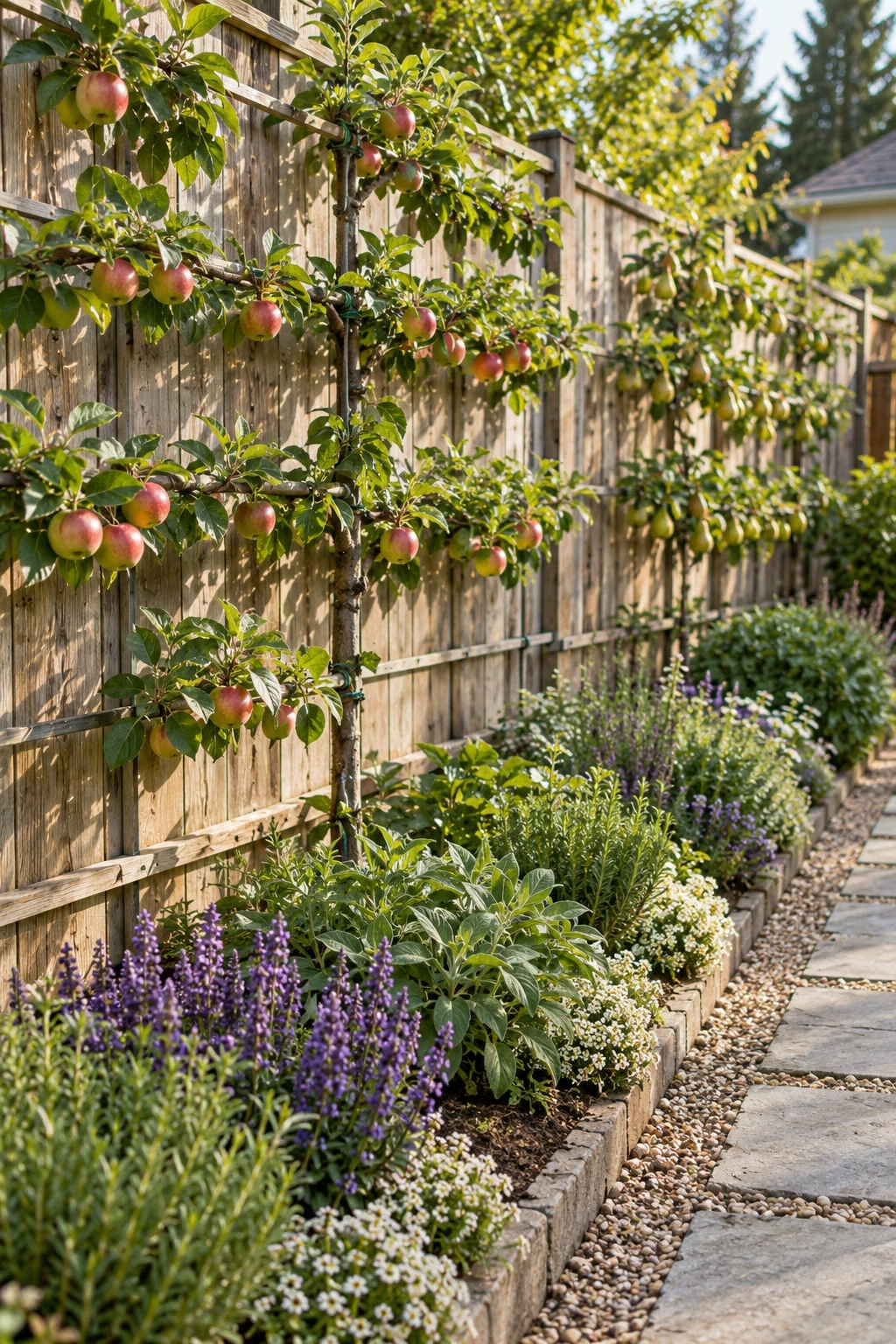
Espaliered fruit trees turn a plain boundary into something productive and decorative. Their branches are trained along supports to form a flatter shape, which can suit a garden where a free-standing tree would be difficult to fit. Apples and pears are familiar choices for this style.
Plan the support, rootstock, variety, and pollination needs before buying a tree. You will also need to allow its intended trained width. This is a patient gardener’s project, not an instant screen: regular tying, training, and pruning are part of keeping the attractive shape and encouraging fruiting.
18. Try a Drought-Tolerant Gravel Garden
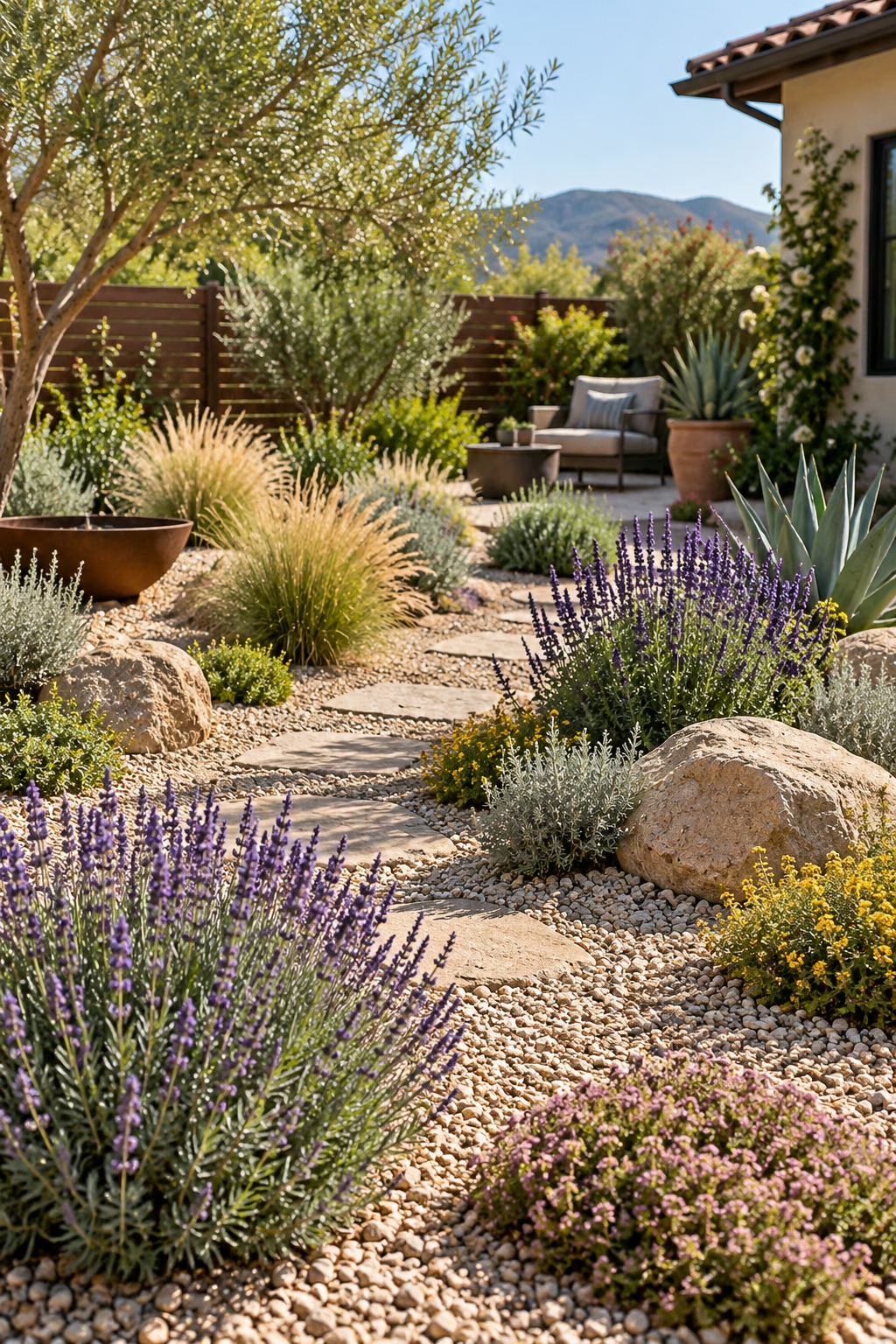
For a sunny spot with naturally good drainage, combine drought-tolerant plants with an open gravel surface. Leave breathing room between plants so their shapes stand out. A mix of low mounds, upright flowers, and a few larger accents can be more interesting than filling the whole bed with one ground cover.
Lavender, thyme, and certain salvias are possibilities where the climate and soil suit them. Gravel will not fix a waterlogged site, and drought-tolerant does not mean newly planted specimens can be ignored. Water during establishment, remove weeds, and choose plants for your actual growing conditions.
19. Turn Rain Runoff Into a Rain Garden
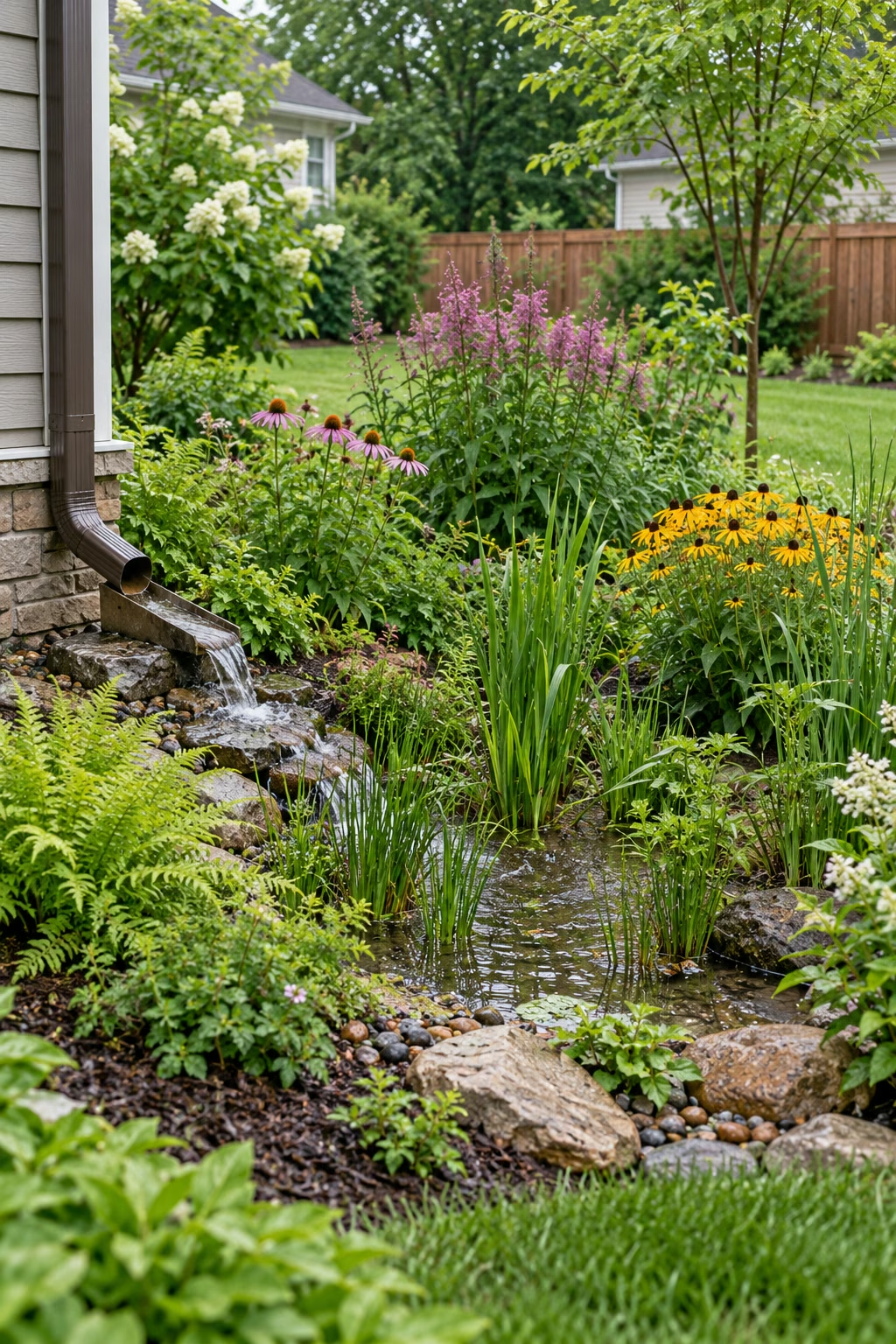
A rain garden can turn a suitable runoff collection area into a planted feature. Instead of sending every drop straight toward a drain, the shallow planted depression temporarily holds water while it soaks into the ground. Its shape can be informal, with plants arranged to make the bed look intentional even when dry.
This is a site-dependent project, not a fix for every soggy backyard. Check infiltration, drainage patterns, utilities, and safe distances from buildings before digging. Select locally suitable plants that tolerate the wet-and-dry cycle, and get local guidance for sizing and positioning the garden.
20. Create a Small Rock Garden
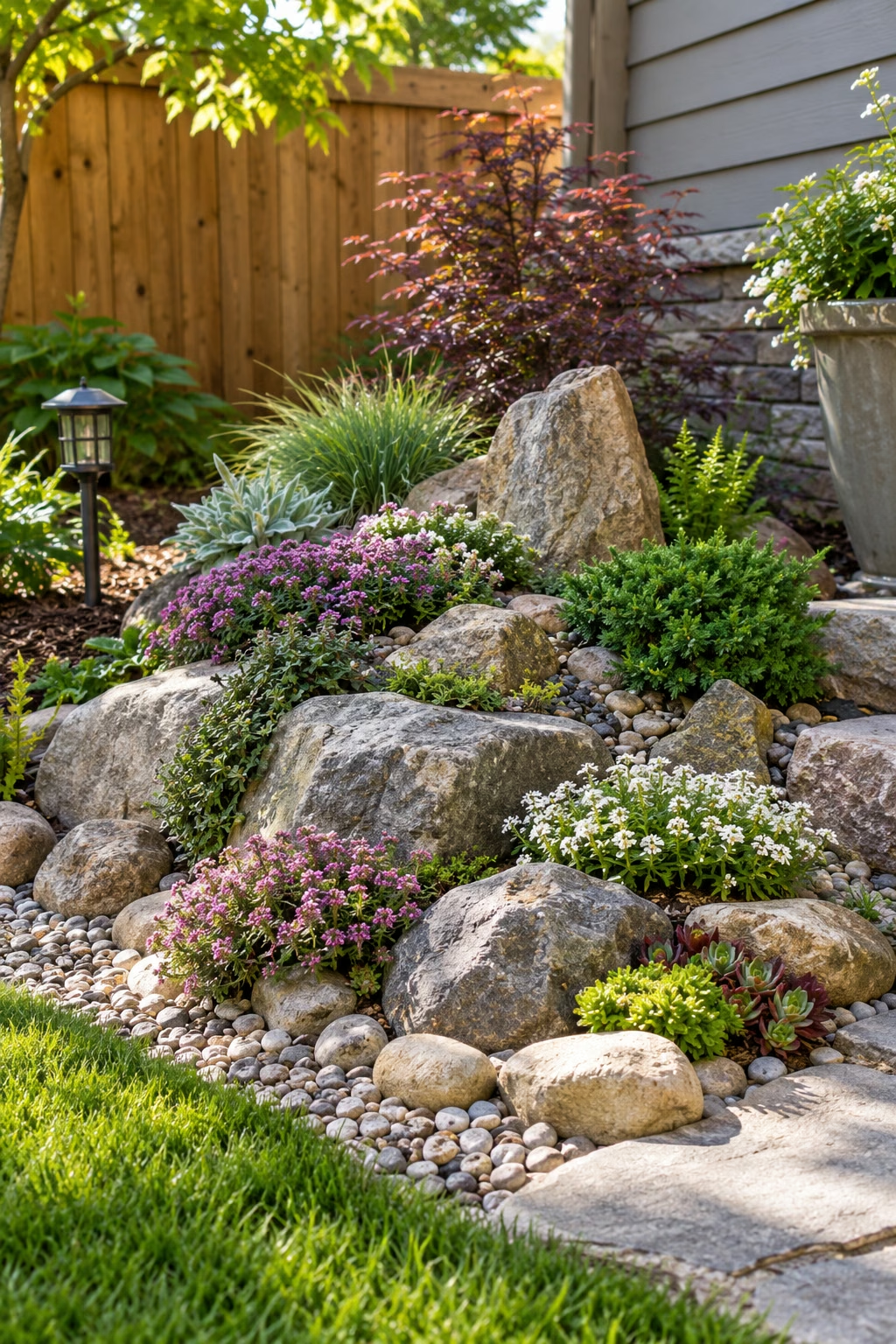
Turn a compact sunny corner into a rocky planting pocket with stones of different sizes and low-growing plants tucked between them. Use one main stone type to keep the scene cohesive. Partially setting stones into the ground helps the arrangement look settled rather than scattered on the surface.
Choose rock-garden plants that suit your climate and the site’s drainage. Alpine-style planting needs especially careful attention to excess moisture. Start small enough that you can place materials safely and reach the plants for weeding. A modest, well-composed corner is more appealing than a yard crowded with random boulders.
21. Plant an Easy-Care Shrub Border
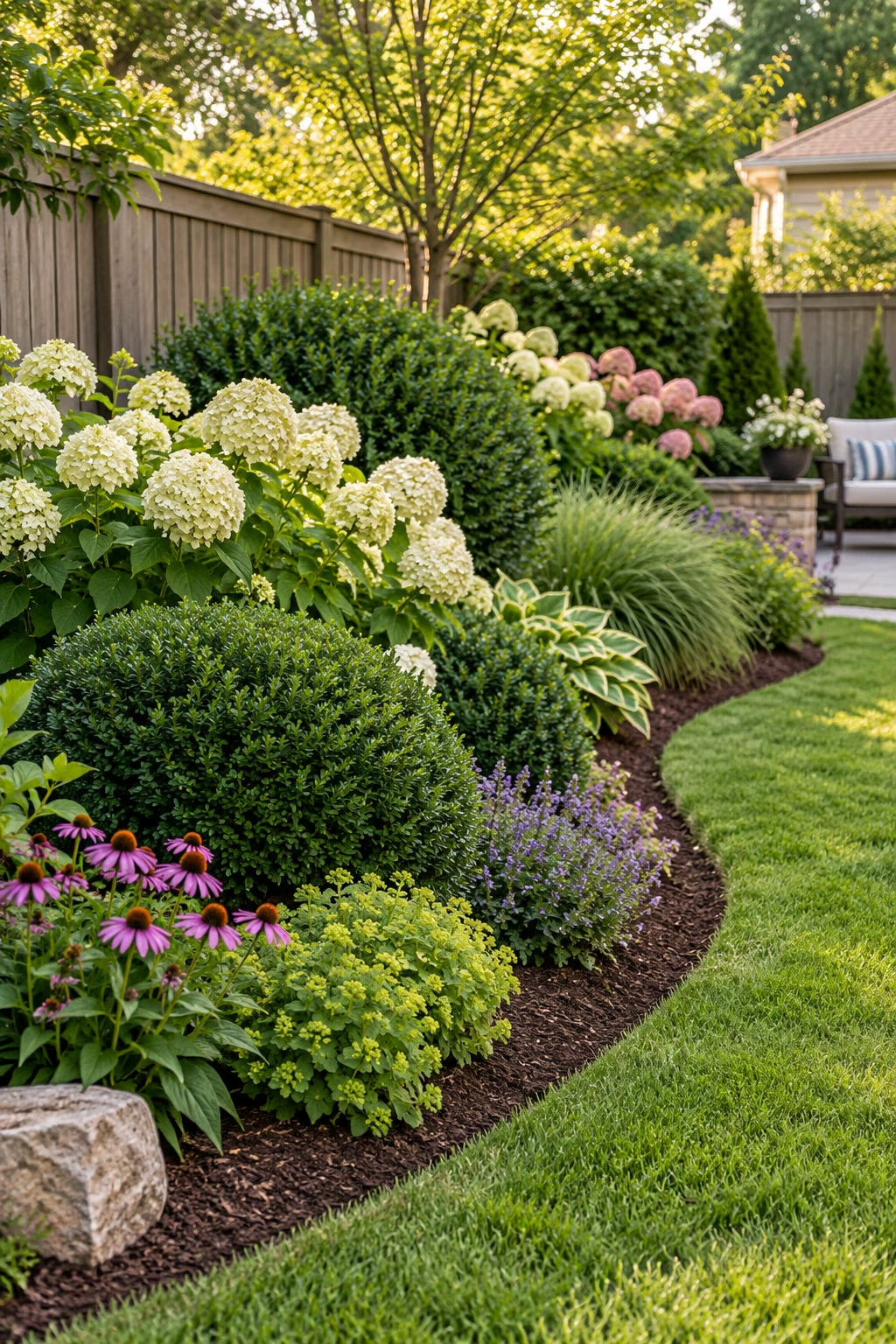
A shrub border is worth considering when you want a green, settled-looking backyard without replacing large areas of seasonal flowers. Combine a few dependable shrubs with contrasting leaf sizes or forms, then repeat them along a boundary. Let their natural shapes provide most of the design.
Choose plants that will fit at maturity so frequent size-control pruning is not built into the plan. Add a manageable amount of flowering perennials near a path or seat for extra interest. This is an easier-care approach, not a maintenance-free one: watering during establishment, weeding, and occasional pruning still matter.
22. Frame a Useful Lawn With Curved Garden Beds
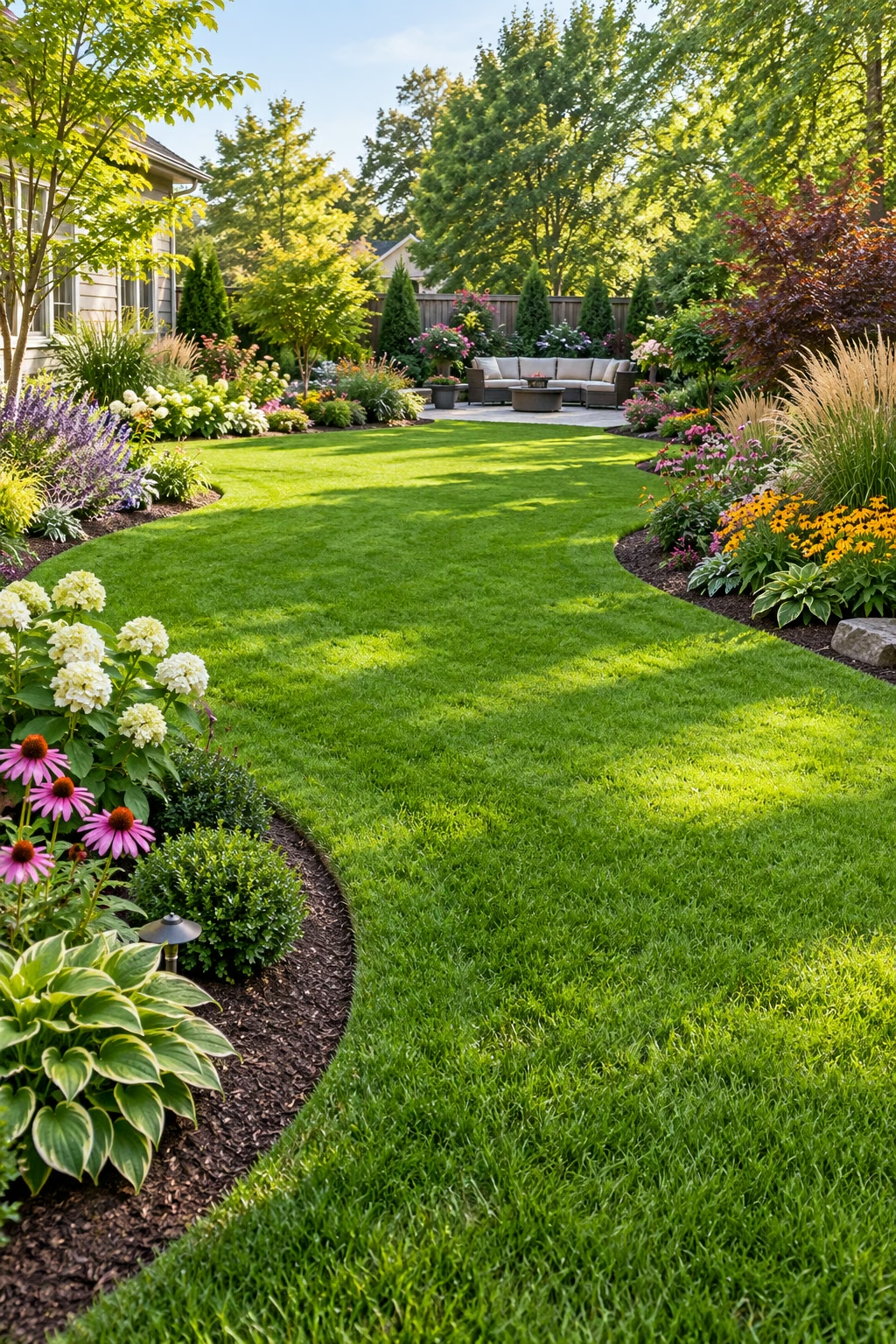
You don’t have to remove every bit of lawn to create a more interesting backyard. Keep an open patch for the activities you actually use it for, then make the surrounding planting more generous. Broad, gentle curves can soften a rectangular yard without producing lots of awkward little corners.
Lay out the bed edges before digging and check the view from the house. Keep the lawn shape simple enough to mow, and avoid narrow grass strips between beds and paving. Let the plants provide variety while the central open space gives your eyes somewhere to rest.
23. Turn a Small Backyard Into a Green Courtyard
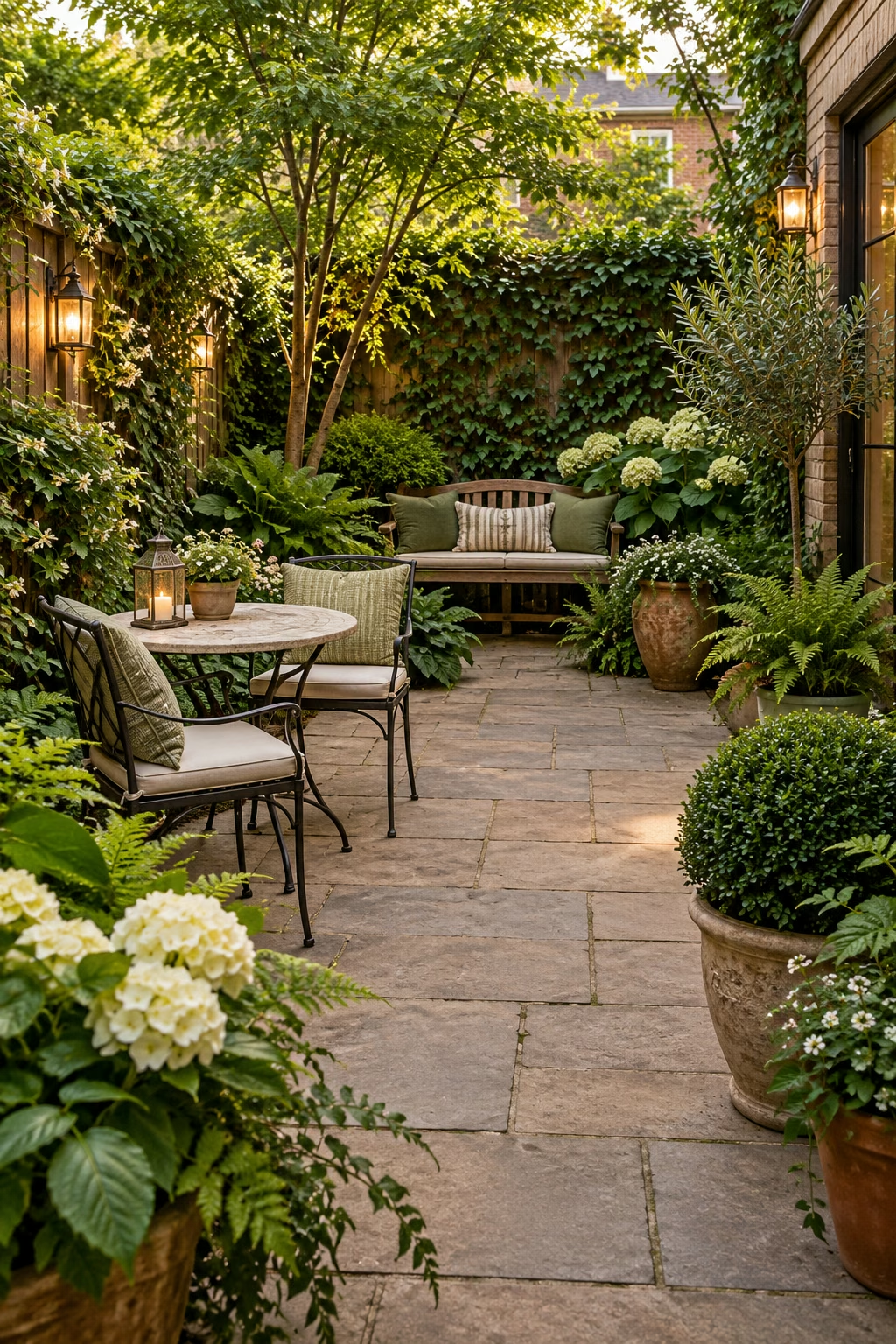
A compact yard can work beautifully as one well-designed outdoor room. Choose a comfortable place to sit, keep the middle clear, and concentrate planting around the perimeter. A small tree or an upright specimen can add height without filling every surface with pots.
Repeat a limited set of materials and plant colors to give the space a sense of continuity. Consider the view from the back door, not just the view from the chair. The goal is a garden that feels enclosed by greenery but still has enough room to walk through and enjoy.
24. Make a Tropical-Look Foliage Garden
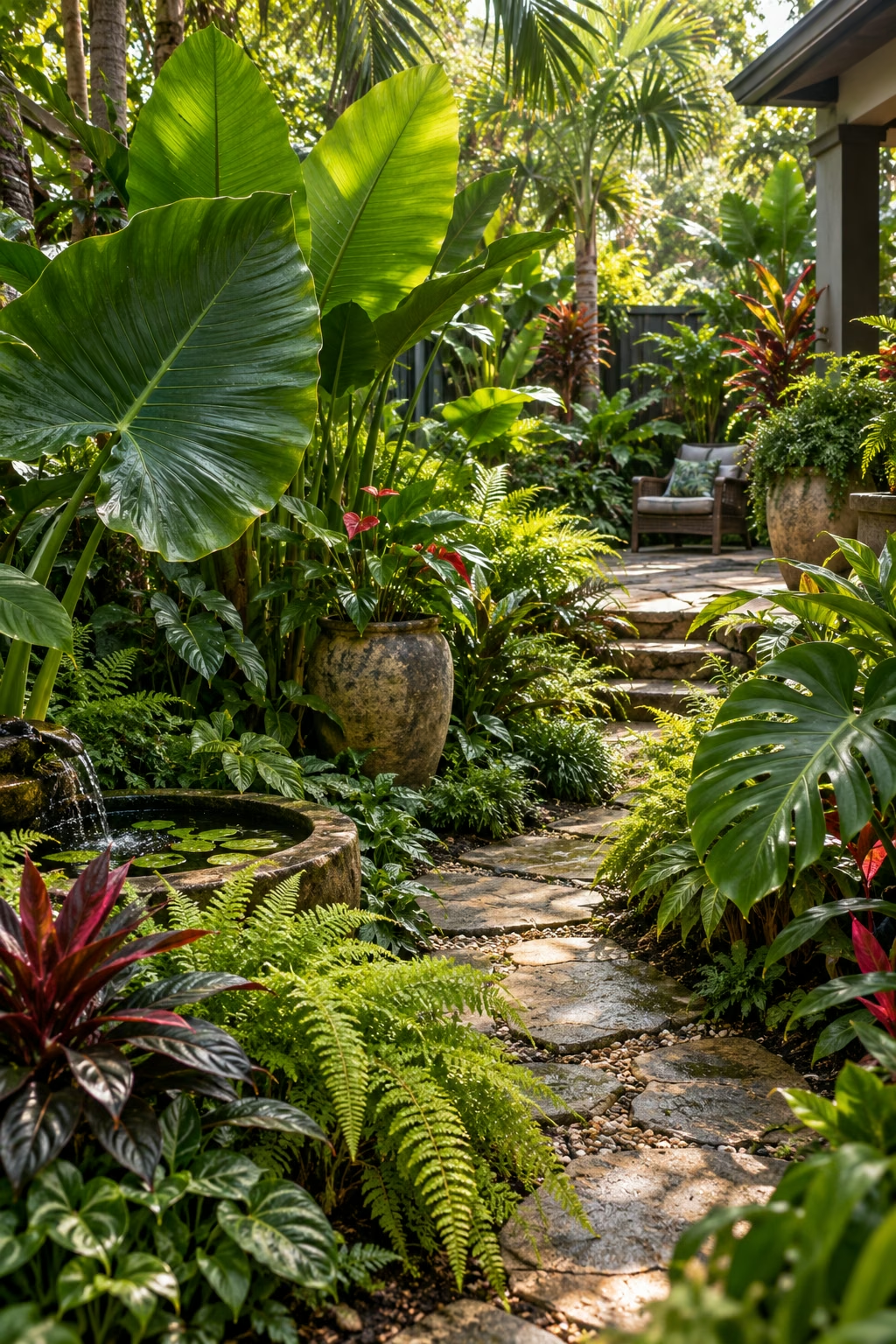
You can borrow the lush look of a tropical garden by focusing on leaf size and texture. Pair bold leaves with finer foliage, then use a restrained flower palette so the greenery stays in charge. One generous planting group often looks more convincing than a single tropical-looking plant in every corner.
Choose species according to your local climate, not just their appearance in a photo. In cooler areas, combine suitable hardy foliage plants with tender accents in containers. Decide how those tender plants will be protected or overwintered before bringing them home, and check their eventual size.
25. Surround a Bench With Fragrant Plants
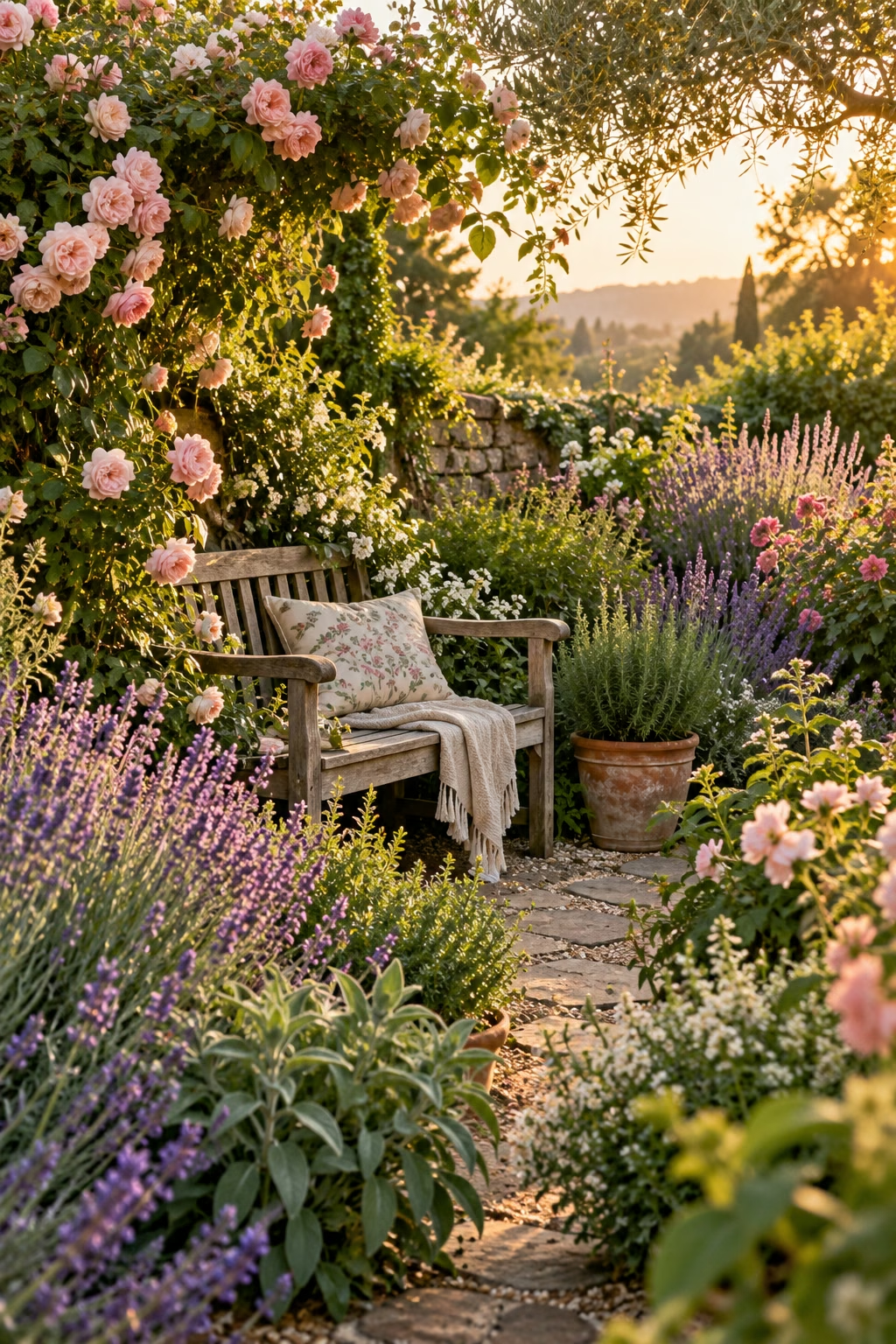
Make a simple bench feel special by placing fragrant plants where you will notice them while sitting. A scented rose nearby or herbs beside the approach can add another reason to slow down. Keep enough space around the seat to stretch your legs without brushing through every plant.
Choose fragrances you personally enjoy rather than assuming stronger is better. Match each plant to the available light and soil, and keep thorny growth away from shoulders and walkways. Try positioning a few pots first so you can test the arrangement before committing to a permanent planted border.
26. Plant a White-and-Green Garden
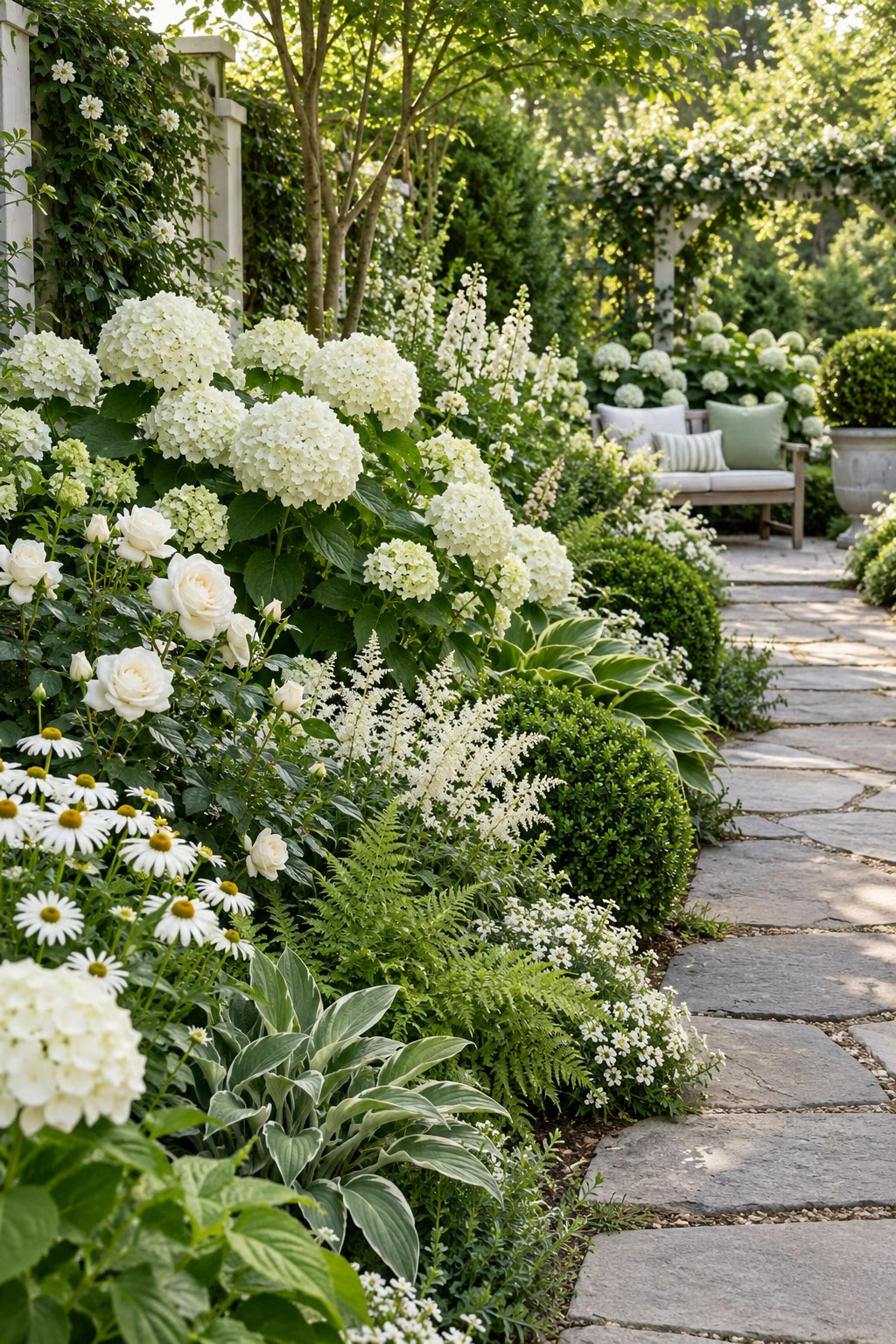
A limited palette can make a mixed planting feel calm and connected. Combine white flowers with green and silver foliage, then let leaf shapes and plant heights create variety. The famous White Garden at Sissinghurst offers a well-established example of how much interest this restrained approach can hold.
For a backyard version, start with one bed rather than recoloring the whole yard. Choose locally suitable plants that flower at different times, and include foliage that looks good between blooms. A dark fence or leafy background can be part of your design, but the planting should remain interesting without every flower open.
27. Replace a Patch of Lawn With a Mini Meadow
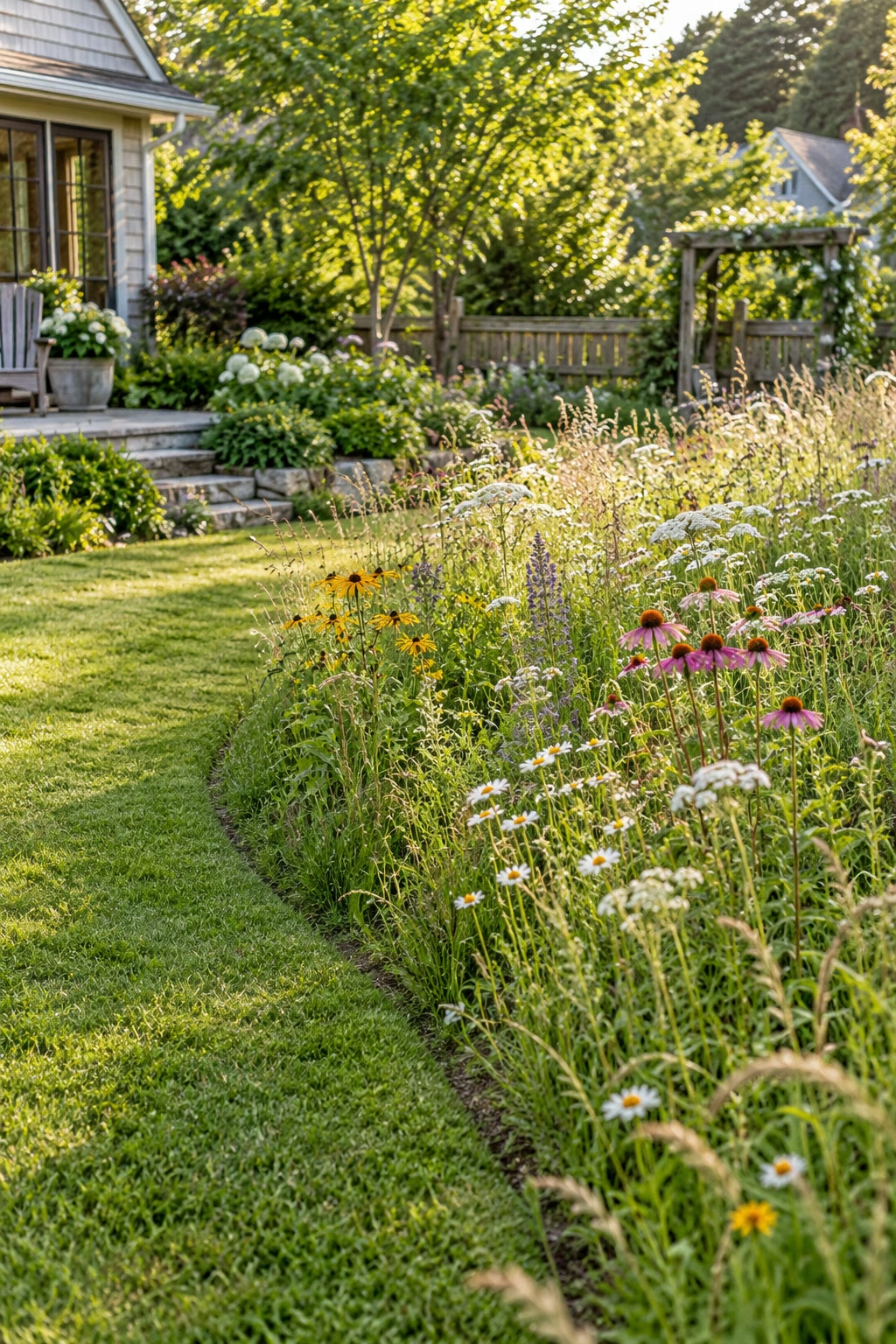
A small meadow patch can bring a looser, more seasonal look to part of the backyard. Give it a clear boundary or a mown path so it reads as an intentional garden feature. Choose a seed mix suited to your region, soil, and light, rather than selecting purely from the packet picture.
Preparation matters more than scattering extra seed. Most meadow flowers struggle when sown straight into thick, competitive turf. Follow the preparation and cutting guidance for the type of meadow you choose, and be patient: a perennial meadow develops over time and still needs planned maintenance.
28. Plant a Sloping Backyard in Layers
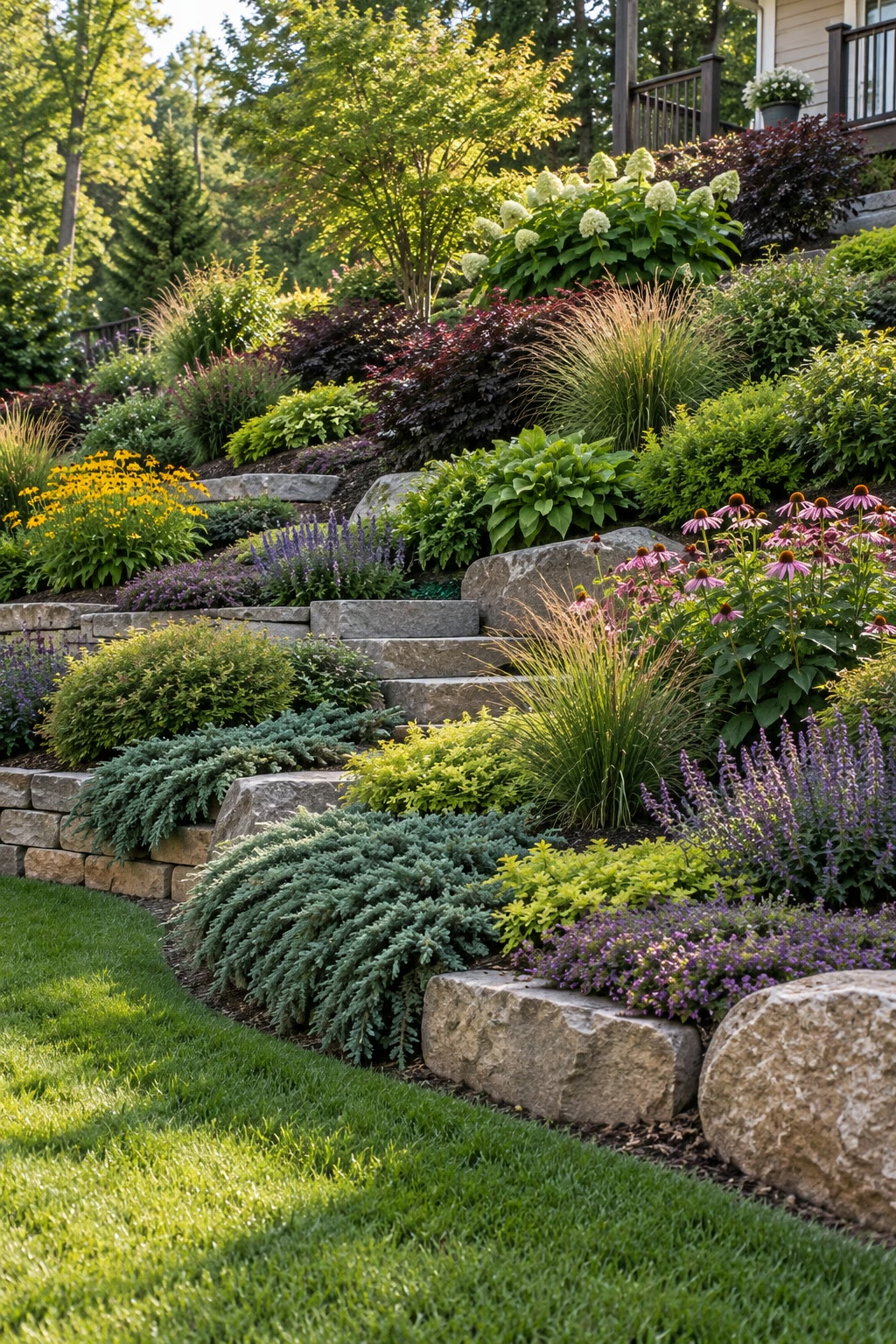
A slope does not have to become a flat lawn to look attractive. Work with its shape by repeating groups of suitable shrubs, perennials, and ground covers down the bank. Keep the arrangement simple enough to appreciate from below or from a window overlooking the yard.
Plant selection and establishment are especially important where soil dries quickly or washes downhill. Choose locally appropriate, noninvasive plants for the conditions and plan safe access for maintenance. Get qualified help before major grading or retaining-wall work; a planting scheme and a structural slope repair are very different projects.
29. Add a Greenhouse Growing Corner
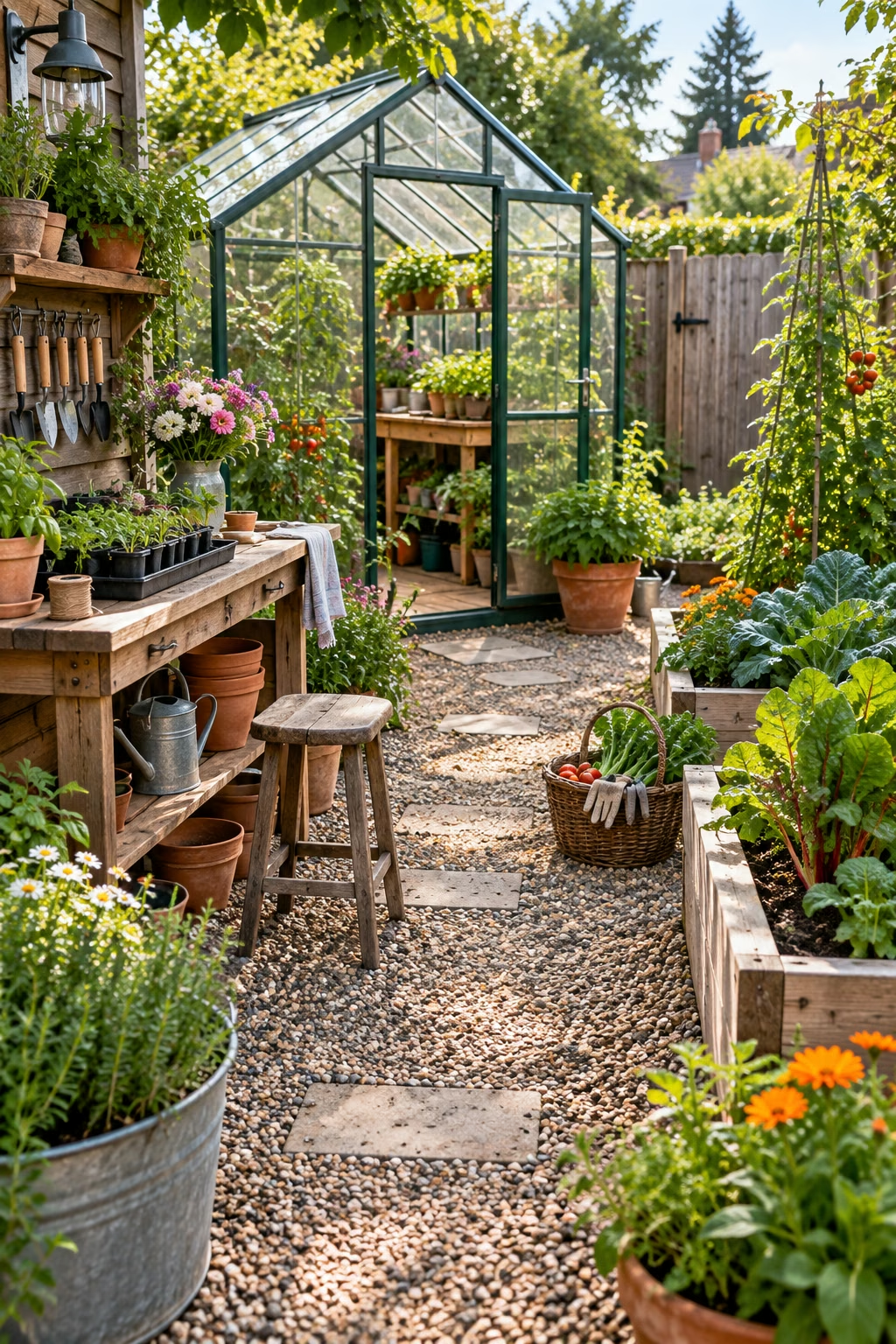
A small greenhouse can become the practical heart of a backyard garden. Place a potting surface nearby, give tools a home, and connect the area to your beds with a clear path. The result feels like a working garden rather than a collection of supplies scattered around the patio.
Plan for water access and ventilation from the start. Enclosed growing spaces can overheat, while an unheated greenhouse does not automatically stay frost-free. Choose a structure and temperature-management plan for the plants you intend to grow. The useful greenhouse is the one that fits your routine, not necessarily the largest one.
30. Give a Small Flowering Tree Center Stage
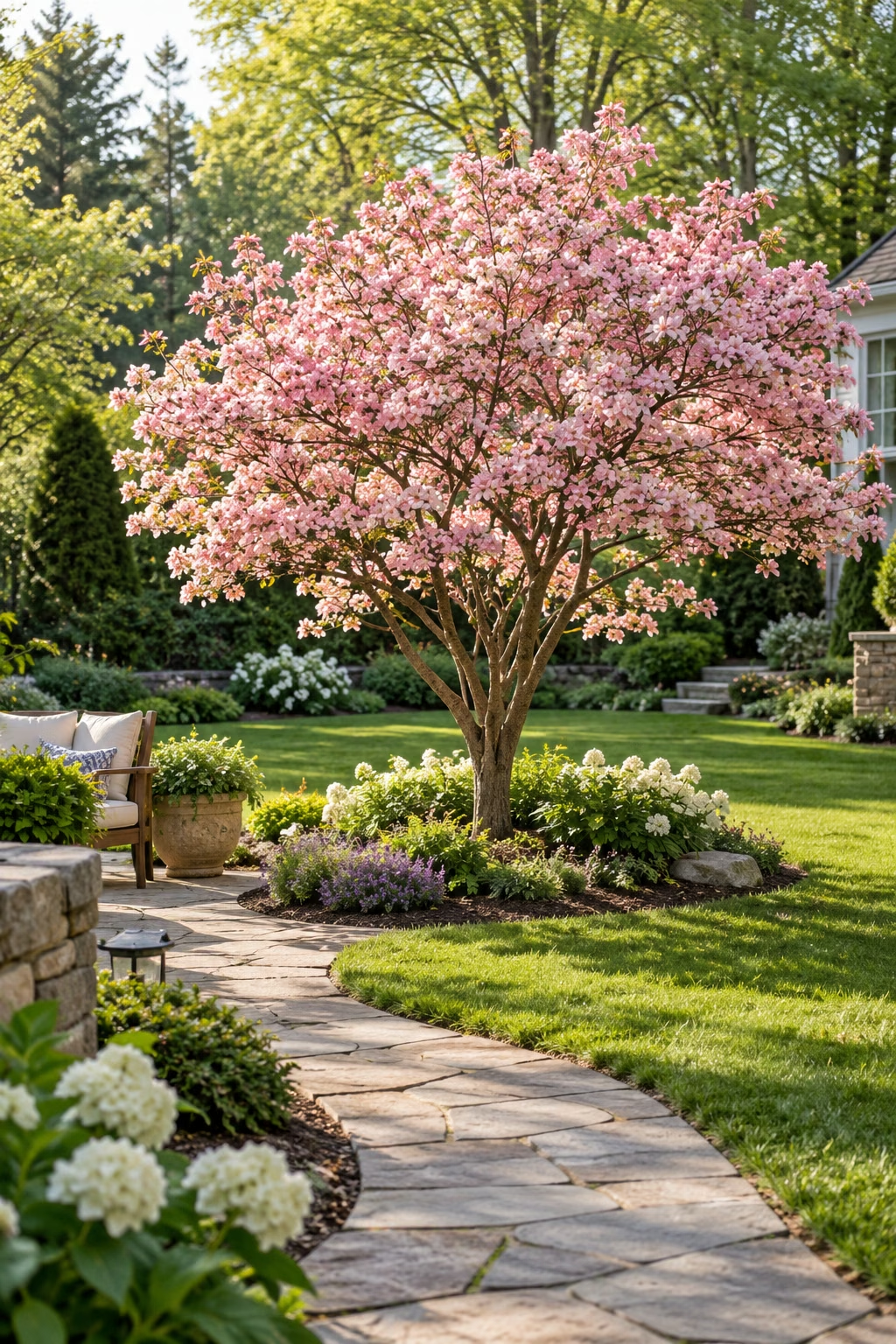
One carefully chosen tree can give a backyard a strong focal point. Place it where its shape can be appreciated from a window, a seat, or the end of a path. Keep nearby planting lower so the tree does not disappear into a crowded collection of shrubs.
A compact ornamental crabapple or a suitable small dogwood may be an option in climates where they thrive. Check the cultivar’s mature height and spread, not just the general plant name. Consider flowers, foliage, bark, and fruit together so your choice offers interest beyond a short flowering season.
31. Make a Growing Patch Just for Kids
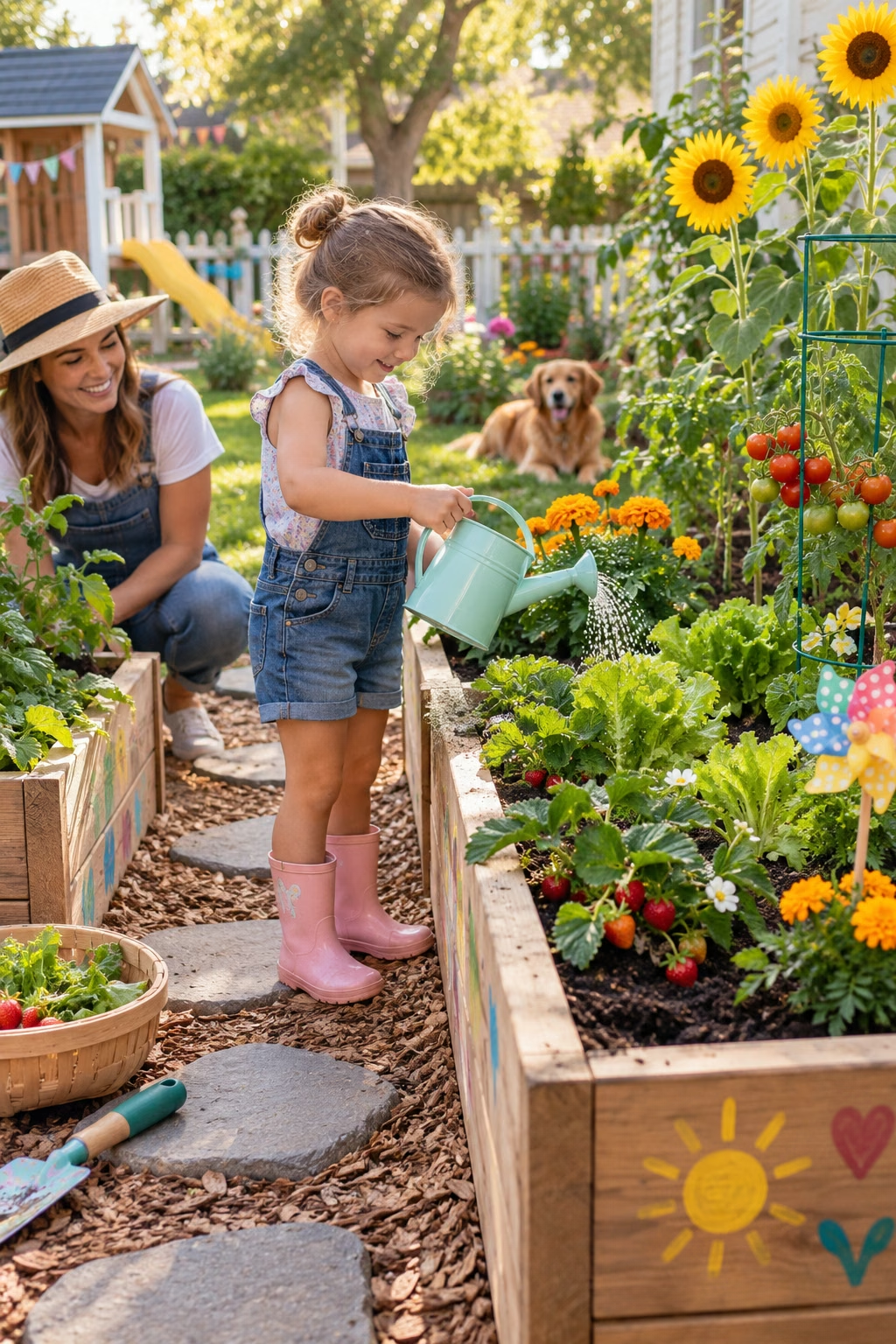
Give children a small patch or a few containers they can help choose and care for. Let them pick a crop to taste, a flower they like, or a plant with an interesting leaf. Leave a little room for digging rather than expecting every inch to look like an adult-designed garden.
Keep tasks short, tools manageable, and plants appropriate for the child’s age. Supervise tasting and avoid unidentified, toxic, thorny, or irritating plants in the play-and-growing area. The aim is not a perfect harvest. It is a space where watering a seedling or discovering a new leaf feels worth going outside for.
Choosing the Right Backyard Garden Ideas
You don’t need to fit all 31 projects into one yard. Pick the idea that would change how you use your outdoor space, then add a simple way to reach it and a place to pause. The best backyard garden ideas are the ones you will enjoy caring for, whether that means a single herb pot by the door or a whole border full of flowers.