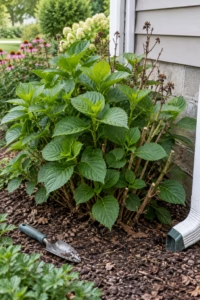
A beautiful front yard does much more than fill the space between your house and the street. It can guide visitors toward your door, soften the architecture of your home, add privacy, welcome birds and butterflies, and give you something beautiful to see every time you come home.
The good news is that front yard garden ideas do not have to involve removing everything and starting again. Sometimes widening an existing flower bed, adding plants beside a walkway, or replacing one difficult patch of lawn can completely change how the yard feels.
The key is choosing a garden style that fits your house, climate, sunlight, available space, and the amount of maintenance you actually want to do.
How to Plan Your Front Yard Garden
Before buying plants, spend some time looking at the yard from the street.
Notice where your eye naturally goes. Ideally, the landscaping should gently lead attention toward the house and especially toward the front entrance.
Also check:
- How many hours of sun different parts of the yard receive
- Where rainwater collects or runs
- Whether the soil drains quickly or stays wet
- Mature sizes of shrubs and trees
- How much lawn you actually use
- Existing paths, driveways and utility areas
- Your local climate and hardiness zone
- How much pruning, watering and cleanup you want to do
Small front yards can often benefit from restraint. Designers frequently use repeated plants and clearly defined beds instead of filling every available space with a different species.
Now, here are 27 realistic ways to transform the space.
1. Create a Layered Foundation Garden
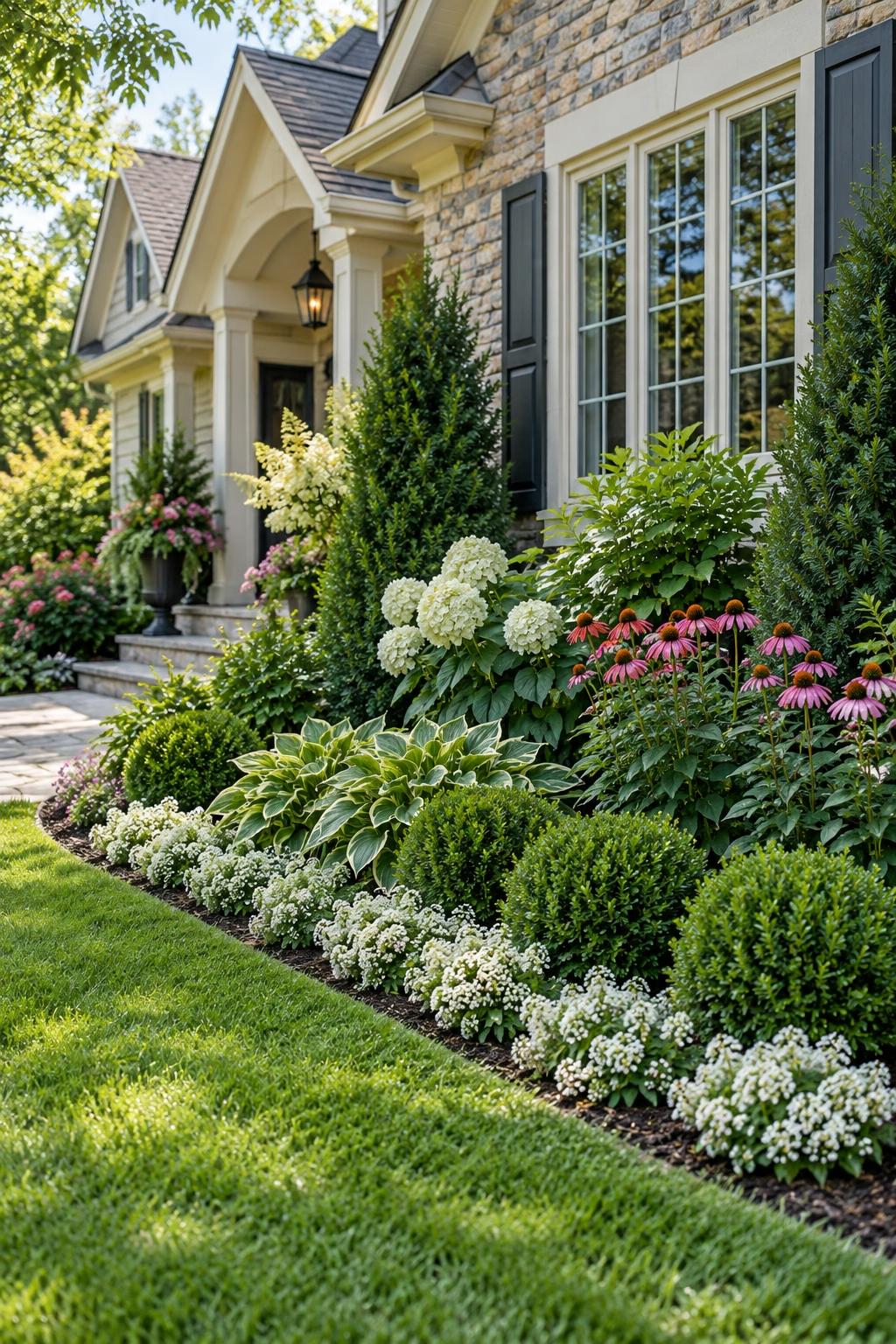
Use different plant heights to soften the front of the house
One of the simplest ways to improve a front yard is to create a deeper garden bed along the home’s foundation.
Instead of planting one straight row of shrubs, work in layers. Place taller shrubs toward the back, medium-sized flowering plants through the middle, and lower perennials or ground covers near the front edge.
The result feels fuller and more natural.
Try repeating a few plants rather than buying one of everything. Three matching shrubs followed by several clumps of the same perennial usually look more intentional from the street.
Keep mature plant size in mind so shrubs do not eventually cover windows, vents, steps or walkways.
2. Line the Front Walkway With Flowers
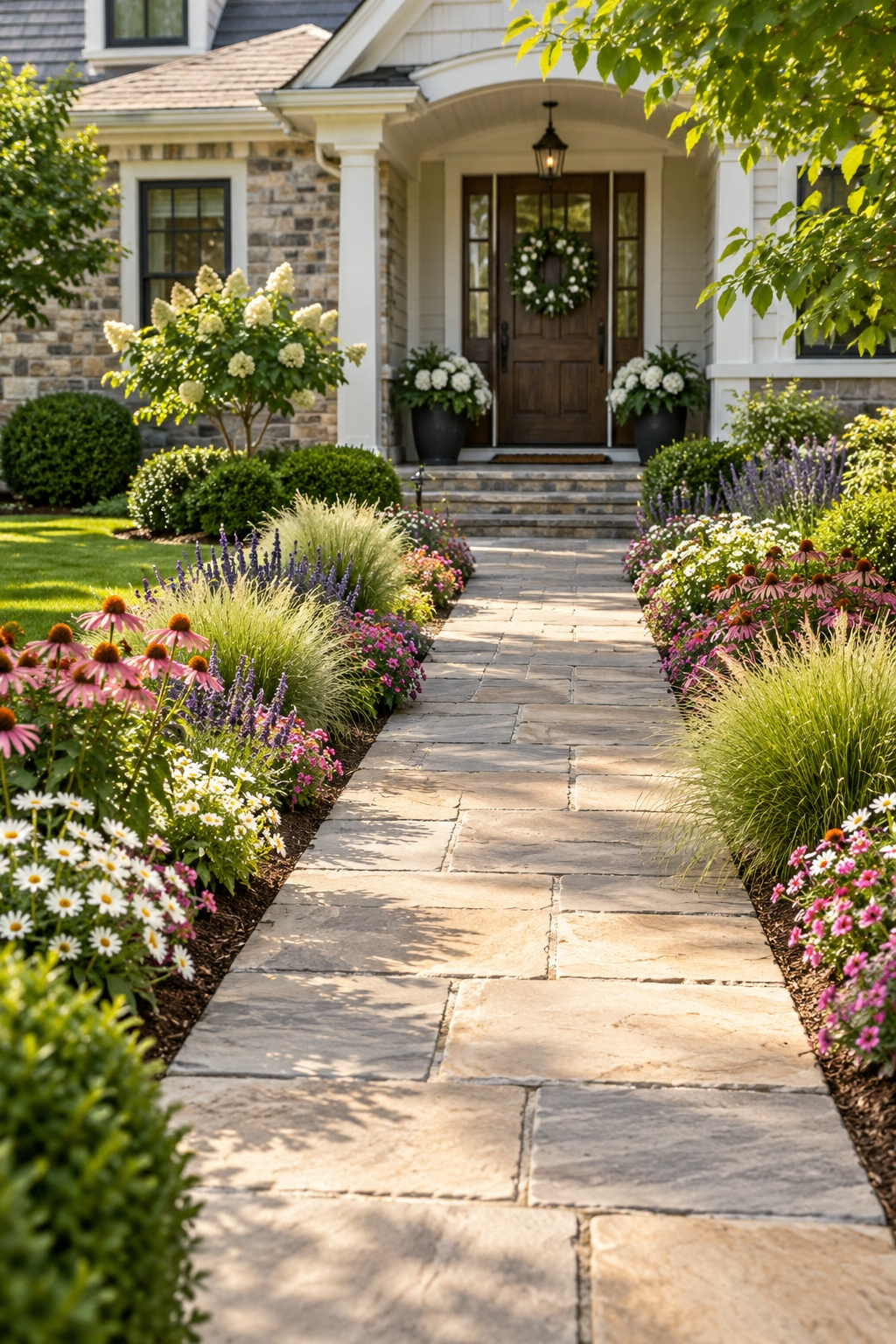
Turn an ordinary path into a garden feature
If your home already has a walkway, treat it as part of the garden rather than simply a strip of concrete.
Low-growing flowers, small grasses and neat ground covers can soften the edges while naturally guiding visitors toward the front door.
Repetition works especially well here. Instead of changing plants every few feet, repeat the same flowers or grasses down the path.
You can then add small pockets of seasonal flowers near steps or pathway curves.
Keep plants far enough from the paving that their mature foliage will not constantly spill across the walking surface. A pathway should feel generous and easy to use, not crowded.
3. Grow a Romantic Cottage Front Yard Garden
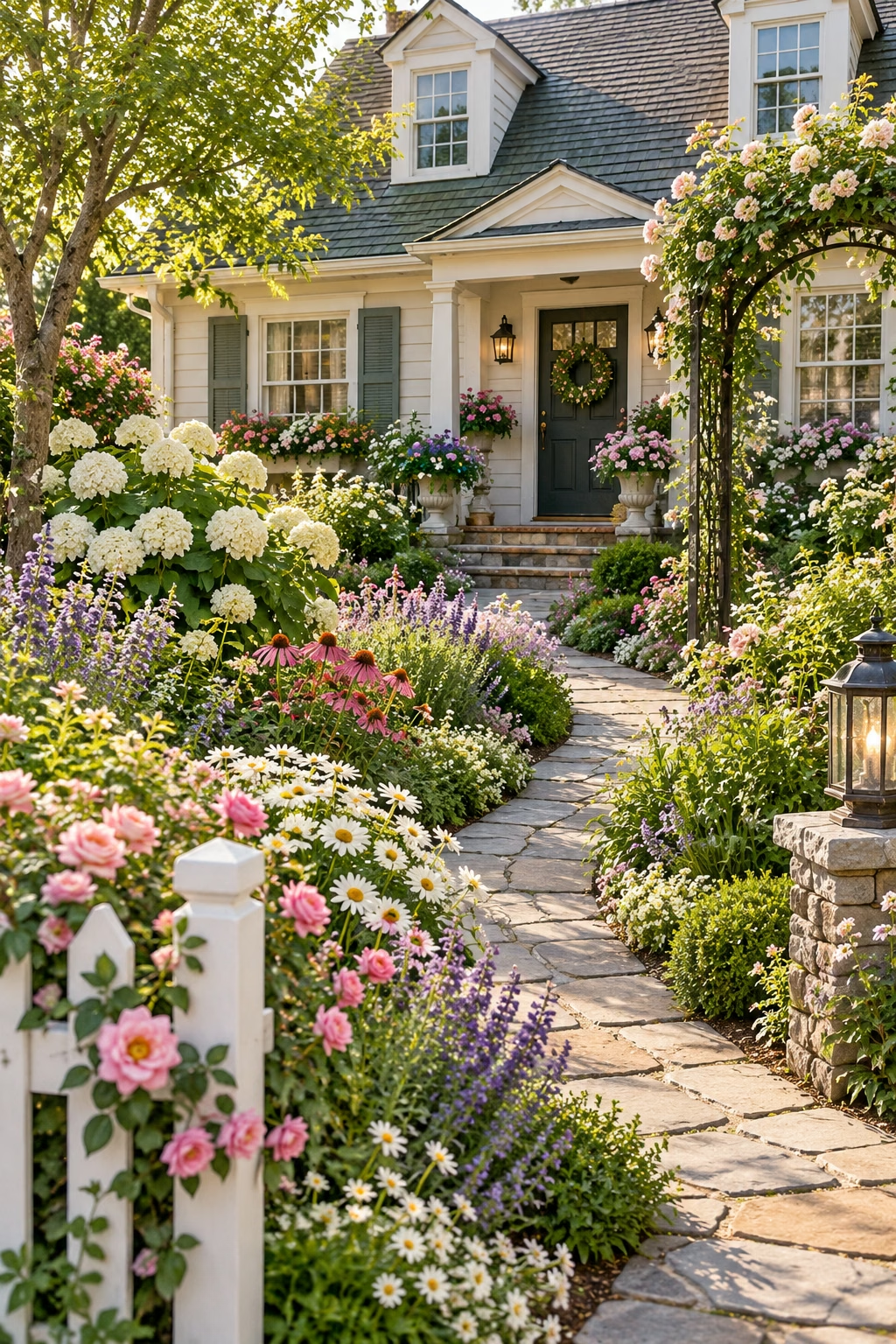
Mix relaxed flowers with paths and traditional details
Few garden styles are more Pinterest-friendly than a cottage garden.
The look works beautifully around cottages, Craftsman homes, older houses and even simple suburban homes that need more character.
Think loose groups of flowering perennials, herbs, roses, ornamental grasses and seasonal bulbs growing along a winding path.
A picket fence, brick walkway or simple arbor can strengthen the style.
The important part is making the planting abundant without letting it become completely uncontrolled. Repeated colors and clearly defined paths help keep a cottage garden looking intentional.
Real front-yard cottage garden transformations also show that these gardens often become more attractive as the plants mature and begin filling the available space.
4. Plant a Native Pollinator Garden
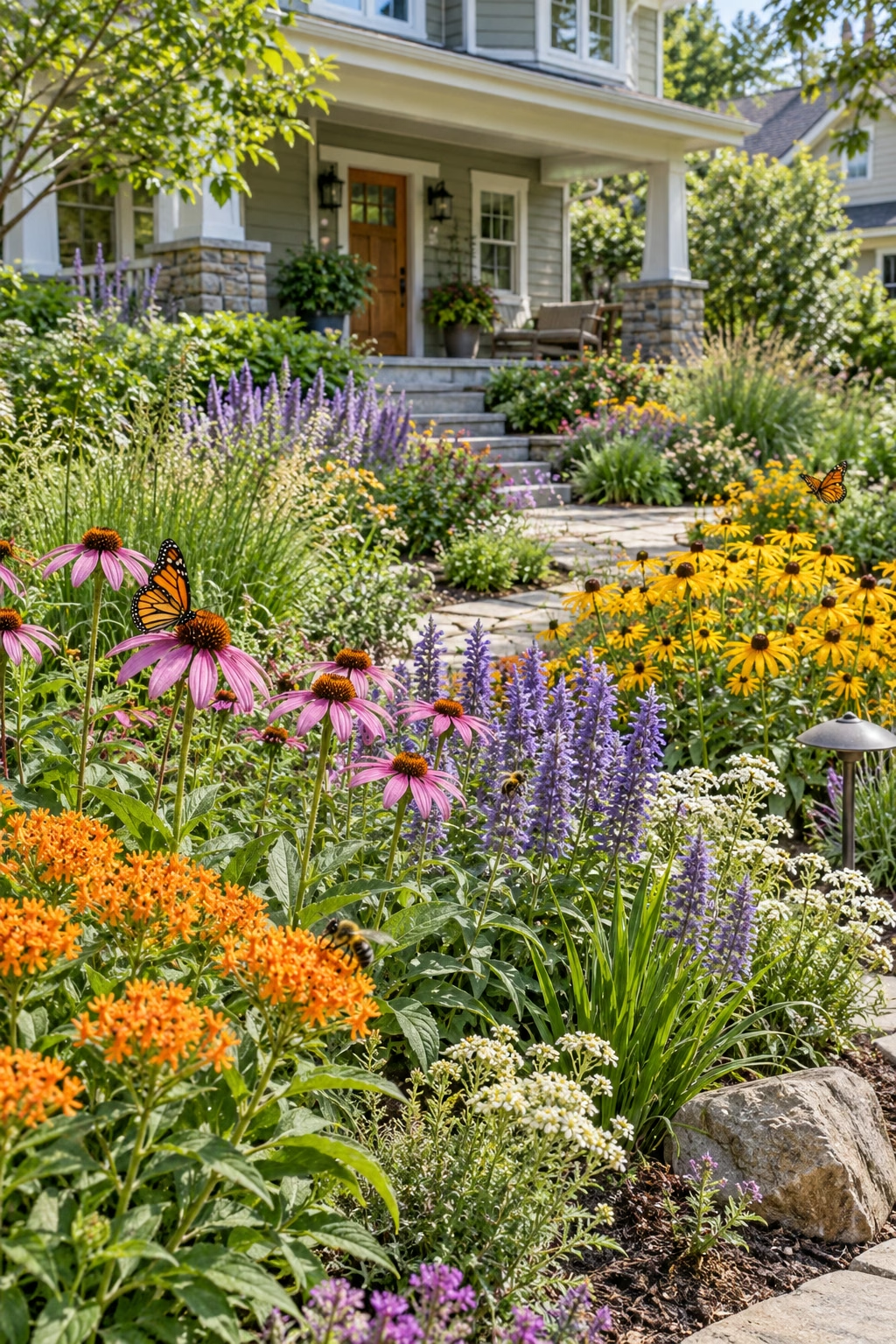
Bring butterflies, bees and birds closer to home
A front yard filled with regionally native flowers can be colorful, environmentally useful and surprisingly low maintenance once established.
Instead of choosing plants only for appearance, select several species that bloom at different points during the growing season.
Mix flower shapes and heights so the bed remains interesting even when one plant stops flowering.
Native plants can provide nectar, seeds, fruits, insects and shelter for wildlife. Audubon specifically recommends native trees, shrubs and wildflowers as useful habitat for birds.
For a tidy front-yard look, surround the planting with a clearly defined edge or pathway. That small amount of structure can make a naturalistic garden look deliberate rather than neglected.
5. Build a Low-Maintenance Evergreen and Perennial Garden
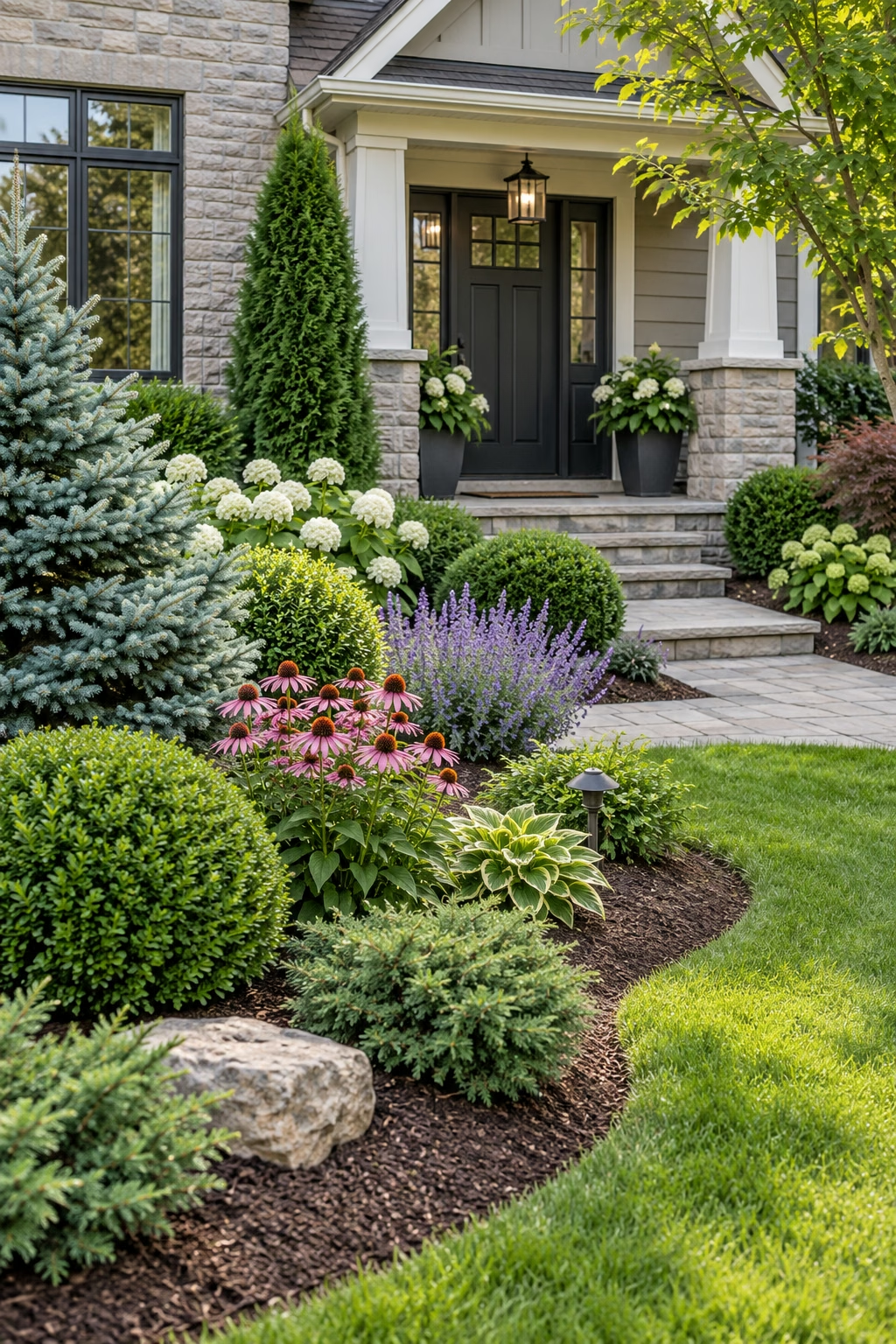
Create structure that does not disappear after summer
A garden made entirely from short-lived flowers can look spectacular for a few months and empty for the rest of the year.
Mixing evergreens with perennials solves that problem.
Use compact evergreen shrubs as the permanent framework. Then fill the gaps with flowering perennials, bulbs or grasses.
The evergreens keep the bed visually organized even when the flowers are dormant.
This style works especially well beside front steps, underneath windows and near the corners of a house.
Choose compact varieties whenever possible so you spend less time constantly shearing shrubs back into shape.
6. Replace Some Lawn With a No-Grass Garden
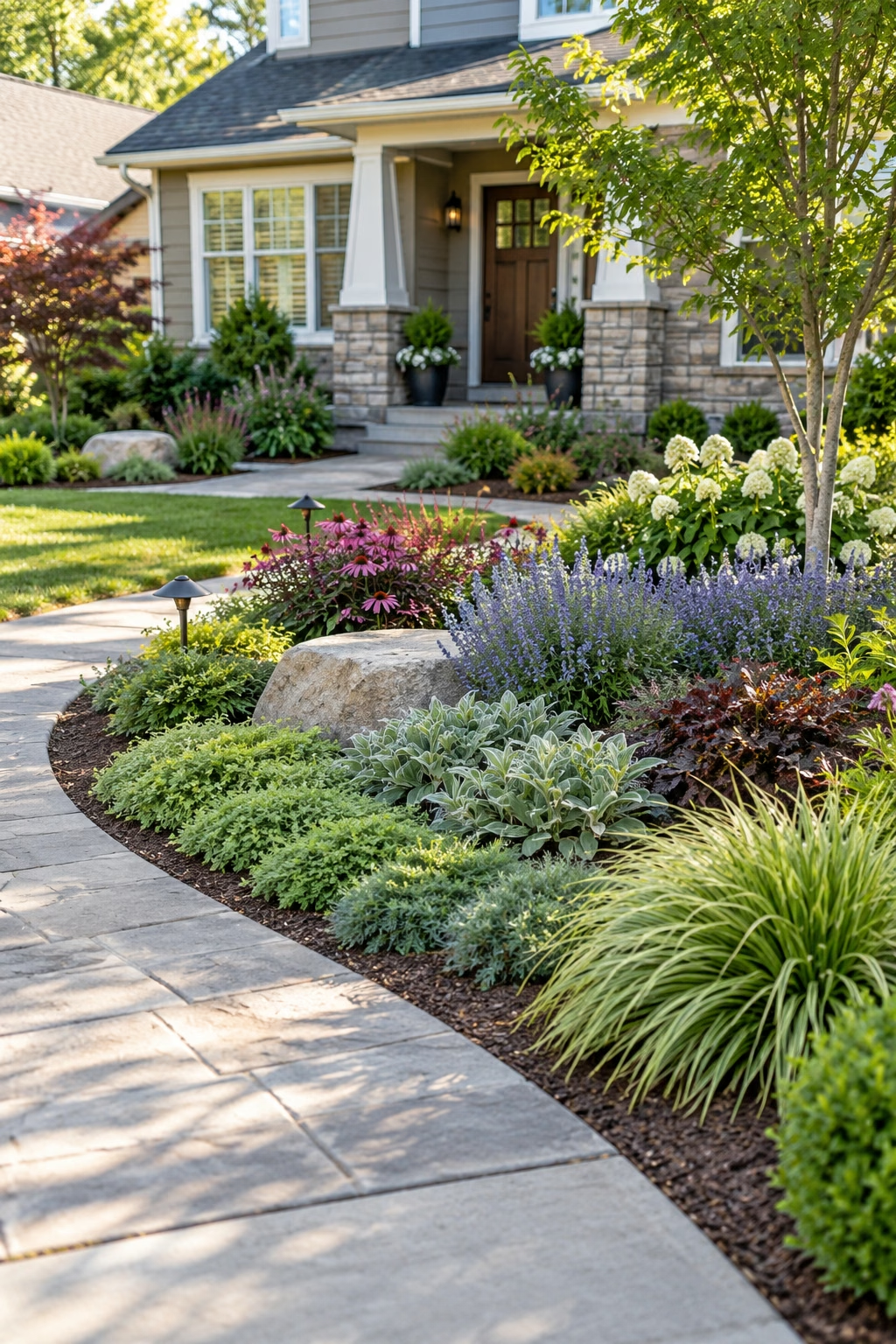
Turn unused turf into planting space
You do not have to remove every blade of grass to create a lawn-free look.
Start with the parts of the lawn that are difficult to mow, rarely used or constantly struggling.
Expand existing beds into those areas and fill them with shrubs, perennials, grasses and ground covers.
Reducing turf can also reduce the amount of mowing and irrigation required. EPA water-efficiency guidance recommends keeping turf primarily where it has a useful function and considering climate-appropriate alternatives elsewhere.
Curved bed lines can make the transition feel natural, while straight geometric beds suit modern homes.
7. Design a Gravel Garden
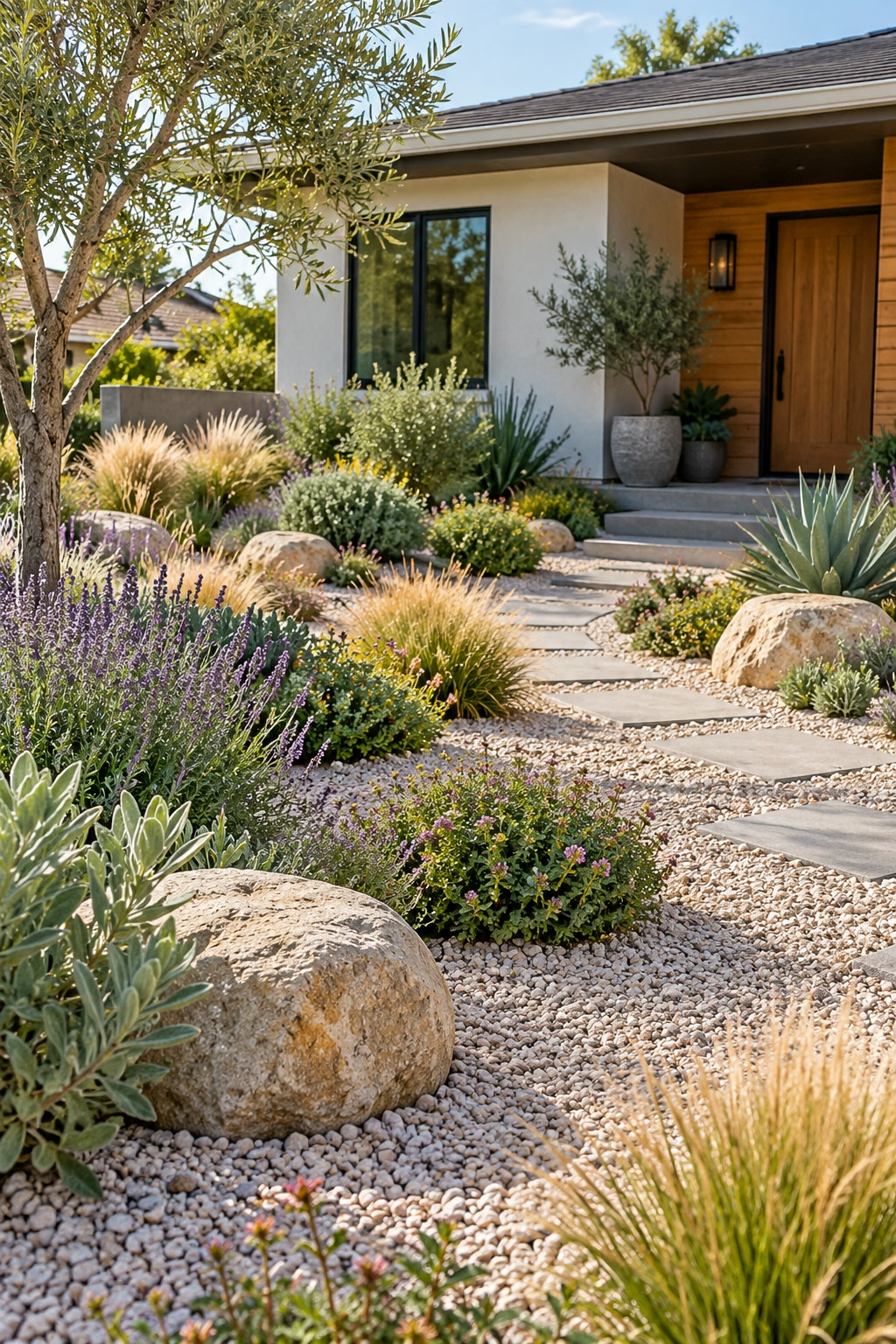
Combine drought-tolerant planting with beautiful texture
Gravel gardens can look much softer than many people imagine.
Instead of creating a yard filled only with rocks, allow drought-tolerant perennials and ornamental grasses to grow through broad gravel areas.
A few stepping stones or larger rocks can add structure.
The best gravel gardens still contain plenty of plants. The gravel simply becomes the visual background.
Recent garden design examples emphasize combining gravel with deep-rooted, drought-tolerant plants rather than treating gravel as a replacement for the entire garden.
This idea works particularly well with modern, Mediterranean and drought-conscious homes.
8. Create a Drought-Tolerant Front Garden
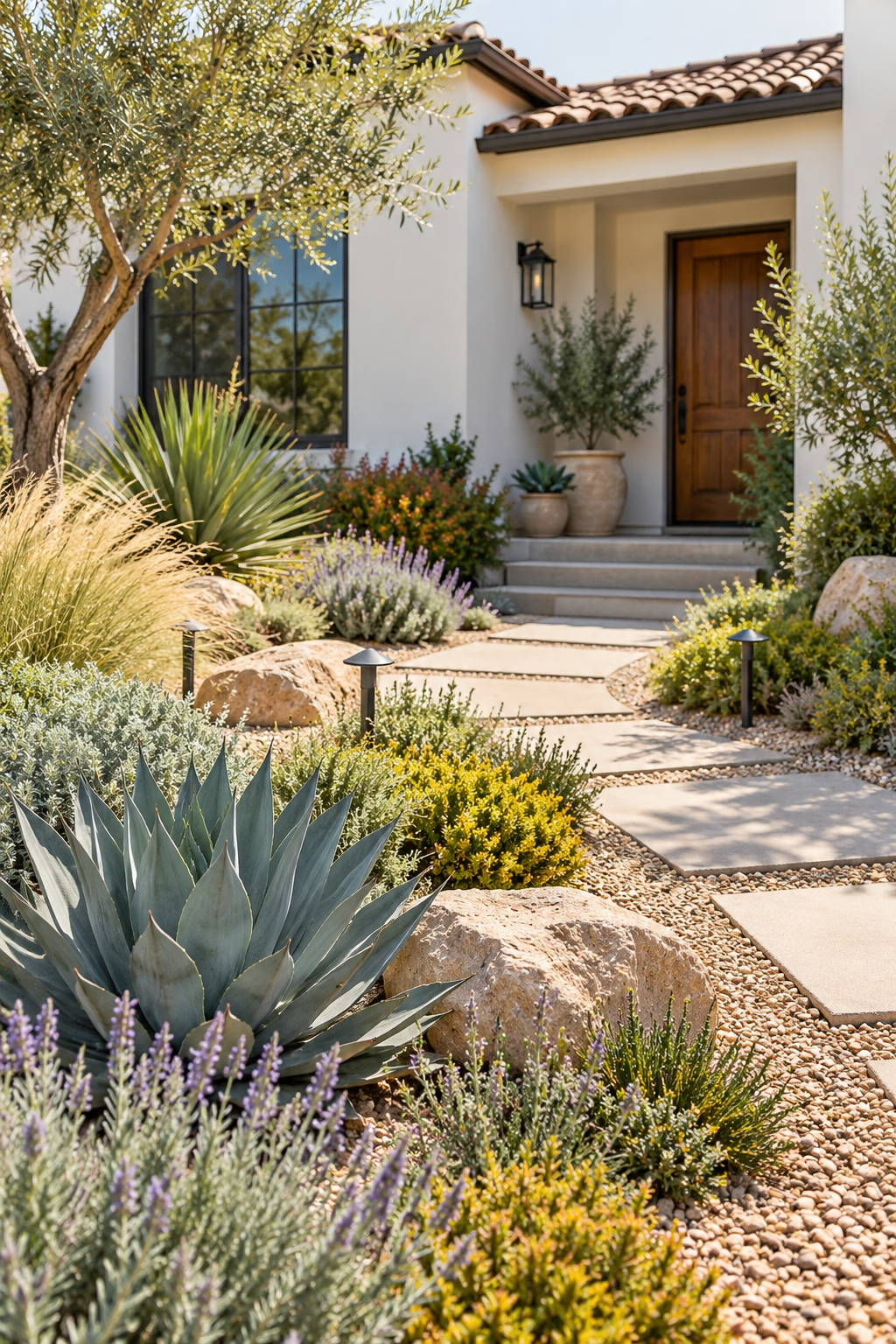
Make the landscape beautiful with less supplemental water
If summer watering is becoming a chore, redesign the front yard around plants that naturally tolerate your local conditions.
Depending on where you live, that might include native grasses, salvias, lavender, succulents, penstemons, sedums or drought-adapted shrubs.
The exact plants should always be selected for your region.
Group plants with similar water requirements together rather than mixing thirsty species with drought-tolerant ones.
This approach, sometimes called hydrozoning, allows each part of the landscape to receive a more appropriate amount of water.
Add mulch, gravel paths or stone accents to finish the design.
9. Use Repeated Planting in a Small Front Yard
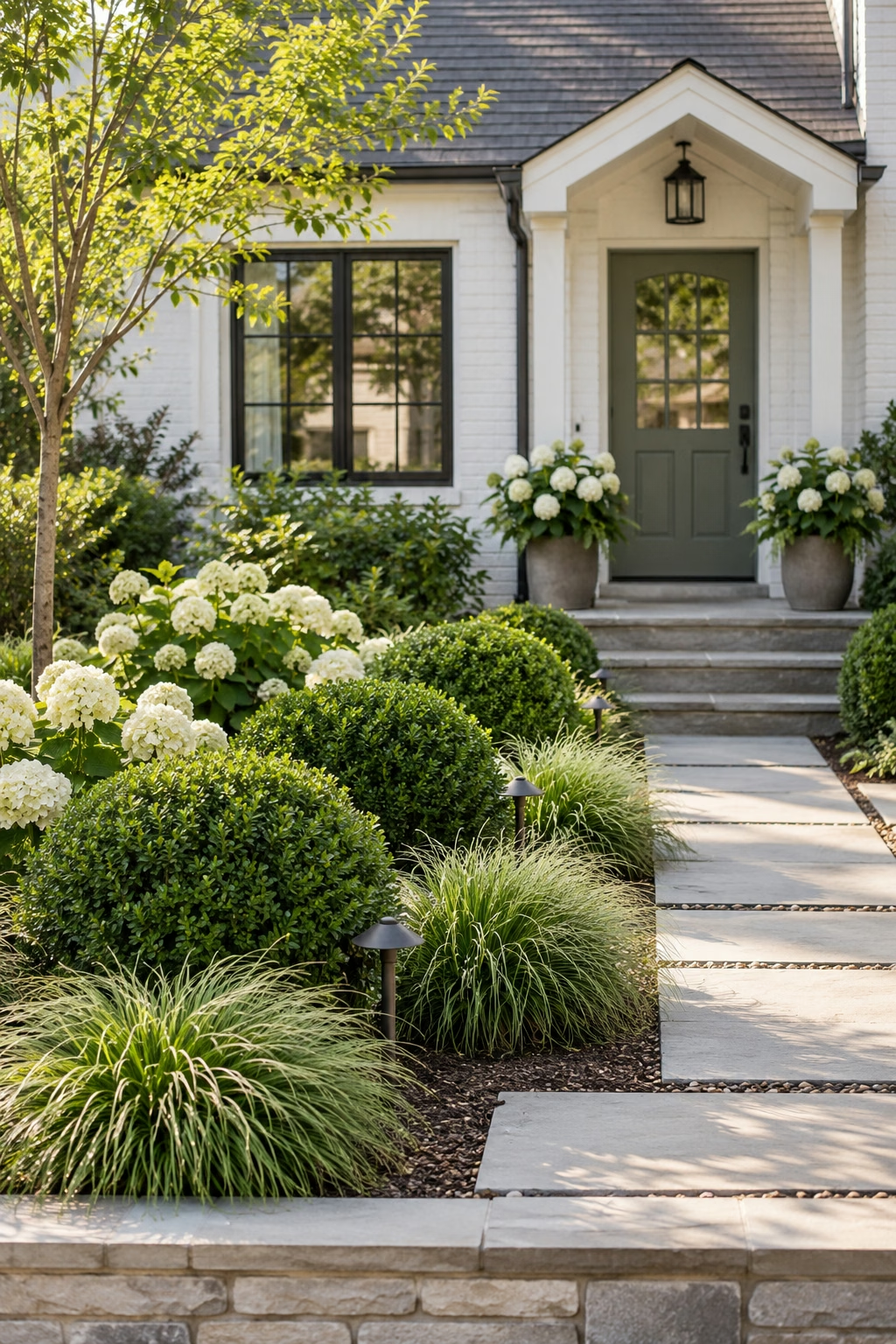
Make a tiny garden look calmer and larger
When space is limited, the temptation is to squeeze in as many different plants as possible.
Usually, the opposite works better.
Choose perhaps four to six main plants and repeat them around the yard.
For example, you could combine one compact shrub, one ornamental grass, two flowering perennials and one spreading ground cover.
Repeating those plants creates rhythm and visually connects separate areas.
It is particularly effective when the yard is viewed from the sidewalk because broad groups of plants are easier to understand from a distance than dozens of individual specimens.
10. Frame the Front Door With Matching Garden Beds
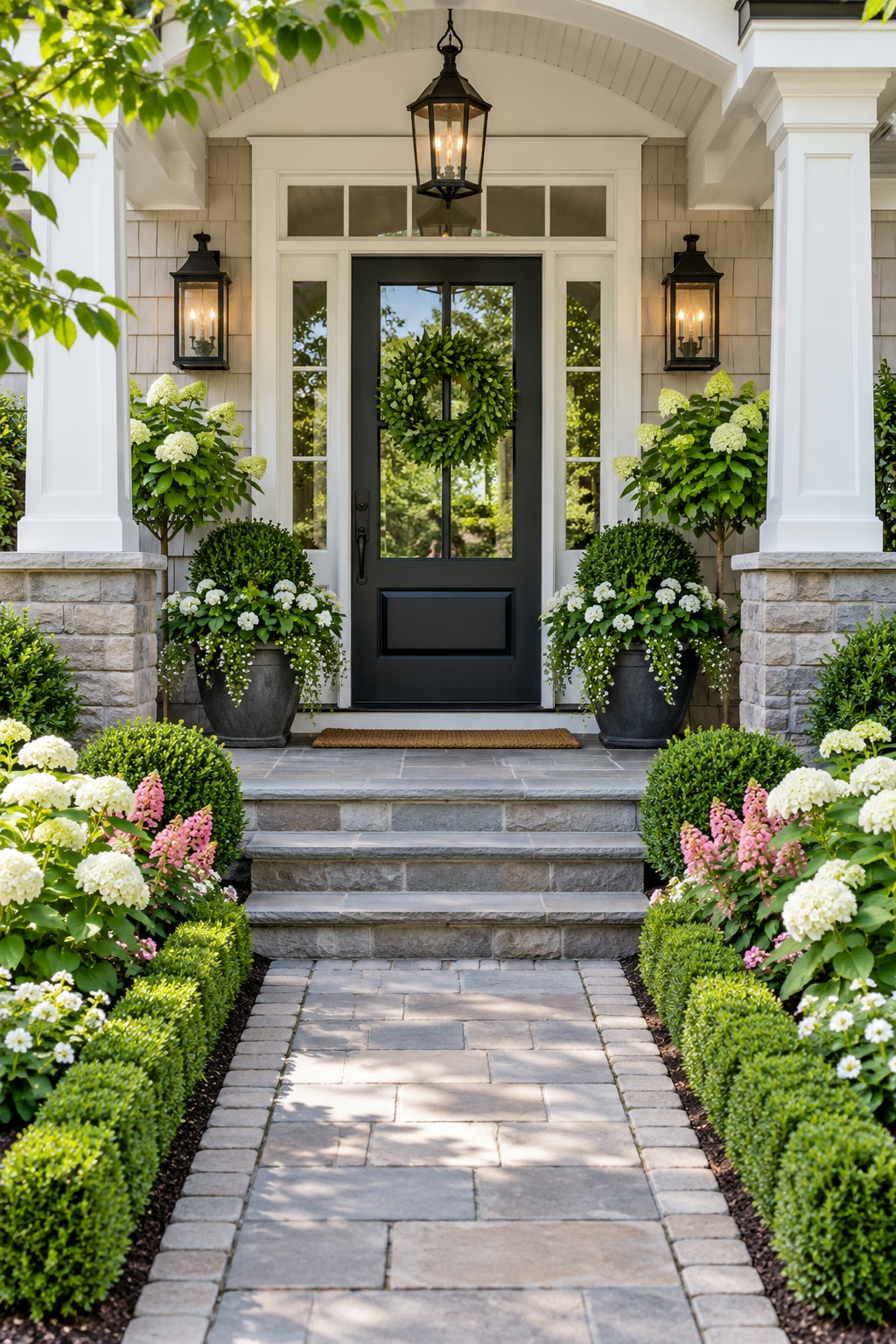
Create a strong sense of arrival
If your house has a fairly symmetrical facade, use that architecture to your advantage.
Create matching or nearly matching beds on each side of the front entrance.
Evergreen shrubs can form the base, while flowers or ornamental grasses add softer texture.
Matching planters beside the door can strengthen the effect.
You do not need perfect symmetry everywhere. Simply repeating a few key shapes and plants is enough to make the entrance feel intentional.
This approach is especially useful when the front door currently feels lost among large windows, garage doors or broad stretches of siding.
11. Turn the Mailbox Into a Mini Garden
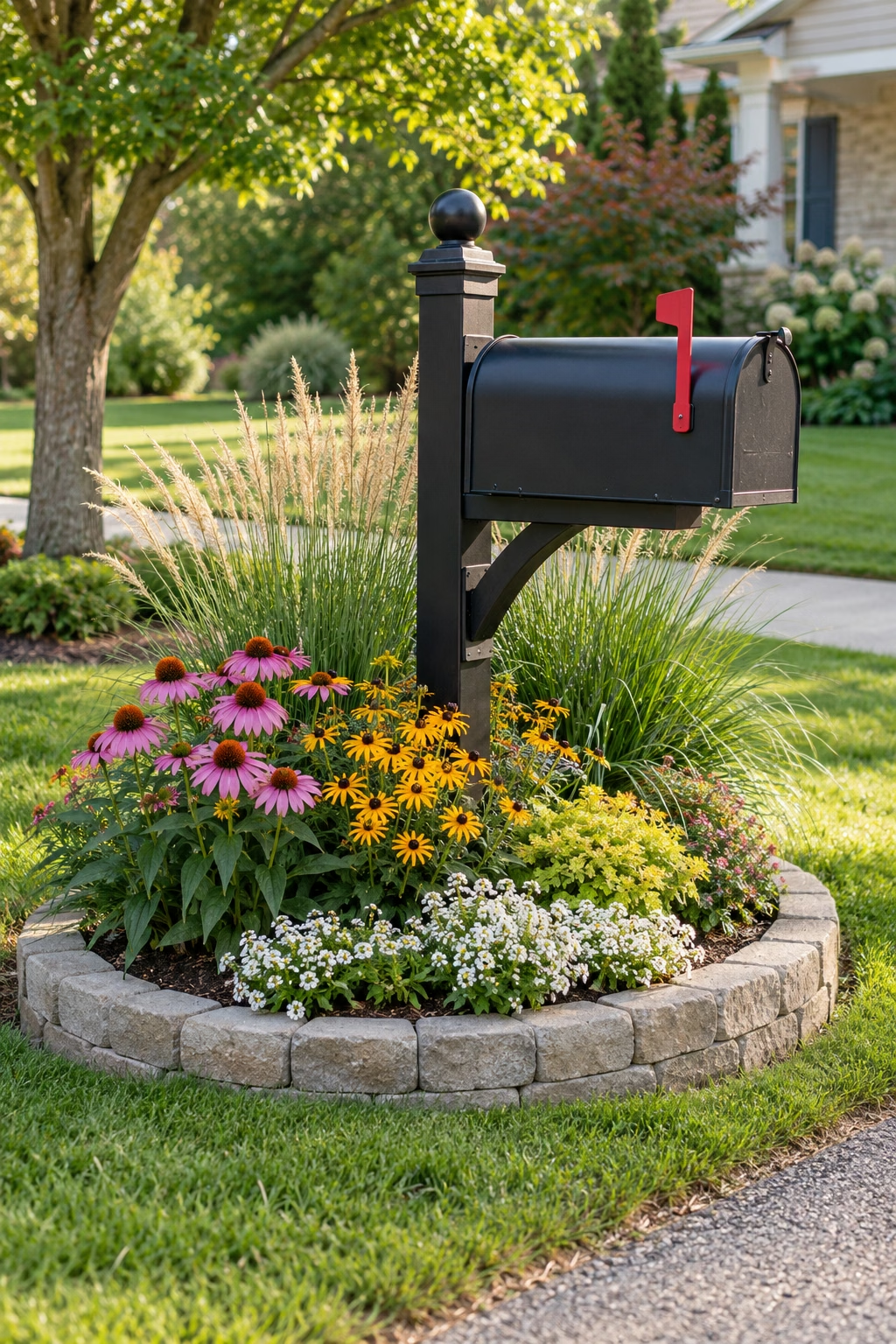
Give the curb its own colorful focal point
The mailbox is often one of the first things people see, yet it is frequently surrounded by nothing but grass.
A small garden bed around it can make a noticeable difference.
Try low perennials, compact grasses or long-blooming flowers around the base.
A climbing plant can also work on a sturdy mailbox structure, provided it does not interfere with access.
Mailbox locations are often sunny and exposed, so tough plants generally perform better than delicate varieties.
Most importantly, leave plenty of clear space around the mailbox so delivery access remains easy.
12. Create a Garden Beneath a Mature Tree
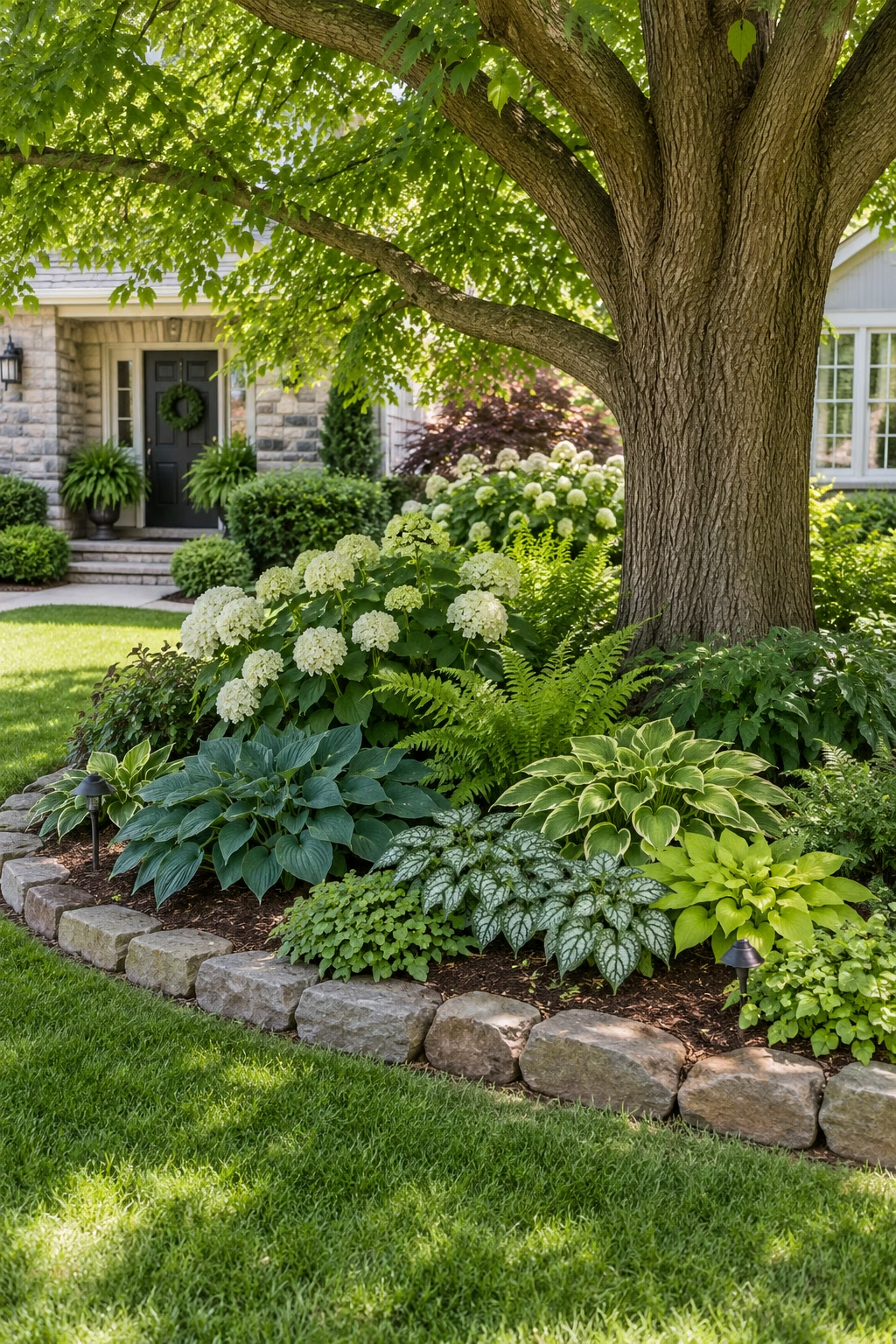
Turn difficult shady lawn into a natural-looking bed
Grass often struggles beneath mature trees because of shade and competition for moisture.
Instead of repeatedly reseeding the area, consider converting it into a simple woodland-style bed.
Depending on local conditions, shade-tolerant ground covers, ferns and woodland perennials can create a much more natural transition.
You can also use organic mulch across part of the area.
Avoid piling soil or mulch against the trunk. Extension guidance recommends keeping mulch away from the trunk rather than creating the familiar “mulch volcano.”
Work gently around established tree roots and avoid unnecessary digging.
13. Build a Lush Shade Garden
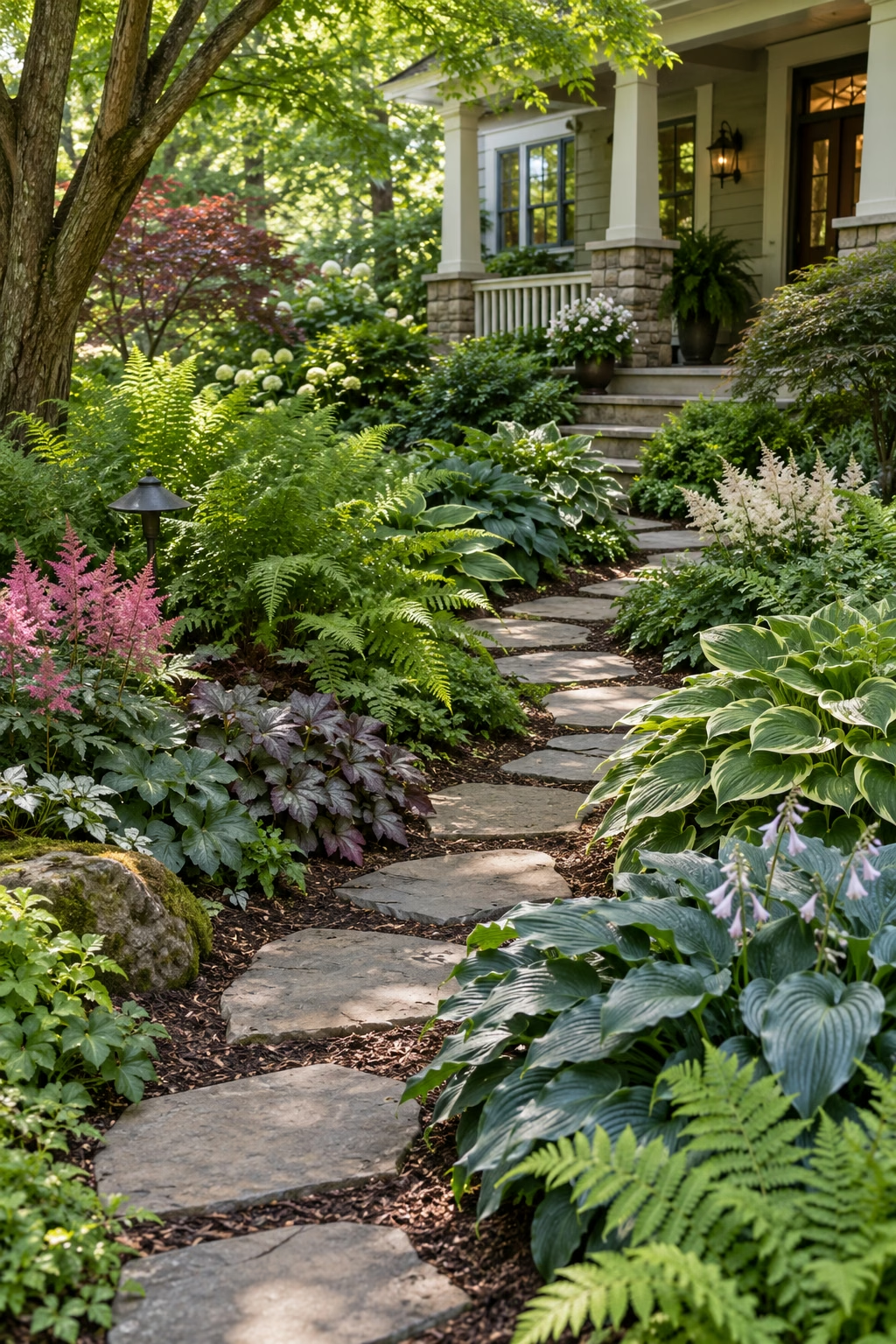
Use foliage when flowers are harder to grow
A north-facing front yard or one shaded by mature trees does not have to feel dull.
In shade, foliage becomes the star.
Look for combinations of broad leaves, fine textures, upright forms and low ground covers.
Depending on your region, plants such as ferns, hostas, heucheras and shade-tolerant grasses may work beautifully.
Add a simple path through a larger shaded area to make it feel like a small woodland garden.
Natural materials such as stone, bark and wood fit particularly well with this style.
14. Create a White Flower Front Garden
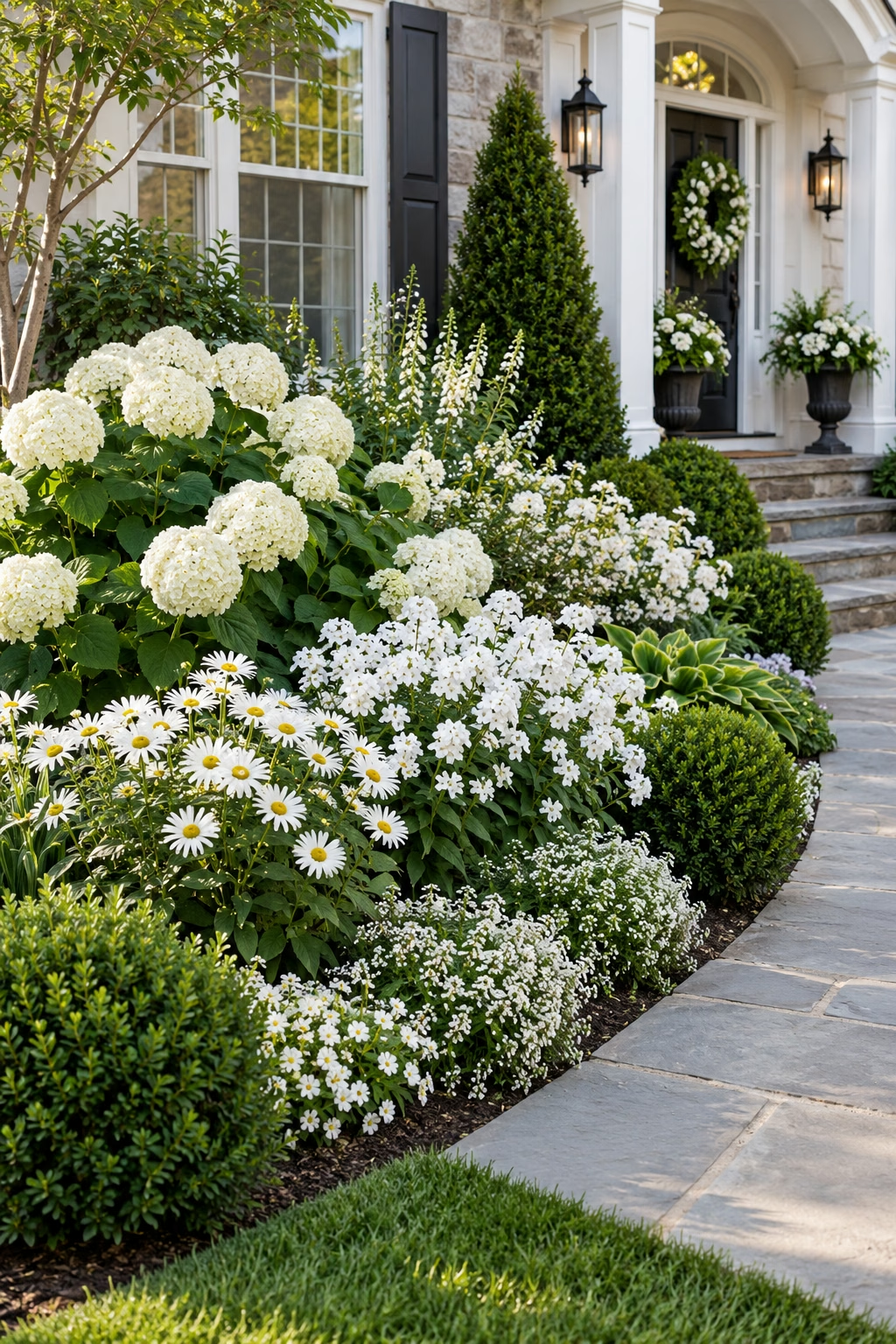
Keep the color palette simple and elegant
Sometimes limiting color creates more impact than adding more of it.
Try designing a front garden around white blooms mixed with green foliage.
Use different flower shapes and plant heights so the bed still has depth.
White roses, flowering shrubs, daisylike perennials, annuals and spring bulbs can all contribute, depending on climate.
You do not need every plant to flower white. Evergreen foliage, silver leaves and ornamental grasses can provide the structure around the blooms.
The restricted palette works especially well against dark siding, brick, stone or black exterior details.
15. Grow a Hydrangea-Led Front Garden
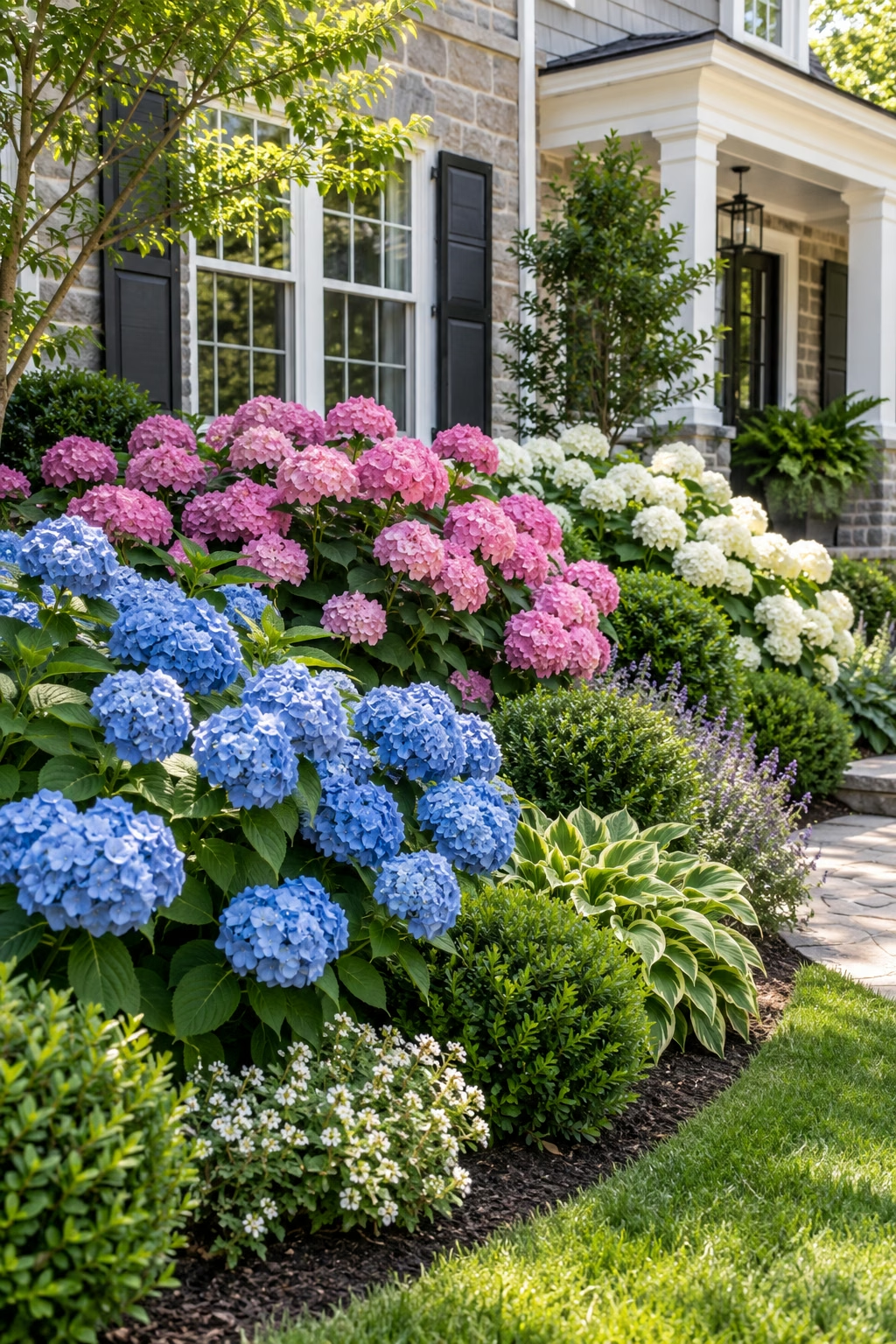
Use generous flowering shrubs as the main feature
Where the climate and site conditions suit them, hydrangeas can make an impressive foundation planting.
Instead of scattering individual hydrangeas throughout the yard, use several together for stronger visual impact.
Then add lower perennials in front.
Consider mature size carefully. Some hydrangeas become much larger than they appear at the nursery.
Varieties also differ considerably in sun tolerance, pruning requirements and cold hardiness, so choose types suited to your region rather than selecting by flower color alone.
A simple combination of hydrangeas, evergreen structure and low flowers can create an elegant front garden without needing dozens of plant varieties.
16. Create a Rose and Perennial Entrance Garden
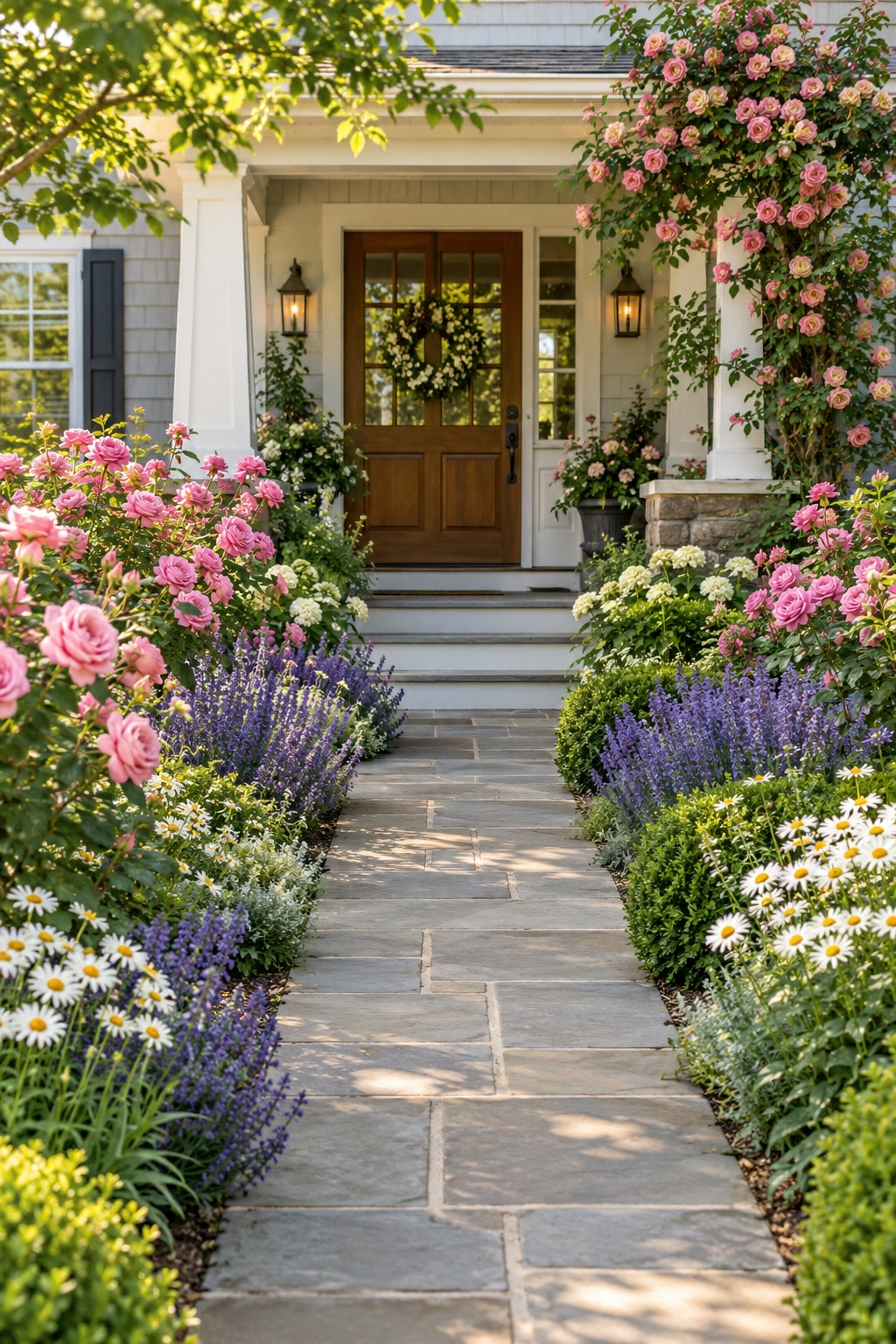
Give the walkway classic garden charm
Roses can feel much more relaxed when they are mixed with perennials instead of being grown in isolated beds.
Place roses a little farther back from the walkway, then soften their bases with lower flowering plants.
Choose repeat-blooming or disease-resistant varieties appropriate for your climate if easy care is important.
The surrounding perennials help keep the garden interesting when the roses are not at peak bloom.
This combination works beautifully around traditional homes, cottage houses and front porches.
17. Use Ornamental Grasses for a Modern Front Yard
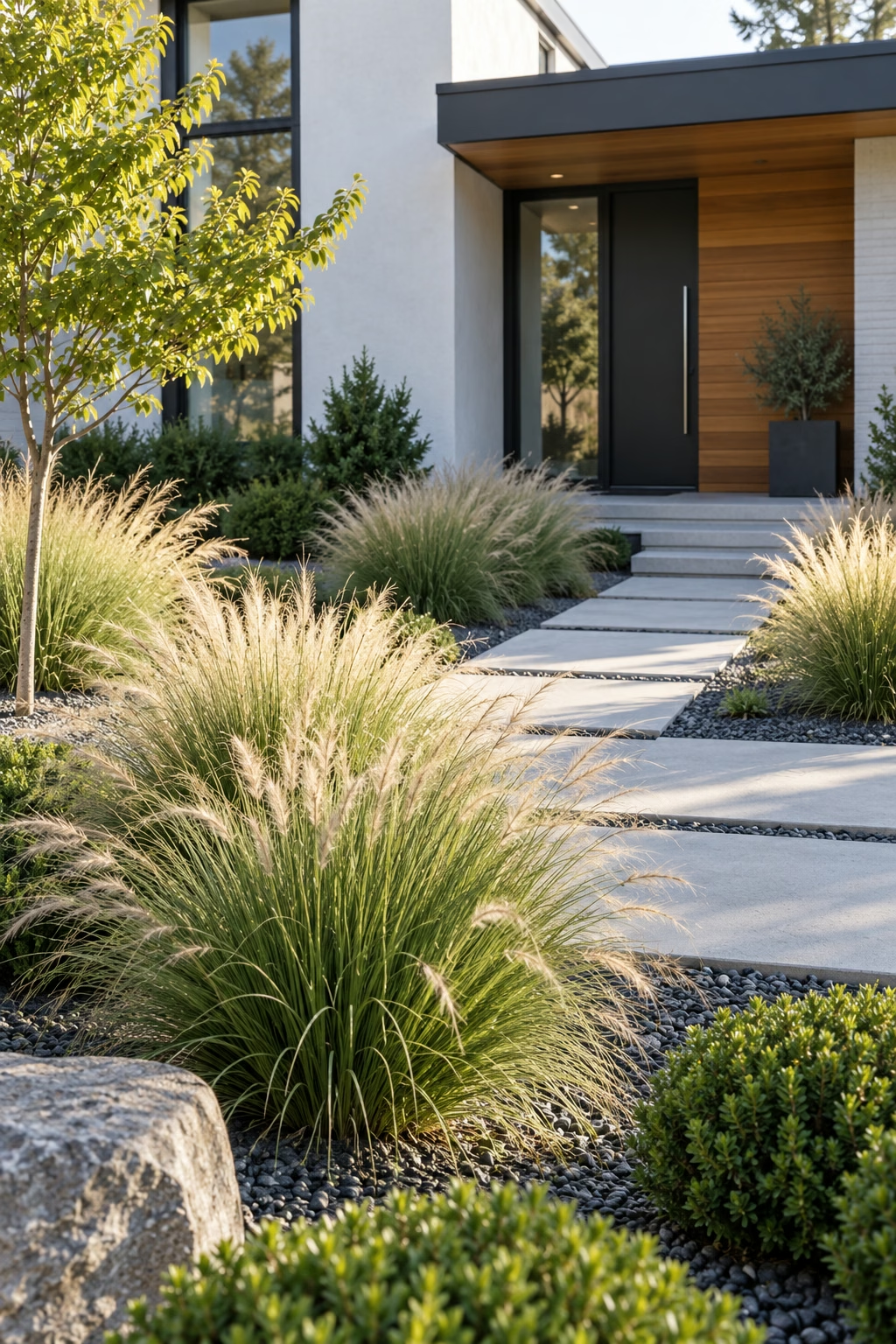
Add movement without making the design busy
Modern gardens often rely on shape and texture more than flowers.
Ornamental grasses are ideal for that approach.
Plant them in repeated groups beside concrete paths, gravel areas or simple rectangular beds.
Upright grasses provide strong vertical lines, while rounded or arching varieties soften hard landscaping.
Try to limit the number of grass varieties. Large groups of one or two types usually look stronger than many unrelated specimens.
Grasses also provide movement as they respond to wind, keeping an otherwise minimalist landscape from feeling static.
18. Create a Front Yard Rain Garden
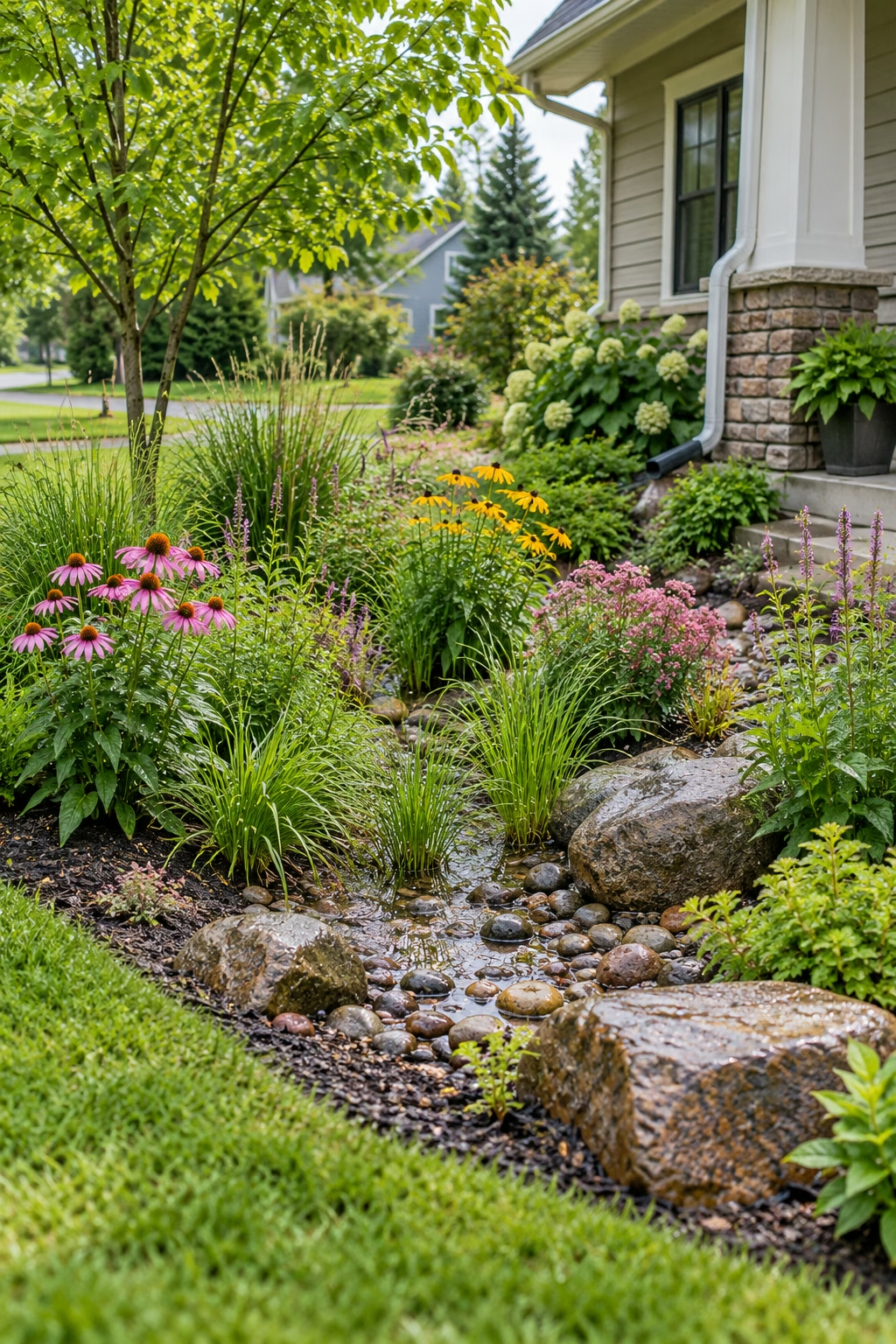
Turn stormwater into a garden feature
If water regularly flows from your roof, driveway or lawn toward one low area, that spot may offer an opportunity for a rain garden.
A rain garden is a shallow planted depression designed to temporarily collect runoff and allow it to soak into the ground.
It can look like an ordinary flower garden when dry.
Use plants suited to both temporary wet conditions and the site’s normal moisture level.
EPA guidance recommends rain gardens as a way to keep more stormwater on the property and reduce runoff, while native plants can help stabilize the planting.
Proper placement matters, so investigate drainage, utilities and local guidance before excavating.
19. Add Attractive Raised Beds
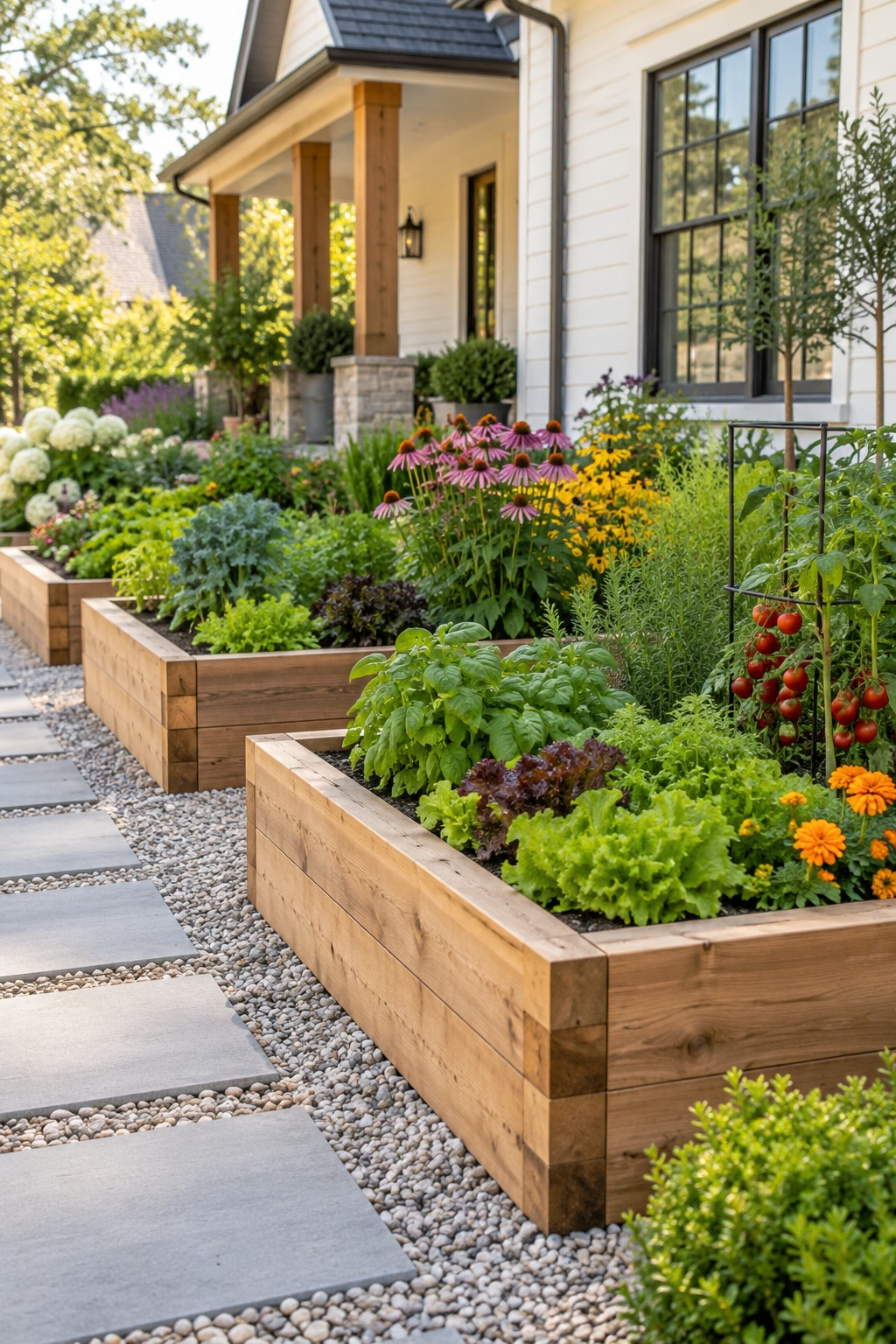
Mix flowers, herbs and useful plants
Raised beds do not have to be hidden in the backyard.
Well-designed beds made from timber, brick, stone or metal can become part of an attractive front landscape.
Use them for herbs, compact vegetables, flowers or a combination of all three.
For example, a bed might contain rosemary, basil and leafy greens surrounded by colorful flowers.
Keep the structure consistent with the home’s architecture so the beds feel permanent rather than temporary.
This works particularly well in small urban front yards where sunny gardening space is limited.
20. Add Natural Boulders to a Planted Bed
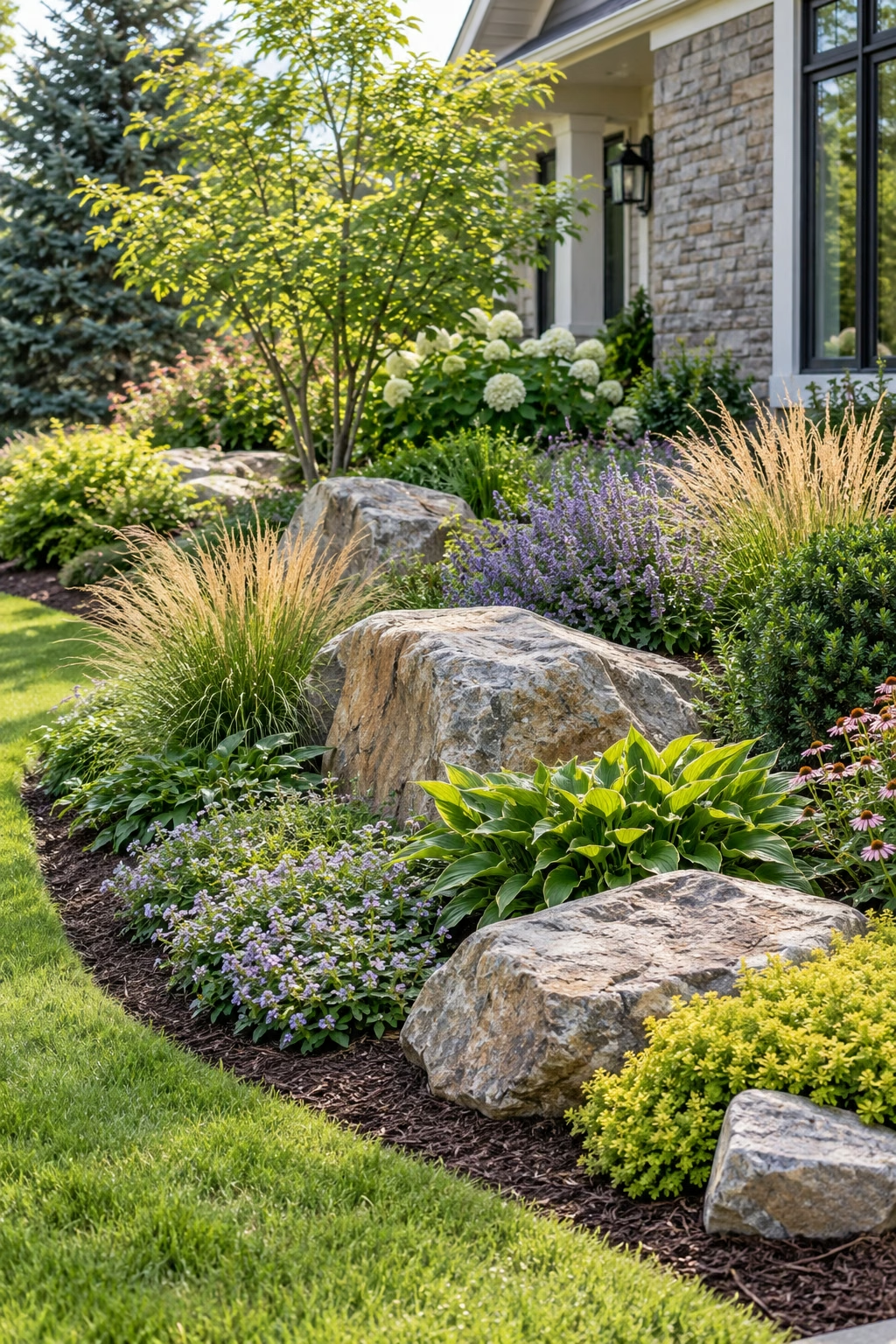
Use stone as a permanent focal point
A few well-placed boulders can make a new garden feel established surprisingly quickly.
The trick is using them sparingly.
Choose stones that look appropriate for the local landscape and partially settle them into the soil rather than placing them on top like decorations.
Surround the stones with grasses, spreading perennials or small shrubs.
This works especially well in drought-tolerant, mountain-inspired and informal gardens.
Vary the heights of nearby plants so the rocks appear to emerge naturally from the planting.
21. Terrace a Sloped Front Yard
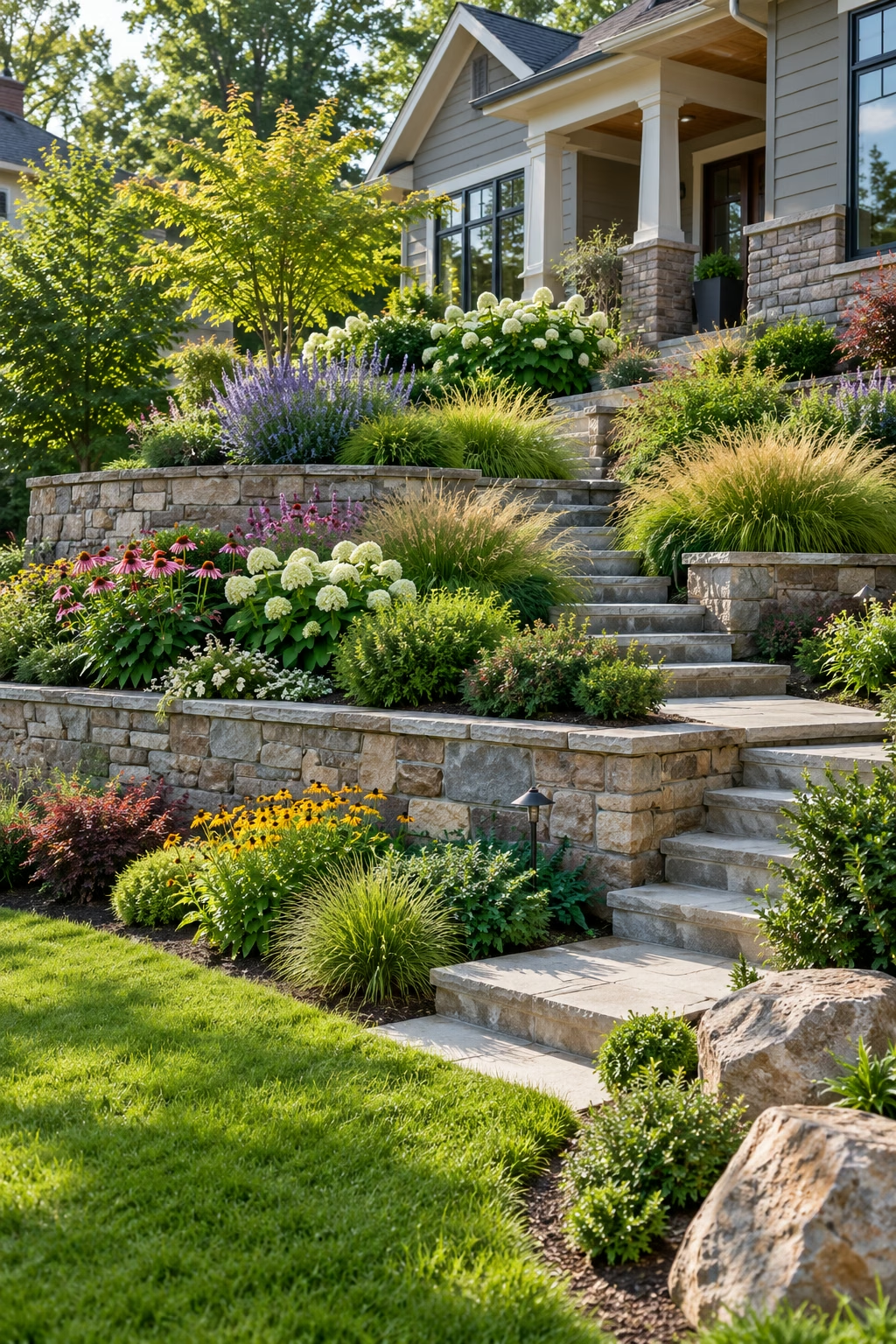
Turn a difficult hill into several usable garden levels
Steep front yards can be frustrating to mow and vulnerable to runoff.
Terracing divides a slope into flatter sections that can be planted more easily.
Short retaining walls made from stone or compatible landscape blocks can create separate beds filled with shrubs, flowers and ground covers.
Terraces also give you an opportunity to repeat plants from one level to another, tying everything together.
Larger retaining walls require careful engineering and drainage, so structural projects may need professional advice.
Even small terraces, however, can dramatically change how a sloped yard functions.
22. Plant a Flower Border Along a Picket Fence
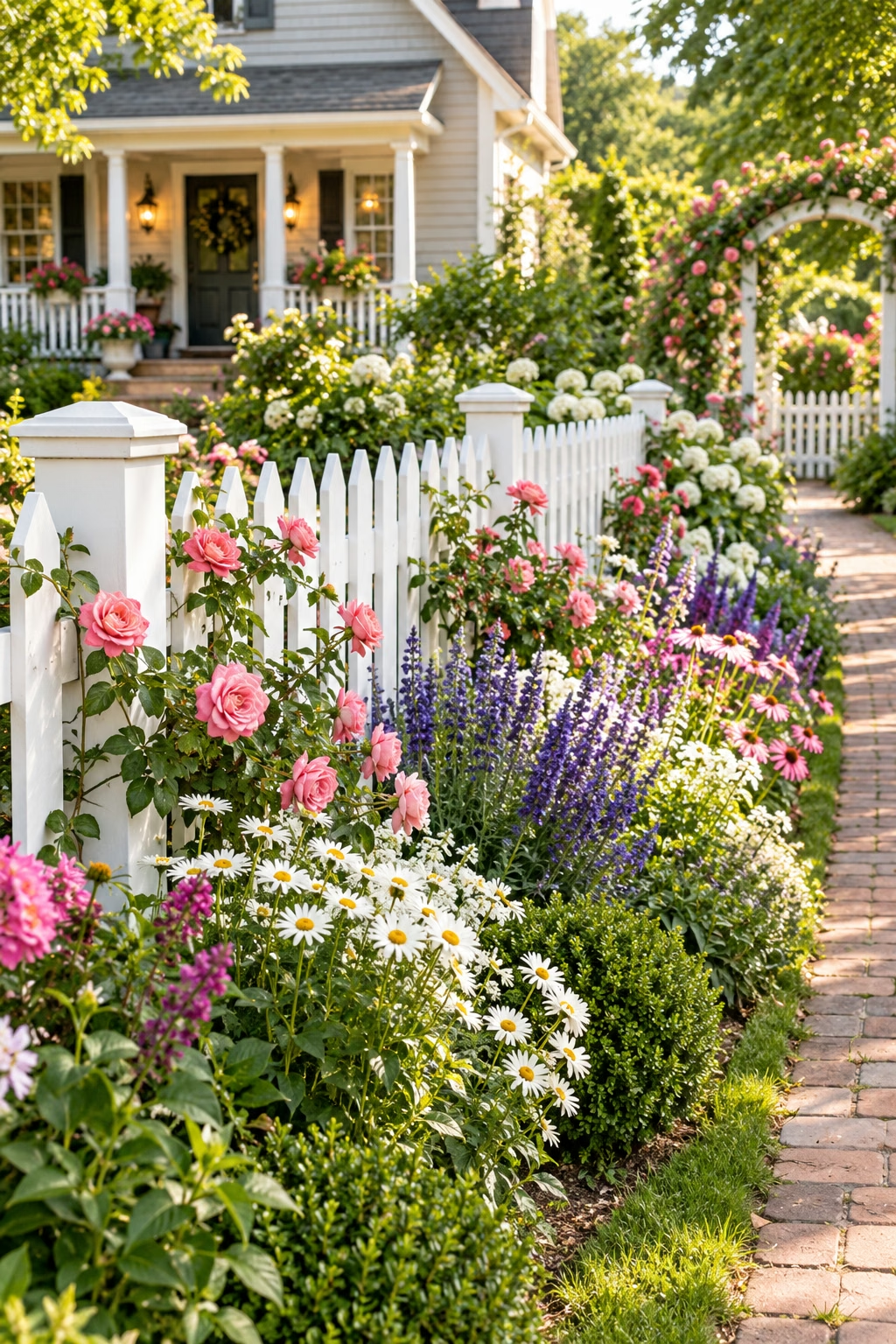
Combine structure with relaxed planting
A fence gives a flower garden something to lean visually against.
White picket fencing is the classic example, but the same principle works with wood, metal and low decorative fencing.
Place taller flowers and shrubs toward the fence, then gradually lower plant heights toward the lawn or walkway.
Allow a few plants to soften the fence line without completely hiding it.
The result is especially charming when flowers repeat along the length of the fence rather than appearing as isolated spots.
23. Plant Spring Bulbs in Large Drifts
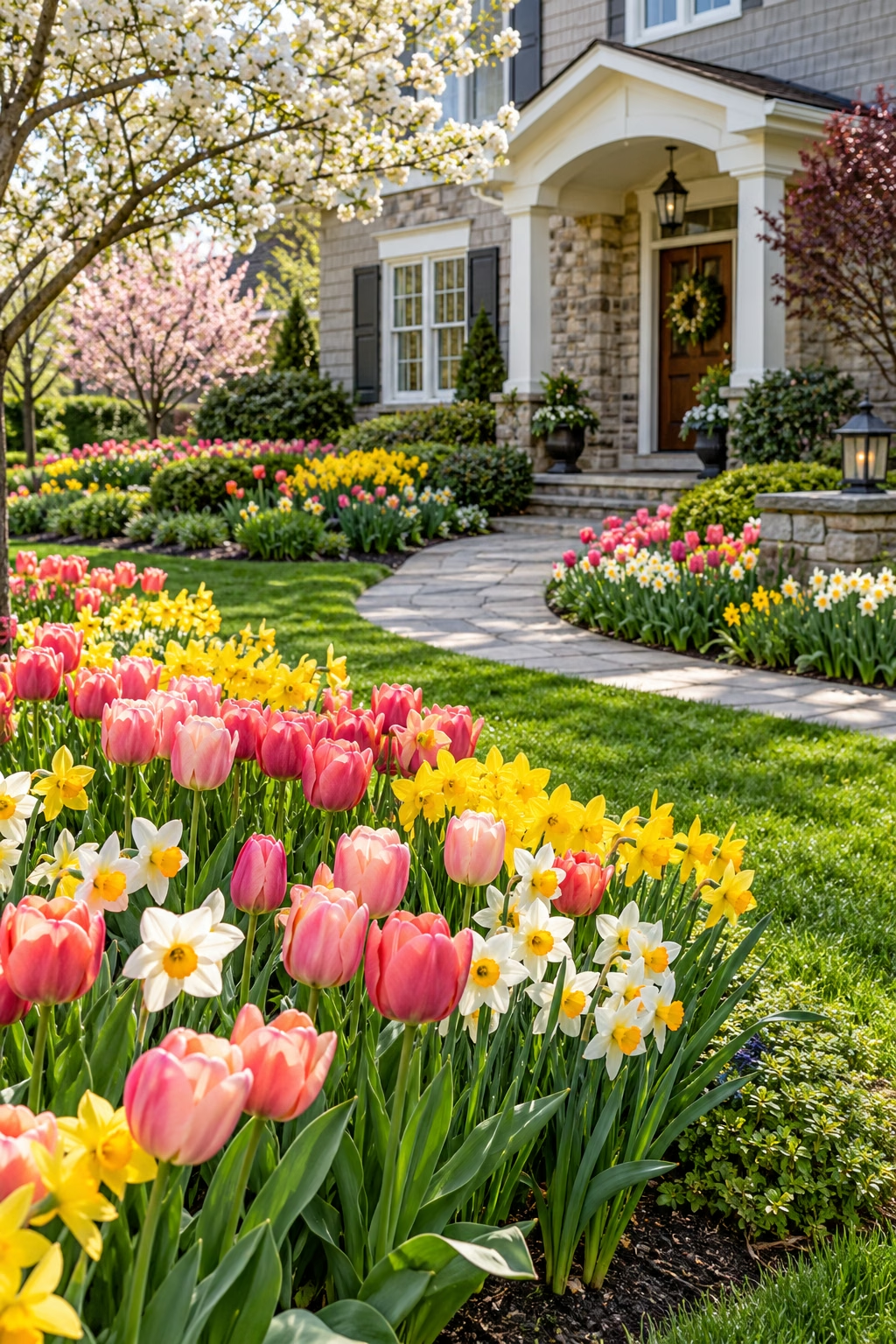
Make the front yard come alive early in the year
Tulips, daffodils and other spring bulbs often look best when planted in groups rather than straight rows.
Tuck clusters between shrubs and perennials so the garden explodes with color before many other plants begin blooming.
When the bulb foliage fades, surrounding perennials can gradually hide it.
This creates a natural succession from spring bulbs to later flowers.
Choose bulbs appropriate for your climate and local growing conditions.
Repeated drifts of the same variety can create a much stronger curbside effect than dozens of unrelated colors.
24. Replace Difficult Lawn With Ground Covers
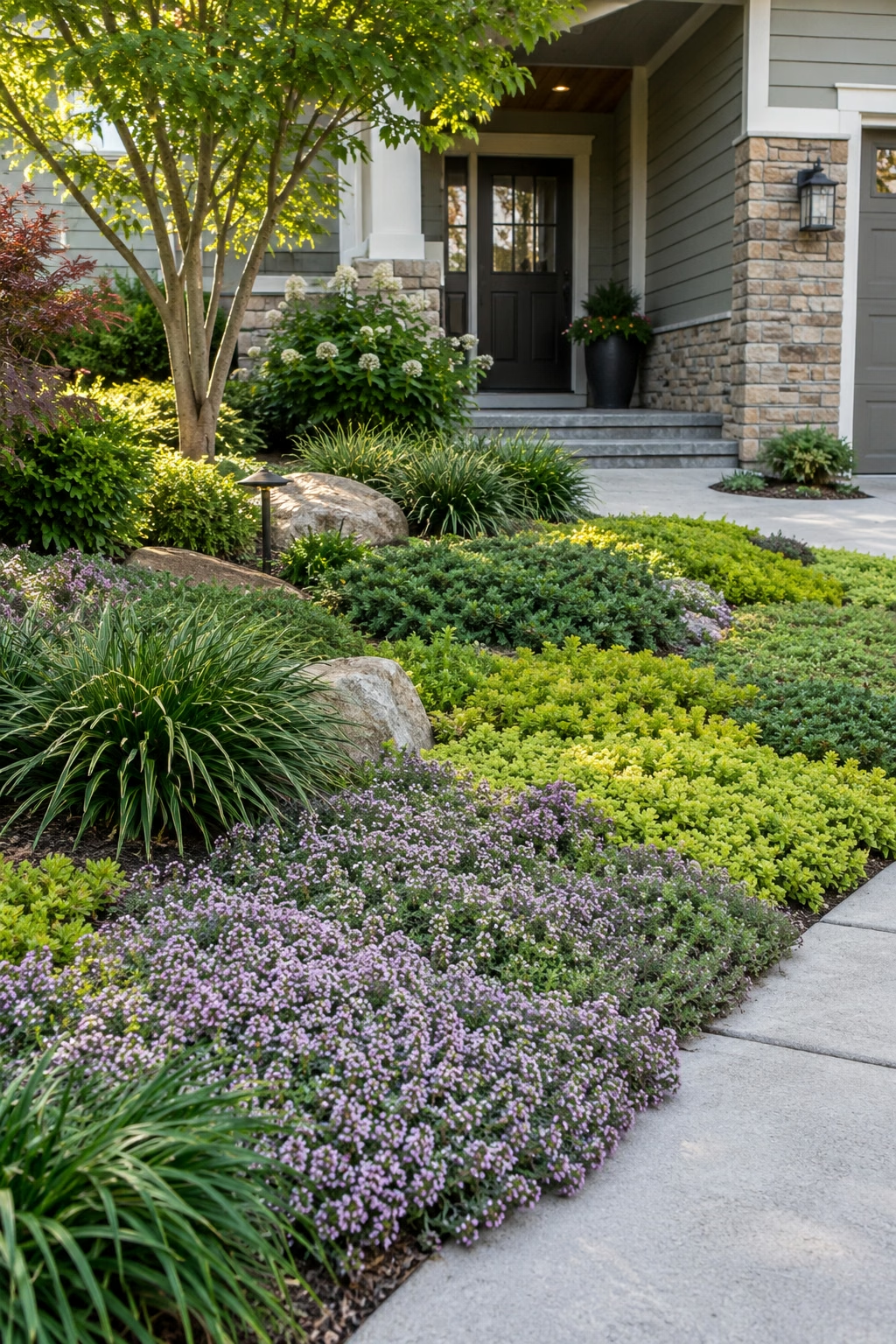
Create a softer alternative to turf
Some areas simply do not make good lawns.
Deep shade, narrow strips, steep slopes and awkward corners can all be better suited to spreading ground-cover plants.
Depending on the climate and light, options may range from sedges and creeping perennials to low native plants.
Ground covers can help suppress weeds, cover bare soil and reduce mowing once established.
Avoid assuming one plant works everywhere. Select the ground cover according to sun, soil moisture, winter conditions and foot traffic.
25. Cluster Containers Around the Entrance
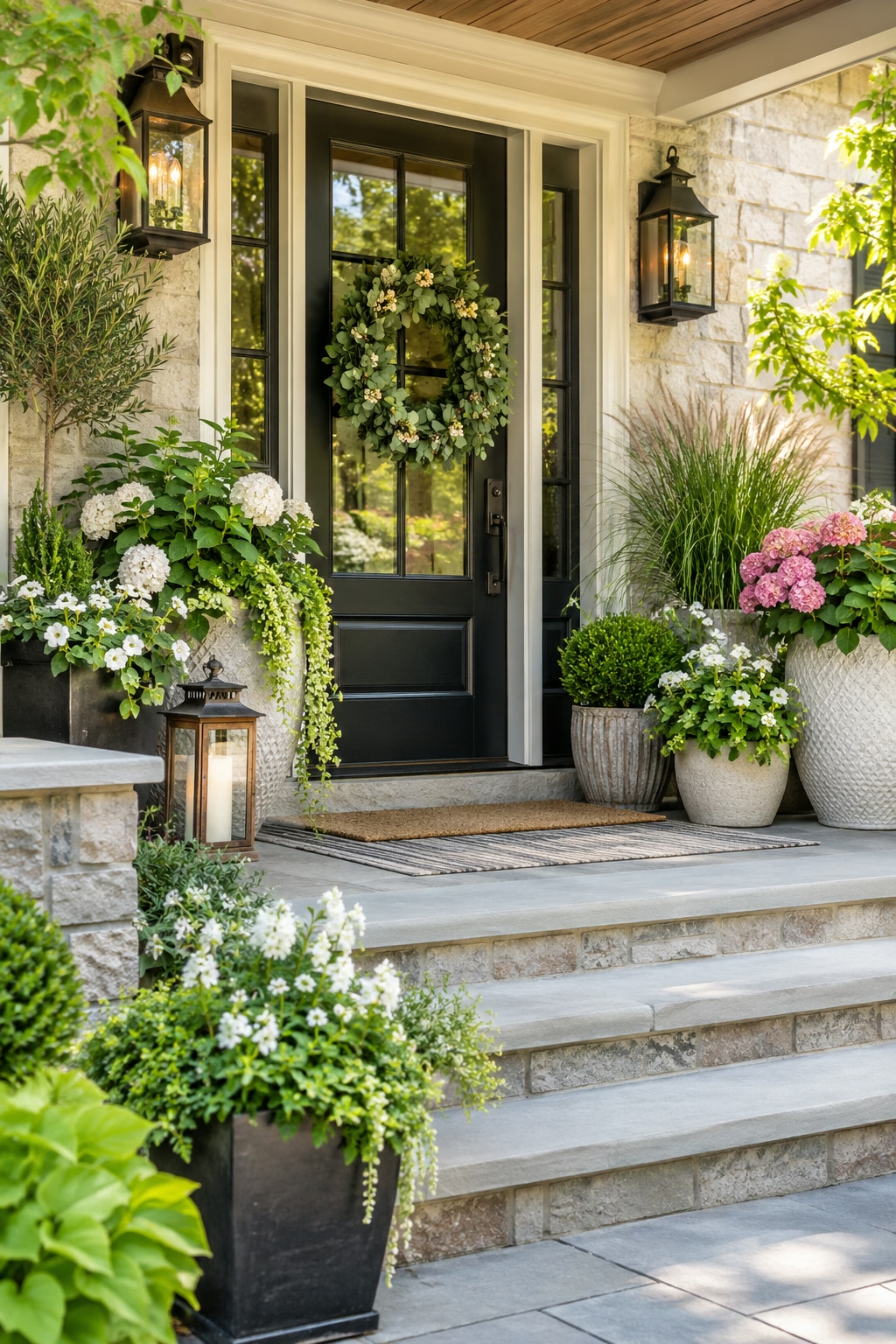
Get an instant garden without digging a large bed
Containers are ideal when you want a noticeable change without redesigning the whole yard.
Place several pots near the porch, front steps or walkway entrance.
Instead of arranging identical pots in a straight line, experiment with two or three sizes.
Combine upright plants, medium-height foliage and one trailing plant to create layers.
You can also change a few seasonal plants during the year while keeping permanent shrubs or grasses in the largest containers.
Grouping pots together usually looks more intentional than scattering them throughout the yard.
26. Turn the Curb Strip Into a Garden
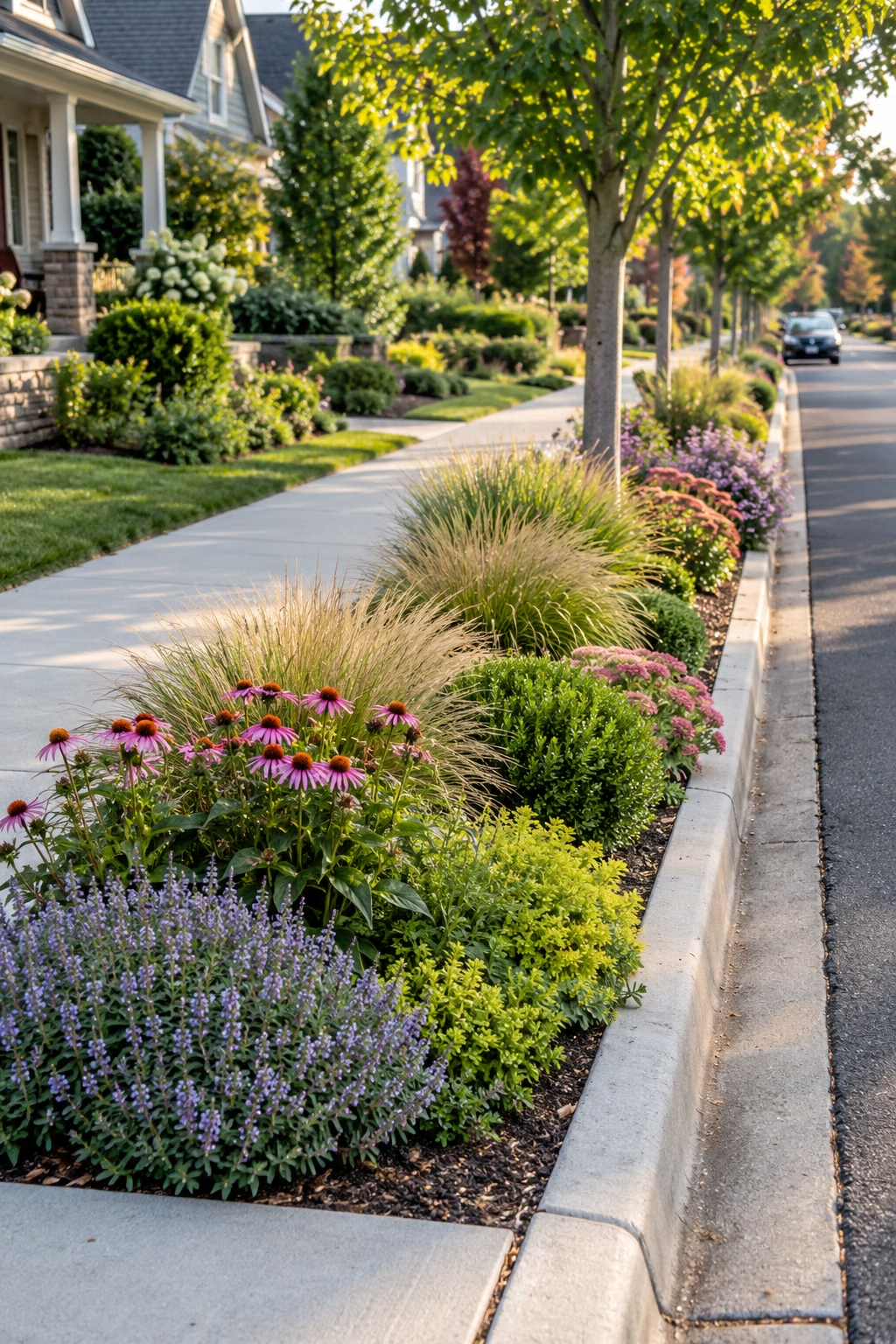
Make an overlooked piece of land useful
The narrow strip between a sidewalk and street can be one of the hardest parts of a front yard.
It is hot, exposed and frequently surrounded by pavement.
But tough, low-growing plants can turn it into an attractive garden border.
Look for plants that tolerate the site’s actual conditions, which may include heat, road salt, drought or compacted soil.
Keep plants low enough that they do not block drivers’ views or make sidewalk access difficult.
Check local regulations before planting because some municipalities restrict what can be grown or built near streets and utilities.
27. Design a Four-Season Front Yard Garden
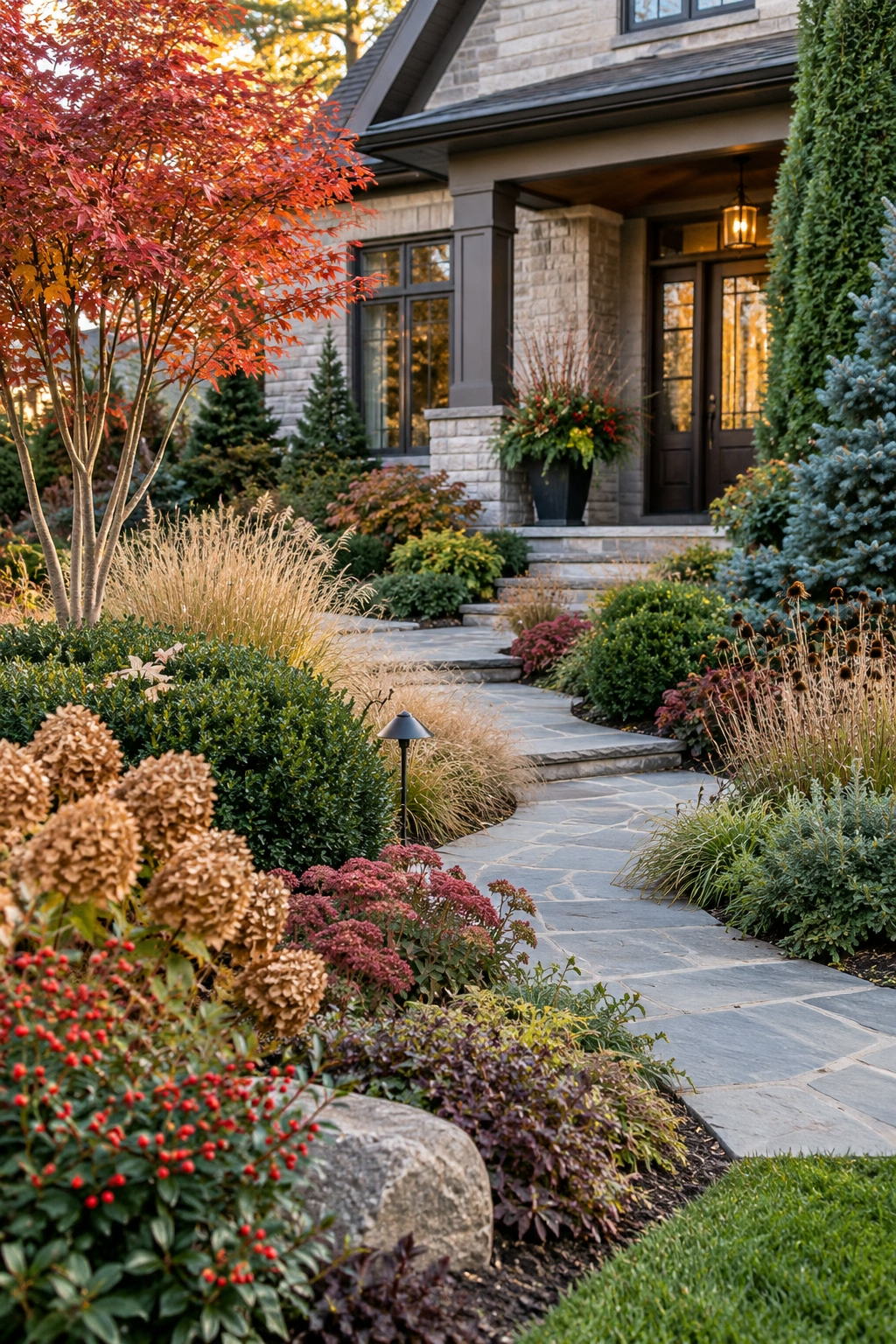
Make the garden interesting even when nothing is blooming
The strongest front yard may be one that does not depend entirely on flowers.
Combine plants that contribute something during different parts of the year.
You might use:
- Spring bulbs
- Summer flowering perennials
- Fall foliage
- Ornamental grasses with winter seed heads
- Evergreen shrubs
- Trees with interesting bark
- Shrubs with colorful stems or berries
Start with a permanent structure, then layer seasonal interest around it.
This makes the garden enjoyable for much longer and prevents the entire front landscape from disappearing visually during winter.
Make Your Front Yard Look Designed, Not Overfilled
The most successful front yard garden ideas are usually not the ones containing the most plants or the most expensive materials. They are the ones where everything feels connected.
Choose a clear pathway. Define your planting beds. Repeat several reliable plants. Layer heights from low to tall. Leave enough room for plants to reach their mature size. Then add one or two memorable details, such as a flowering tree, a beautiful mailbox garden, a stone path or a colorful front-door planting.
Most importantly, choose plants for the conditions you actually have rather than copying an exact Pinterest garden from a different climate. EPA plant-selection guidance stresses matching plants to regional climate, sunlight, water and soil conditions, while native-plant resources can help identify species naturally suited to your area.
With that approach, your front yard can become more than a patch of lawn. It can become a welcoming garden that looks good from the street and feels good to come home to.