
Most backyards have one. It’s the spot where two fences meet and nothing much happens. Maybe it holds a leftover pile of pavers, a struggling shrub, or the hose reel nobody wants to look at. You walk past it every day without really seeing it.
Corners are worth a second look. Two sides are already enclosed, so they feel sheltered and private without any extra building. They sit out of the main traffic path, which makes them natural spots for a quiet bench, a water feature, or a garden that can grow a little wild. And because a corner is a small, defined space, finishing one rarely takes a big budget or a whole season of work.
These 21 backyard corner ideas cover cozy seating nooks, fountains and ponds, focal trees, sheds, edible and pollinator plantings, and practical fixes for corners that are shady, sloped, or soggy. Pick the one that matches how your corner gets used now, or the one that fits how you’d like to use it.
1. Build an L-Shaped Corner Bench With Cushions
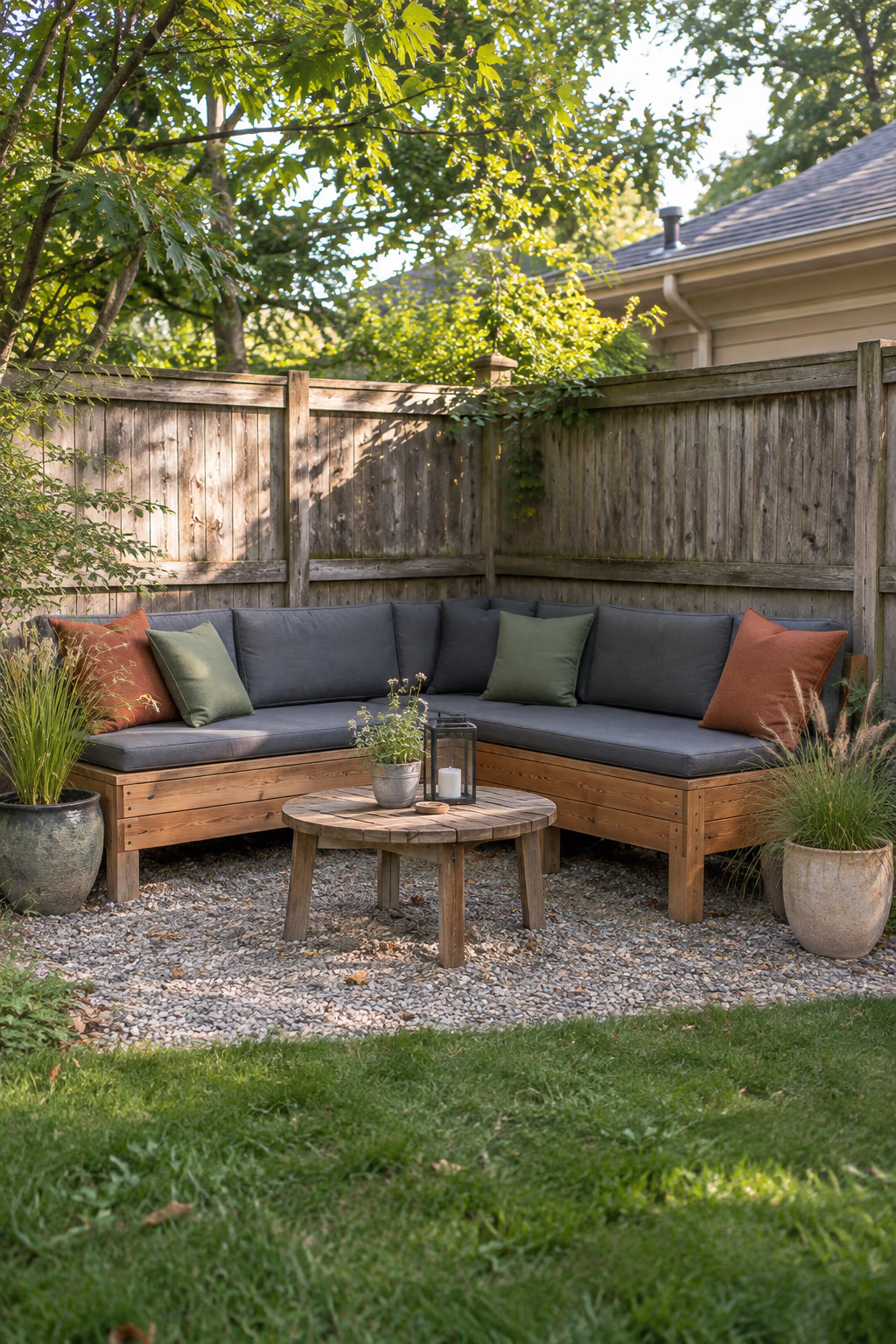
Seating that fits the corner perfectly
An L-shaped bench uses both fence lines, so the corner becomes a small outdoor living room. A simple build uses pressure-treated or cedar 2×4 framing with 2×6 seat boards, about 18 inches high and 20 to 24 inches deep. Run each leg 5 to 7 feet long, and you have room for four or five people around a small coffee table.
The fence behind works as a backrest, but don’t fasten the bench to fence boards. They’re too thin and will rot where they touch. Make the bench freestanding or anchor it to its own posts. Add outdoor cushions in a weather-resistant fabric, plus a few throw pillows in a color that ties to nearby plantings.
Leave a 2-inch gap between the bench and the fence so leaves and water don’t get trapped. Store cushions in a deck box or bring them inside during wet stretches. They’ll last for years longer.
2. Tuck a Bubbling Fountain Into the Corner
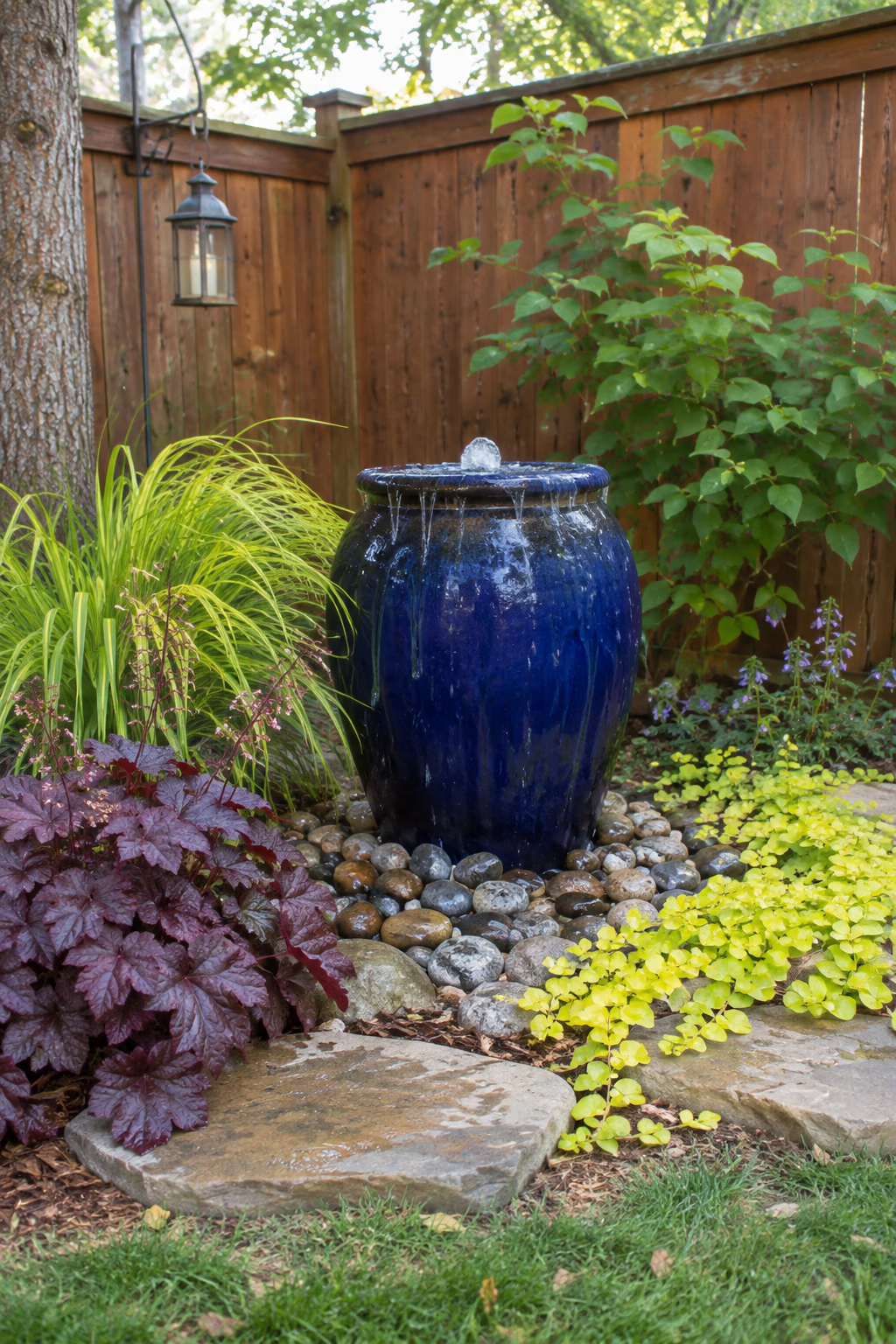
The sound of water in a small footprint
A corner is a natural home for a fountain. The two fences reflect the sound back toward the yard, and the feature becomes a focal point from the patio. For a low-fuss option, choose a bubbling urn or stacked-stone fountain set over a buried reservoir basin covered with river rock. Without an open pool, there’s less evaporation, less algae, and nothing for small children to fall into.
Ring the fountain with soft plants such as Japanese forest grass, heuchera, or creeping jenny. They hide the pump cord and the rim of the basin. A few flat stones at the front give birds a place to land and drink.
Plan the power first. Most pumps need a GFCI-protected outdoor outlet nearby, and any new outdoor circuit should follow local electrical code. Solar pumps avoid wiring, but they slow or stop in shade and on cloudy days.
3. Set a Bistro Table Under Climbing Roses
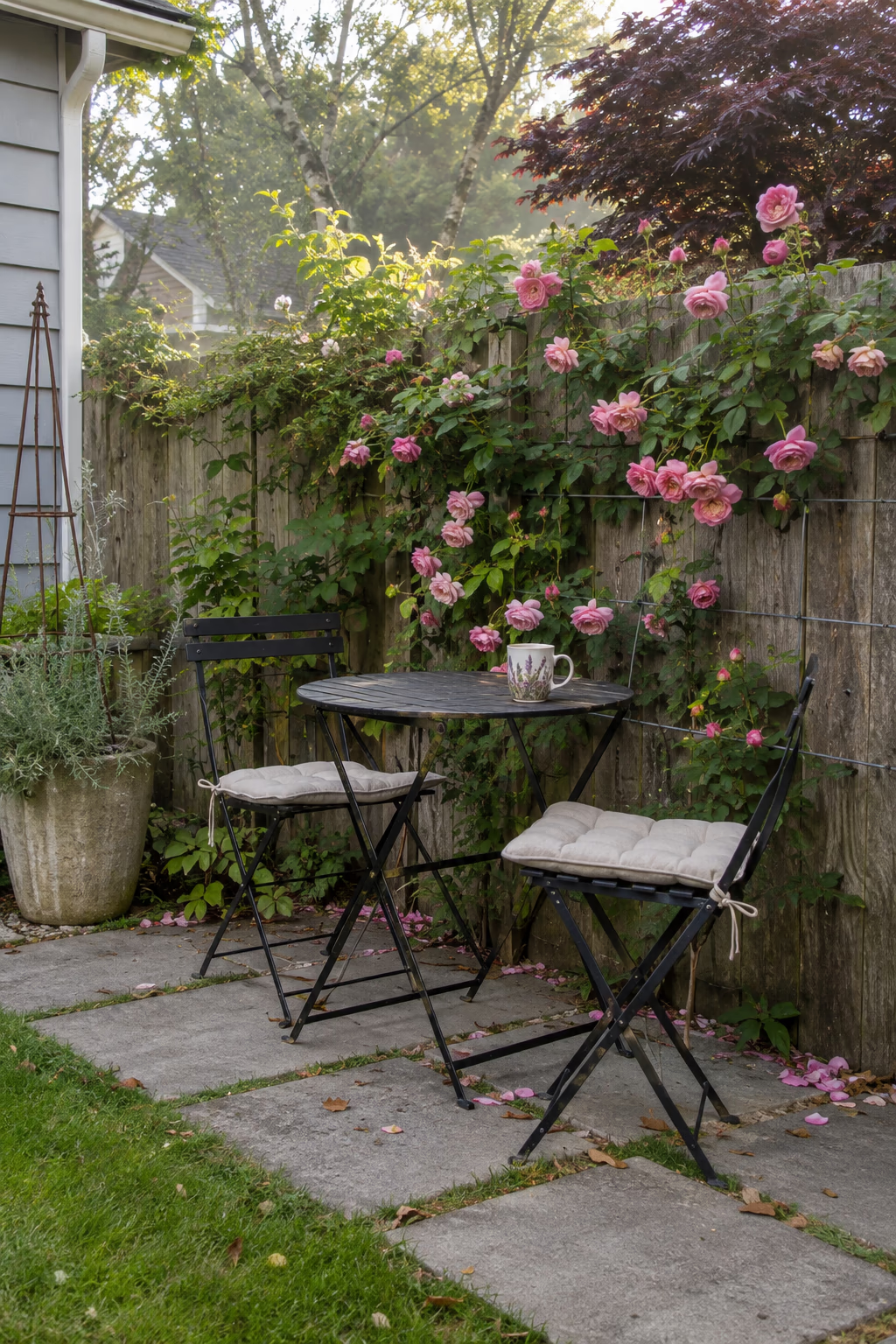
A romantic spot for morning coffee
Two chairs, a small round table, and roses climbing the fence behind them make one of the prettiest corners you can create. Fold-flat metal bistro sets in black, sage, or cream suit almost any yard. Set them on a few large pavers or a patch of pea gravel so the legs don’t sink into the lawn.
Climbing roses need at least six hours of direct sun and a sturdy support. Attach horizontal wires or a wooden lattice panel a few inches off the fence for airflow, then train the long canes sideways rather than straight up. Horizontal canes produce more flowering shoots. Repeat-blooming climbers give color from late spring into fall.
Leave some elbow room. Roses have thorns, so keep chairs at least 2 feet from the canes. In a shady corner, clematis or climbing hydrangea are gentler options.
4. Plant a Multi-Stem Ornamental Tree as a Focal Point
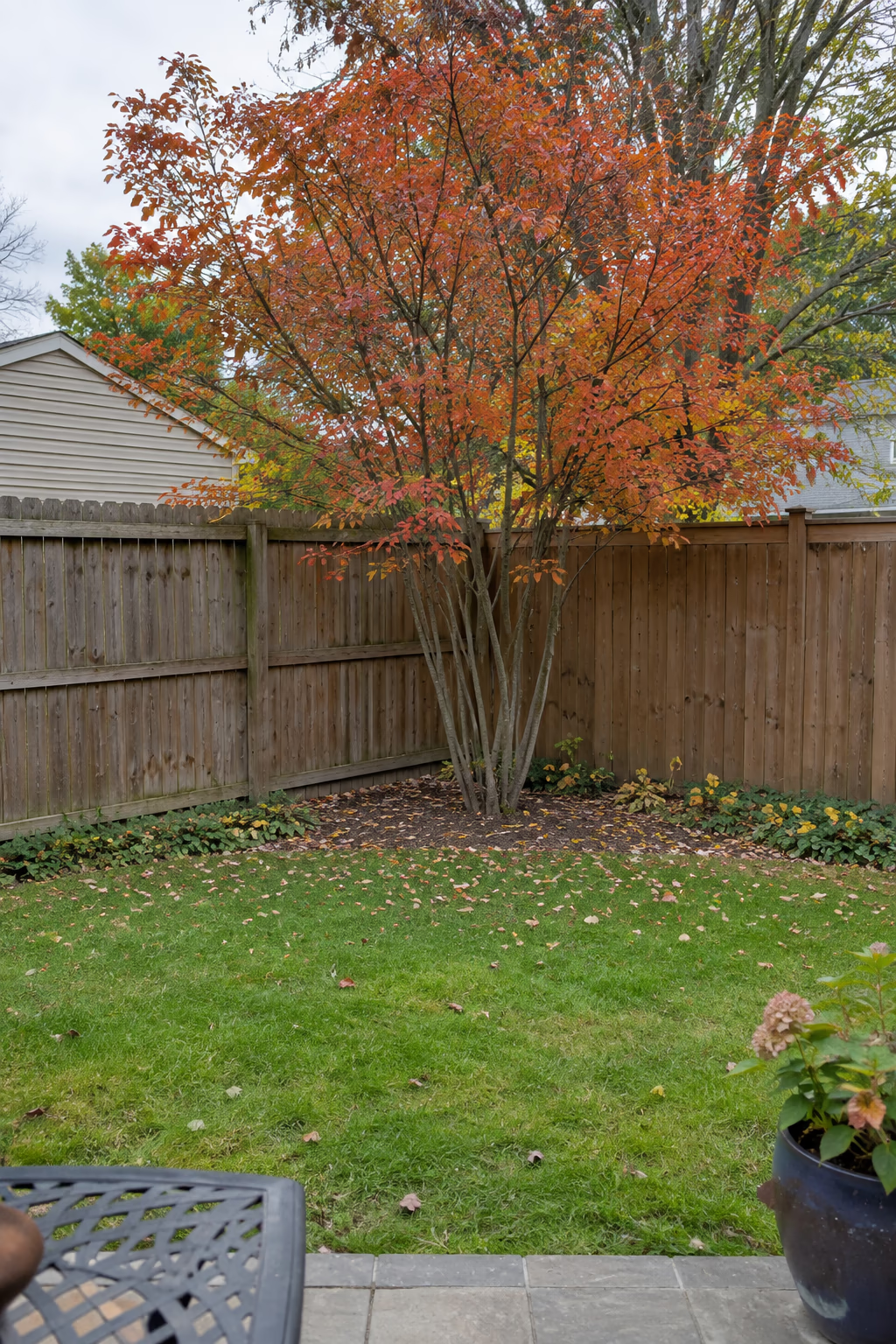
Soften the hard angle where fences meet
A single small tree can make a blank corner look finished. Multi-stem types such as serviceberry, river birch, crape myrtle (in warmer zones), or Japanese maple have graceful trunks and a lighter look than one heavy trunk. Many offer spring flowers, summer shade, and good fall color.
Check the mature size on the plant tag. Most small ornamental trees spread 15 to 25 feet, so plant the trunk at least 6 to 8 feet out from each fence to avoid crowding your neighbors. Underplant with a ring of mulch and low groundcover instead of grass, which competes for water.
Add one low-voltage spotlight aimed up through the branches. After dark, the trunk and canopy glow against the fence, and the corner becomes a feature you notice from inside the house.
5. Hang a Hammock Between Two Corner Posts
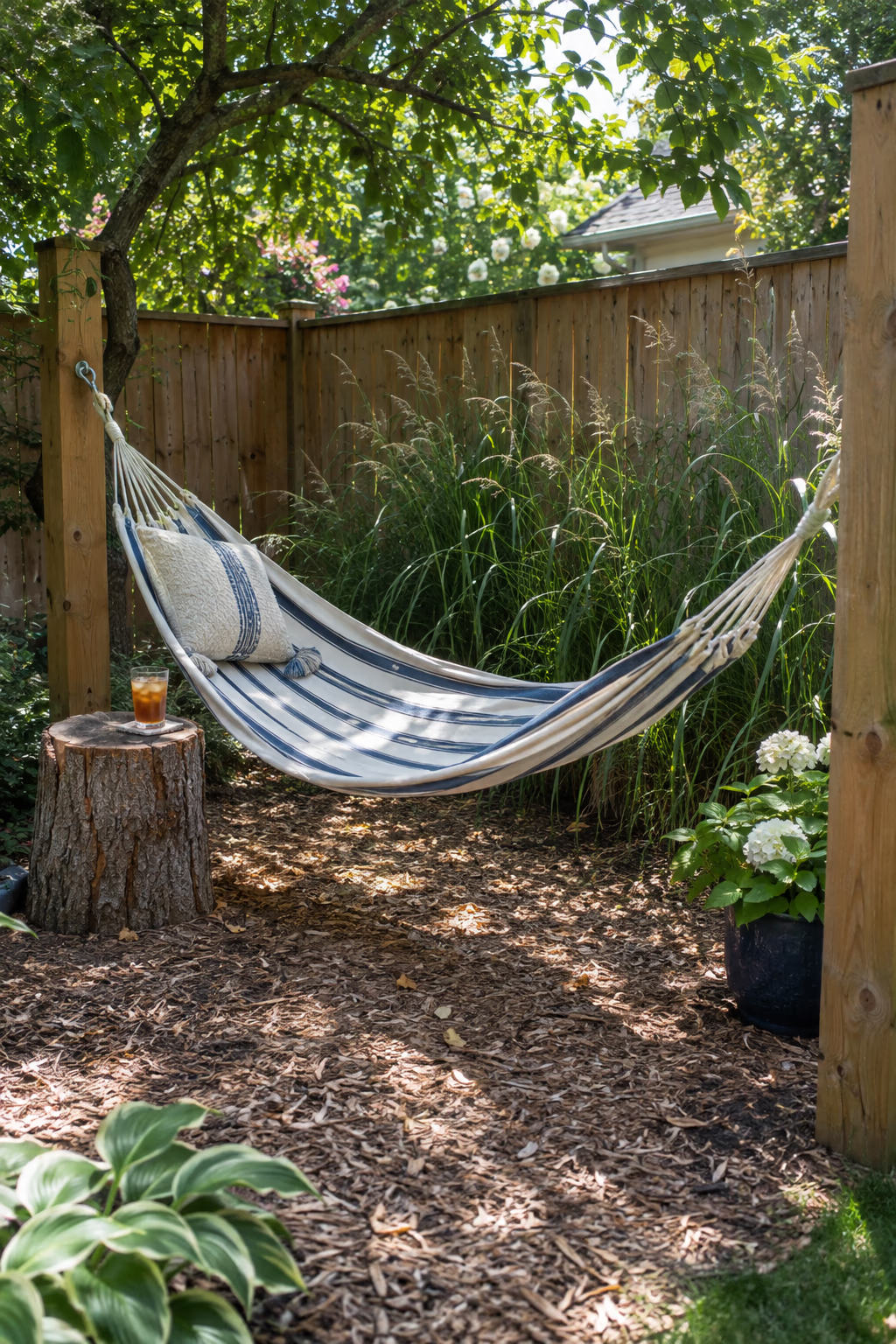
A lazy afternoon spot without trees
If there are no two trees the right distance apart, set your own posts. Two 6×6 pressure-treated posts set about 3 feet deep in concrete, roughly 13 to 15 feet apart, will hold a standard rope or fabric hammock. Mount heavy-duty eye bolts or hammock hooks about 5 to 6 feet high.
Run the hammock diagonally across the corner so it fits into the leftover triangle of space. Lay wood chips or gravel underneath to keep the ground clean and dry. A small side table or tree stump for a drink completes the setup.
Always check the weight rating of your hardware, and call 811 before digging post holes. A freestanding steel hammock stand is a simpler choice for renters or for anyone who wants to move it seasonally.
6. Dig a Small Wildlife Pond
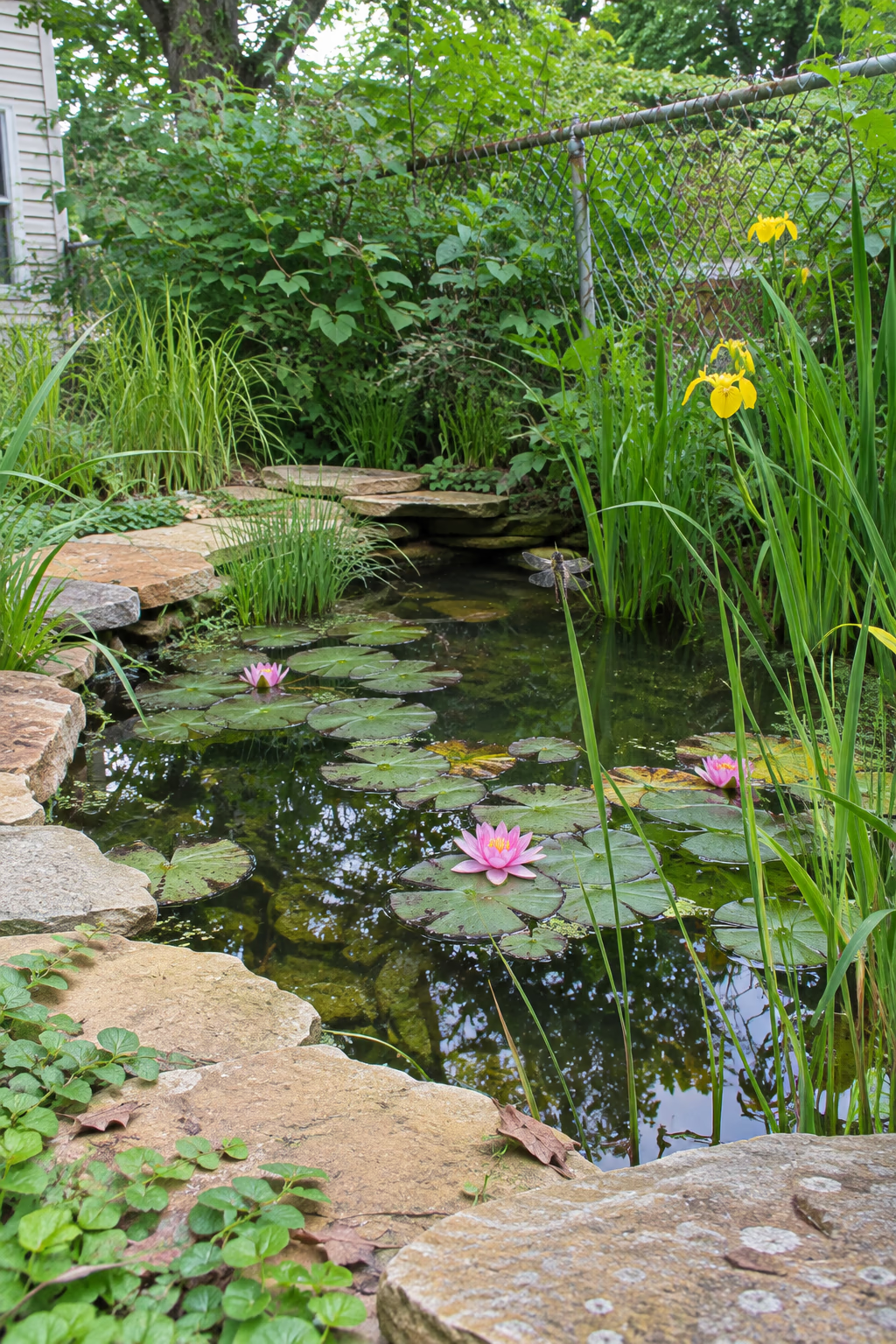
A living water feature that draws frogs and birds
A back corner is ideal for a small pond because it stays undisturbed. Even a pond about 4 by 6 feet with a flexible liner can support water lilies, frogs, dragonflies, and visiting birds. Dig it with sloping sides and at least one shallow shelf so wildlife can climb in and out.
Edge the pond with flat stones that overlap the liner, then plant marsh marigold, iris, or sedges along the margins. A small pump or a submerged oxygenating plant helps keep the water fresh. Moving water and fish both help keep mosquito larvae under control.
Many towns require a fence or other barrier around ponds above a certain depth, so check local rules. If young children use the yard, keep the pond shallow or choose a fountain instead.
7. Tuck a Garden Shed Into the Back Corner
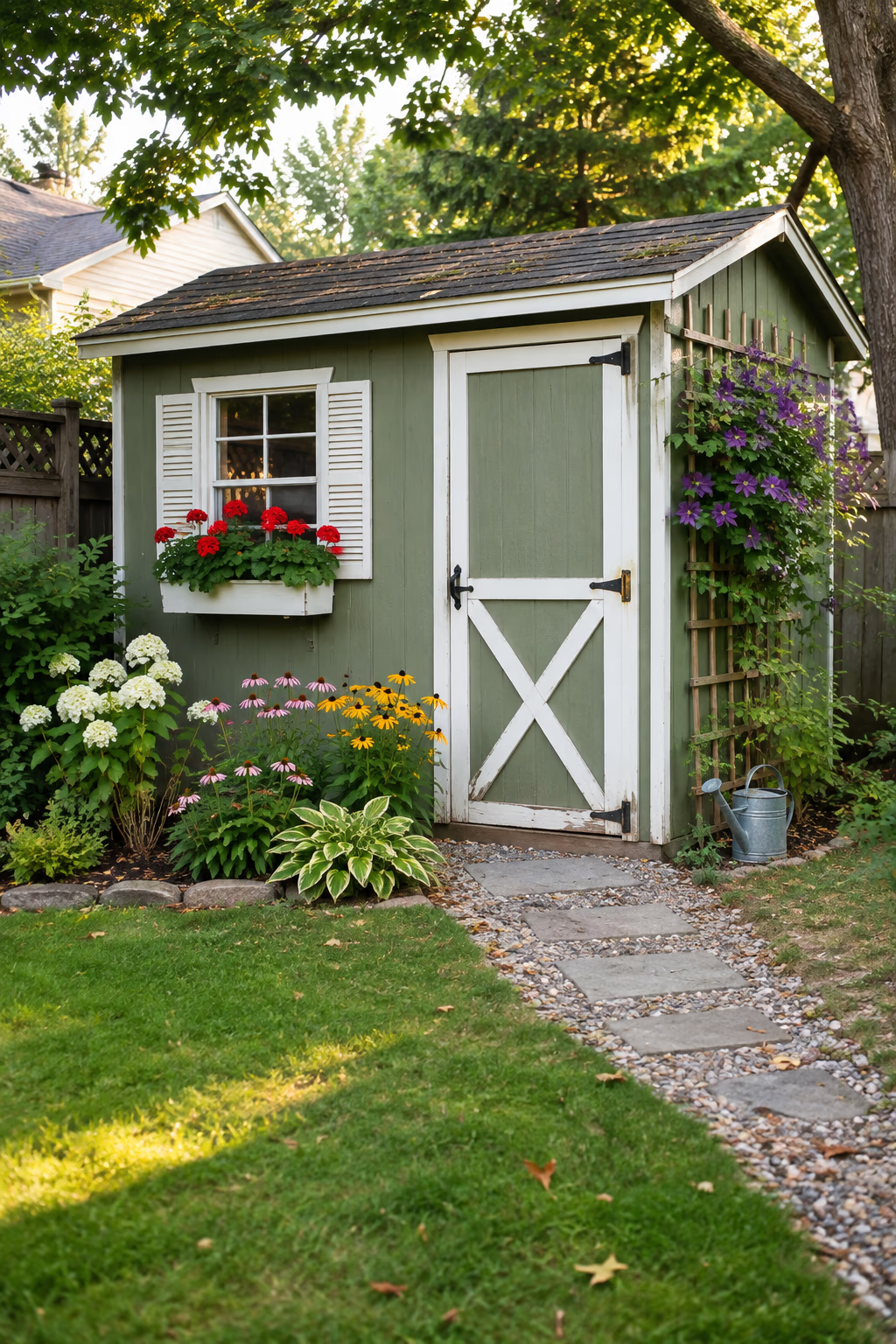
Storage that looks like part of the garden
The back corner is often the best spot for a shed. It keeps tools and bins out of sight while leaving the middle of the yard open. A small 8×8 or 8×10 shed painted a soft color, such as sage green, barn red, or warm gray, can look charming rather than purely practical.
Help it blend in. Plant climbing roses or clematis on a trellis beside the door, add a window box, and lay a short gravel or stepping-stone path to the entrance. A strip of perennials along the front ties the shed into the rest of the garden.
Sheds often have setback rules, meaning they must sit a certain distance from property lines. Check your city’s zoning rules and any HOA guidelines before building. Some areas also require a permit above a certain size.
8. Build a Triangular Raised Bed for Herbs and Vegetables
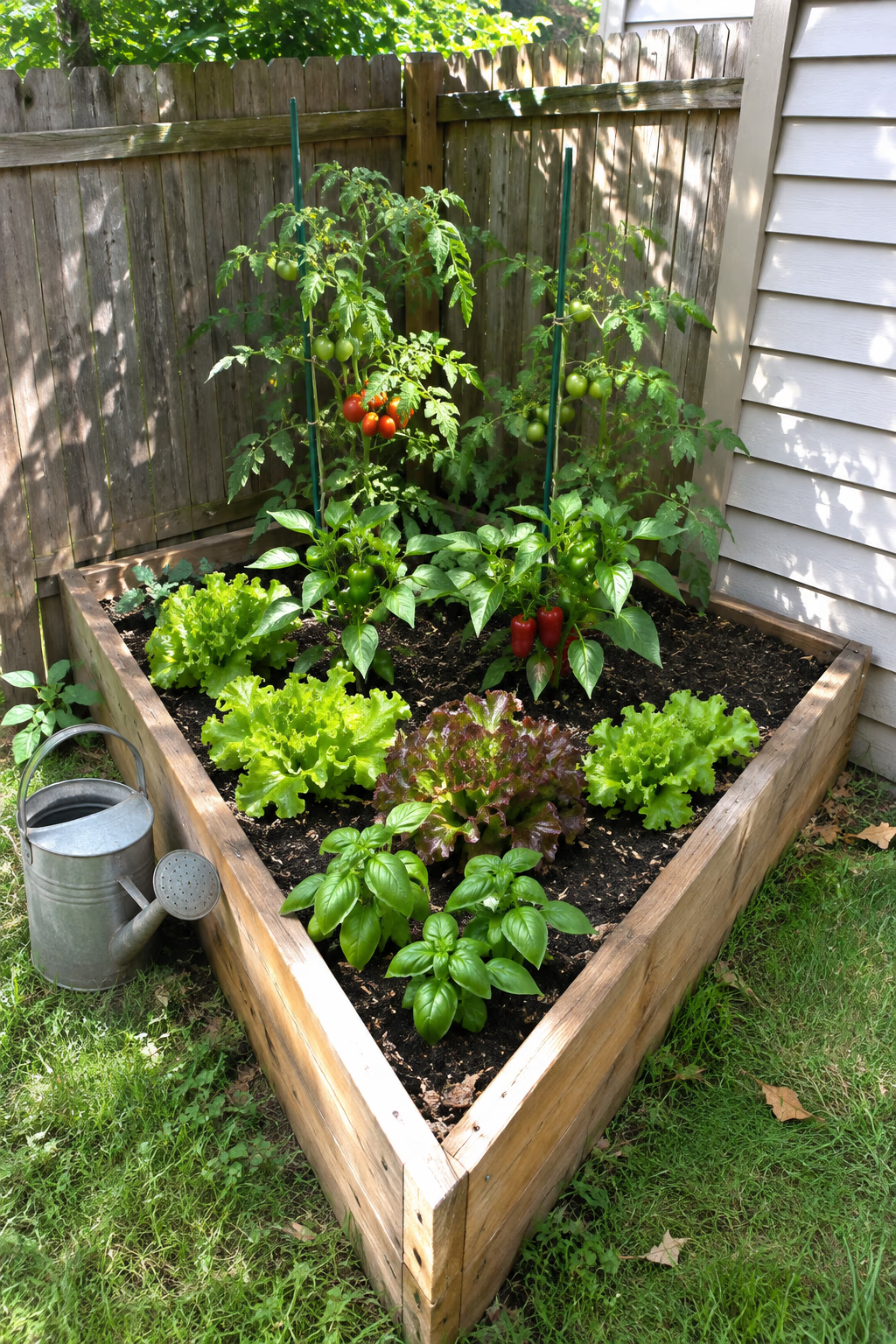
Turn wasted space into a kitchen garden
A triangle-shaped raised bed fits neatly into a fence corner. Two sides run along the fences and the third faces the yard. Build it from untreated cedar boards or galvanized steel, 12 to 18 inches tall. Fill it with a blend of topsoil and compost, and you’ll have room for tomatoes, peppers, lettuce, and basil.
Put tall crops like staked tomatoes or pole beans in the back point so they don’t shade shorter plants. Keep herbs and salad greens near the front edge where they’re easy to reach. A bed no deeper than about 4 feet from front to back point means you can reach everything without stepping in.
Vegetables need six to eight hours of direct sun. Watch your corner for a full day before you build, since fences can cast more shade than you’d expect.
9. Sow a Pollinator Corner With Native Perennials
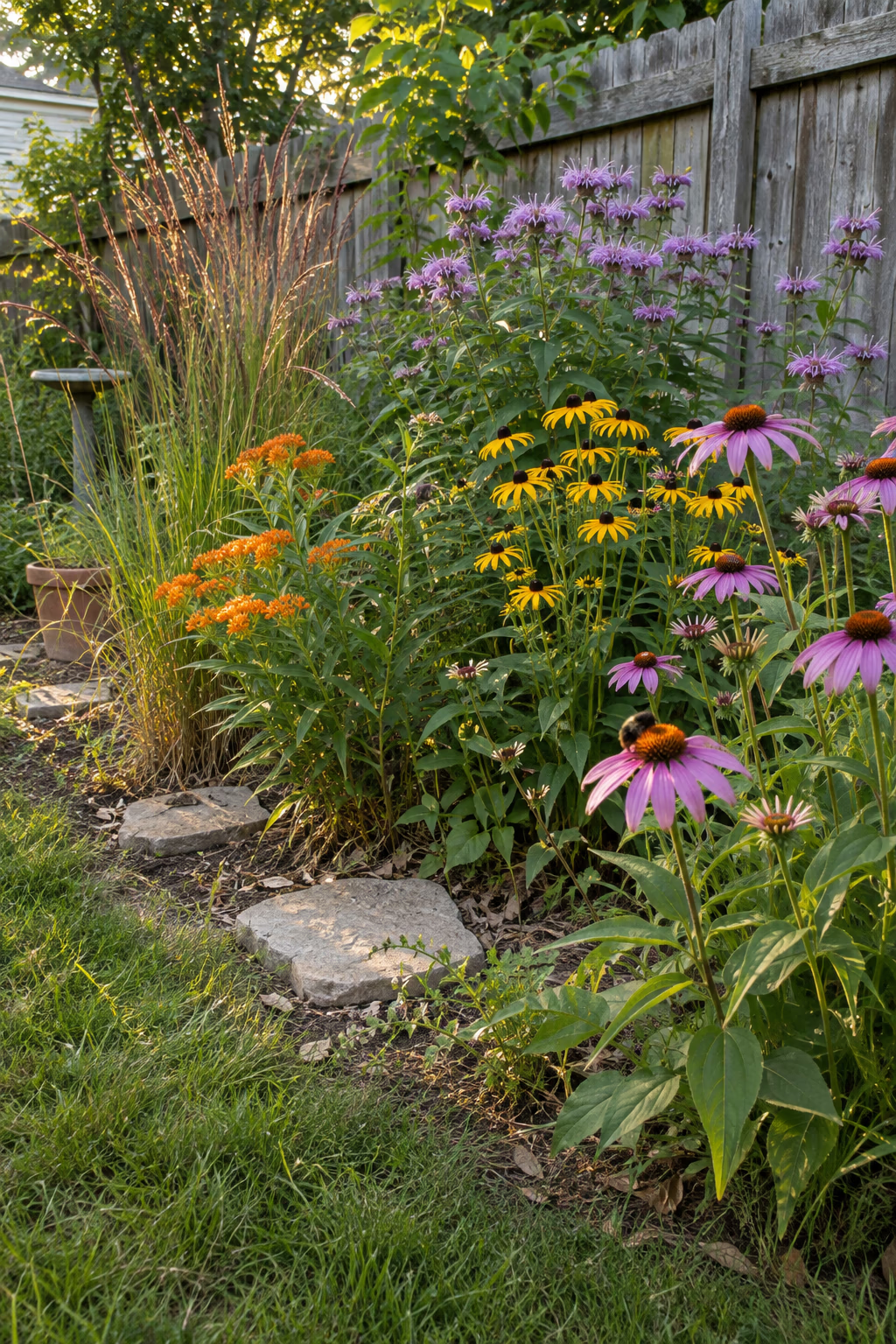
Color that feeds bees and butterflies
A sunny corner planted with native perennials becomes a busy, colorful patch from early summer through fall. Good choices for much of the US include purple coneflower, black-eyed Susan, bee balm, butterfly weed, asters, and little bluestem grass. Plant in groups of three to five of each type so the color reads from across the yard.
Layer heights with taller plants against the fences and shorter ones toward the front. Leave seed heads standing in fall, since goldfinches and other birds eat them through winter. A few flat stones in the bed give you a place to step while weeding.
Skip pesticides in this corner, even “natural” ones, because many harm pollinators. Native plants also vary by region, so a local extension office or native plant society can suggest species for your area.
10. Plant Berry Shrubs and a Birdbath for Songbirds
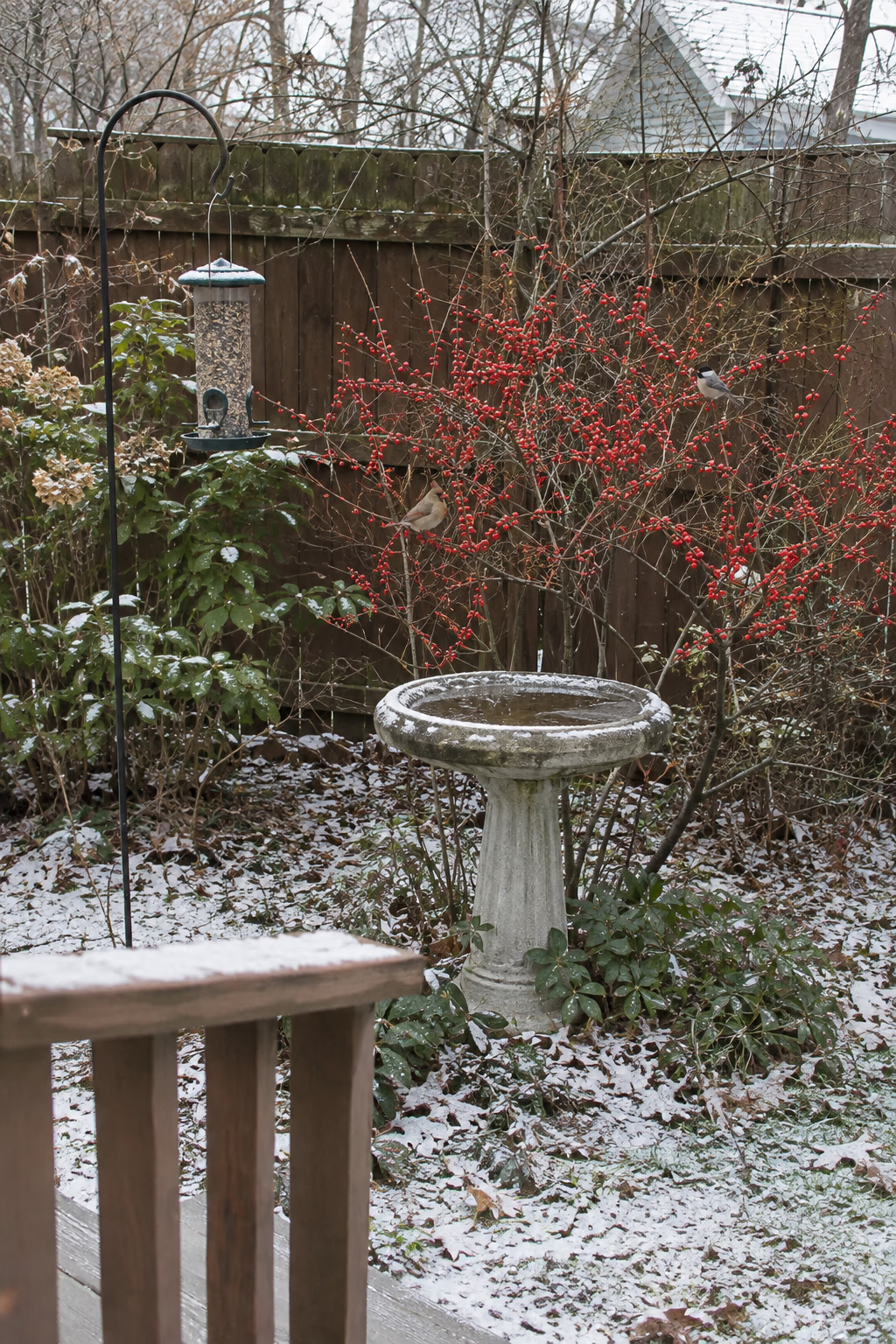
A sheltered corner where birds feel safe
Birds like corners because the fences and shrubs give them cover. Plant a few berry-producing shrubs such as winterberry holly, viburnum, or beautyberry along both fence lines. Then set a shallow stone or concrete birdbath a few feet out in front of them.
The birdbath should be no more than 2 inches deep at the center. Place it about 10 to 15 feet from dense cover so birds can retreat quickly but cats can’t ambush them. Add a feeder on a pole, and you’ll have a corner that’s lively even in winter.
Scrub the birdbath and refill it every few days in warm weather to prevent algae and mosquitoes. A heated birdbath insert keeps water open in freezing climates.
11. Lay a Gravel Corner Patio With Steel Edging
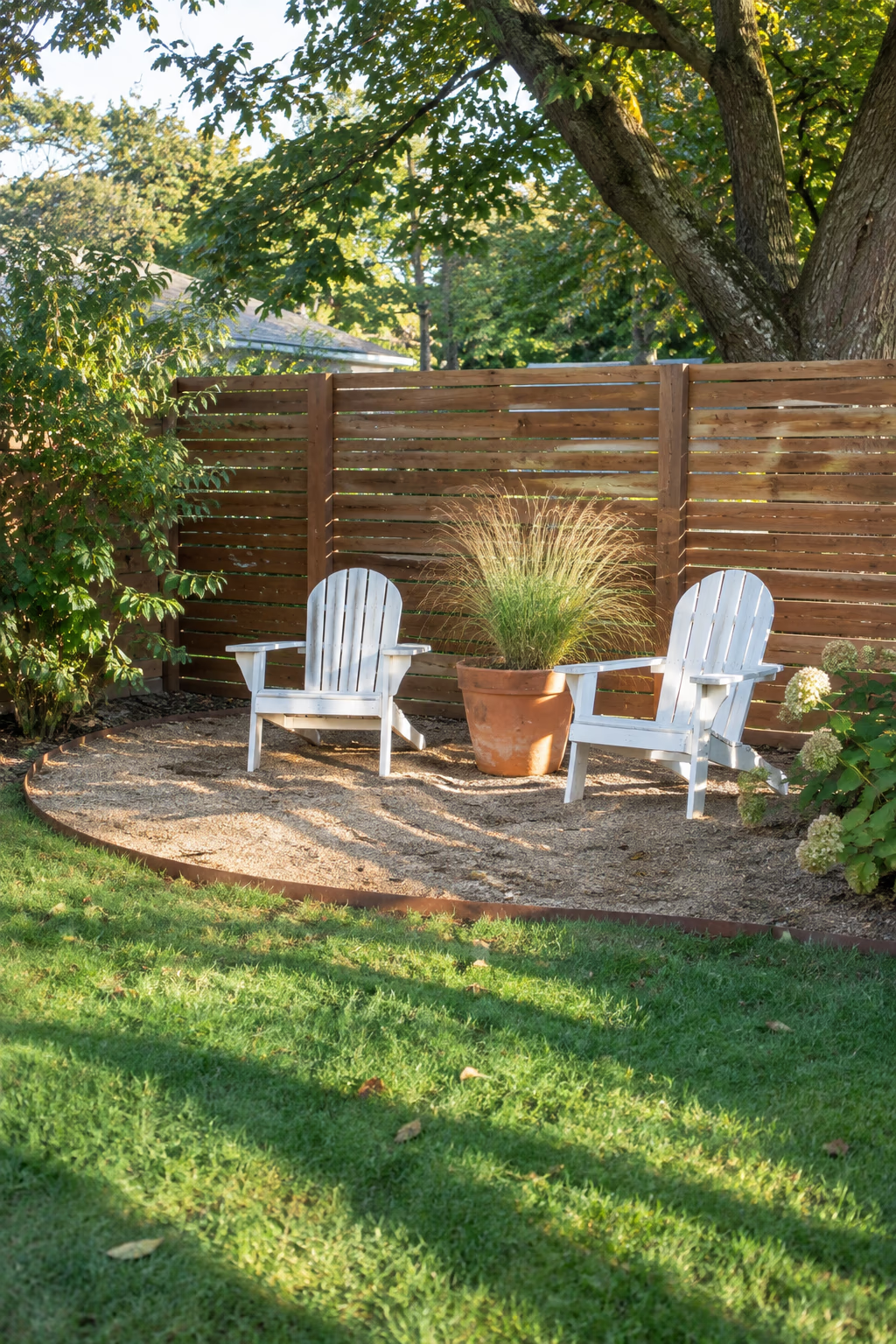
A crisp, affordable surface for chairs
Gravel is one of the least expensive ways to make a corner usable. Mark out a quarter-circle or square, dig down about 4 inches, compact the soil, and lay landscape fabric. Add 2 inches of compacted crushed stone base and top it with 2 inches of pea gravel or decomposed granite.
Steel or aluminum edging gives the gravel clean, defined lines and keeps it from spreading into the lawn. A curved edge facing the yard looks softer than a straight one. Add a pair of Adirondack or sling chairs and a planter, and the corner is ready to use.
Pea gravel is comfortable underfoot but shifts under chair legs. Decomposed granite packs firmer and suits furniture better. Either way, plan to rake and top up the gravel every year or two.
12. Frame a Curtained Reading Nook
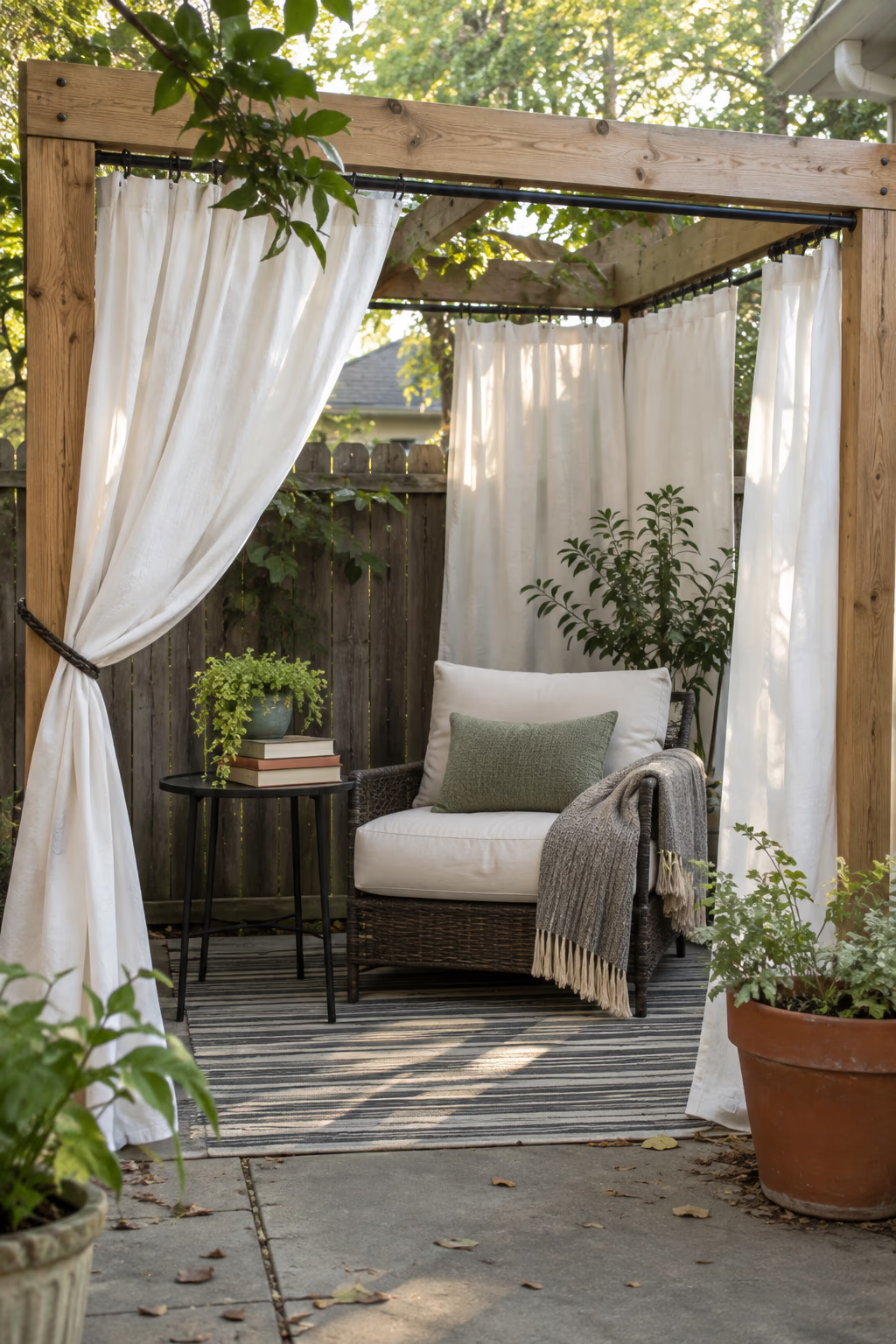
Soft walls for privacy and shade
Outdoor curtains are a strong trend, and a corner is the easiest place to use them. Build a simple open frame from 4×4 posts and a few top rails, or use a small freestanding metal cabana frame. Then hang outdoor curtains on a rod or cable along the open sides.
Curtains let you close the nook for shade at midday or privacy from a neighbor’s window, then tie them back in the evening. Furnish it with a deep lounge chair or daybed, an outdoor rug, and a small table for books and drinks.
Choose solution-dyed outdoor fabric, which resists fading and mildew. Curtains catch wind like sails, so anchor the frame well, and take the panels down before storms and during winter.
13. Cluster Terracotta Pots on a Pebble Base
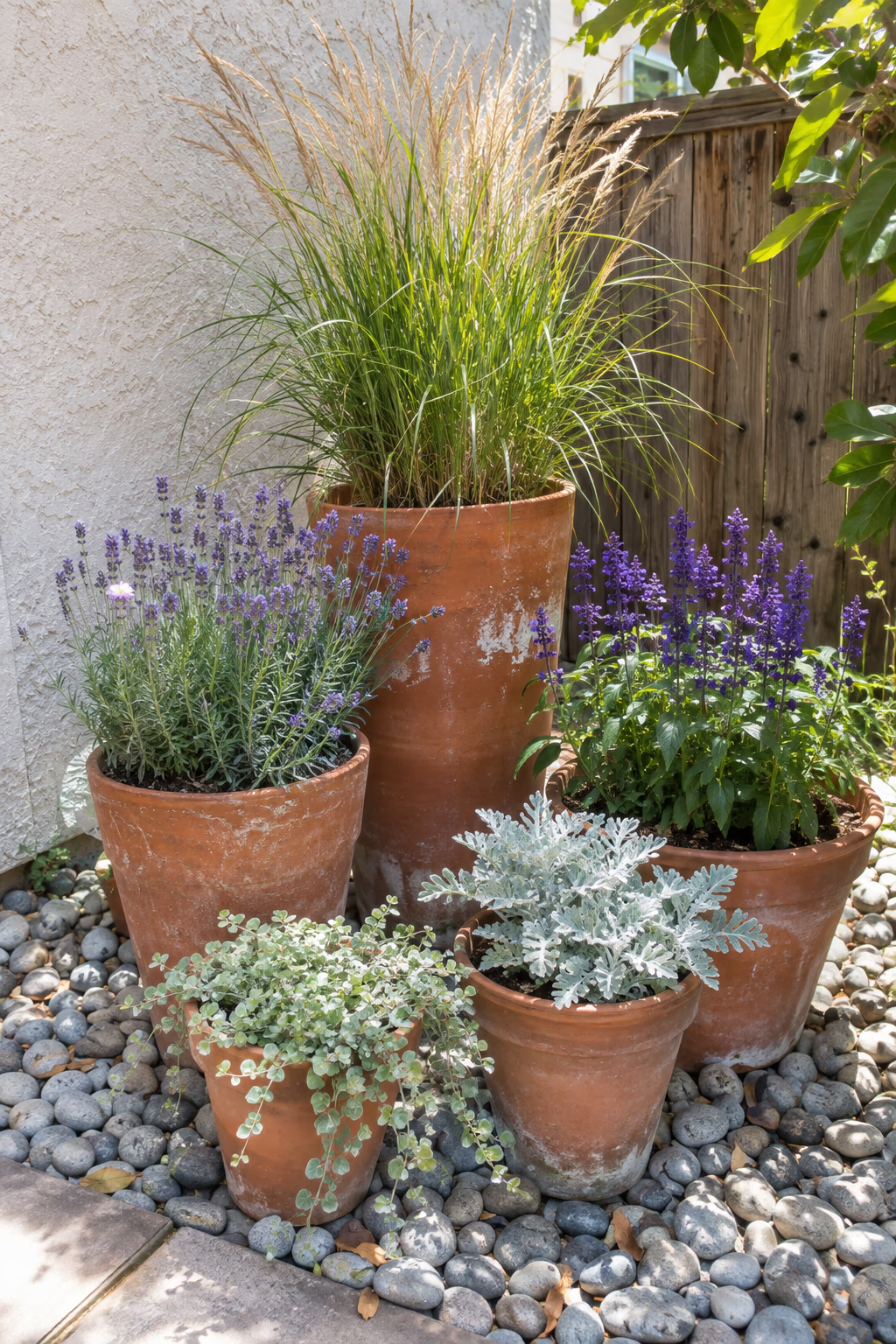
Instant color with no digging
If the corner has compacted soil, roots, or a slab, skip planting in the ground and group containers instead. Spread a layer of river pebbles or pea gravel as a base, then arrange three to seven terracotta pots in different heights and sizes. Odd numbers look more natural.
Use a tall pot in the back with an upright plant like ornamental grass or dwarf conifer. Fill medium pots with lavender, salvia, or geraniums, and let trailing plants spill from the smaller ones in front. Silver foliage like dusty miller or licorice plant looks especially good against warm terracotta.
Terracotta dries out fast in summer, so expect to water often during hot spells. In cold climates, empty pots and store them dry for winter, since wet clay can crack when it freezes.
14. Mount a Pocket Herb Wall on the Fence
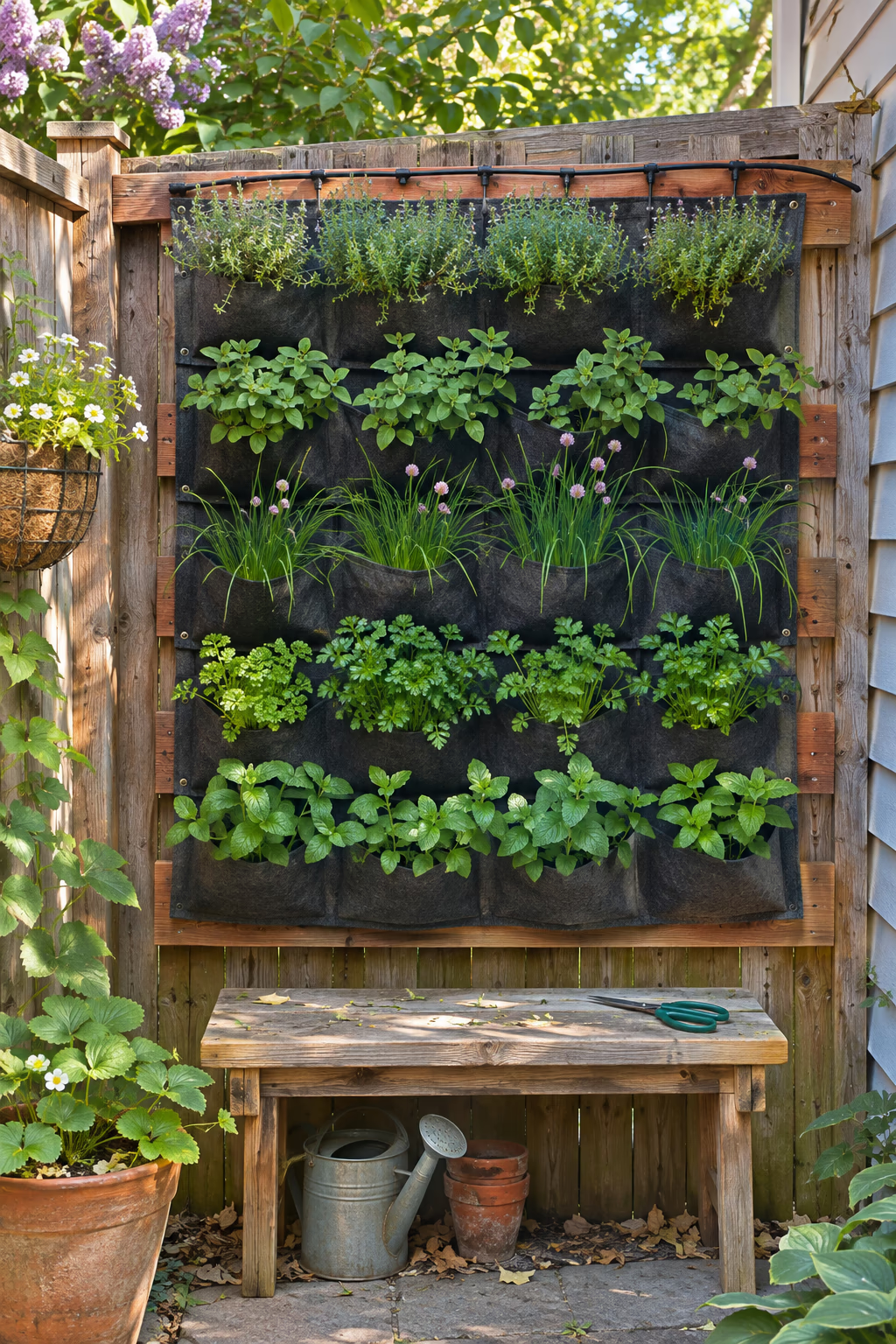
Grow up when space is tight
When the ground space in a corner is limited, use the fence instead. Felt planting pockets, wall-mounted gutters, or a grid of small hanging pots can hold a dozen or more herbs in a few square feet. Mount them on the side of the corner that gets the most sun.
Herbs such as thyme, oregano, chives, parsley, and mint do well in small containers. Put herbs that need more water at the bottom, where moisture collects, and drought-tolerant ones at the top. A drip line with a small timer saves a lot of hand watering.
Protect the fence. Screw a sheet of exterior plywood or cedar boards to the posts first, and mount the planters on that. Constant moisture against fence pickets will rot them quickly.
15. Showcase a Large Urn Against Evergreens
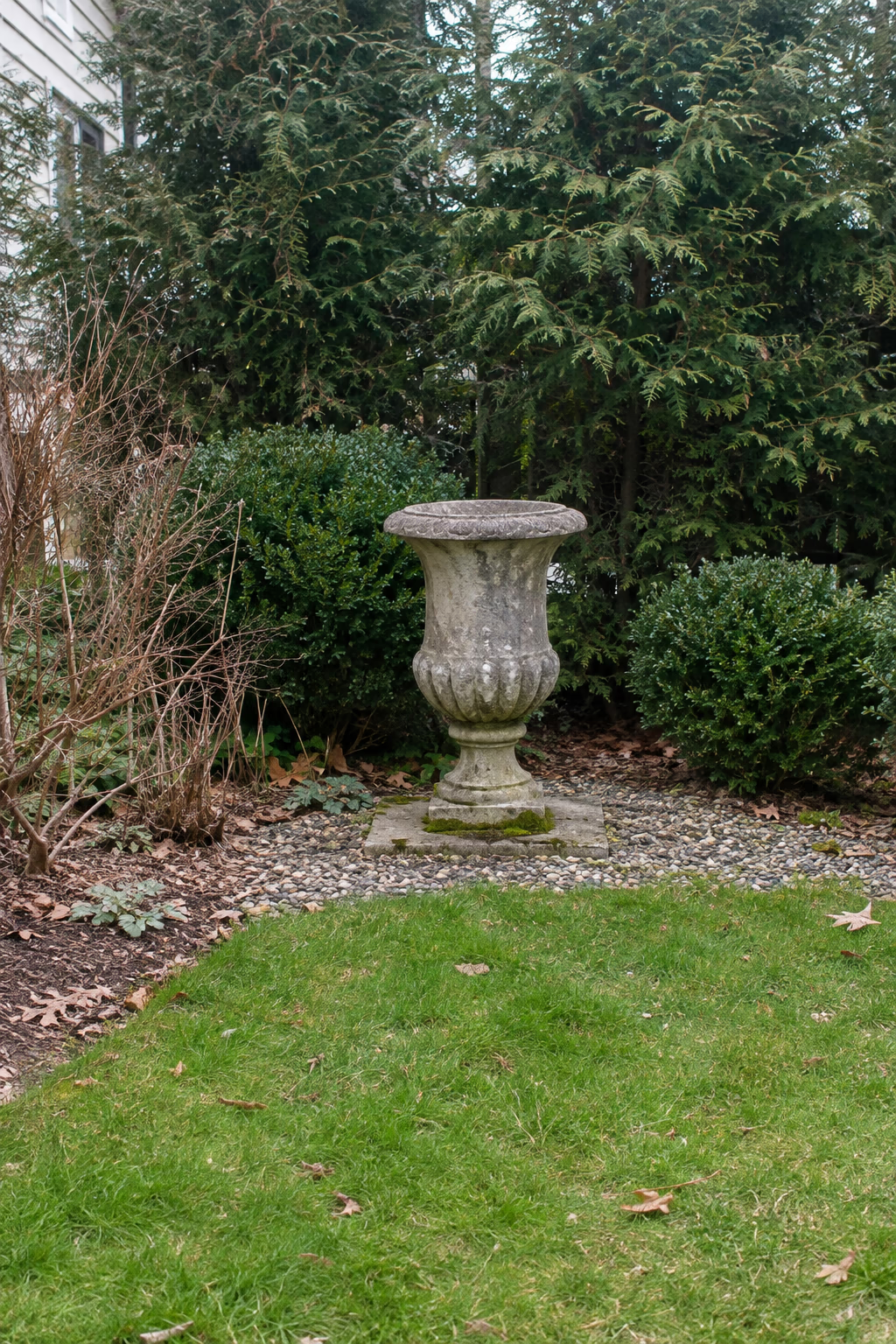
A classic focal point that looks good all year
A single large urn or sculpture can give a corner a strong, simple look. Place it on a flat paver or small pedestal in front of a backdrop of evergreen shrubs such as arborvitae, holly, boxwood, or yew. The dark green makes the urn’s shape and color stand out.
Leave the urn empty for a sculptural look, or plant it with seasonal flowers. Line it up with a view from a window or back door so you see it often. Glazed blue, aged concrete, and weathered bronze finishes all age well outdoors.
Large urns are heavy, so set them on a compacted gravel base to keep them level. If an urn has no drainage hole and you leave it empty, keep rain out or drill a hole so it doesn’t hold standing water.
16. Set Up a Hidden Potting and Compost Station
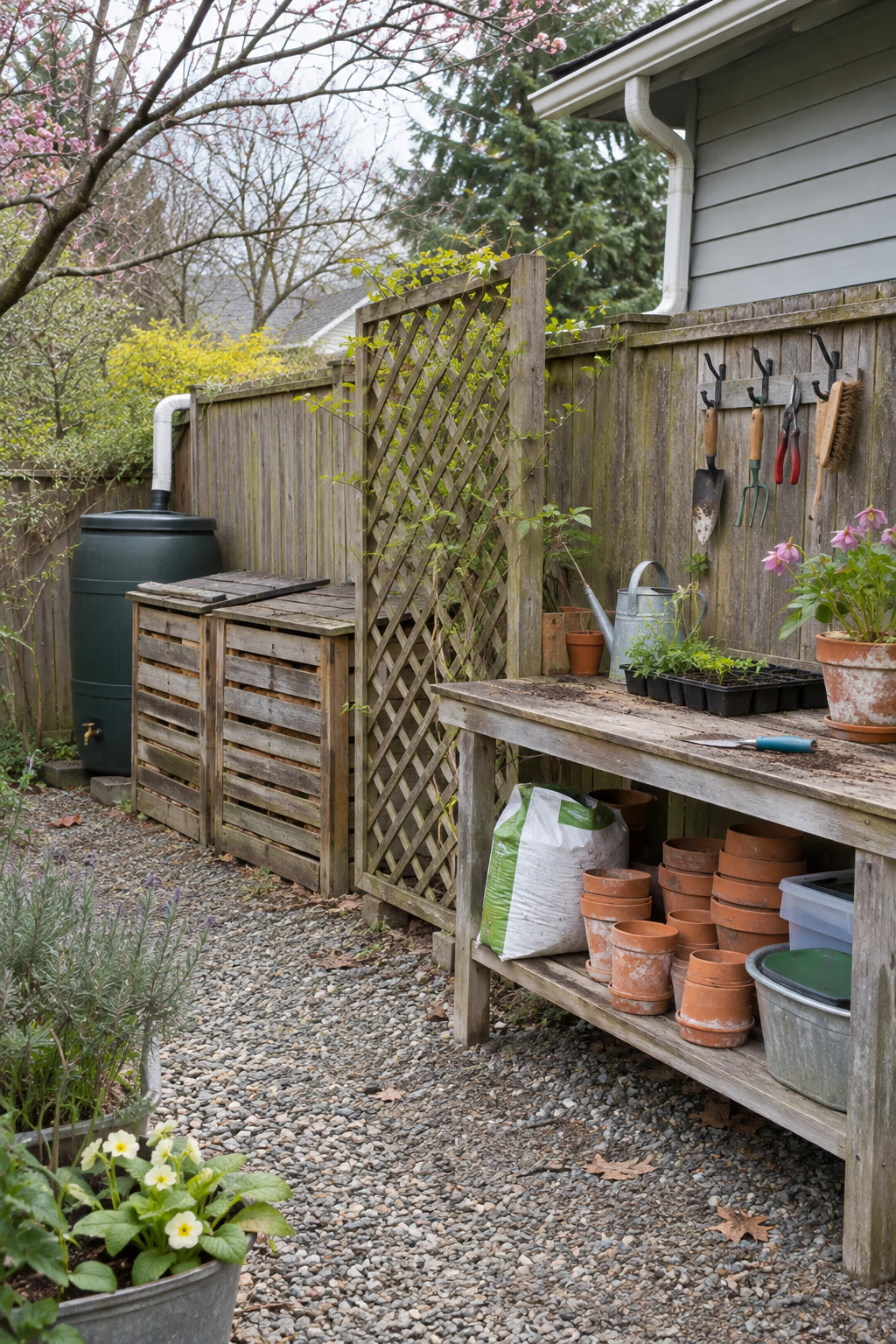
Give garden chores their own tidy spot
A hidden corner is a great place for the messier side of gardening. Place a potting bench at a comfortable working height, around 36 inches, and set one or two compost bins beside it. Hooks on the fence hold hand tools and a hose.
Hide the station with a short section of lattice or a row of tall grasses so it doesn’t show from the patio. Lay pavers or gravel on the ground so it stays clean in wet weather. A rain barrel nearby supplies water for potting and seedlings.
Keep compost bins at least a few feet from fences and property lines, and cover food scraps with dry leaves to control smells and pests. Some towns have rules on compost placement, so check before setting up.
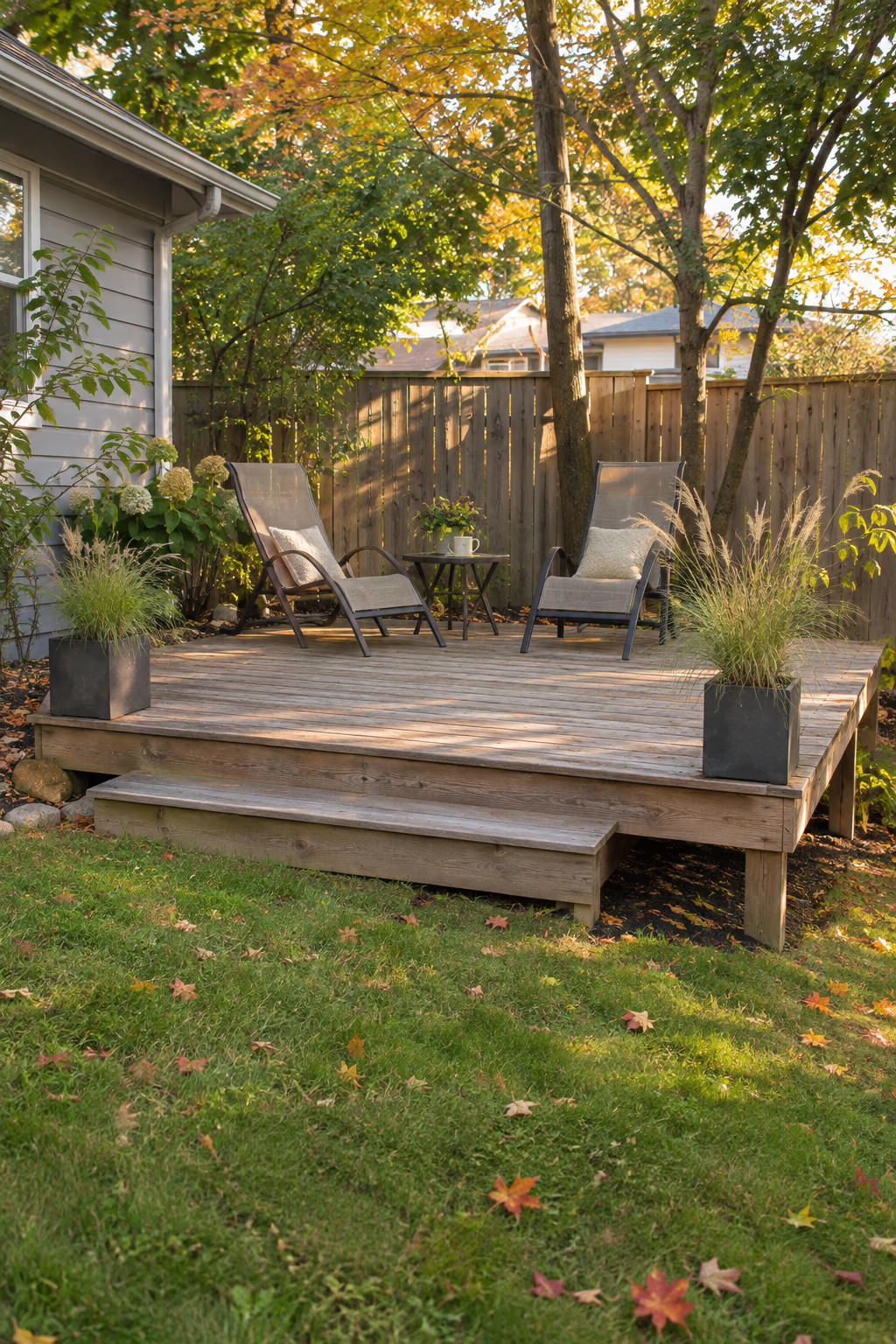
17. Level a Sloped Corner With a Low Deck Platform
Make an uneven spot flat and usable
A corner that slopes, holds roots, or is too rocky to dig is a good candidate for a low platform deck. A ground-level deck about 8 by 8 feet can sit on adjustable deck blocks or short posts that make up for the slope. Top it with pressure-treated, cedar, or composite boards.
Once it’s level, the platform can hold a couple of lounge chairs, a small dining set, or a yoga mat. Planters at the open corners soften the edges and help it blend with the yard. A single step at the low side makes it easy to get on and off.
Low decks usually need less permitting than raised ones, but rules vary. Many codes require railings once a deck is more than 30 inches above the ground, so check local requirements if the slope is steep.
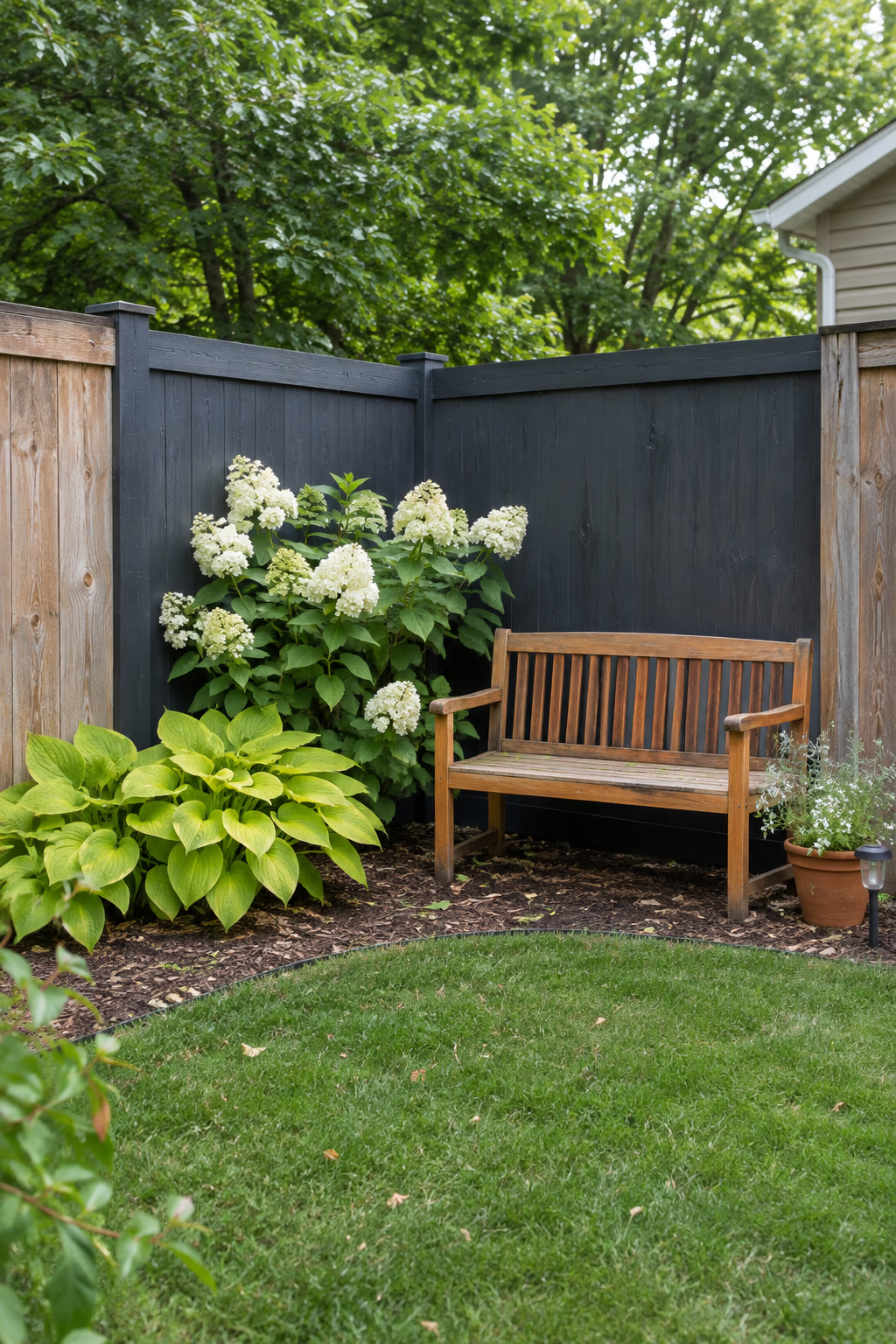
18. Paint the Corner Fence a Deep Accent Color
A quick change that makes plants pop
Painting just the two fence panels in a corner can define it as its own space. Deep colors such as charcoal, navy, forest green, or black recede visually and make green leaves and bright flowers look richer. Use a solid exterior stain or paint made for wood fences.
Plant in front of the painted panels with something that contrasts, such as chartreuse hostas, white hydrangeas, or bright ornamental grasses. Even a single bench or planter looks more deliberate against the dark backdrop.
If the fence is shared, talk with your neighbor before painting their side, and check HOA rules about fence colors. Dark colors also absorb heat, so plants right against the fence may need extra water in hot climates.
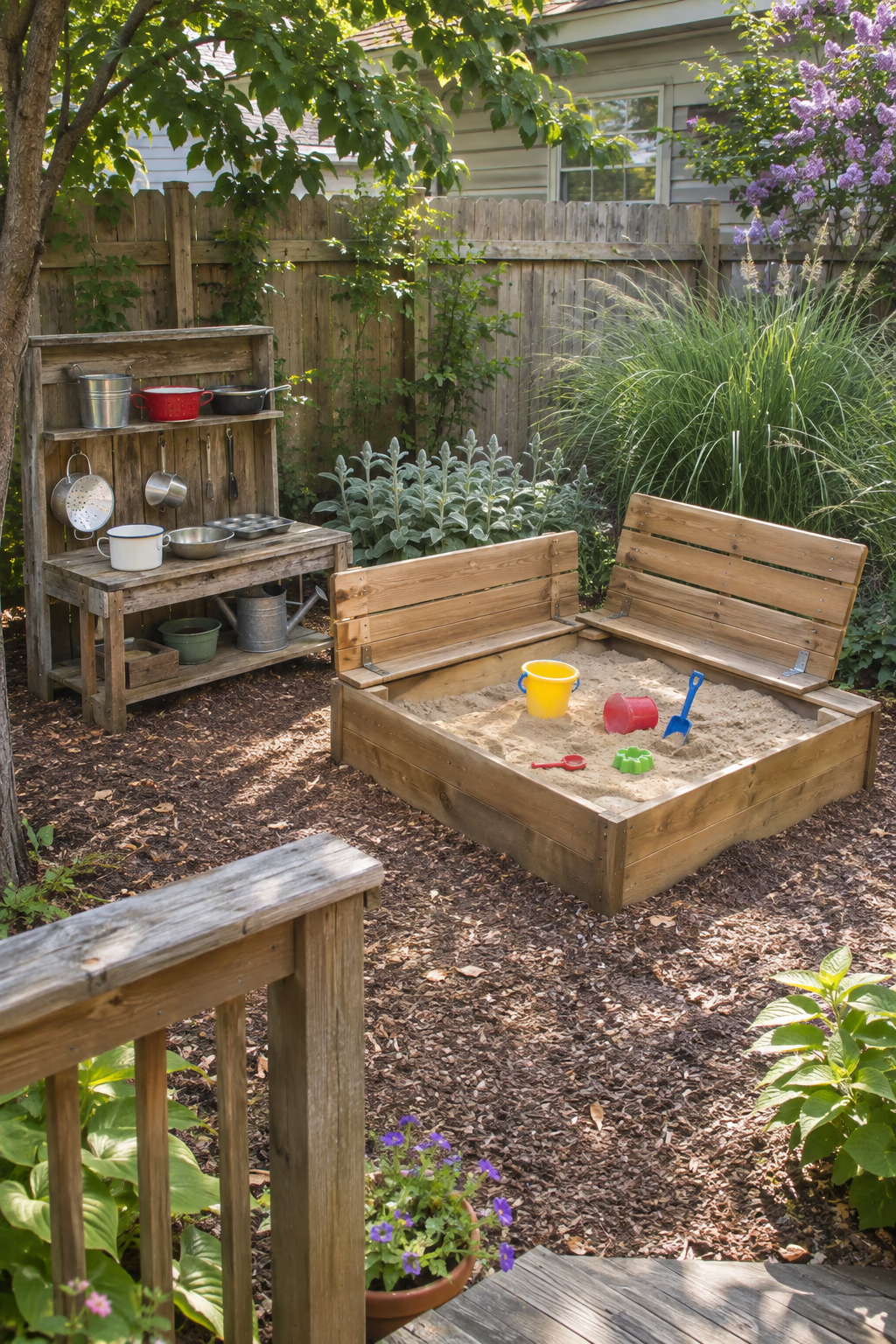
19. Carve Out a Kids’ Play Corner With a Covered Sandbox
A defined spot for play that’s easy to tidy
Giving kids their own corner keeps toys and digging in one area. A simple wood sandbox about 4 by 4 feet with a hinged lid that folds into a bench is a good start. Add a small chalkboard panel, a mud kitchen built from an old shelf, or a short climbing structure.
Lay 9 to 12 inches of playground mulch or rubber mulch under any climbing equipment to soften falls. Surround the area with tough, child-friendly plants like ornamental grasses and lamb’s ear, and skip anything thorny or toxic.
Keep the sandbox covered when not in use, so cats and wildlife don’t use it as a litter box. Use washed play sand rather than construction sand. Corners that are visible from the kitchen window are best for supervision.
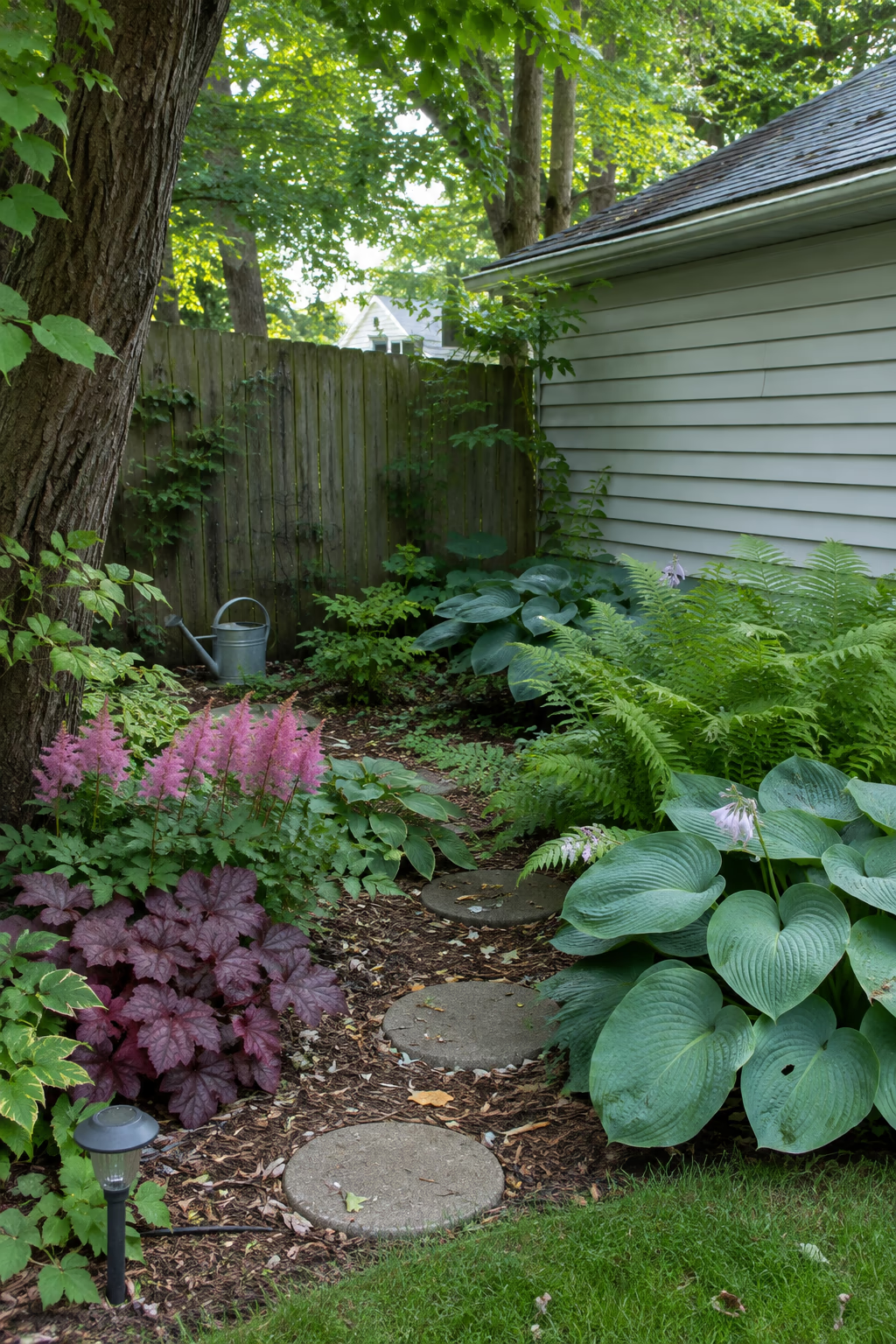
20. Fill a Shady Corner With Ferns and Hostas
A cool, green retreat where grass won’t grow
Corners shaded by fences, a garage, or big trees are often bare patches where grass gives up. Instead of fighting that, plant shade lovers. Ferns, hostas, astilbe, heuchera, and Solomon’s seal give a lush woodland look with leaves in many shades of green, blue, gold, and burgundy.
Mix leaf sizes and textures. Big, bold hosta leaves look great next to fine, lacy ferns. Add a layer of shredded bark mulch and a few stepping stones so you can walk in without packing down the soil.
Shady corners under trees can be dry, because tree roots take most of the water. Add compost when planting and water deeply during dry spells. Slugs love hostas, so look for thick-leaved varieties that resist damage.
21. Turn a Soggy Corner Into a Rain Garden
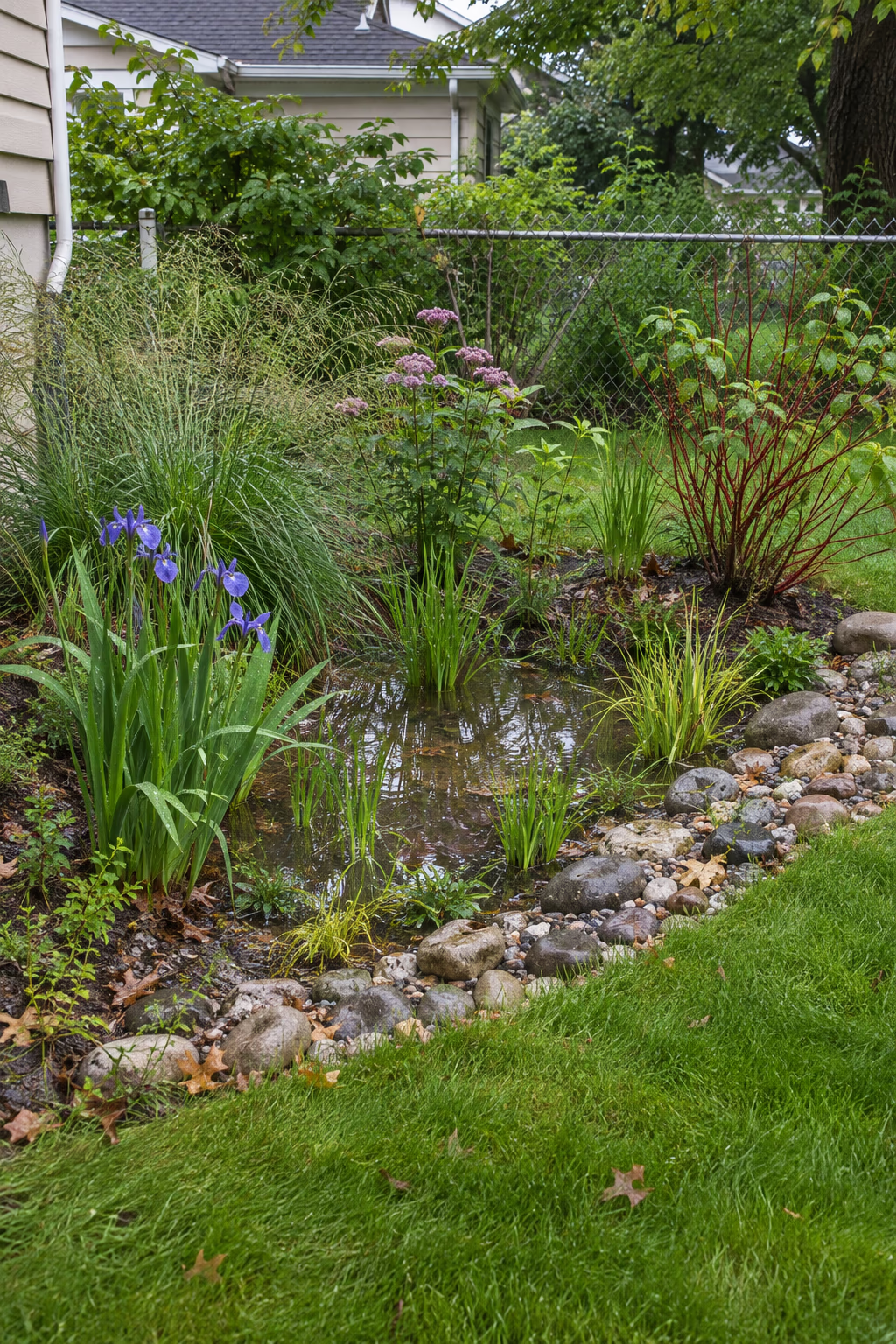
Solve a drainage problem with plants
Many back corners are the lowest point in a yard, where water collects after every storm. A rain garden is a shallow, planted bowl that holds runoff and lets it soak in slowly. Most are 4 to 8 inches deep, with gently sloping sides and a mix of compost and sandy soil in the bottom.
Use plants that handle both wet feet and dry spells, such as swamp milkweed, blue flag iris, switchgrass, sedges, and red-twig dogwood. Line the overflow edge with river rock so heavy storms don’t wash out the soil.
A rain garden should drain within a day or two after rain. If water sits longer, the soil may be heavy clay and need more amending. Keep it at least 10 feet from the house foundation, and don’t direct water toward a neighbor’s yard.
How to Plan Your Backyard Corner
The best corner ideas start with a clear look at the space you already have. Spend a little time watching and measuring before you buy anything.
- Track sun and shade. Check the corner in the morning, at midday, and late afternoon. Fences and buildings can cast long shadows, and that decides which plants and uses will work.
- Decide how you’ll use it. A quiet nook, a play area, a food garden, and a storage zone all need different surfaces and furniture. Choose one main purpose.
- Check drainage. Look at the corner after a heavy rain. Standing water calls for a rain garden, gravel, or a raised surface rather than a lawn or seating area.
- Know the rules. Sheds, ponds, decks, and fence changes may involve setbacks, permits, or HOA approval. Call 811 before digging any post holes or ponds.
- Plan power and water. Fountains, lights, and drip lines need access to outlets or a spigot. Plan those runs before you lay gravel or plant.
- Link it to the yard. A path, matching plants, or a repeated color helps the corner feel like part of the garden instead of an island at the edge.
Frequently Asked Questions
What can I put in an empty corner of my backyard?
Seating is the most popular choice, such as a built-in bench, a bistro set, or a hammock. Other good options include a fountain, a small ornamental tree, a raised vegetable bed, a cluster of potted plants, or a shed. Match the idea to the corner’s sun, soil, and how often you’ll walk past it.
What plants grow well in a backyard corner?
It depends on the light. Sunny corners suit roses, coneflowers, salvia, lavender, herbs, and ornamental grasses. Shady corners suit ferns, hostas, astilbe, heuchera, and hydrangeas. For structure, small multi-stem trees and evergreen shrubs work well in either.
How do I make a backyard corner feel private?
Use height and layers. Plant shrubs or tall grasses along the open side, add outdoor curtains or a small overhead frame, and position seating so it faces into the yard. A small fountain adds sound that helps mask nearby noise.
How much does it cost to finish a backyard corner?
A container grouping, a painted fence, or a few native perennials can cost under a couple hundred dollars. A gravel patio, raised bed, or DIY bench often runs a few hundred. Sheds, ponds, decks, and wired fountains can reach a thousand dollars or more depending on size and materials.
What should I do with a wet or muddy corner of the yard?
First, find out why water collects there. If it’s runoff from a downspout or slope, a rain garden with moisture-tolerant plants is a good fix. For persistent standing water near the house, consult a drainage professional before building anything.
Final Thoughts
A backyard corner doesn’t need to stay forgotten. A cushioned bench, the sound of a small fountain, or roses climbing over a bistro table can turn that spot into the place everyone heads first.
Start with how much sun the corner gets and how you’d like to use it, then build one layer at a time. Small, well-planned changes add up, and before long the edge of your yard may become your favorite place to sit.


