A small balcony garden does not need to cover every available surface. A few well-chosen plants, a comfortable place to sit, and an arrangement that leaves room to move can be more useful than a crowded collection of pots.
Start with how you want to use the space. You might want herbs within reach of the kitchen, a colorful view through the living-room window, a little privacy, or a compact vegetable garden. Let that purpose guide the layout rather than buying plants first and finding places for them afterward.
The ideas below cover containers, vertical planting, edible crops, flowers, privacy, furniture, and everyday care. Choose the combinations that suit your balcony’s light, exposure, and practical limitations.
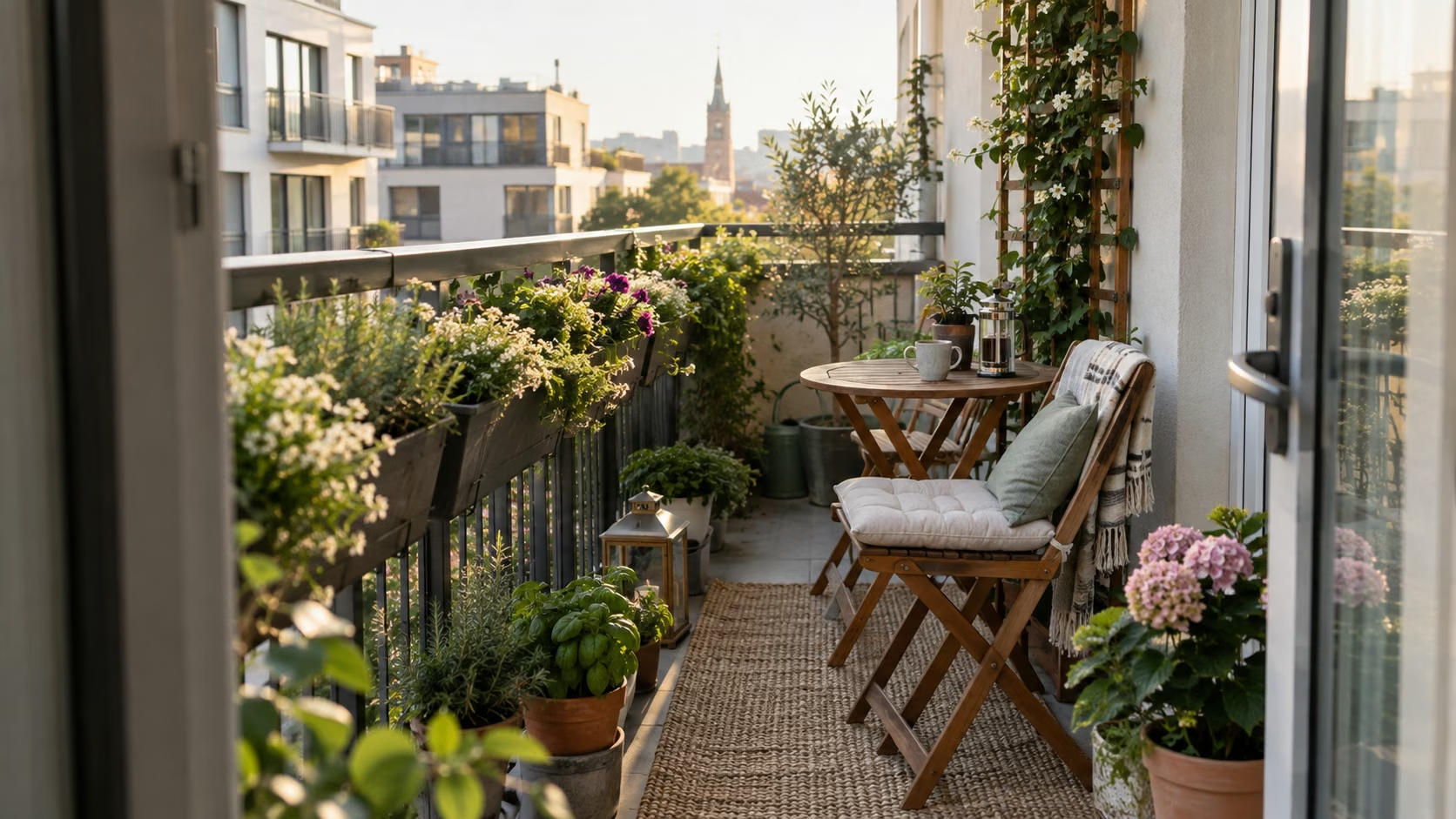
What to Consider Before Designing a Small Balcony Garden
Measure the Space You Can Actually Use
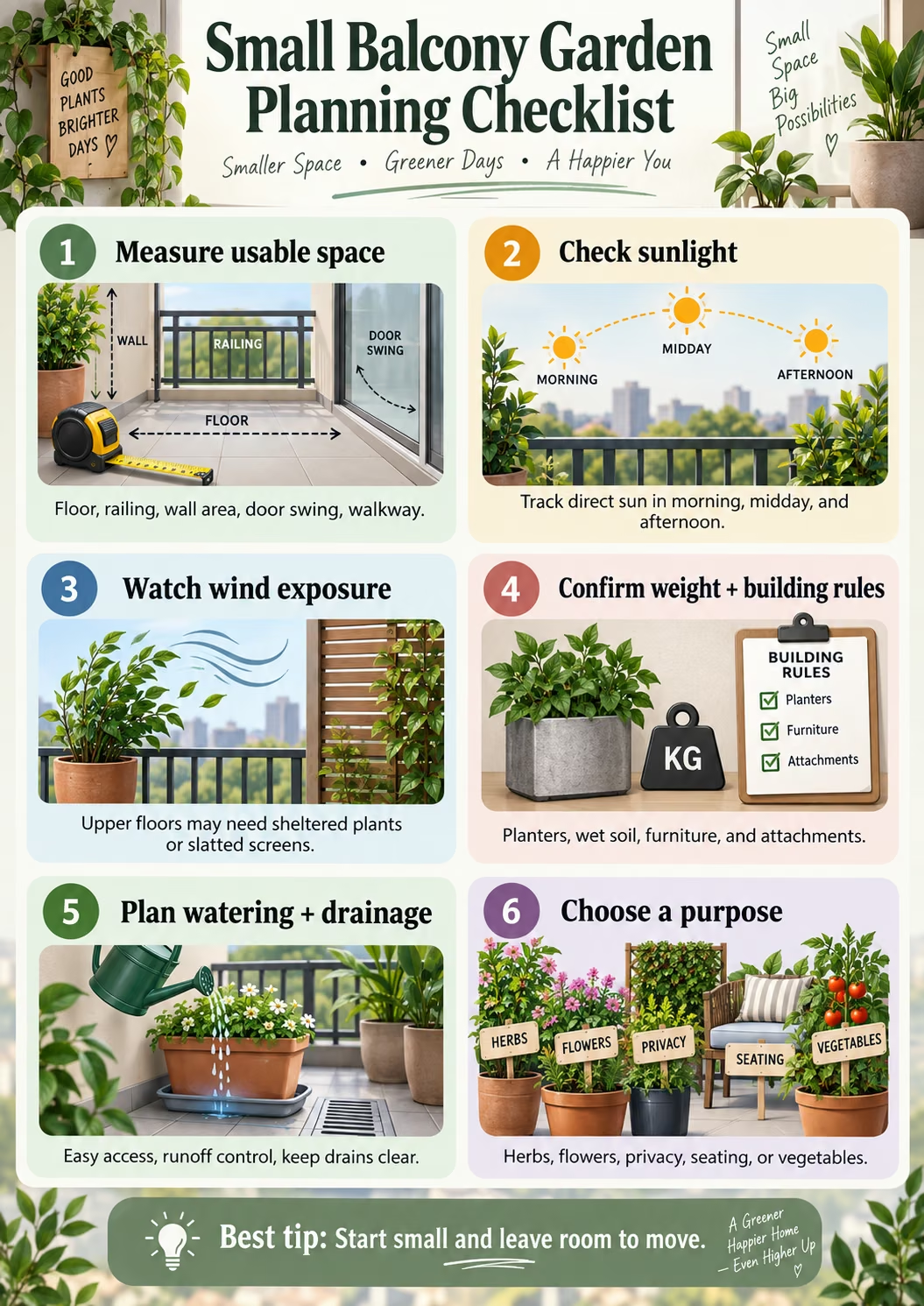
Measure the floor, railing length, available wall space, and overhead clearance. Mark the door’s opening area and any features that must remain accessible, including drains and service panels.
Then test the usable space with a chair in position. Can you open the door, sit comfortably, and reach the plants without moving several containers?
Sketch the layout before purchasing large planters. Include the expected spread of mature foliage, not just the dimensions of the pots.
Check Sunlight at Plant Level
Observe where direct sunlight falls in the morning, around midday, and in the afternoon. Repeat this as the seasons change, especially where neighboring buildings or an overhead balcony create shade.
For vegetables, the University of Maryland Extension suggests approximately six to eight hours of direct sunlight for warm-season fruiting crops, such as tomatoes and peppers. Some leafy crops, including lettuce and spinach, can grow with approximately three to five hours. These are crop-selection guidelines, not promises of equal productivity under different conditions. [2]
Reserve the brightest positions for crops that need them. Use less sunny areas for suitable foliage plants or shade-tolerant ornamentals.
Account for Wind Exposure
Upper-floor balconies can be exposed to strong winds. The Royal Horticultural Society recommends wind-filtering slatted or mesh screens rather than solid barriers, which can create turbulence. Low, broad containers are also less prone to overturning than tall, narrow arrangements. [1]
Check how wind moves through your particular balcony before deciding where delicate foliage or tall plants should go.
Check Weight and Building Restrictions
Confirm what the balcony can support before installing large planters, trees, or a living wall. Include containers, wet growing medium, stored water, furniture, and people in the assessment.
Where capacity is unknown, seek advice from building management and an appropriately qualified structural professional. The RHS specifically identifies structural assessment as a starting point for roof and balcony gardens. [1]
Ask separately about drilling, hanging baskets, railing attachments, screens, and alterations to waterproofing. A lightweight empty planter does not establish that the completed installation is safe.
Plan Watering and Runoff
Decide how you will carry or supply water and where excess water will go. Catch runoff without allowing ordinary plant pots to remain standing in it. Containers beneath an overhang may still need watering after rain because the growing medium received little or none. [4]
Keep balcony drains accessible, and plan to reach every container from a safe position.
Small Balcony Container and Vertical Garden Ideas
1. Build a Simple Container Garden
For a manageable first arrangement, try one main planter and two smaller supporting pots. Use the largest container as the focal point, then repeat a foliage color or pot finish in the others.
Choose containers around the plants’ root-space requirements rather than appearance alone. Both growing-medium volume and container depth matter. [3]
Movable containers also make it easier to experiment with your layout before committing to a more elaborate installation.
2. Create a Vertical Garden
Choose one vertical surface instead of spreading plants across the entire floor. A freestanding frame, trellis, or small planting panel can become the main feature.
Distinguish between plants growing upward from a container and plants rooted in individual wall-mounted cells. The second arrangement is a living-wall system, with different growing-medium and irrigation requirements. [11]
For a first project, consider one floor-level planter with a supported climber.
3. Install Wall-Mounted Planters
Arrange a few wall-mounted planters in a simple row or staggered pattern. Leave enough space between them to reach the soil, remove a pot, and inspect the wall behind it.
Before installation, confirm that the wall, fixing method, and building rules permit the intended wet load. Do not treat adhesive hooks or decorative hardware as substitutes for a suitable mounting system.
A small, serviceable arrangement is a better starting point than a full wall of inaccessible pots.
4. Add Railing Planters
Use railing planters where there is little floor space, but make attachment safety the deciding factor.
Choose a system compatible with the railing’s shape and approved for the intended use. Prefer an arrangement you can water, inspect, and remove from inside the balcony.
Before planting, test whether the containers interfere with doors, seating, or access. Do not rely on an improvised loose hook or balance a pot on top of the railing.
5. Grow Plants in Window Boxes
A long window box can provide a neat planting line without introducing many separate pot shapes.
For a simple design, repeat one compact flowering plant along the box. Alternatively, divide the visual space between a small herb grouping and ornamental foliage.
Use a removable planted liner where practical. This lets you refresh the display without dismantling the entire arrangement. Treat ledge-mounted boxes with the same attachment checks as railing planters.
6. Use Hanging Baskets
Place one hanging basket where its foliage can be appreciated without obstructing the walking route. Trailing petunias, pelargoniums, and suitable strawberry varieties are among the plants the RHS identifies for baskets.
However, hanging baskets can dry faster than other containers. Check them frequently during warm or windy weather rather than assuming their elevated position makes them low-maintenance. [12]
Choose a position where watering does not require leaning over the balcony edge.
7. Add Decorative Hanging Planters
Use a pair of smaller hanging planters to frame a seating corner or create an asymmetric display.
Vary their heights slightly, but check the arrangement from both standing and seated positions. Keep the containers out of head space and avoid hanging them directly above frequently used seating.
Make each planter individually removable. That gives you a straightforward way to water, clean, or replace its contents.
8. Install a Tiered Plant Stand
A tiered plant stand can organize several containers within one defined area.
Arrange plants according to their eventual height and the light reaching each level. A short plant does not automatically belong at the bottom, especially when the shelf above shades it.
Keep the stand stable and within its stated loading limits. Resist filling every shelf immediately. Leave space to move a pot forward for watering or inspection.
9. Add Narrow Plant Shelving
Use outdoor-suitable plant shelving along a side wall to create an organized display.
One possible arrangement is herbs at a comfortable picking height, small decorative pots above, and a covered container for hand tools below. Keep watering equipment separate from anything that must stay dry.
Check the actual light at each shelf. The brightest part of the balcony may not be the brightest part of the shelving unit.
10. Build a Small Vertical Plant Wall
A modular plant wall suits a balcony where you want planting to become the main visual feature.
Choose between removable planting modules and pocket-style systems based on how you will water and maintain them. The RHS notes that engineered living walls often need irrigation and may require professional installation and maintenance. [11]
Begin with a small panel. Confirm drainage, access, and plant performance before extending the installation.
11. Use Compact Raised Planters
A raised planter can place herbs or vegetables at a more convenient working height. Before choosing one, check its internal growing depth, not just its overall height.
A shallow planting tray on tall legs does not provide the root space of a deep container. [3]
Include the full wet weight and the way the legs transfer that weight to the balcony in your installation assessment.
12. Choose Self-Watering Planters
Self-watering planters use a reservoir beneath the growing medium, usually with a wicking connection and a designed overflow. They are not simply ordinary pots without drainage holes.
They can reduce watering work, but the reservoir still needs attention. Even the University of Maryland’s self-watering bucket example may need daily replenishment in hot, sunny conditions. [6]
Choose these systems for a particular plant and watering need, not as a promise of maintenance-free gardening.
Edible Small Balcony Garden Ideas
13. Start a Balcony Herb Garden
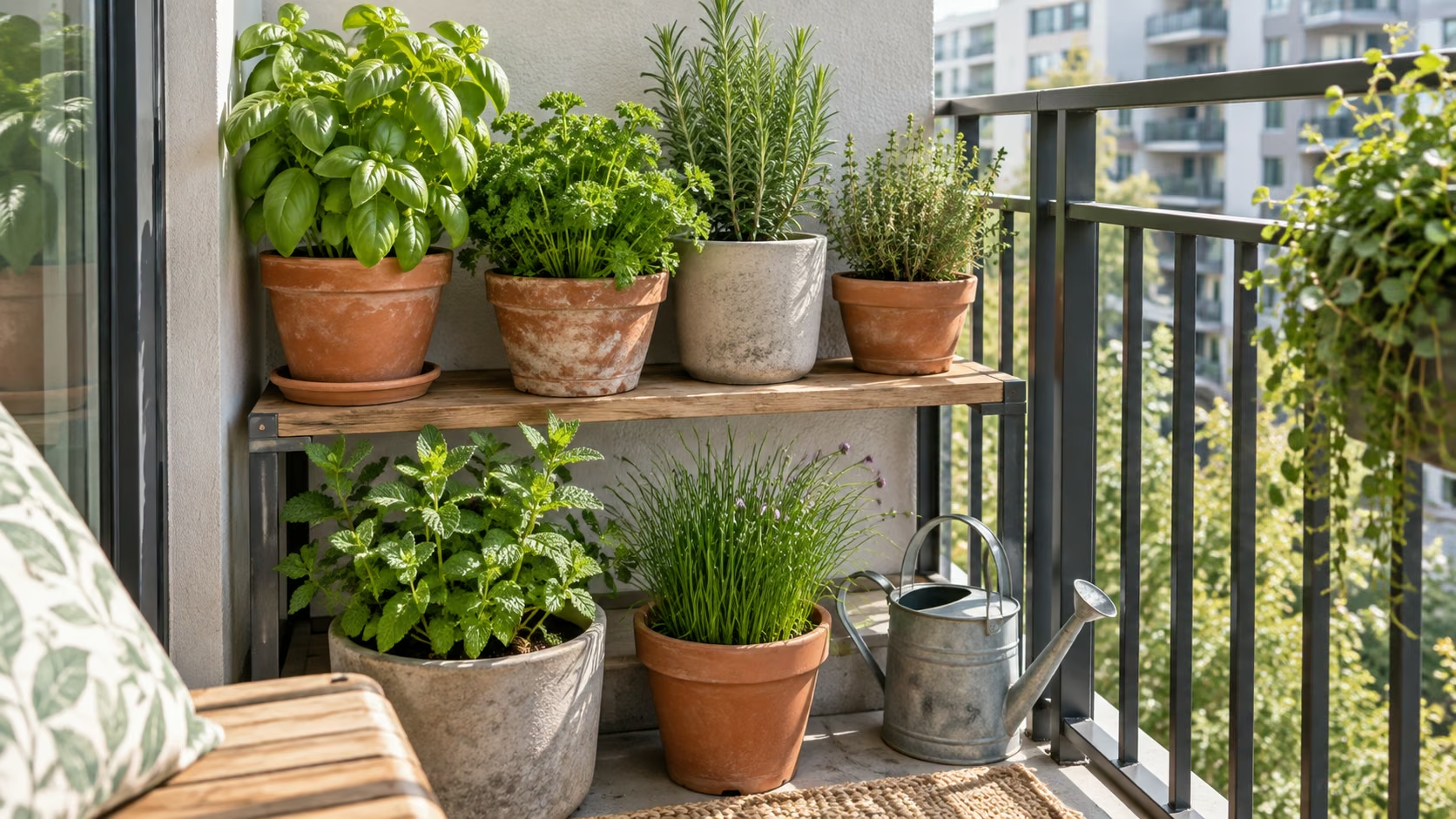
Build your herb garden around what you actually cook. Basil, parsley, chives, mint, thyme, and rosemary provide a useful range of flavors, but there is no need to grow all of them.
Most culinary herbs benefit from substantial sunlight, and mature size should influence their spacing. Mint deserves its own container because of its spreading growth. [8]
Keep frequently harvested herbs in the easiest positions to reach.
14. Grow Potted Herbs Individually
Separate pots let you adjust watering and placement instead of treating every herb alike.
For example, basil benefits from evenly moist growing medium, while rosemary needs particularly free-draining conditions and should not remain waterlogged. Keeping them in separate containers makes those differences easier to manage. [14]
Arrange the pots together for a coordinated herb display, but water each according to its own condition.
15. Create a Small Vegetable Garden
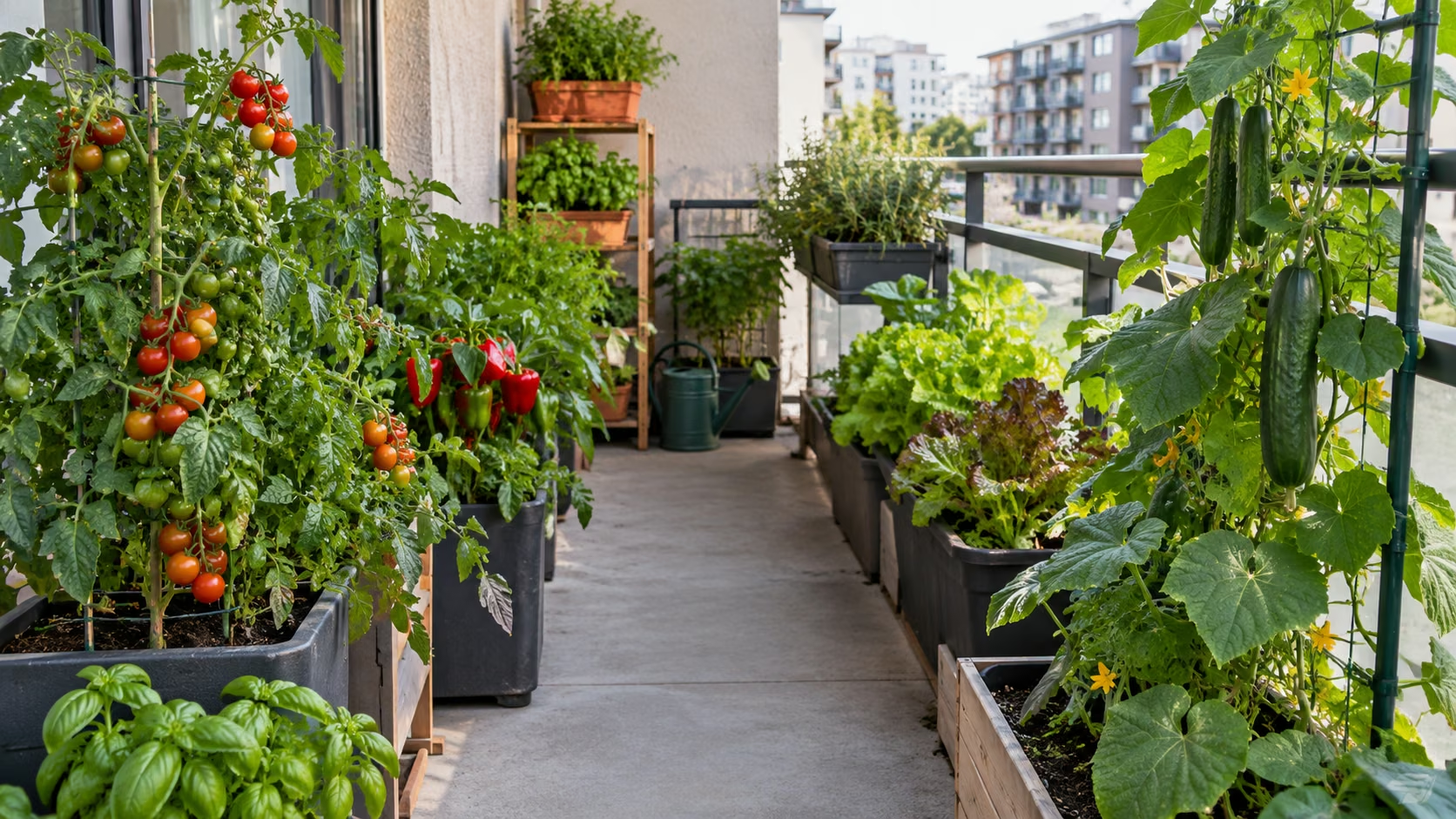
Choose a limited number of crops and give them appropriate space. One suitable tomato, a container of greens, and a few herbs may be a more workable first garden than six different large vegetables.
Dwarf, determinate, and compact vegetable varieties are often useful choices for container growing. Containers can also be replanted when a crop finishes, provided the next crop suits the remaining growing season. [7]
Keep a record of what you harvest and what needs too much attention.
16. Match Container Vegetables to Appropriate Pots
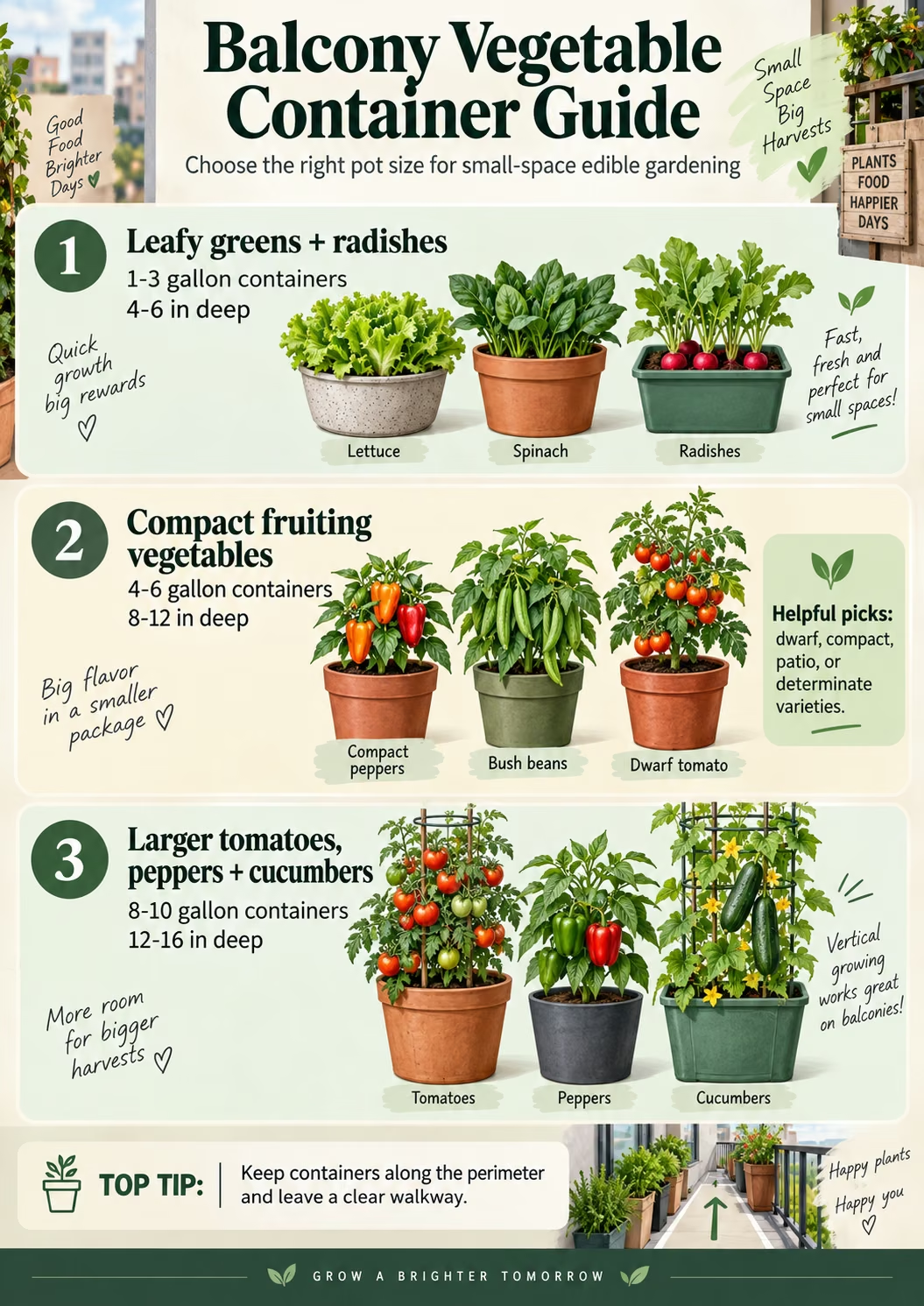
Tomatoes, peppers, radishes, leafy greens, bush beans, and compact cucumbers are candidates, but they do not all belong in the same size container.
The following planning ranges summarize University of Maryland guidance. Check the particular cultivar’s requirements before buying.
| Crop category | Growing-medium volume | Container depth |
|---|---|---|
| Small greens and short-rooted radishes | 1–3 US gallons, approximately 4–11 liters | 4–6 inches, approximately 10–15 cm |
| Dwarf fruiting vegetables and many medium-sized crops | 4–6 US gallons, approximately 15–23 liters | 8–12 inches, approximately 20–30 cm |
| Larger tomatoes, peppers, or cucumbers | 8–10 US gallons, approximately 30–38 liters | 12–16 inches, approximately 30–40 cm |
These are category-level recommendations, not interchangeable specifications for every variety. Read usable growing-medium volume separately from any water reservoir. [3]
For cucumbers, also check pollination requirements. Many varieties need insects to transfer pollen, while some can produce fruit without pollination. A screened balcony makes that distinction particularly relevant. [10]
17. Build a Salad Garden
Dedicate a container or short row of pots to salad ingredients such as lettuce, arugula, spinach, radishes, and herbs.
Instead of sowing everything at once, divide the planting into small batches appropriate to the crop and season. Regular harvesting and reseeding can extend the usefulness of a container, rather than producing one harvest followed by an empty planter. [7]
Label sowing dates so the next planting is a decision, not a guess.
18. Combine Edibles and Ornamentals
An edible balcony garden does not have to look like a miniature vegetable plot. Try colorful foliage beside herbs, a flowering container near a vegetable planter, or strawberries as part of a mixed display.
Keep the plants in separate pots when their care needs differ. Sharing a design does not require sharing the same soil.
For a coordinated result, repeat one container finish and let the plants provide the variation.
19. Grow a Carefully Chosen Dwarf Fruit Tree
A dwarf fruit tree can become the main feature of a balcony, but it requires more planning than a small herb pot.
Check the cultivar, rootstock, eventual size, container requirements, and pollination needs. The rootstock influences vigor, and some fruit trees require a compatible partner. “Dwarf” does not mean “self-fertile.” [15]
Container citrus is another possibility where conditions are suitable. Cold tolerance differs between citrus types, and plants may need a bright, protected winter location. [16]
Before buying, resolve where the tree will live throughout the year and how its mature wet weight will be accommodated.
Space-Saving Balcony Garden Ideas
20. Design Around the Perimeter
Reserve the center for movement and place most planting along selected edges.
For example, use a long container on one side, a vertical feature at the end, and a folding chair opposite. This provides a clear starting structure without surrounding the entire balcony with pots.
Leave an intentionally empty area. You may need it for watering, repotting, or moving furniture.
21. Choose Compact Plants by Mature Size
Read the plant’s expected height, width, and growth habit before purchasing.
For vegetables, labels such as dwarf, compact, patio, or determinate can help identify candidates, but check the individual description rather than relying on the label alone. University of Wisconsin guidance specifically favors compact growth forms for many container situations. [7]
Plan for the plant several months from now, not just its size in the nursery pot.
22. Grow Climbing Plants Upward
Use a supported climbing crop where there is adequate light and overhead room.
Cucumbers illustrate the choice: some varieties form long vines suitable for trellising, while bush types occupy a more compact area. Select the growth habit that matches the space you have, rather than trying to restrain an unsuitable variety later. [10]
Keep the container accessible at floor level even when the foliage grows above it.
23. Install a Balcony Trellis
Treat the trellis as part of the layout, not an afterthought added once the plant is sprawling.
Choose a height you can maintain safely and openings through which you can reach the plant. Position it so leaves will not obstruct the door or shade the crops that need the most sun.
Confirm that both the support and its attachment are suitable for the intended installation.
24. Add Trailing Plants
Use trailing plants to soften the edges of a shelf, window box, or hanging container. The RHS includes options such as Dichondra ‘Silver Falls,’ lobelia, and trailing forms of several basket plants. [12]
Limit the effect to a few deliberate positions. Keep trailing growth within an area you can inspect and trim without reaching outside the railing.
Try one upright focal plant with a smaller trailing element rather than several competing cascades.
Small Balcony Flower Garden Ideas
25. Create a Flowering Display With Seasonal Interest
Choose flowers around the conditions and season, then plan how the display will change.
For example, use a basket of suitable warm-season flowering plants as one feature, with separate pots that can be replaced as their display finishes. Hanging-basket options include petunias, pelargoniums, and lobelia, while suitable begonias and impatiens provide options for shadier locations. [12]
There is no need for every container to reach its peak simultaneously.
26. Use Evergreen Plants for Structure
Keep one or two longer-lasting foliage plants as the foundation, then change the smaller flowering containers around them.
Compact boxwood cultivars are one option where locally suitable. Rosemary can provide evergreen structure in a sunny position with appropriate drainage and climate protection. [20]
Check mature dimensions carefully. The goal is a persistent shape within the layout, not a shrub that eventually occupies the seating area.
27. Create a Succulent Display
Group a few individually potted succulents on a small shelf or tabletop where you can inspect their growing medium.
Choose species for your climate rather than treating all succulents alike. For example, many Sempervivum are cold-hardy, but NC State notes that they can prefer cooler conditions and may benefit from afternoon shade in hot areas. [19]
A succulent display should be designed around the plants’ requirements, not the assumption that extreme sun and heat suit every species.
28. Make the Most of a Sunny Balcony
Give the best-lit positions to plants that need them, such as suitable tomatoes, peppers, or sun-loving ornamentals.
Also consider heat around the containers. Masonry and paving can create additional heat exposure, and a sunny balcony is not automatically an easy growing environment. [2]
Keep the arrangement accessible so you can check moisture and adjust individual pots rather than struggling through dense foliage.
29. Build a Shade-Tolerant Garden
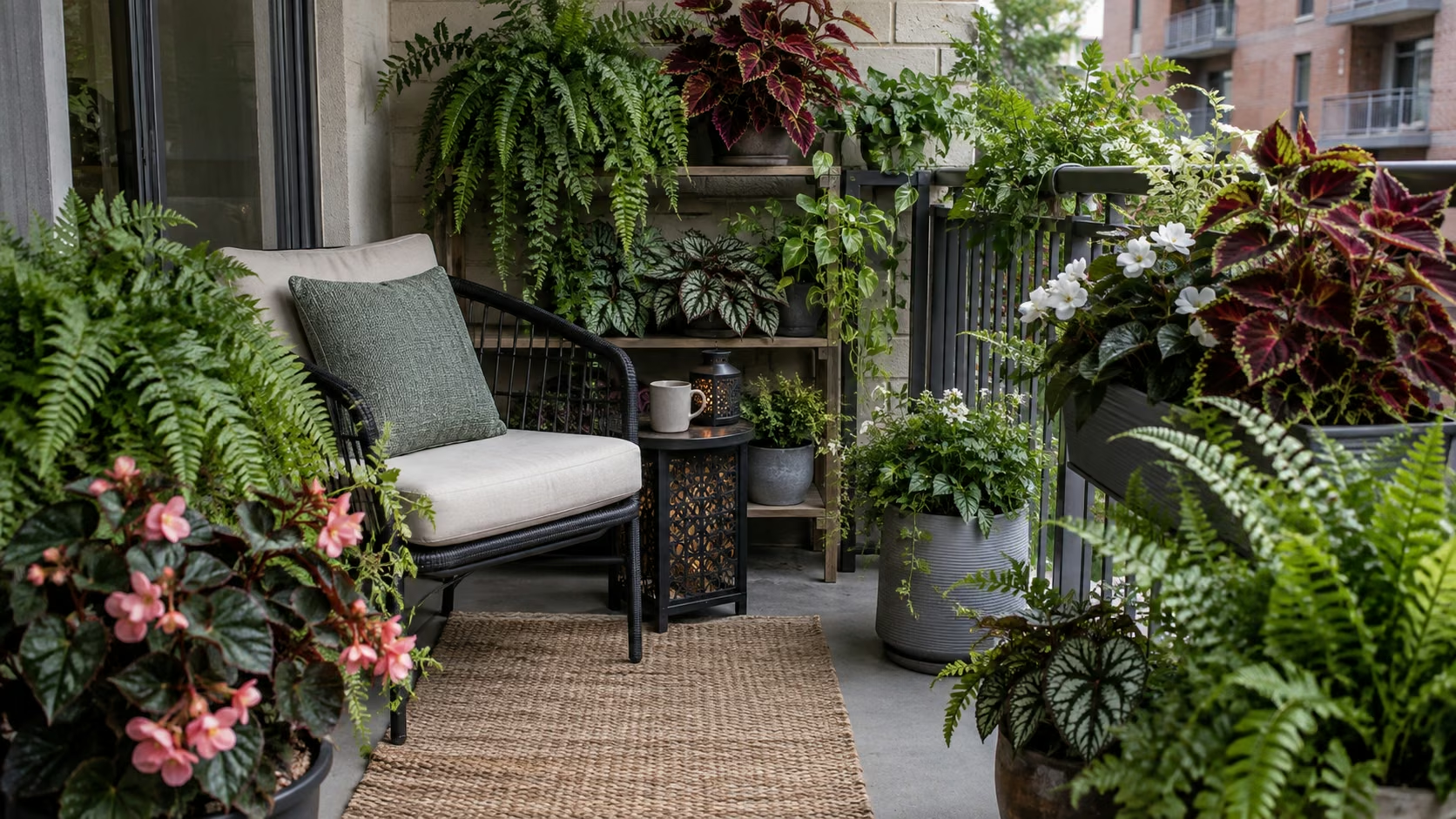
For a balcony with limited direct sun, focus on foliage shapes and suitable flowering plants.
Depending on the cultivar and climate, options include begonias, coleus, impatiens, and certain ferns. Pots in shade commonly dry more slowly than those in full sun, so avoid copying the watering routine used for a sunny balcony. [20]
As a design choice, combine broad leaves with finer foliage and use a restrained container palette.
30. Add Pollinator-Friendly Plants
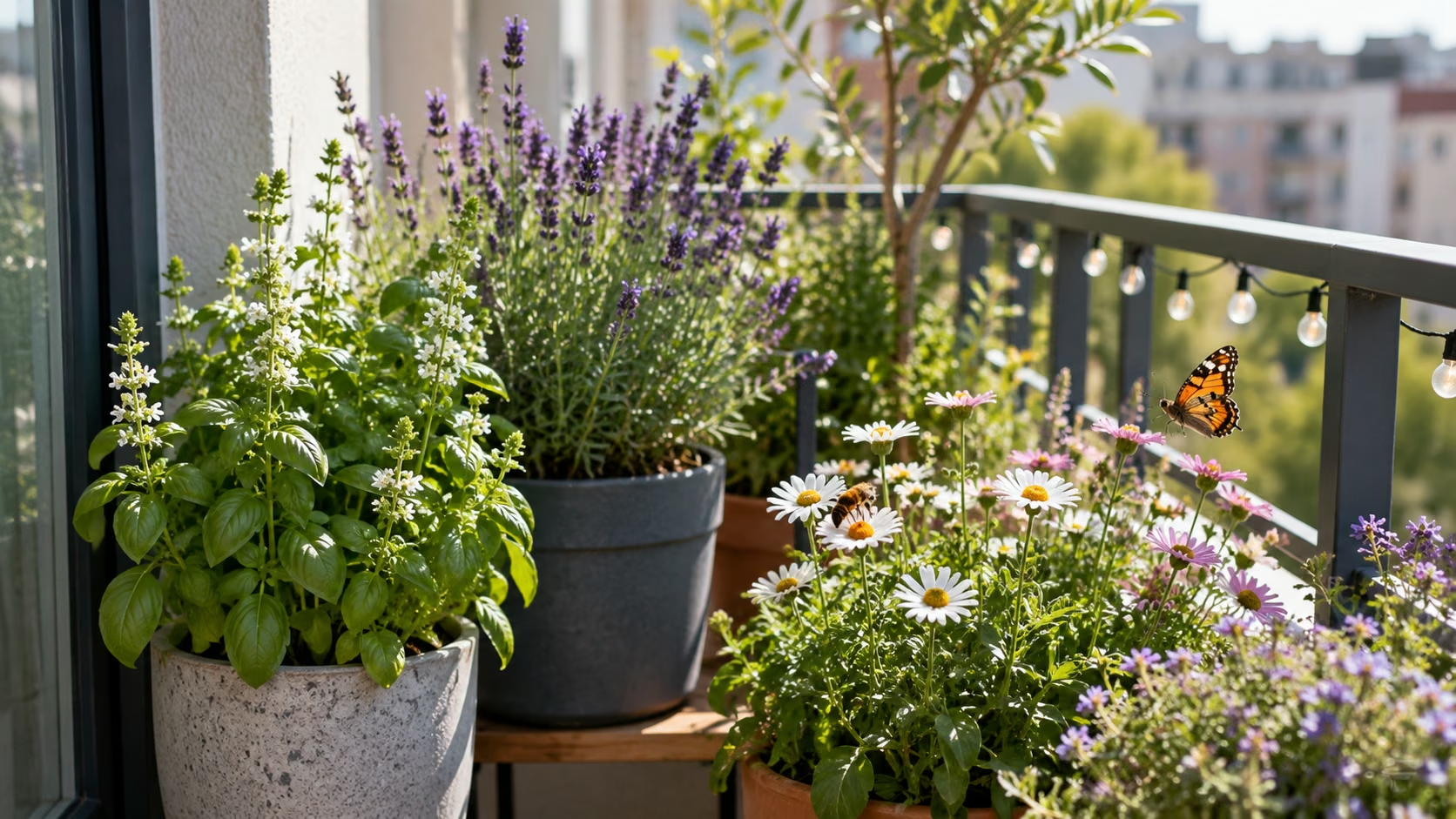
Choose flowers with accessible pollen and nectar, and aim for a sequence of bloom rather than one brief display.
The RHS recommends simple, open flowers in preference to heavily doubled blooms when maximizing access to pollen and nectar. It also advises avoiding pesticides in pollinator-focused spaces. Use locally relevant plant recommendations to select suitable species. [17]
One option is to let a separate basil plant flower while keeping another for leaf harvest, since basil flowers provide nectar for visiting insects. [14]
Balcony Garden Ideas for Privacy
31. Use Plants Where Privacy Is Actually Needed
Sit in the intended seating position and identify the specific sightline you want to soften.
You may only need one carefully positioned planter rather than a continuous row of tall plants. Measure the combined height of the container and mature foliage.
Select a plant that fits the available width, too. A narrow balcony has little room for a shrub that expands into the walking route.
32. Create a Living Green Screen
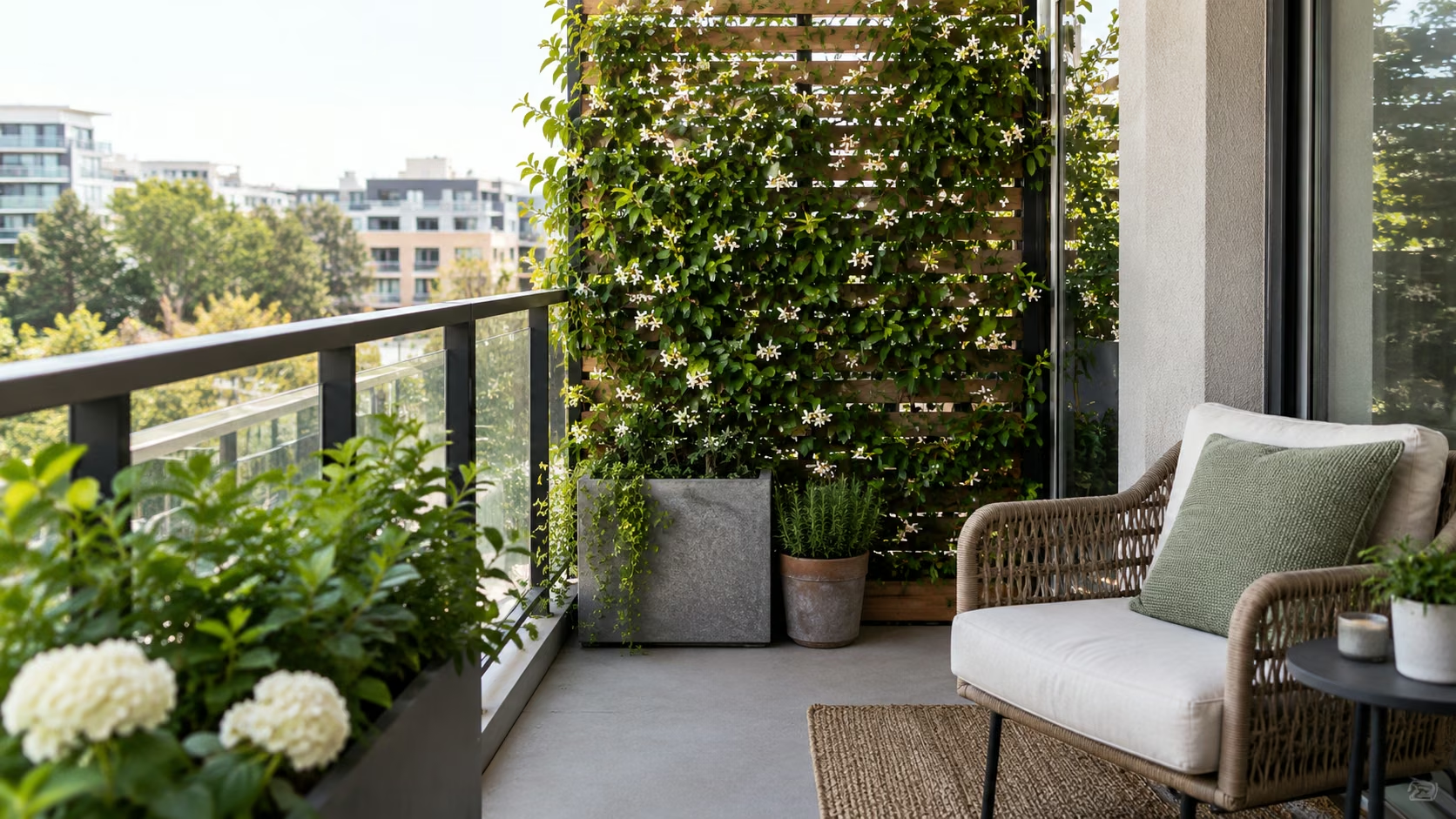
Train plants across a support to form a green screen without installing a fully planted wall.
This differs from a living-wall system because the roots remain in a container below while the growth covers the support. Trellises and wires are recognized approaches to this form of vertical greening. [11]
Leave selected openings where you want light, views, or access rather than aiming for complete coverage.
33. Combine a Privacy Screen With Plants
A partial physical screen can provide immediate privacy while plants establish.
Consider a permitted lattice or slatted panel rather than assuming a solid sheet is the best wind barrier. Wind-filtering screens can behave differently from solid barriers, which may create turbulence. [1]
Confirm permitted materials and attachments with building management. Leave ventilation and required access unobstructed.
34. Grow Vines on a Privacy Trellis
Use one trellis to define the back of a seating corner, then train the plant across it gradually.
Keep the container on the side where watering and pruning are easiest. Plan for any seasonal loss of foliage so the design still works when coverage is thinner.
As growth develops, maintain a boundary between the screen, neighboring property, and the balcony door.
Balcony Garden Layout and Design Ideas
35. Divide the Balcony Into Three Functions
Plan for planting, seating, and circulation.
These do not need equal areas. A narrow balcony might have a continuous planting strip, one folding chair, and a clear route from the door. A wider balcony might support a small table and a separate planting corner.
Draw all three functions before adding decorative features. This gives you a practical limit on how many containers to include.
36. Arrange Pots in Deliberate Groups
Try grouping containers at two or three different heights rather than spacing every pot evenly around the balcony.
Use one larger pot to anchor the group and smaller containers to support it. Leave enough room to reach the growing medium and remove each container independently.
As a practical organizing choice, keep plants with similar care requirements near one another without assuming they always need watering together.
37. Add Compact Balcony Seating
Choose the seating before finalizing the plant count.
A folding chair, narrow bench, or small corner seat may fit better than a permanent outdoor set. Test the space with someone seated and the door fully open.
Prioritize a comfortable position you will actually use. A garden that requires moving several pots before sitting down may become less inviting in everyday life.
38. Use Multifunctional Furniture
Consider a storage bench for tools, a folding table for temporary repotting, or a plant stand with a separate equipment shelf.
Give each item one clear primary purpose and, where useful, a secondary one. Avoid expecting a small table to function permanently as both a dense plant display and a comfortable dining surface.
Choose pieces that remain easy to clean and access.
39. Turn One Corner Into a Garden Feature
Use a corner as a concentrated planting area while keeping the rest of the balcony more open.
A possible arrangement is one upright plant at the back, a shorter container beside it, and a trailing element toward the front.
Leave a way to reach the rear container. A corner should not become a permanent storage area for pots you cannot comfortably maintain.
40. Repeat a Few Design Elements
For a coordinated appearance, repeat one or two container finishes, a foliage shape, or a flower color.
This is a design choice, not a planting rule. You can still use different species and container sizes while maintaining a common visual element.
Before adding another decorative object, check whether the existing plants would benefit more from extra growing or access space.
Balcony Garden Lighting Ideas
Use lighting to support a specific activity: sitting outside, finding the door, or enjoying the planting after sunset.
An outdoor-rated lantern or short run of suitable string lights may be enough. Solar lights need an appropriately lit charging position, while mains-powered installations require equipment and installation suited to outdoor conditions. Electrical Safety First emphasizes weatherproof fittings, correct environmental ratings, and regular checks for damage. [21]
Keep cables out of walking routes, aim lights away from neighboring windows, and choose a convenient way to switch them off.
Soil, Watering, and Growing Conditions
Choose a Suitable Potting Mix
Use a growing medium formulated for containers rather than filling pots with ordinary garden soil.
Container roots need a balance of water retention and air space. Ingredients such as coir, composted bark, perlite, and other components are combined to create those properties. The appropriate formulation depends on the plant and container. [5]
Read the label for intended use and any added fertilizer. In some gardening sources, “potting compost” means formulated growing medium, not finished compost from food or garden waste.
Keep Drainage Functional
Inspect the drainage arrangement before planting and again during routine care.
For conventional pots, keep outlets clear and remove collected runoff after watering. A decorative outer container should not become a hidden reservoir around the nursery pot. [9]
Designed self-watering containers are different: follow their instructions for the reservoir, overflow, and growing medium rather than modifying them as ordinary pots.
Understand the Gravel-Layer Debate
Gravel is not a substitute for an outlet that allows excess water to escape.
Extension guidance commonly recommends a continuous column of potting mix without a bottom layer of rocks. However, a 2025 experiment found that drainage layers reduced water retention in several tested combinations of materials and growing media. The study did not directly test plant growth. [7]
The practical priority is a suitable container, growing medium, and watering method, rather than treating a gravel layer as either essential or universally harmful.
Set Up a Manageable Irrigation Routine
Manual watering is a straightforward starting point when you have only a few containers. Check moisture below the surface and water the root zone as needed instead of giving every pot the same small splash.
For a larger collection, drip irrigation may help, but timers still need adjustment as weather and plant size change. [4]
Test any drip system, watering spike, or other device while you are present. Check that each pot receives the intended amount before relying on it during an absence.
Use Reservoir Planters Strategically
Keep a record of how quickly each reservoir empties during ordinary and hot weather. Check the growing medium as well as the water indicator.
A reservoir system can simplify care, but its performance depends on the plant, container, and conditions. It should not be used to make incompatible plants share the same moisture regime. [6]
For a mixed balcony, conventional pots and reservoir planters can operate side by side.
Include Feeding and Plant Inspection
Container plants may need supplemental nutrients as they grow. Check whether the mix already contains fertilizer and follow the relevant product’s rate and timing instructions. More fertilizer is not automatically better. [9]
During watering, inspect foliage and growing tips. Container plants can still develop pests such as aphids and scale insects. Identify the problem before choosing a response rather than treating every damaged leaf as the same issue. [18]
Seasonal Balcony Gardening
Adapt to Local Growing Seasons
Use the seasons that matter in your climate. That may mean warm and cool planting periods, or planning around wet and dry conditions rather than a four-season calendar.
In cold climates, protect suitable container plants from freezing growing media. During persistently wet conditions, some pots may need a sheltered position. Plants under cover can still require watering even when the season is cool. [18]
When moving plants from protected indoor conditions outdoors, acclimatize them gradually. RHS guidance specifically recommends this for plants such as basil and citrus. [14]
Refresh Containers Between Crops
Remove exhausted plants, inspect the roots and drainage, and decide whether the growing medium remains suitable.
Healthy used potting medium may be refreshed and reused, but medium associated with root disease should not automatically be carried into the next planting. [5]
Prune perennial plants according to their species rather than applying one end-of-season rule to everything. Use the reset to remove any container that has become difficult to maintain.
Small-Space Composting for Balcony Gardeners
Choose a System You Can Manage Through to Completion
A compact worm bin can suit an apartment or a shaded balcony with suitable temperatures. It needs appropriate composting worms, moist bedding, controlled feeding, and protection from extremes. Cover food scraps with bedding and avoid overfeeding. [22]
A small conventional composting container still needs a balance of materials, moisture, and air. Limited space does not remove those requirements.
Recognize That Bokashi Is a First Stage
Bokashi ferments food scraps in an airtight system using an inoculated material. The resulting contents are not finished compost.
They need a further processing stage, such as composting or suitable soil incorporation. Before starting, establish where that second stage will happen. A balcony full of planted pots is not automatically an appropriate destination for a bucket of freshly fermented scraps. [23]
Use Finished Material Appropriately
Use finished compost or vermicompost as part of an appropriate container-growing approach, not as a reason to add unlimited amounts to every pot.
Also distinguish composting from food-scrap dehydration. The EPA notes that appliances that grind and dry scraps do not themselves produce finished compost. Where home processing is impractical, a community or municipal collection option may be more suitable. [22]
Five Sample Balcony Garden Layouts
These are adaptable design examples, not structural assessments. Reduce or change the components to fit your balcony and building requirements.
Layout 1: Tiny Apartment Balcony
Place a small vertical feature at one end, herbs near the door, and a folding chair on the opposite side. Add two railing planters only where permitted and properly supported.
Leave the center open. Treat a hanging planter as optional rather than an automatic extra.
Layout 2: Edible Balcony
Put a suitably sized fruiting-vegetable container in the brightest position. Add a separate salad planter, a small herb group, and a trellis where the chosen crop needs one.
Keep harvesting and watering access along the front of the planting.
Layout 3: Privacy-Focused Balcony
Identify the main sightline from your chair, then place one narrow planting feature or permitted screen to soften it.
Use a second, lower container nearby rather than surrounding the seating with tall plants. Preserve an open route between the chair and the door.
Layout 4: Flower-Filled Balcony
Choose one primary flower display, such as a railing box or hanging basket. Support it with a tiered stand and one longer-lasting foliage container.
Repeat a limited flower-color palette and reserve a position for seasonal replacements.
Layout 5: Lower-Maintenance Balcony
Begin with fewer containers and plants already suited to the conditions.
Separate any succulent display from moisture-demanding planting. Use reservoir planters only where appropriate, and omit difficult-to-reach hanging pots. Keep enough room to inspect each plant without rearranging the entire balcony.
Common Small Balcony Gardening Mistakes to Avoid
Overcrowding the space. Plan for mature foliage as well as containers, and preserve a usable seating and walking area.
Choosing by appearance alone. A plant’s light, moisture, temperature, and space requirements should come before its color.
Confusing an outer decorative pot with a drainage system. Check where excess water actually collects.
Buying plants that outgrow the layout. Use mature dimensions when choosing shrubs, vegetables, and climbers.
Ignoring wind and attachment requirements. Reassess tall planting and screens before making them permanent.
Watering every pot on the same schedule. Different plants and container conditions require individual checks.
Adding too many competing features. Choose a main purpose and a few supporting elements instead of trying to include every idea.
These mistakes reflect the same core principles emphasized in extension and RHS guidance: suitable growing conditions, adequate root space, appropriate watering, and consideration of exposure. [2]
How to Start a Small Balcony Garden Step by Step
-
Confirm the boundaries. Check building permissions, structural questions, attachment restrictions, drainage access, and any required clear routes.
-
Measure and observe. Record the usable space, direct sunlight, wind exposure, and sheltered positions.
-
Choose the garden’s main purpose. Prioritize food, flowers, privacy, seating, or a carefully limited combination.
-
Draw the layout. Place seating and circulation first, then mark floor containers, vertical features, and any approved railing or hanging planters.
-
Match plants and containers. Check mature growth, root-space needs, local suitability, potting mix, and the drainage arrangement.
-
Establish the care system. Decide how you will water, catch runoff, feed plants when needed, and maintain them during absences.
-
Add optional features gradually. Introduce lighting, storage furniture, or screening only after the basic arrangement works.
-
Review the garden through the season. Record problems and successful plants, then adjust the next planting rather than continually adding more pots.
Frequently Asked Questions About Small Balcony Gardens
What Are the Best Plants for a Small Balcony Garden?
The best plants are those suited to the actual conditions. Compact herbs and vegetables are useful candidates for brighter balconies, while suitable begonias, coleus, and ferns offer options for shaded spaces. Check the individual variety’s requirements and mature size. [8]
How Do I Make a Small Balcony Look Like a Garden?
Choose one main planting feature and add a smaller supporting layer. For example, pair a planted trellis with a group of containers and a folding chair. Repeat a few pot finishes or colors, and leave space between the features rather than filling every surface.
What Vegetables Grow Well on an Apartment Balcony?
Leafy greens, radishes, peppers, compact tomatoes, bush beans, and suitable cucumber varieties can grow in containers. Match each crop to its light, growing season, and root-space needs rather than assuming every balcony can support the same selection. [2]
How Can I Create Privacy With Balcony Plants?
First identify the view you want to screen from your seated position. Then use a narrow plant, a trained climber, or a permitted partial screen in that location. Design for the mature planting width and maintain access to the container.
How Can I Garden Without Taking Up Much Floor Space?
Use approved wall-mounted or railing planters and suitable hanging containers. A climber can provide vertical coverage from one floor-level pot. Shelving reduces the spread of a collection, but it still occupies a footprint; a living wall also needs accessible irrigation and maintenance. [11]
How Often Should Balcony Plants Be Watered?
There is no reliable universal schedule. Check the growing medium and respond to the plant, container size, weather, and exposure. Warm, windy conditions may require frequent attention, while cooler or shaded containers can remain moist longer. [4]
Can I Grow Fruit on a Small Balcony?
Yes, provided the plant, container, light, climate, and permitted load are suitable. Carefully selected fruit trees can grow in pots, but check rootstock and pollination requirements. Container citrus may also need protected winter accommodation, depending on the type and climate. [15]
How Do I Protect Balcony Plants From Strong Wind?
Use suitable sheltered positions, appropriately secured supports, and permitted wind-filtering screens. Low, broad containers can be more stable than tall, narrow ones. Do not add heavy ballast without considering the balcony’s approved load and installation requirements. [1]
Is Composting Possible on a Small Balcony?
A properly managed worm bin may be suitable where temperature and space allow. Bokashi is another compact first-stage system, but the fermented contents still need further processing before use around plants. [22]
Final Thoughts
Start your small balcony garden with a few containers that have a clear purpose and a place you can comfortably reach. Add vertical growing, privacy planting, or hanging features only when they improve the space rather than make it harder to use.
The most useful design is one you can water, maintain, and enjoy. A modest herb collection beside a comfortable chair may serve you better than an elaborate display with no room left to sit.
Sources
- Royal Horticultural Society. Greening balconies and roof gardens.
- University of Maryland Extension. Growing Vegetables in Containers.
- University of Maryland Extension. Types of Containers for Growing Vegetables.
- University of Maryland Extension. Maintaining Container Grown Vegetables.
- University of Maryland Extension. Growing Media (Potting Soil) for Containers.
- University of Maryland Extension. Self-Watering Containers.
- University of Wisconsin–Madison Extension. Growing Vegetables in Containers.
- University of Minnesota Extension. Growing herbs in home gardens.
- University of Minnesota Extension. Fertilizing and watering container plants.
- University of Minnesota Extension. Growing cucumbers in home gardens.
- Royal Horticultural Society. Green walls.
- Royal Horticultural Society. Hanging baskets.
- Royal Horticultural Society. How to grow rosemary.
- Royal Horticultural Society. How to grow basil.
- Royal Horticultural Society. Fruit in containers.
- Royal Horticultural Society. How to grow citrus.
- Royal Horticultural Society. Plants for Pollinators.
- Royal Horticultural Society. Container maintenance.
- NC State Extension Gardener Plant Toolbox. Sempervivum.
- Proven Winners. Low Light Container Plants for Shaded Porches and Patios.
- Electrical Safety First. Outdoor lighting usage and safety.
- U.S. Environmental Protection Agency. Composting At Home.
- Royal Horticultural Society. How to recycle food waste with bokashi.
- Rowe, A. (2025). Effect of drainage layers on water retention of potting media in containers. PLOS ONE, 20(2), e0318716.