
The sun drops behind the fence, the grill is cooling, and someone strikes a match over a ring of split oak. A string of bulbs flickers on overhead, and suddenly the plain rectangle of grass behind the house feels like the best room you own.
That shift is why people keep looking for new ways to use the space out back. A backyard can host dinners, keep kids busy, give the dog room to run, grow a little food, and still leave a quiet spot for a book. It doesn’t take a big lot or a contractor’s budget, just a few smart choices that match how your household actually lives.
These 31 backyard ideas cover gathering spots, cooking and dining setups, ways to cool off and unwind, play and pet areas, low-care lawn swaps, and practical projects like compost and rain gardens. Pick one weekend project or map out several zones and build them over a few seasons.
1. Build a Fire Pit Gathering Circle
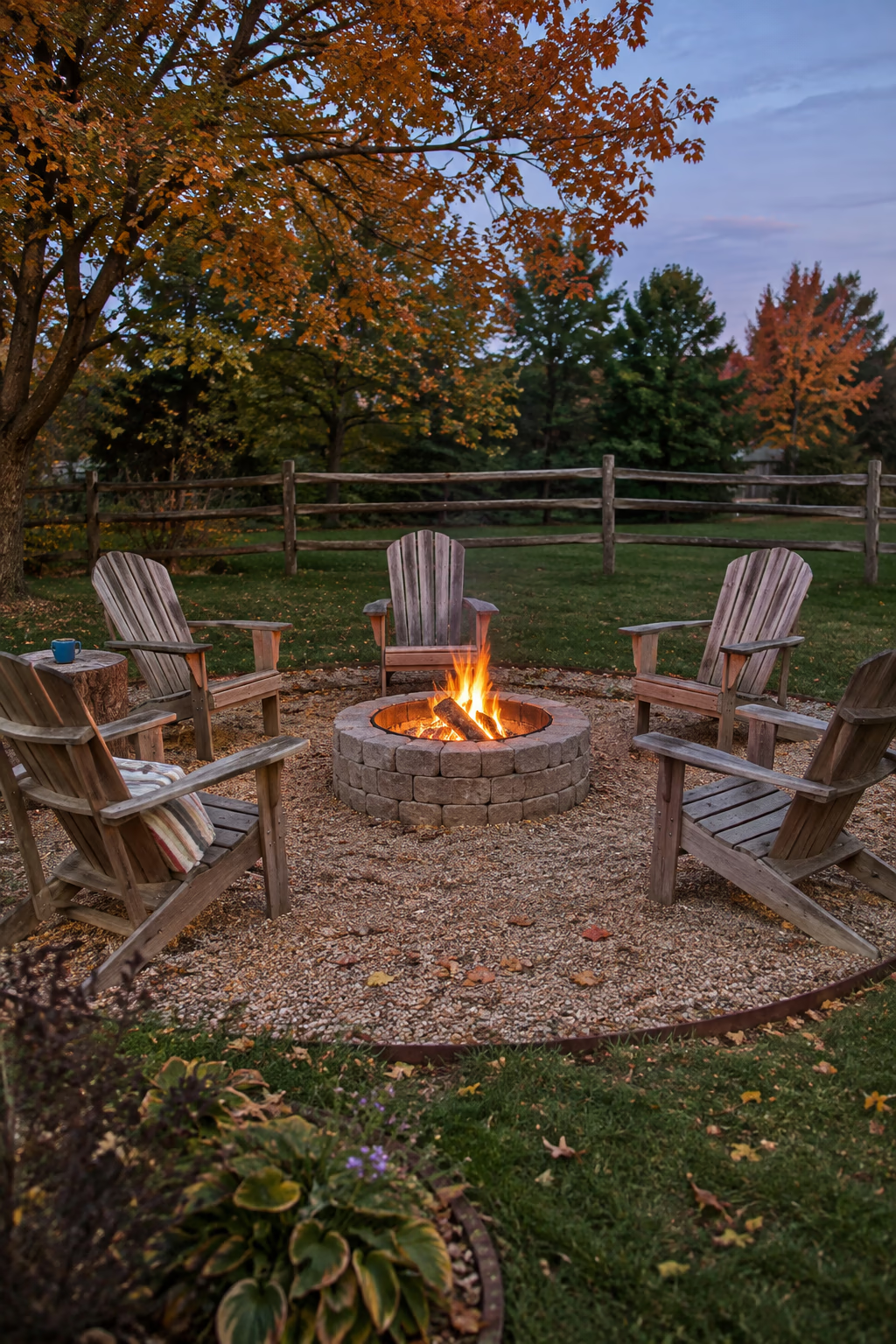
The easiest way to make evenings last longer
A fire pit gives everyone a reason to linger outside after dark. Clear a level circle about 12 to 16 feet across, set a steel ring or stacked block pit roughly 3 to 4 feet wide in the center, and surface the area with pea gravel or crushed stone over landscape fabric.
Ring the pit with Adirondack chairs, a curved bench, or a few stumps, leaving about 3 feet between seat edges and the fire. That circle shape keeps conversation flowing because everyone faces the middle.
Check local burn rules and HOA covenants first, since some towns restrict wood fires or require a set distance from structures and trees. A gas or propane pit is a cleaner option where smoke is a concern.
2. Hang a Canopy of String Lights
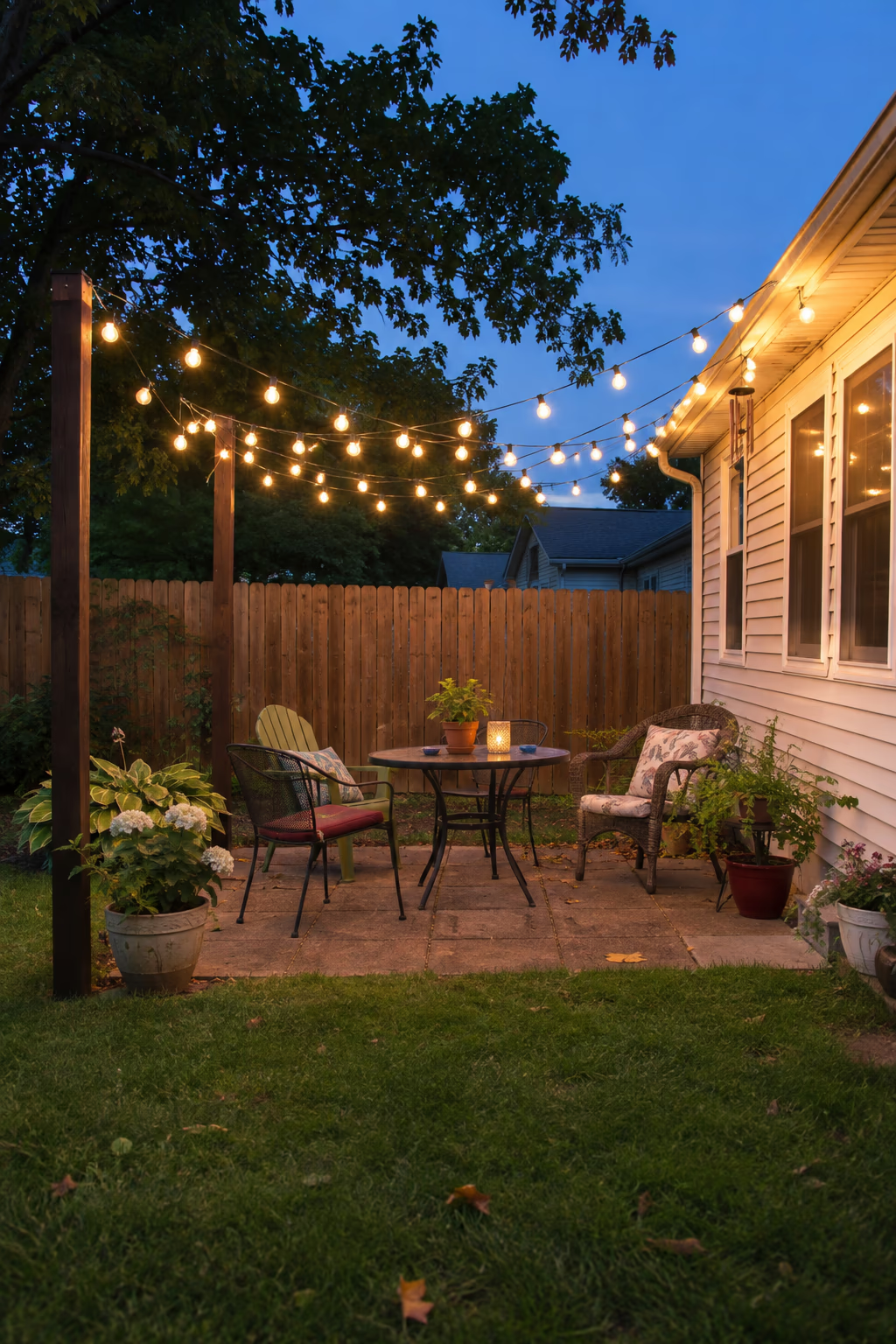
Instant atmosphere for very little money
Few upgrades change a yard’s mood as quickly as a web of warm bulbs overhead. Run commercial-grade string lights in a zigzag or crisscross pattern over a seating or dining area, attaching them to the house, a fence, or 10-foot posts set in buckets of concrete or ground sleeves.
Use a steel guide wire for spans longer than about 20 feet so the strands don’t sag or tug on their sockets. Warm white LED bulbs around 2,200 to 2,700 Kelvin feel cozy without glare.
Plug into a GFCI-protected outdoor outlet and add a smart plug or timer so the lights switch on at dusk without anyone running out to flip a switch.
3. Set Up a Compact Outdoor Kitchen
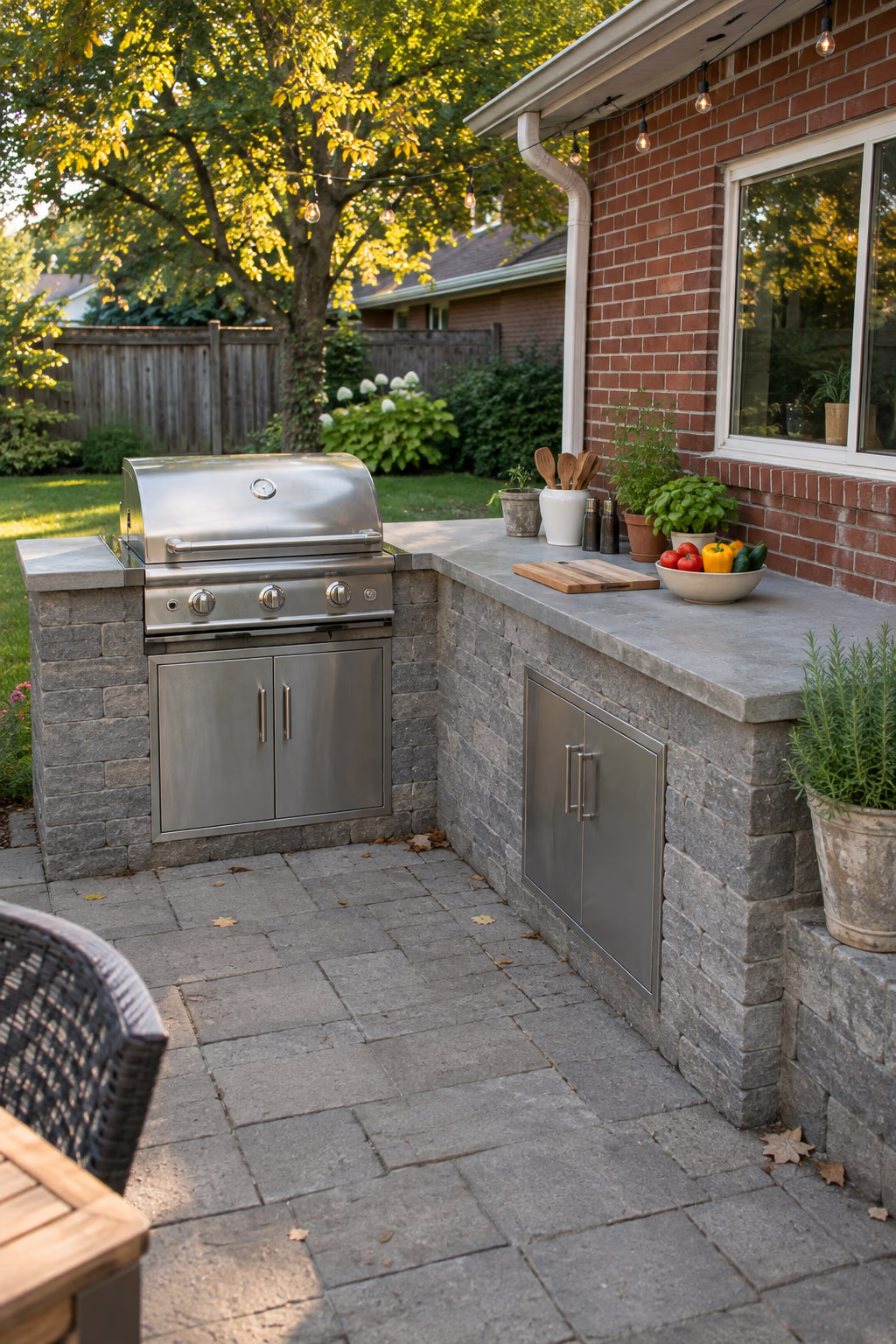
Cook and socialize in the same place
An outdoor kitchen doesn’t need to be a full masonry build. A simple L-shaped run of steel or block cabinets with a built-in grill, a few feet of weather-resistant counter, and a storage cabinet underneath covers most backyard cooking.
Place it close enough to the back door that carrying food is easy, but far enough away that smoke drifts off rather than into the house. Concrete, granite, and porcelain counters hold up well to sun and freezing temperatures.
Plumbing, gas lines, and dedicated electrical circuits usually need permits and licensed trades, so price those out early. Skipping a sink keeps costs down considerably.
4. Cool Off in a Stock Tank Pool
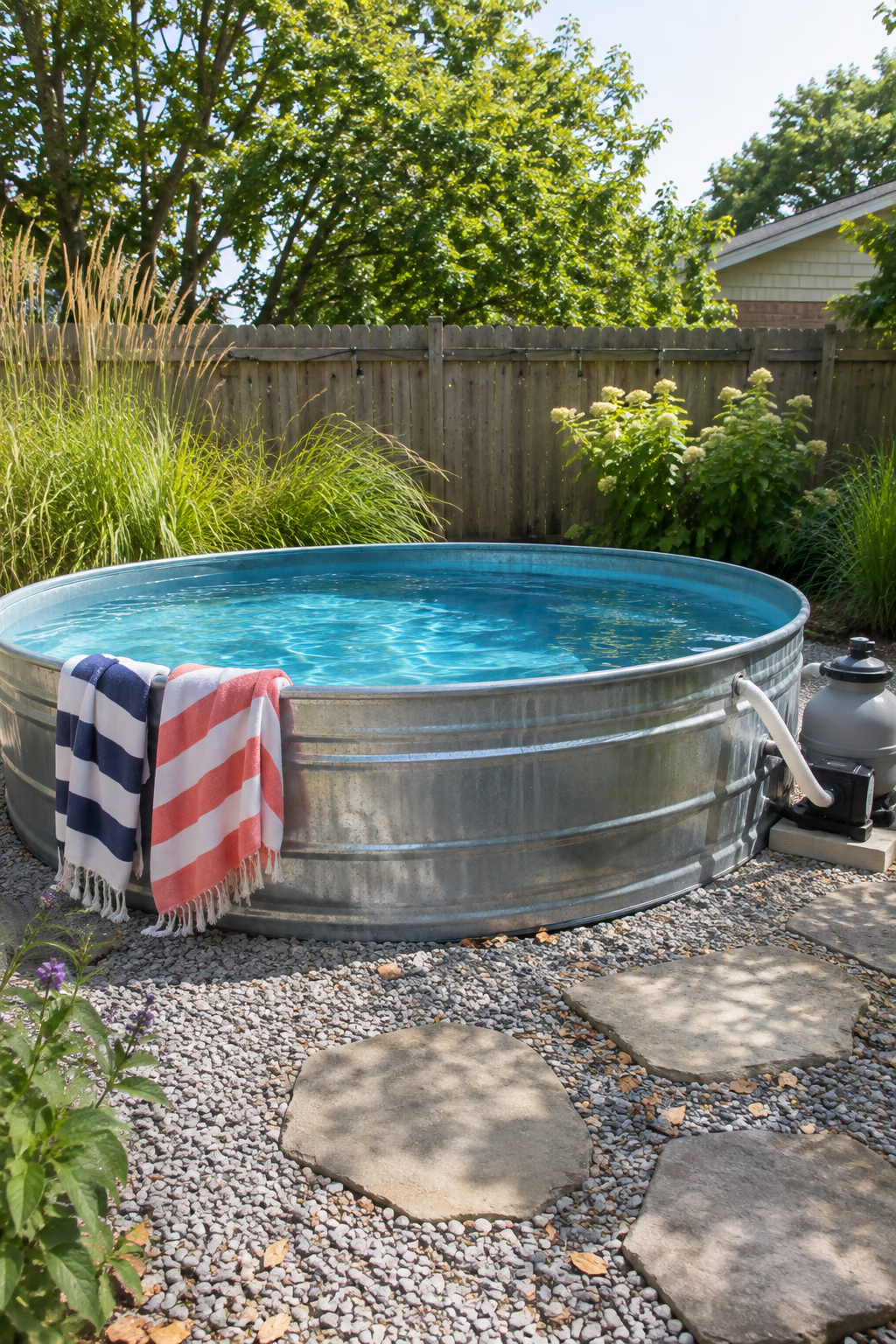
A splash zone without in-ground pool costs
Galvanized livestock tanks, usually 6 to 10 feet across and about 2 feet deep, make surprisingly comfortable soaking pools. Set one on a level pad of compacted gravel or pavers, add an above-ground pool filter pump, and surround it with a small deck or a ring of stone.
The rustic metal look fits farmhouse and modern yards alike, and the tank can be drained and stored or kept as a planter in the off-season.
A filled tank weighs several tons, so never put it on an existing deck without an engineer’s input. Check local fencing and barrier rules too, since many areas treat any water over 18 to 24 inches deep as a pool.
5. Set a Long Dining Table Under the Trees
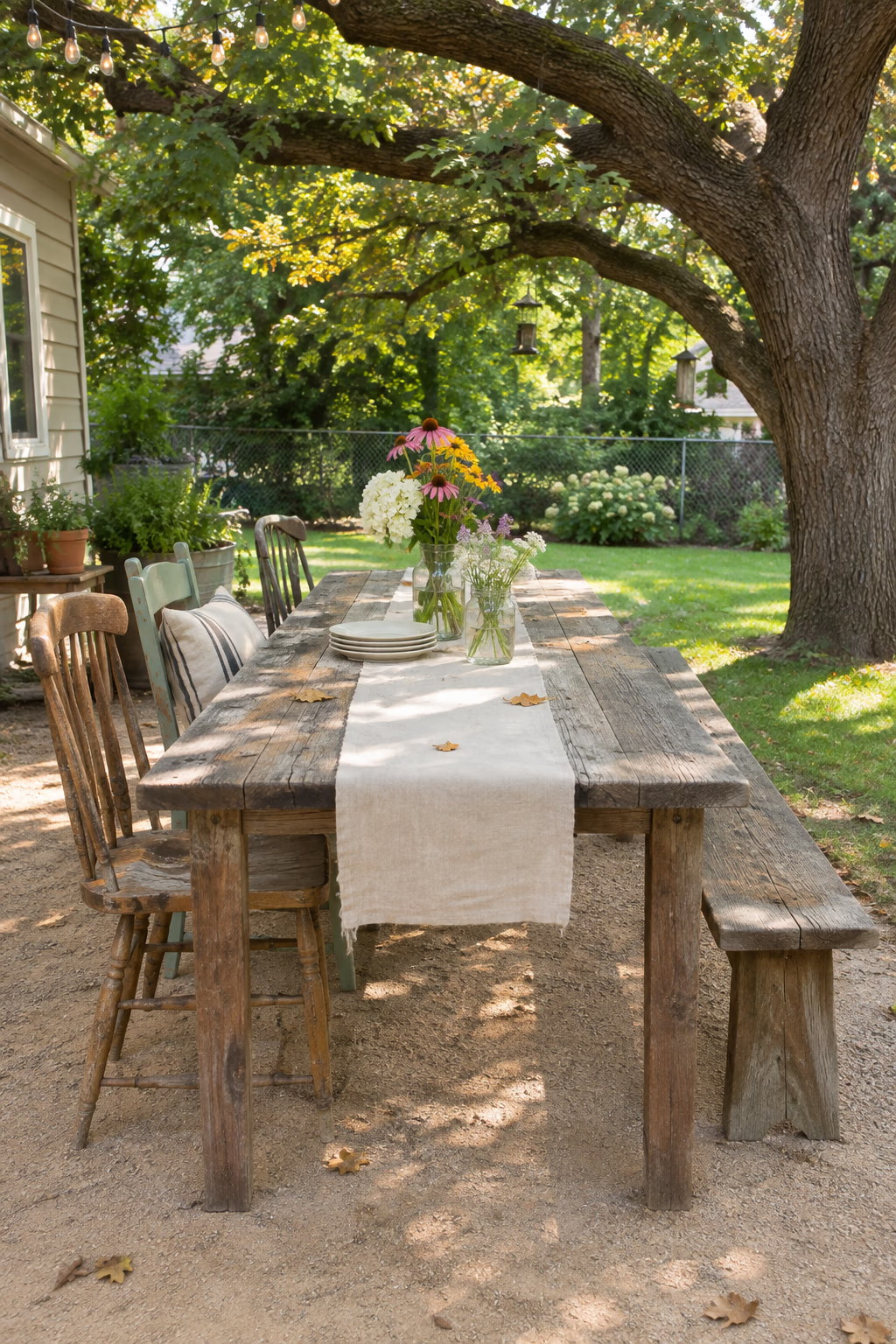
Turn ordinary meals into an occasion
A long farmhouse-style table placed in the dappled shade of a mature tree feels like a destination. Choose teak, cedar, or powder-coated aluminum, and pair it with benches on one side so you can squeeze in extra guests.
Level the ground with a pad of pavers or compacted decomposed granite so chair legs don’t sink into the lawn. A simple chandelier made from a battery lantern hung from a sturdy limb finishes the look.
Avoid placing the table directly under trees that drop sap, berries, or seed pods, such as some maples, mulberries, and sweetgums, or you’ll be scrubbing before every meal.
6. Dig a Sunken Conversation Nook
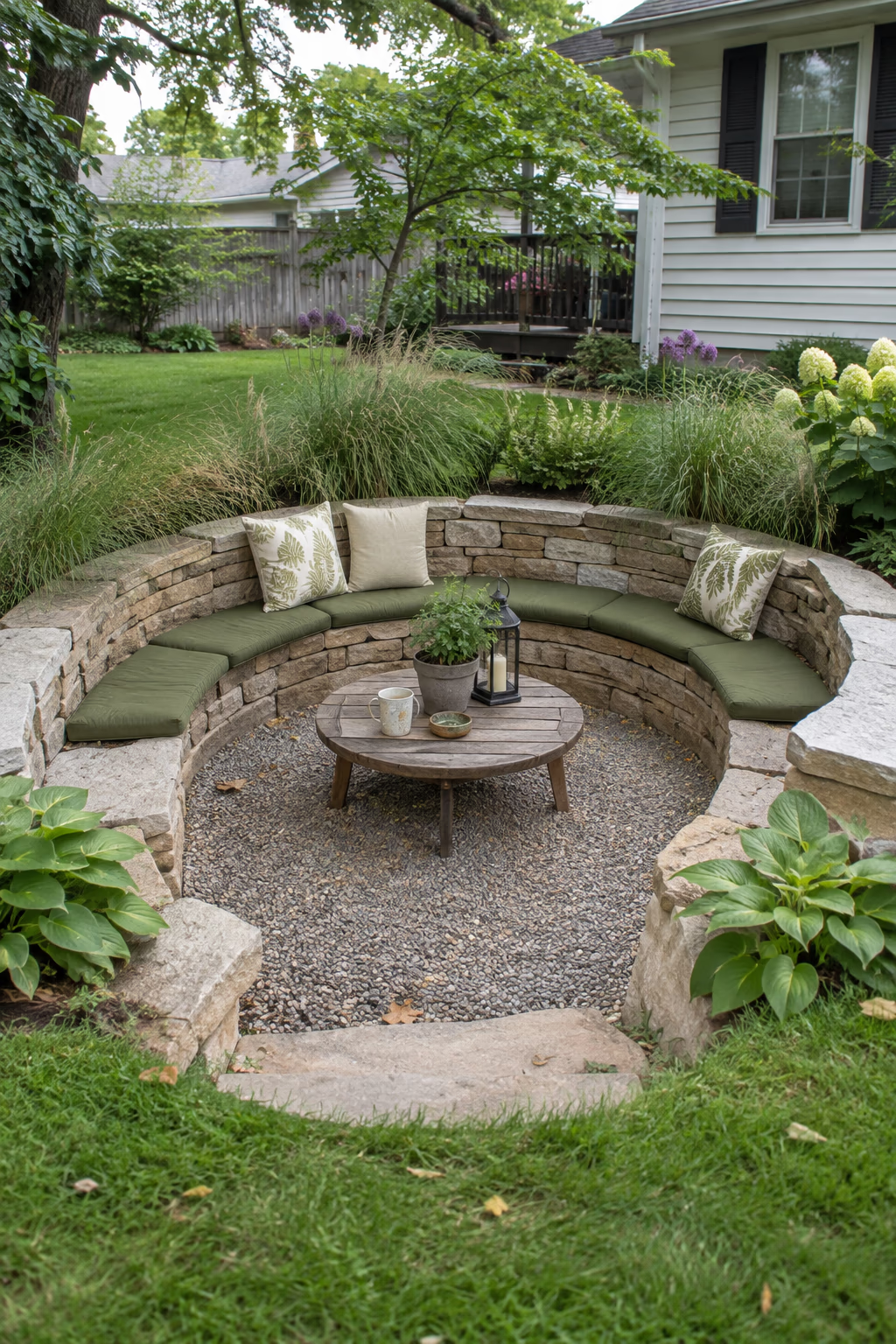
A cozy, sheltered spot that feels tucked away
Lowering a seating area 18 to 24 inches below the surrounding lawn creates a snug, wind-sheltered room. Build the walls from stacked stone or block so they double as built-in benches, then add cushions and a small low table.
The lower level frames the space and makes even a modest yard feel layered and designed.
Drainage is the critical detail. A sunken area needs a gravel base and a drain or dry well, or it will become a pond in the first heavy storm. On heavy clay, consult a landscaper before digging.
7. Hang a Hammock Between Sturdy Posts
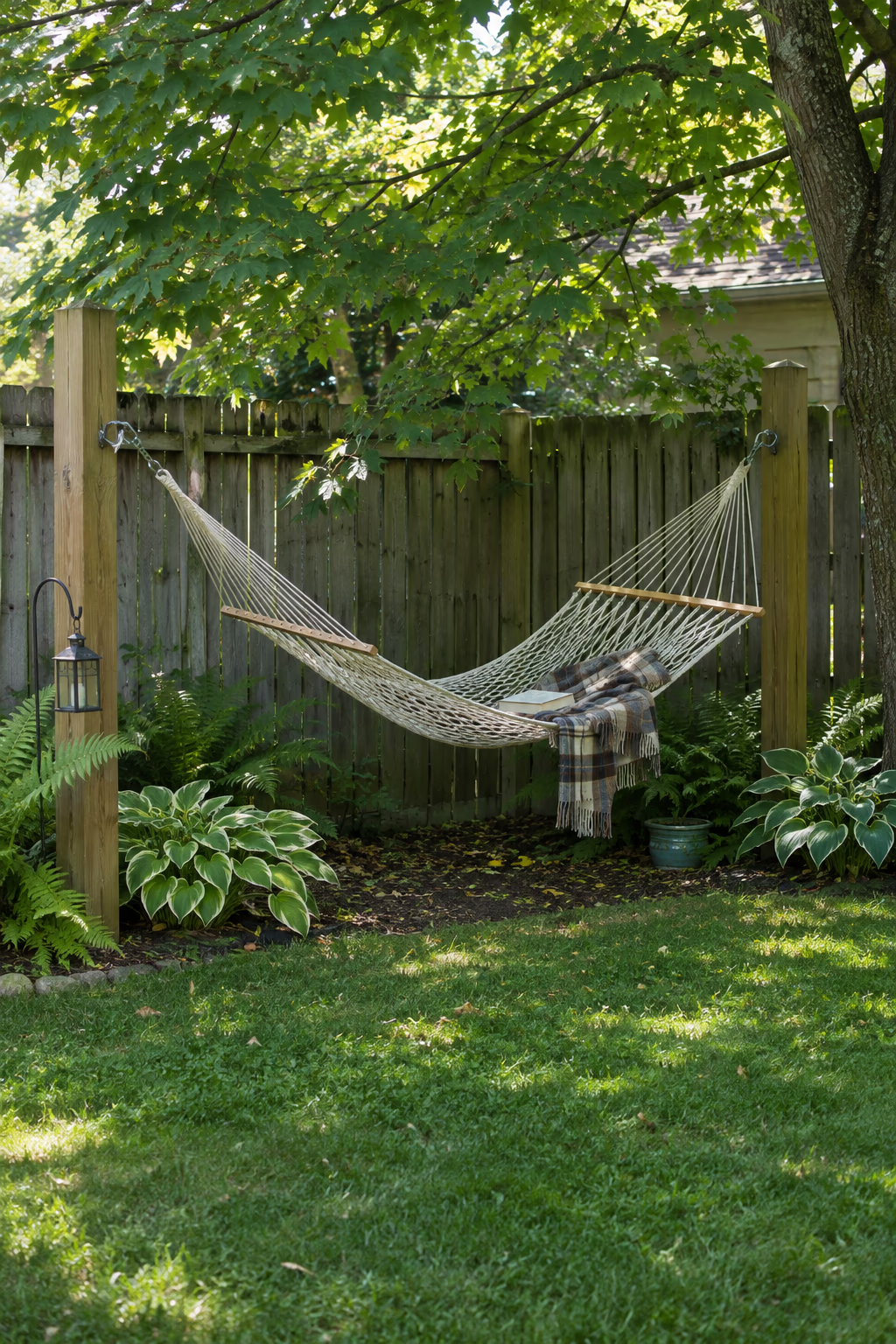
A dedicated spot for lazy afternoons
If you don’t have two healthy trees the right distance apart, set a pair of 6×6 pressure-treated posts about 14 to 16 feet apart, sunk at least 3 feet into concrete. A rope or quilted fabric hammock then hangs at a comfortable height of around 18 inches when occupied.
A freestanding steel stand is an easy alternative for renters or anyone who wants to move the hammock with the shade.
When using trees, wrap wide tree-saver straps around the trunks rather than screwing hardware into the bark, and choose trees at least 6 inches thick.
8. Host Movie Nights With an Outdoor Screen
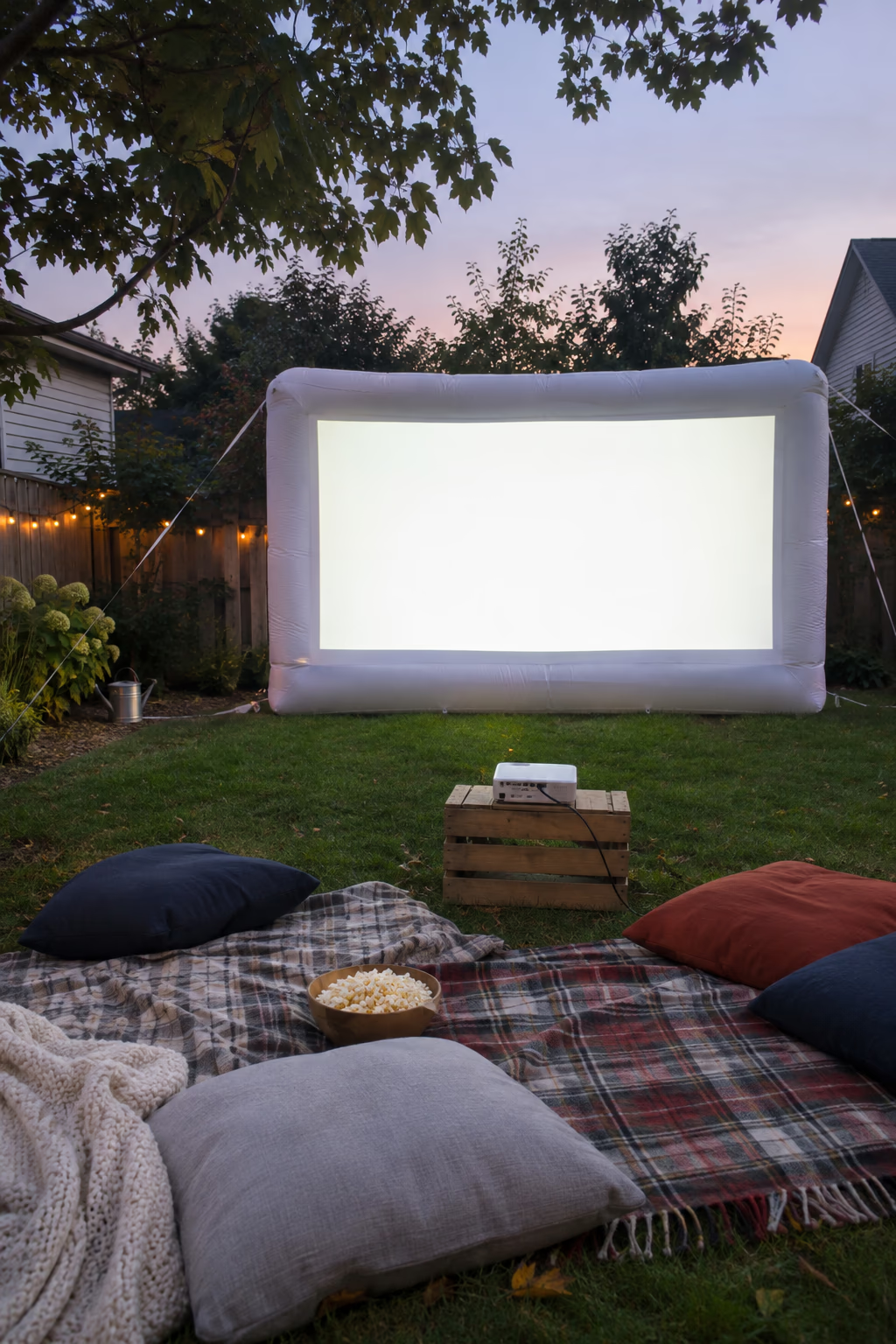
A family tradition you can repeat all summer
A portable inflatable or frame-mounted screen, a bright projector, and a portable speaker turn the lawn into a theater. Spread outdoor blankets and floor cushions or line up bean bag chairs for a relaxed setup.
Position the screen so the rising moon and streetlights sit behind the audience, not behind the screen, for a sharper picture. A plain white wall or a painted sheet of exterior plywood works too.
Keep the volume reasonable after dark and give neighbors a heads-up, especially on weeknights. Many towns have quiet hours that apply to backyards.
9. Add a Bubbling Recirculating Fountain
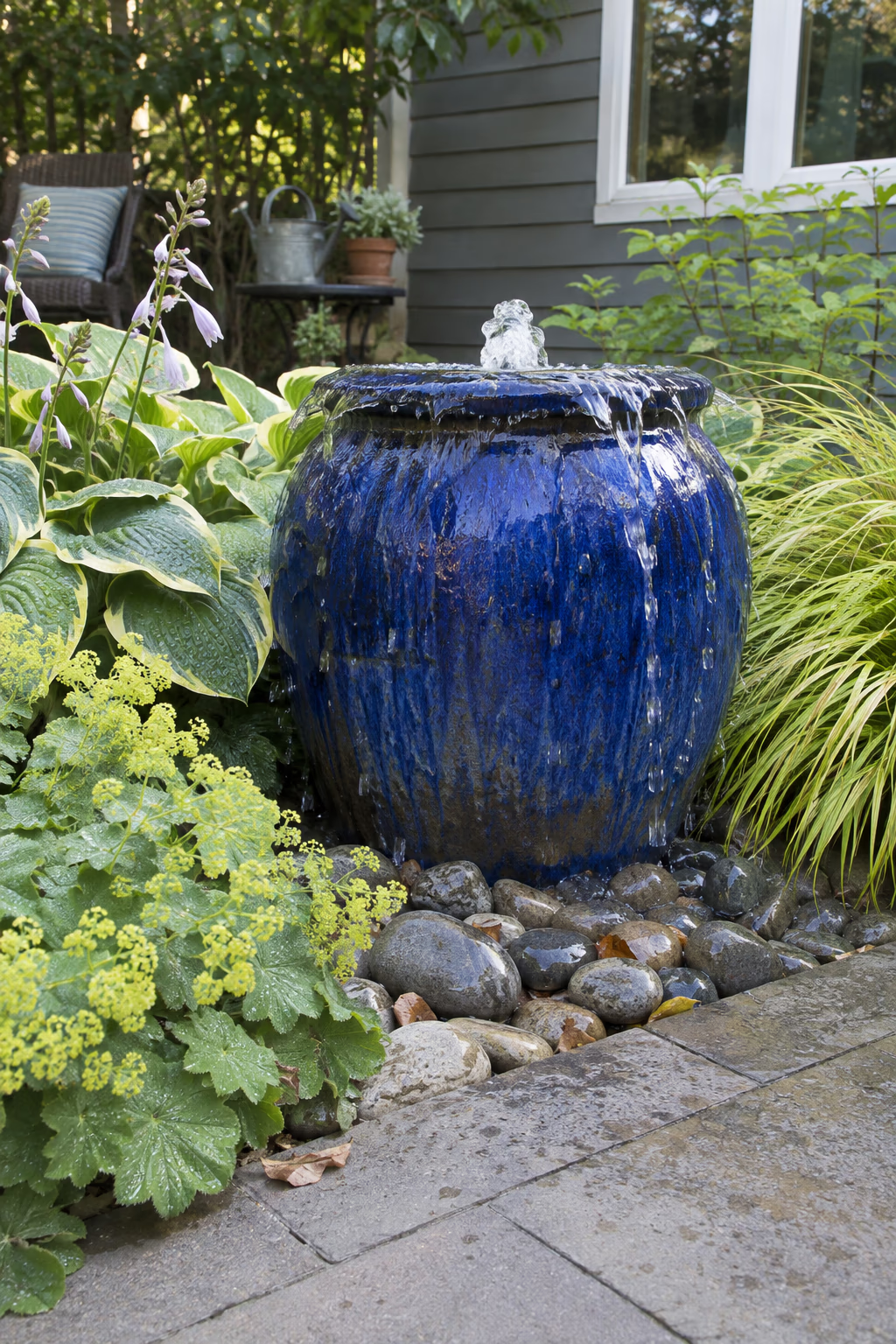
Soft sound that masks traffic and noise
A bubbling urn, drilled boulder, or stacked basalt column sits over a buried basin that hides a small pump. The water spills over the surface and drains back through river rock, so there’s no open pool to clean.
This kind of fountain fits beside a patio edge or bedroom window where the sound can be enjoyed, and it attracts birds looking for a drink.
You’ll need an outdoor GFCI outlet nearby. In cold regions, drain and store the pump before the first hard freeze to avoid cracking the basin.
10. Install a Hot Tub on a Level Pad
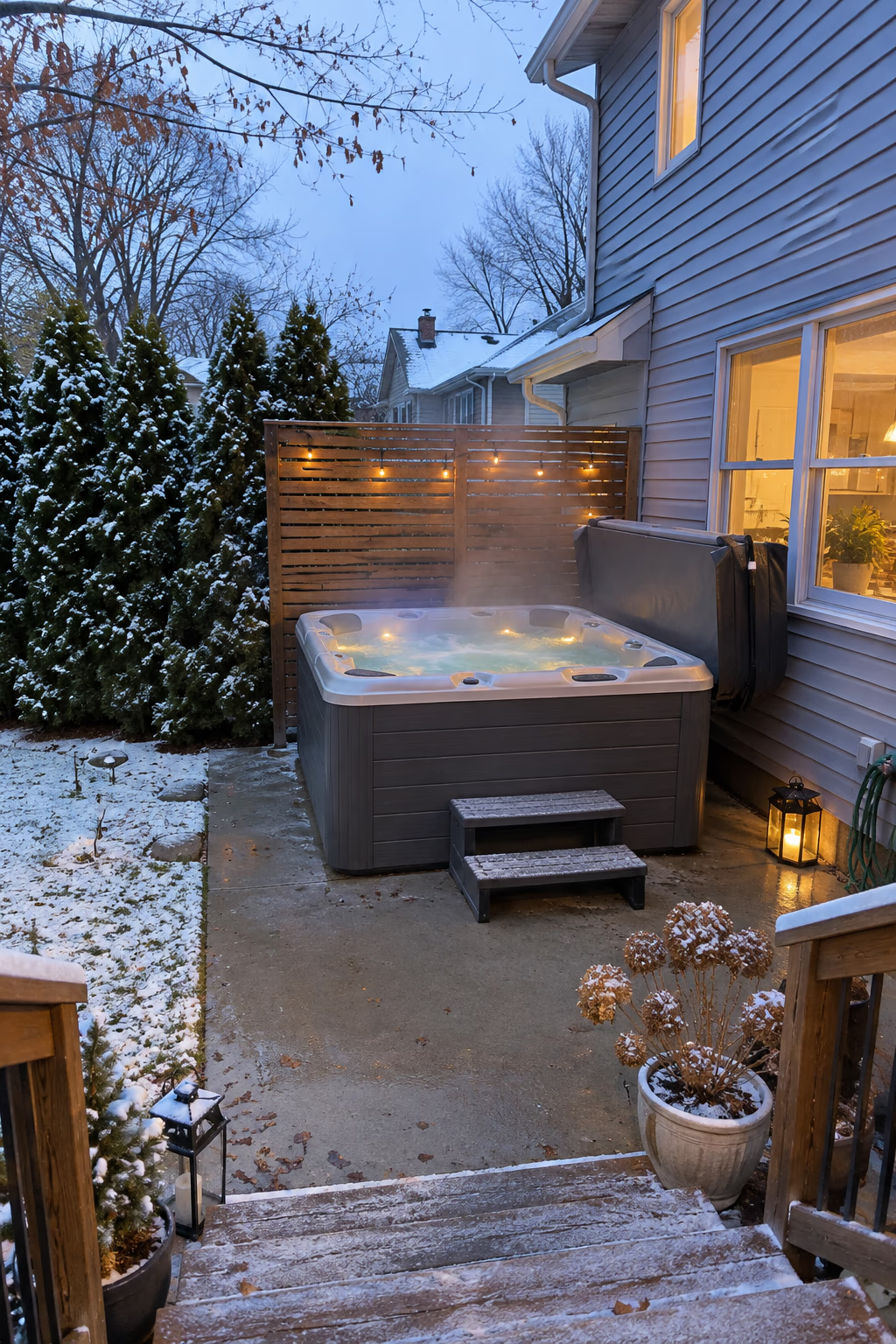
Year-round relaxation, even in winter
A hot tub turns cold evenings into something to look forward to. Set it on a reinforced 4-inch concrete slab or a manufacturer-approved gravel base, near enough to the house that a dash through the snow isn’t miserable.
Screen it with tall grasses, a slatted panel, or evergreen shrubs for privacy, and keep a hook nearby for towels and robes.
Most tubs need a dedicated 240-volt circuit installed by an electrician, plus a lockable cover to meet safety codes. Budget for ongoing electricity and water treatment costs.
11. Lay a Gravel Courtyard for Easy Care
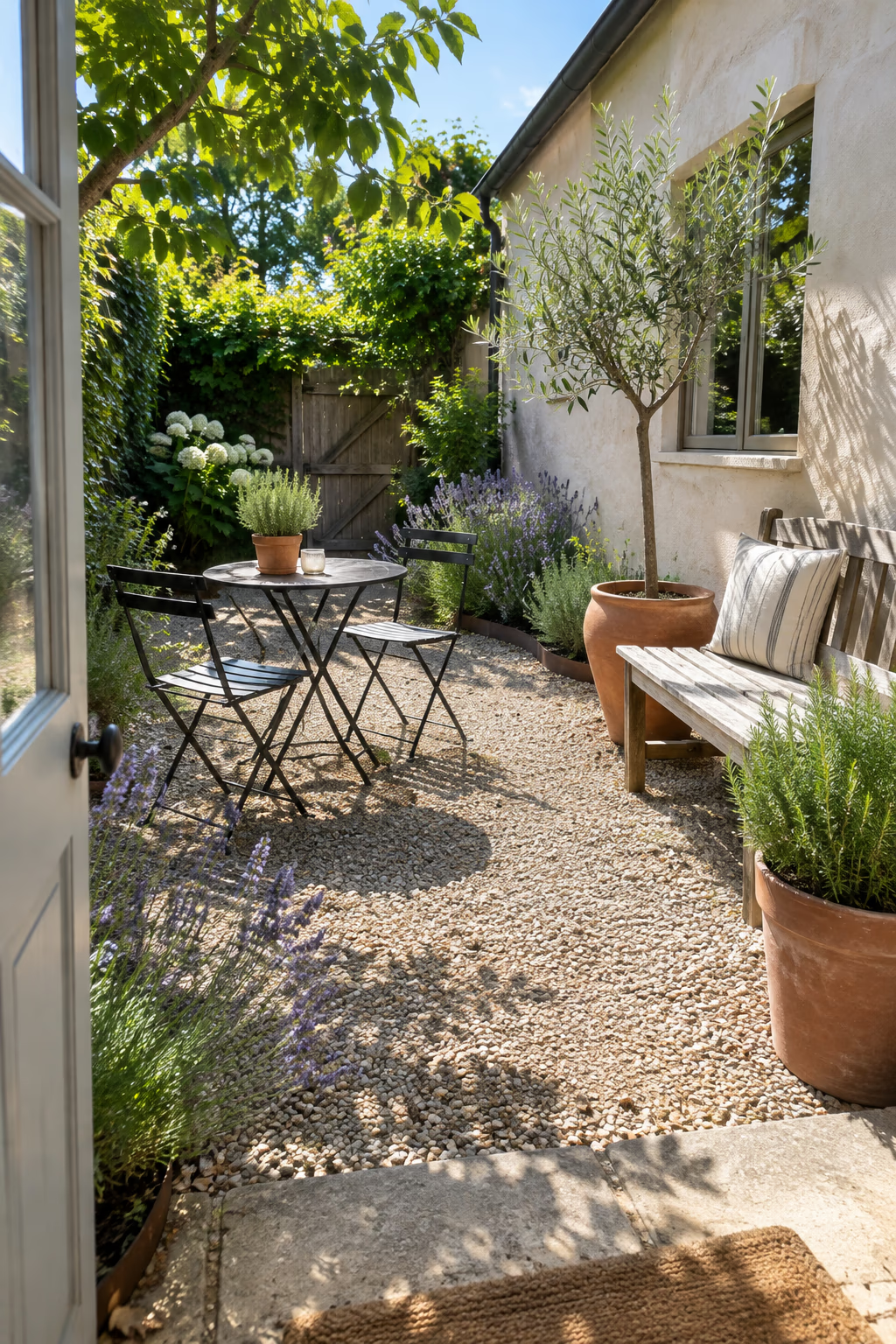
Low-maintenance ground that drains well
Gravel courtyards are back in favor for good reason. A 3-inch layer of pea gravel or 3/8-inch crushed stone over compacted base and landscape fabric costs far less than pavers and lets rain soak straight into the ground.
Edge it with steel or stone so the gravel stays put, then set a bistro table, a few potted olives or rosemary, and a bench along the wall for a relaxed, European-style feel.
Gravel can scatter onto lawns and is tough for wheelchairs and strollers. A stabilizing grid underneath helps keep it firm and level.
12. Build a Floating Ground-Level Deck
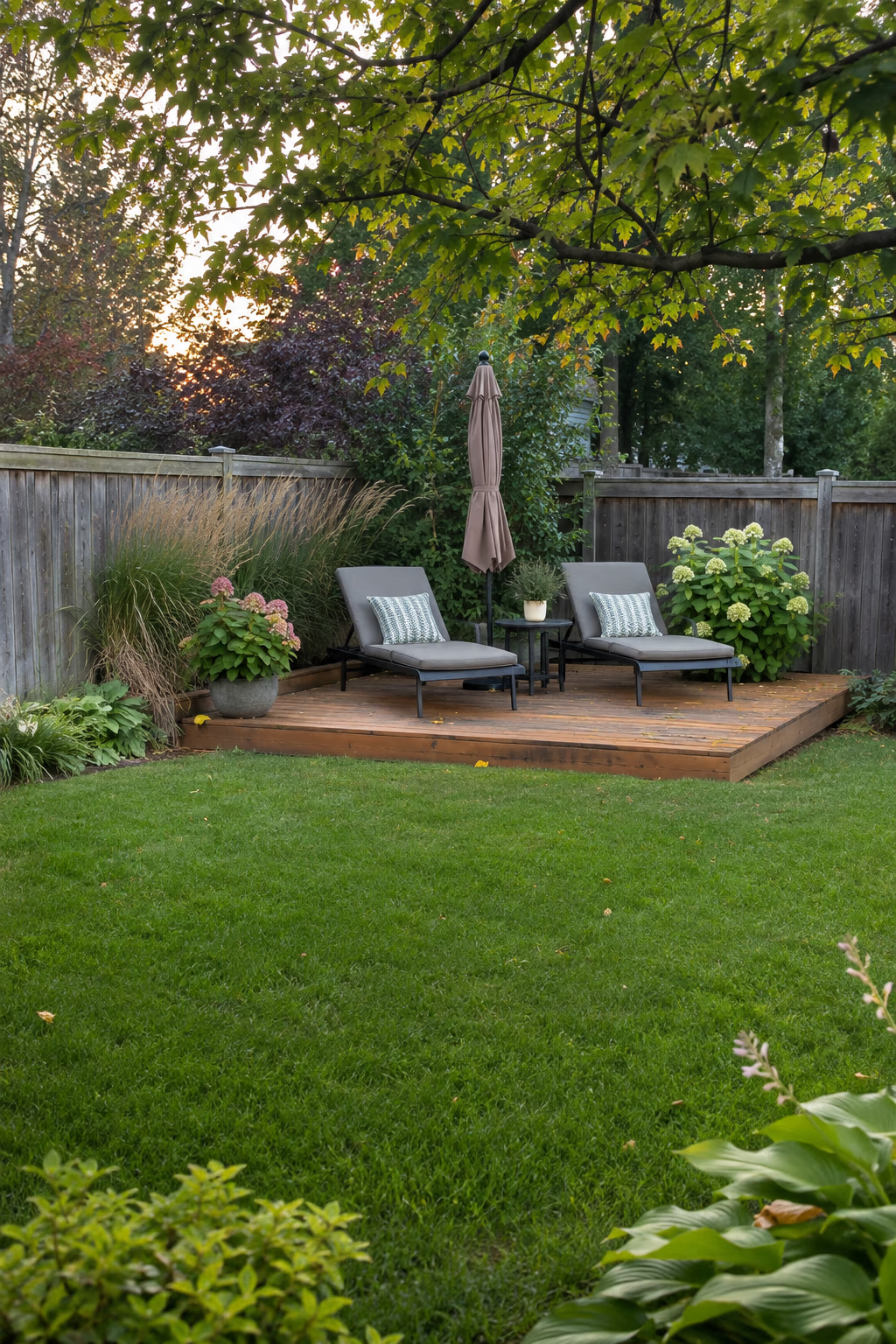
A defined platform anywhere in the yard
A ground-level deck sits on concrete deck blocks rather than deep footings, so it’s a realistic DIY project. A 10-by-12-foot platform in a far corner gives you a level spot for lounge chairs or an umbrella table away from the house.
Use pressure-treated lumber rated for ground contact for the frame and choose composite or cedar boards for the surface. Leave a small gap between boards for drainage.
Many towns don’t require permits for low decks under 30 inches tall that aren’t attached to the house, but rules vary, so check before you build.
13. Furnish an Outdoor Living Room
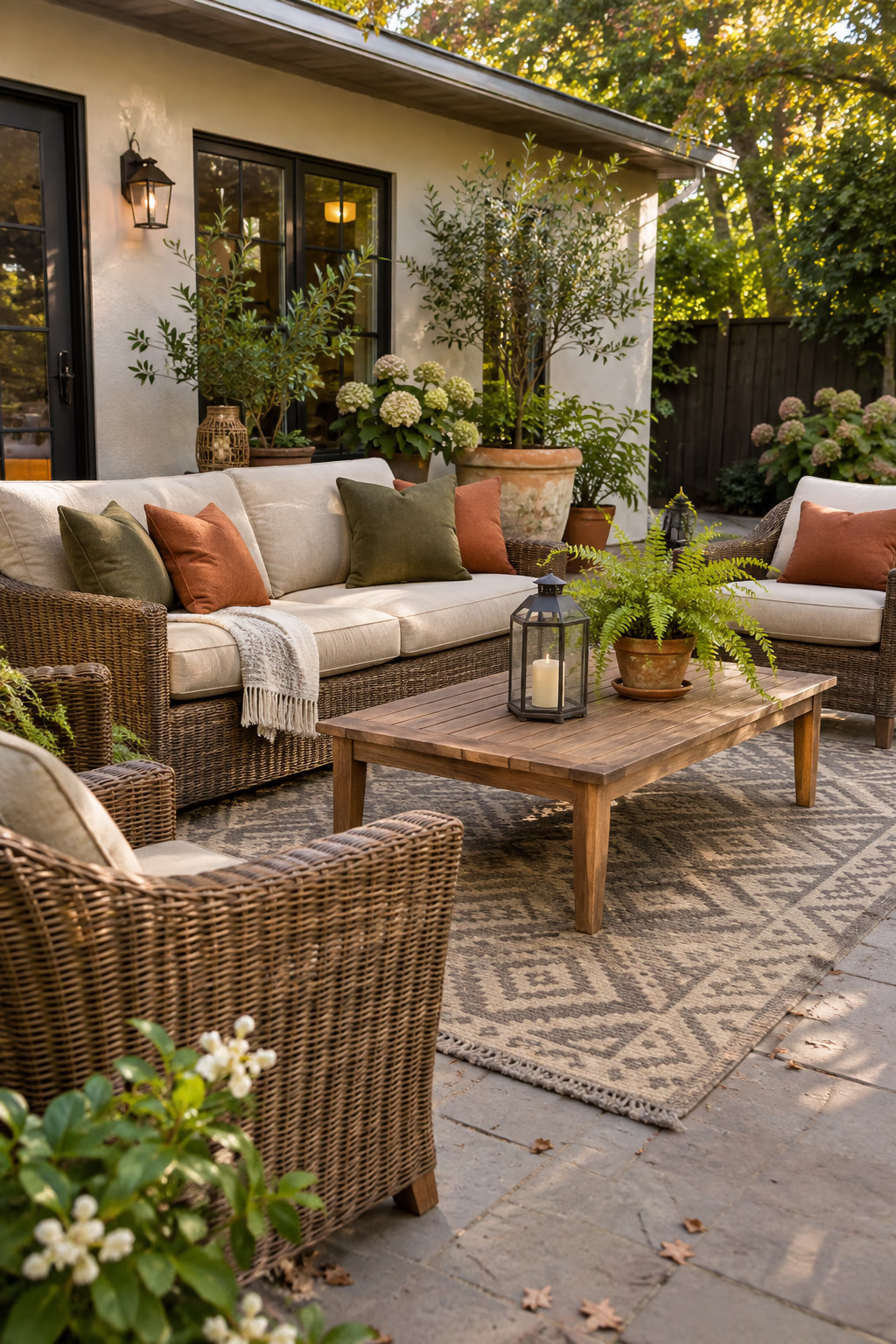
Comfort that rivals the indoors
Treat a corner of the yard like a living room: a deep-seated sofa, two lounge chairs, a coffee table, and an outdoor rug to anchor the arrangement. Wicker, teak, and powder-coated aluminum are the most durable frames.
Earthy tones like terracotta, olive, and sand are popular right now and hide dust and pollen better than bright white.
Choose solution-dyed acrylic cushion fabric, which resists fading and mildew. Store cushions in a deck box when rain is forecast to extend their life by years.
14. Create a Kids’ Play Zone
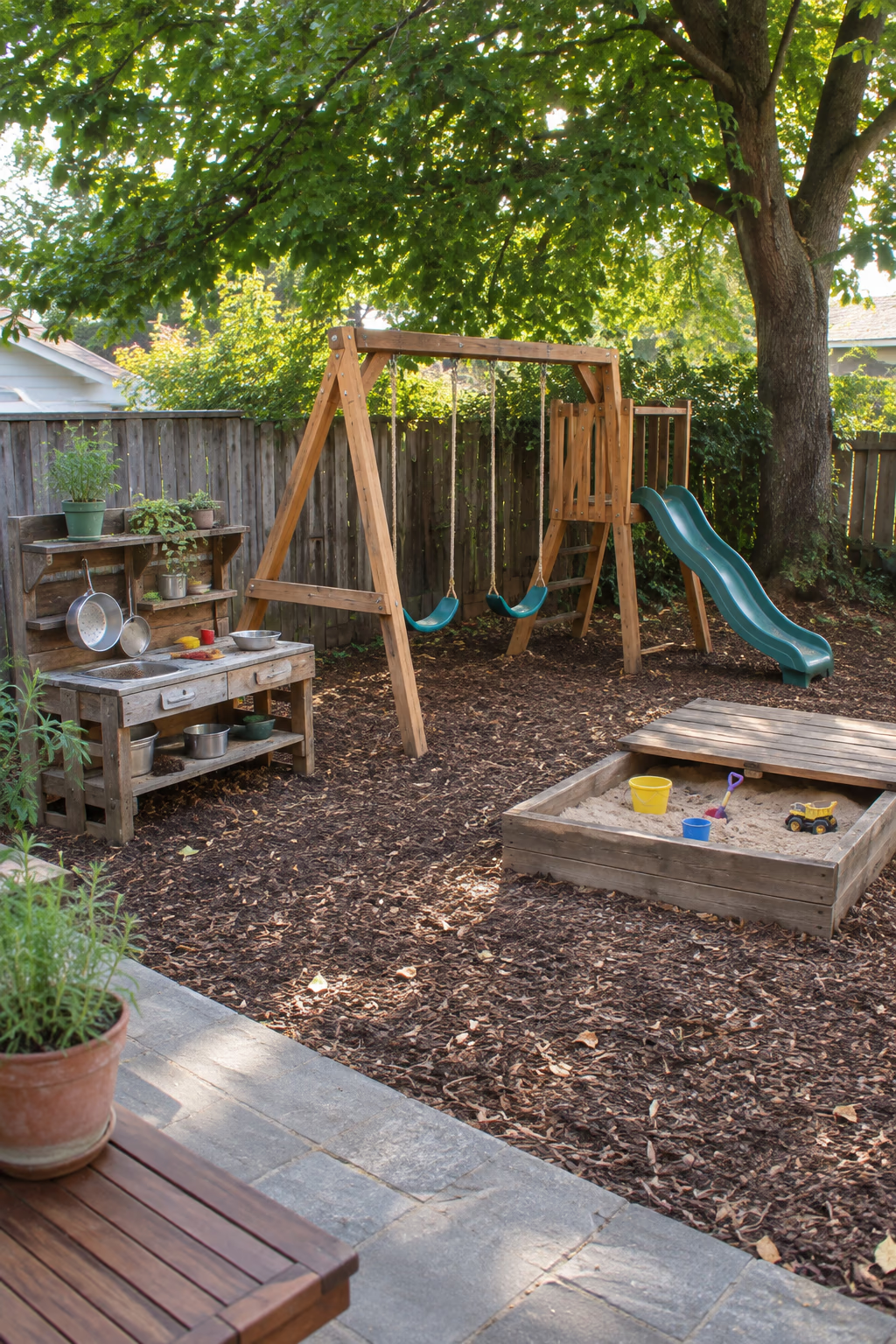
A space the kids will claim as their own
Group play features in one area that’s visible from the kitchen window. A wooden swing set, a sandbox with a lid, a mud kitchen built from scrap boards, and a small climbing dome keep children busy for hours.
Lay 9 to 12 inches of wood mulch or rubber mulch under swings and climbers to soften falls, extending at least 6 feet past the equipment on all sides.
Anchor swing sets with ground stakes and check bolts and chains every spring. Shade from a nearby tree or sail keeps metal slides from getting dangerously hot.
15. Mark Out a Lawn Games Court
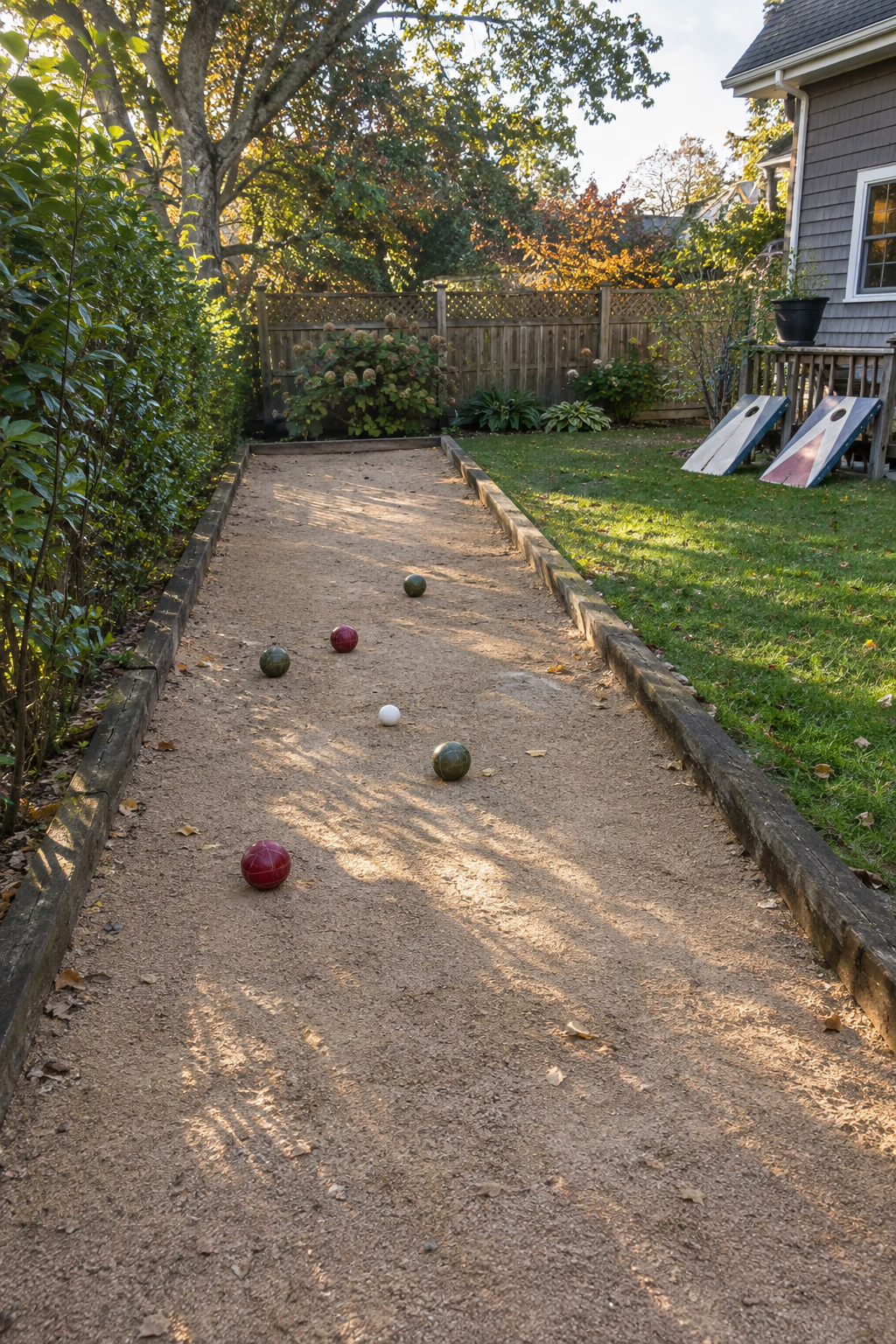
Friendly competition for all ages
A flat stretch of lawn about 10 by 60 feet is enough for bocce, while cornhole boards need only about 30 feet. Edge a crushed stone or oyster shell bocce court with timbers for a permanent setup.
Pickleball has become a popular backyard request in recent years. A portable net on a driveway or patio is the affordable version, while a dedicated court requires a large, very level paved area.
Keep a weatherproof storage bin nearby for bags, balls, and paddles so everything stays together between games.
16. Turn a Kitchen Window Into a Pass-Through Bar
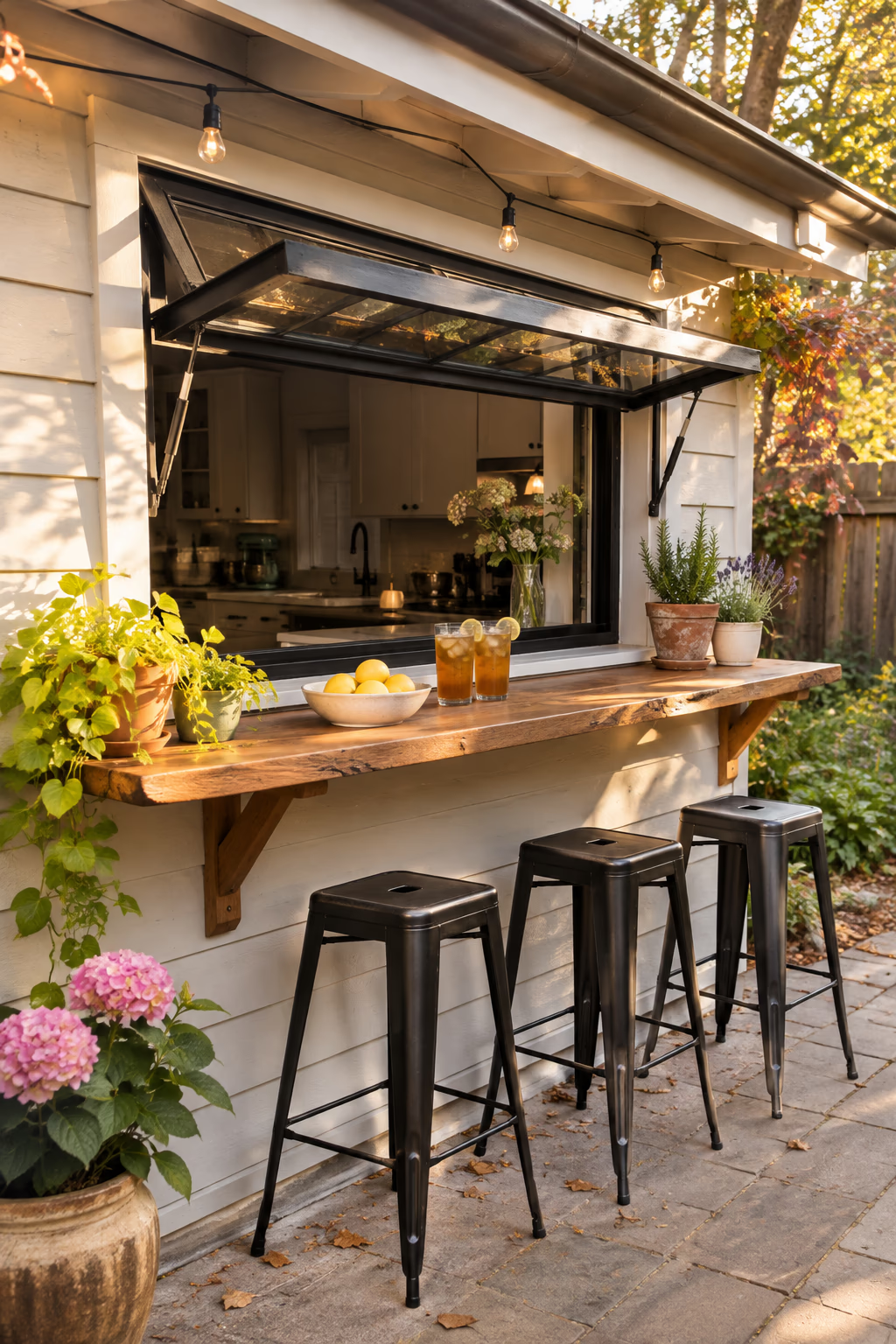
Easy serving between indoors and out
Replacing a kitchen window over the counter with a large awning or gas-strut window creates a serving counter for drinks and plates. Add an exterior bar ledge in wood or concrete with three or four stools underneath.
The cook stays part of the party, and you’ll make far fewer trips through the back door.
This is a structural change that may require a new header and a building permit. Get a contractor’s quote and confirm what’s inside the wall before committing.
17. Replace Some Turf With a Clover Lawn
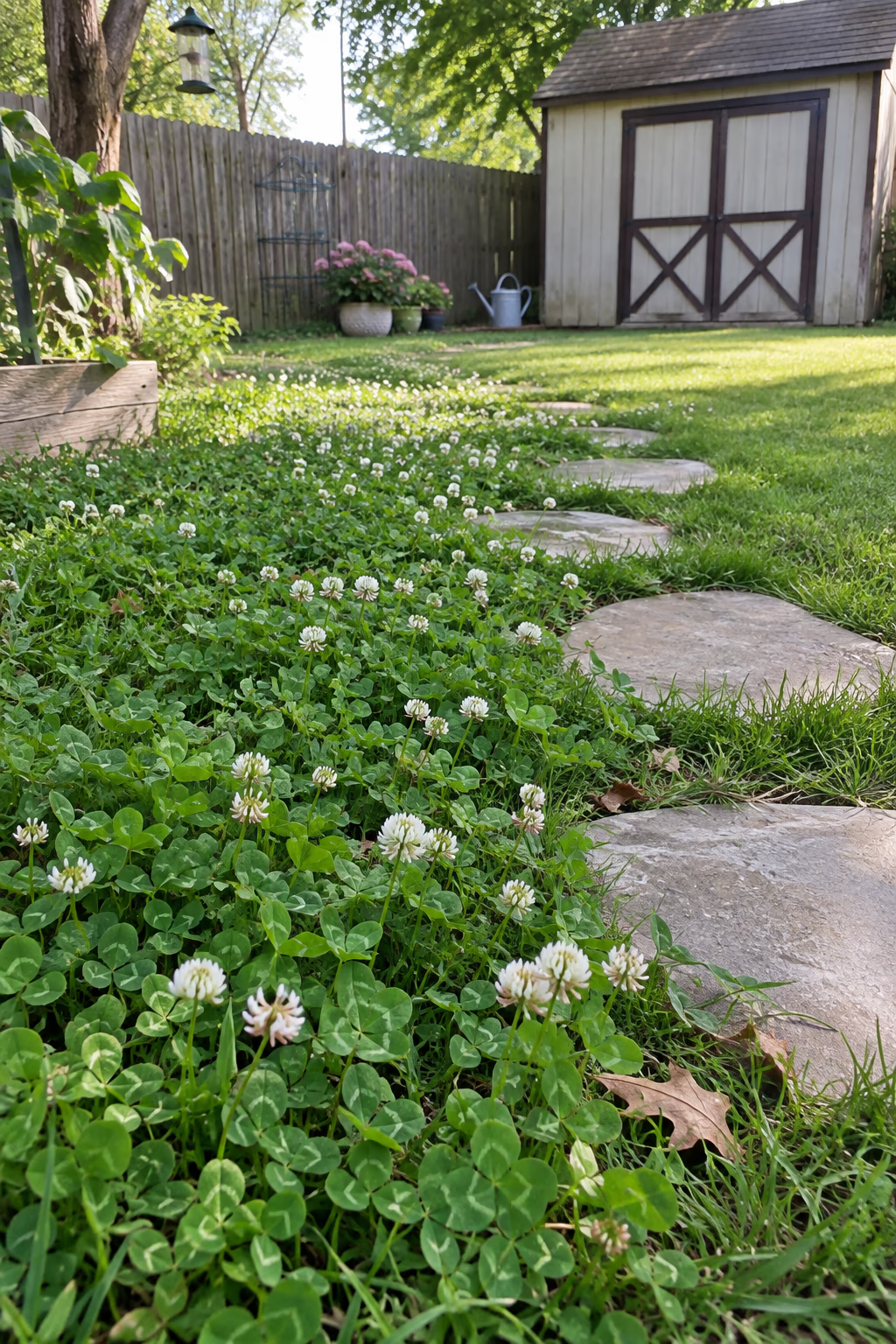
Green ground cover with less mowing and watering
Microclover and white Dutch clover stay green through summer heat, rarely need fertilizer, and tolerate light foot traffic. Overseed an existing lawn in spring or early fall, or blend clover with tall fescue for a durable mix.
Clover fixes its own nitrogen and stays lower than grass, so you can mow less often.
Clover flowers attract bees, which is a plus for pollinators but a consideration for barefoot kids and anyone with a sting allergy. Mowing just before bloom keeps flowers down in play areas.
18. Sow a Pollinator Meadow Strip
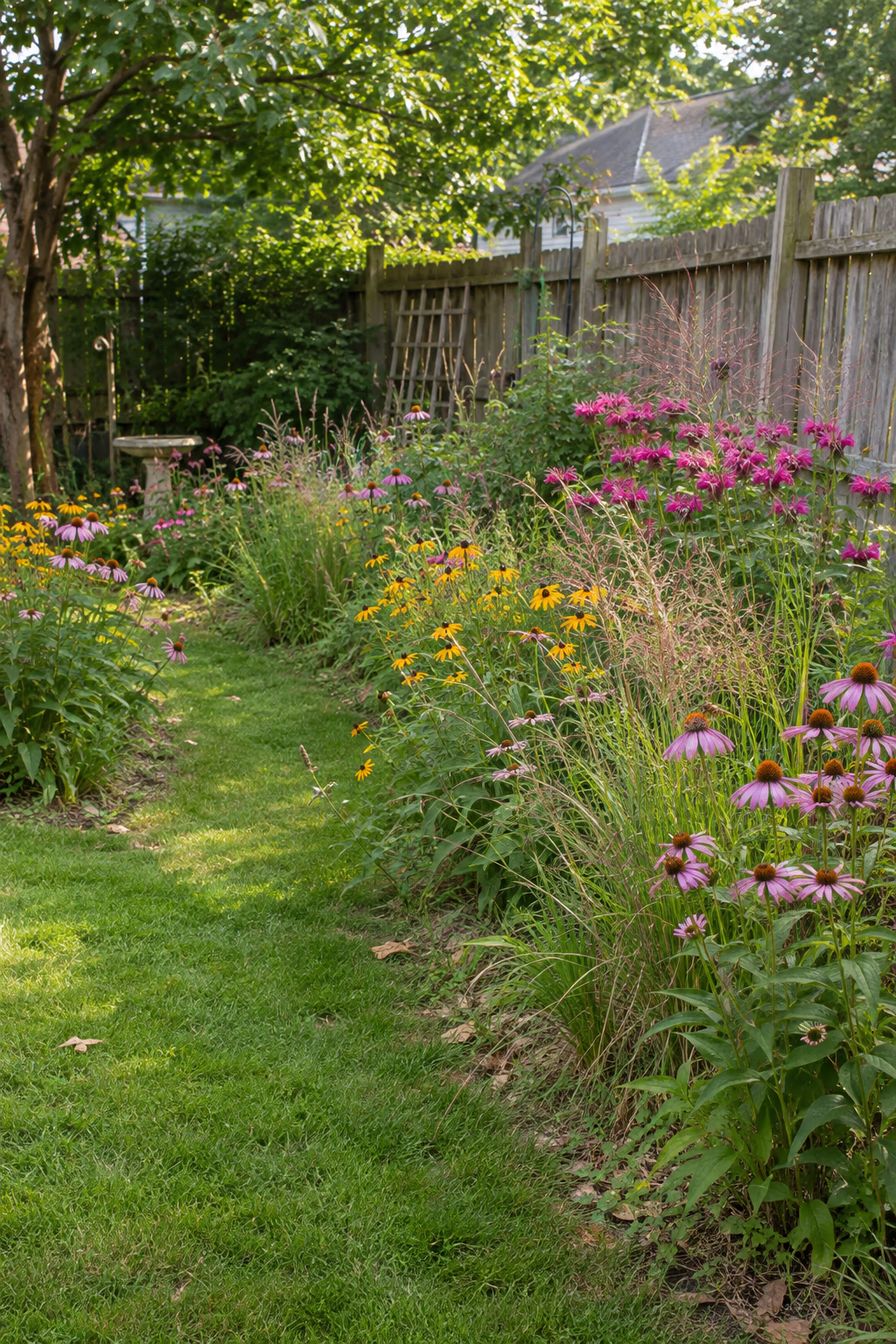
Color and wildlife without weekly upkeep
Convert a strip along the back fence, perhaps 6 to 10 feet deep, into a meadow of native wildflowers and grasses. Coneflower, black-eyed Susan, bee balm, little bluestem, and asters suit much of the country.
A mowed edge and a simple path through the middle signal that the planting is intentional, which helps with neighbors and HOAs.
Meadows take two to three years to fill in, and the first season can look patchy. Clear existing turf thoroughly before seeding, or weeds will win.
19. Plant a Mini Orchard of Dwarf Fruit Trees
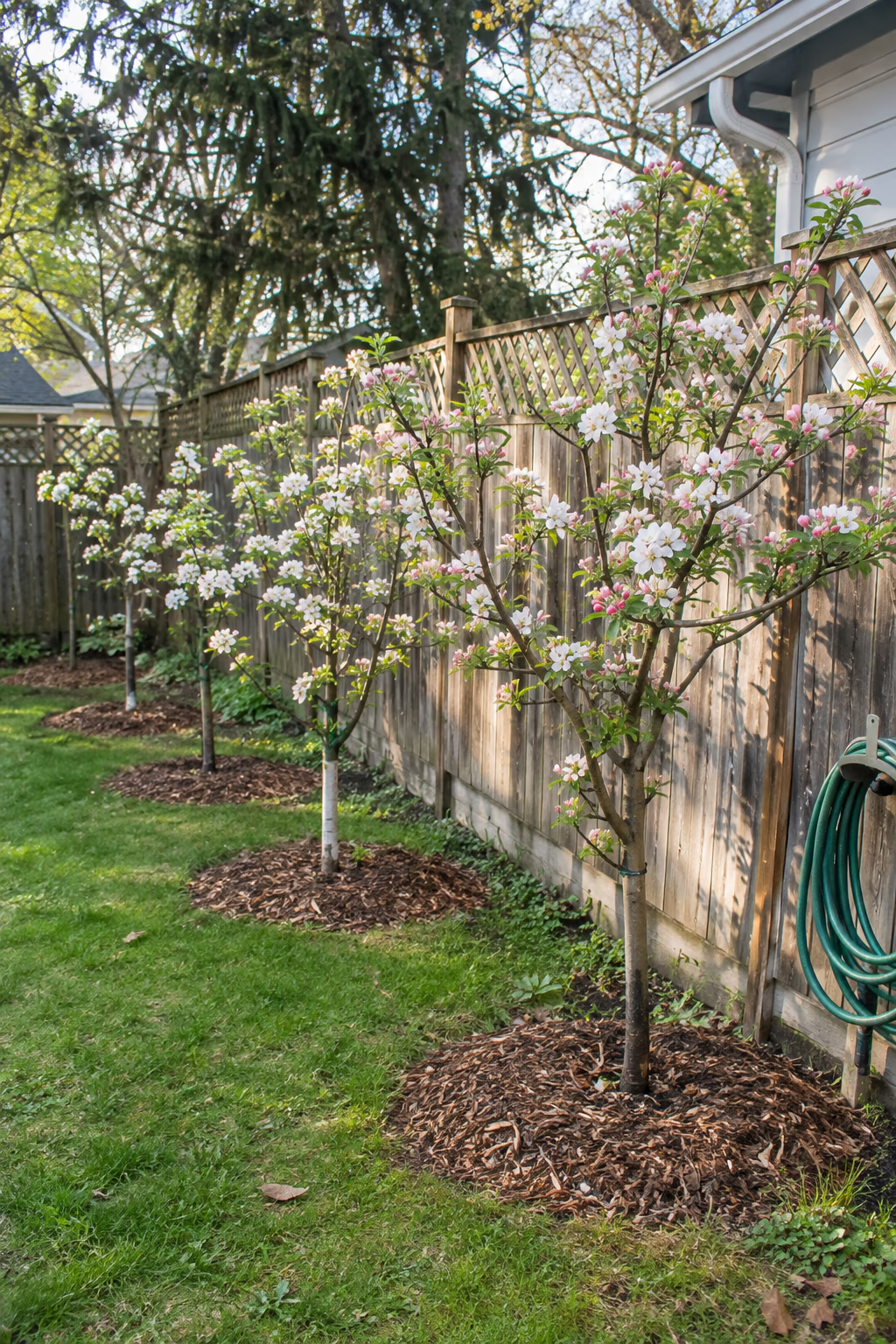
Homegrown fruit in a small footprint
Dwarf apple, pear, peach, and fig trees stay 8 to 12 feet tall, so several can fit along a sunny fence. Space them about 8 to 10 feet apart and mulch a ring around each trunk.
Spring blossoms make the yard beautiful long before the first harvest, and the trees add structure year-round.
Many apples and pears need a second compatible variety nearby for pollination. Check your USDA hardiness zone and chill hours before buying, and expect to prune every winter.
20. Install an Outdoor Shower
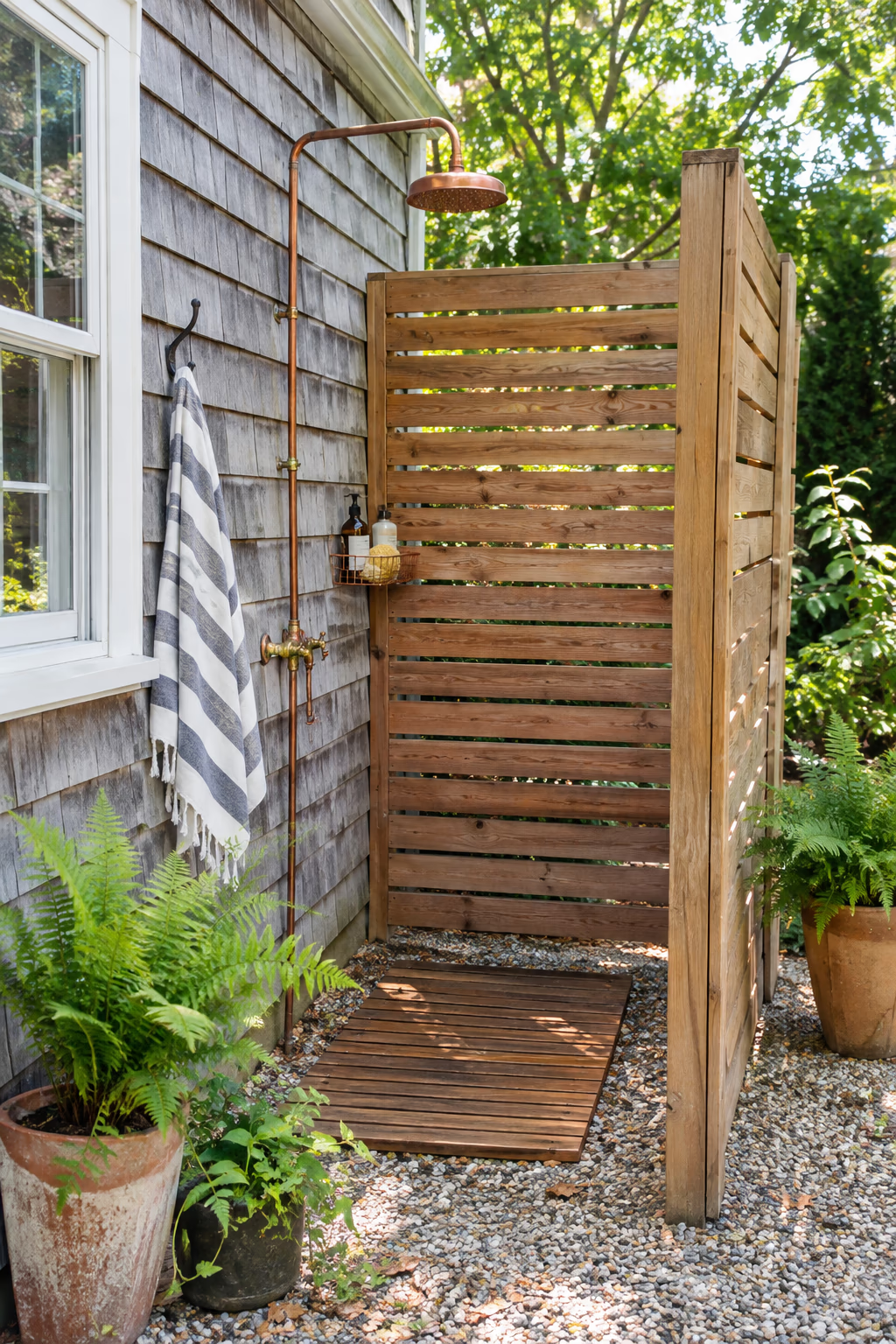
Rinse off sand, mud, and pool water outside
A simple outdoor shower against the house uses a copper or stainless fixture on a cedar-slatted surround. A gravel floor or wood pallet base lets water drain away.
It keeps dirt out of the house after gardening, beach trips, or swimming, and it feels like a vacation every time.
Hot water requires a connection to the household supply, which usually needs a plumber. Some areas regulate where shower runoff can drain, and cold-climate setups need shut-off valves to winterize.
21. Fence In a Dog Run
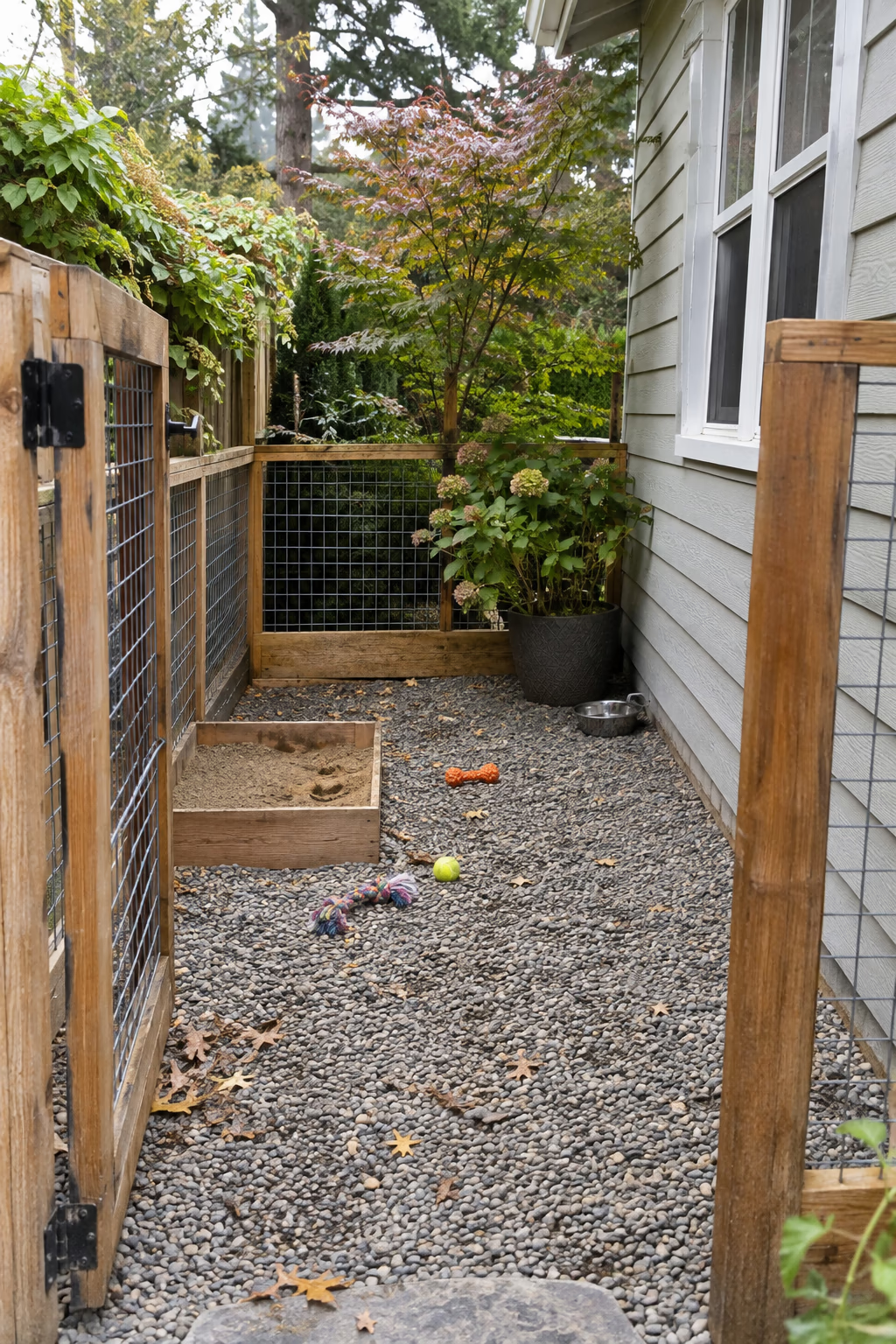
A clean, safe area that spares the lawn
A side strip along the house is often perfect for a dog run. Use 4- to 5-foot welded wire or wood fencing and surface the ground with pea gravel, which drains quickly and is easy on paws.
Add a shaded corner, a water bowl station, and a durable dig box filled with sand so the dog has a sanctioned place to dig.
Rinse gravel regularly and pick up waste daily to control odor. Avoid cocoa mulch, which is toxic to dogs.
22. Paint a Mural on a Fence or Garage Wall
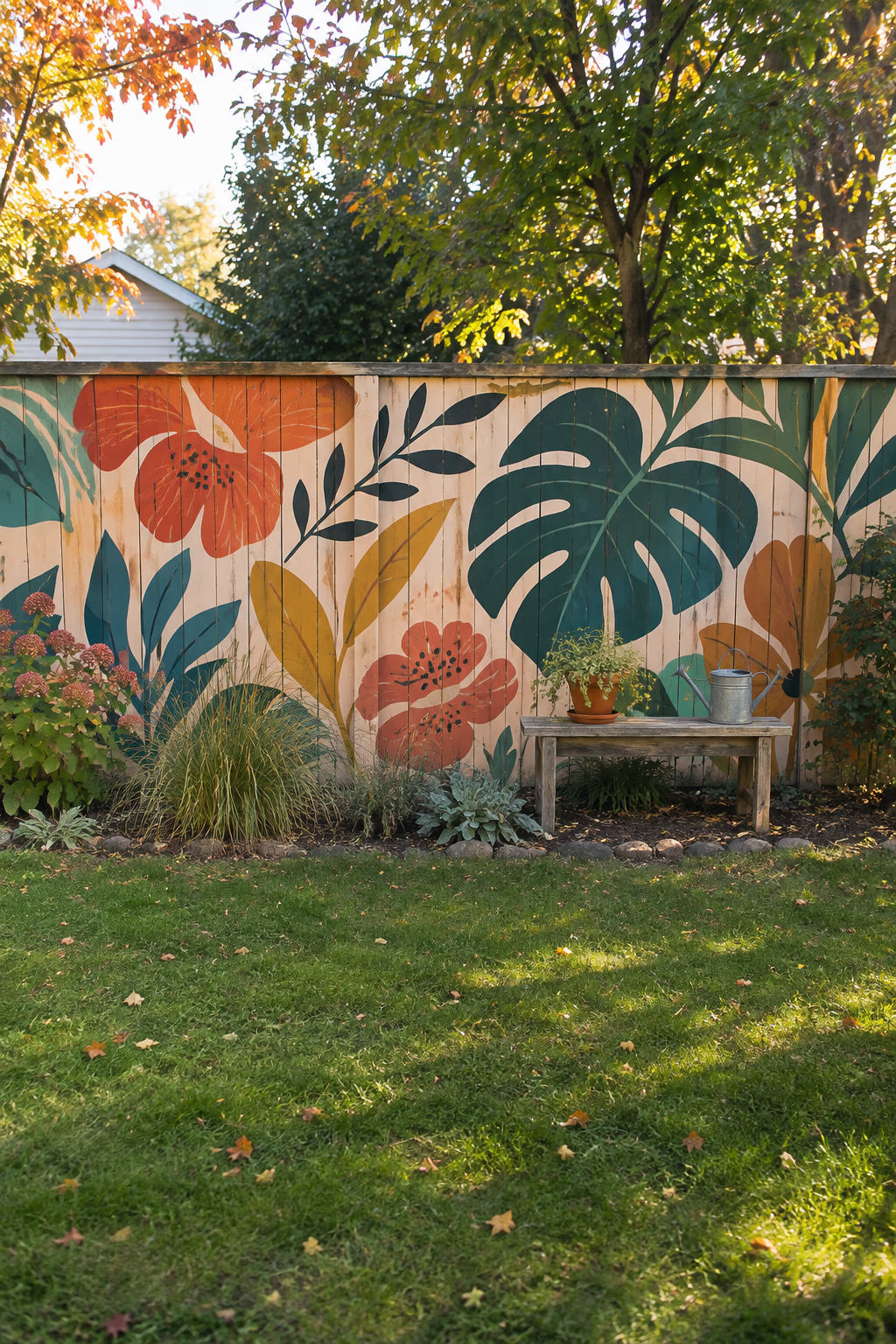
Bold personality on a blank surface
A large, plain fence or garage wall is a canvas. Botanical motifs, simple geometric shapes, or color blocks in exterior acrylic paint add energy that works even in winter when plants are bare.
Sketch the design in chalk first, then use painter’s tape for crisp edges. A clear UV-protective topcoat slows fading.
If the fence is shared, talk with the neighbor before painting their side. Some HOAs regulate visible exterior colors.
23. Hang a Swing Bench From a Freestanding Frame
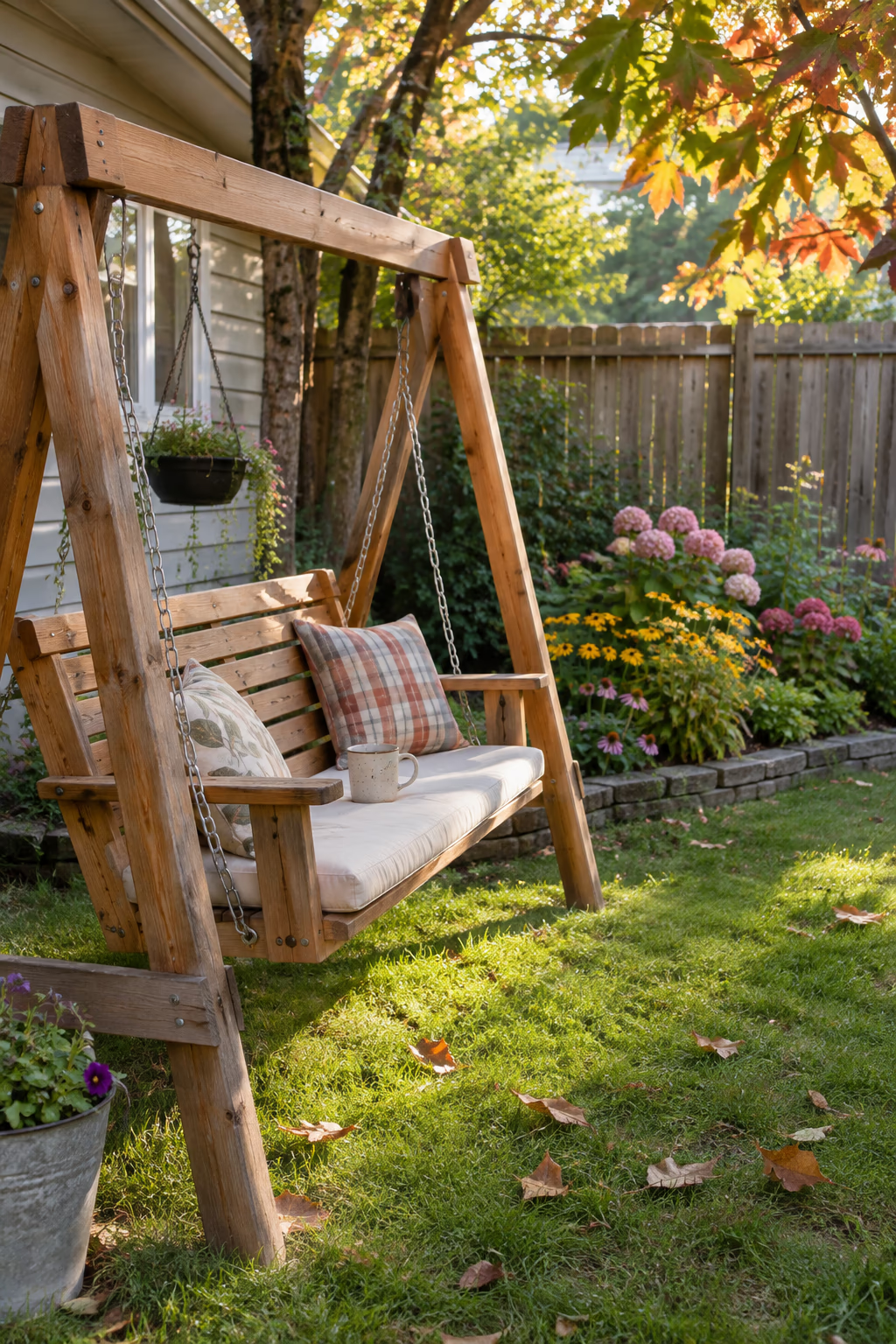
Gentle motion for reading and morning coffee
A porch-style swing bench doesn’t need a porch. Freestanding A-frame stands in cedar or steel support a two-seat swing anywhere on the lawn, ideally facing a view of the garden or sunset.
Add a seat cushion and a couple of throw pillows to make it the spot everyone wants to claim.
Anchor the frame with ground stakes, check chains and hardware each season, and seal wooden swings yearly to prevent cracking.
24. Uplight a Favorite Tree
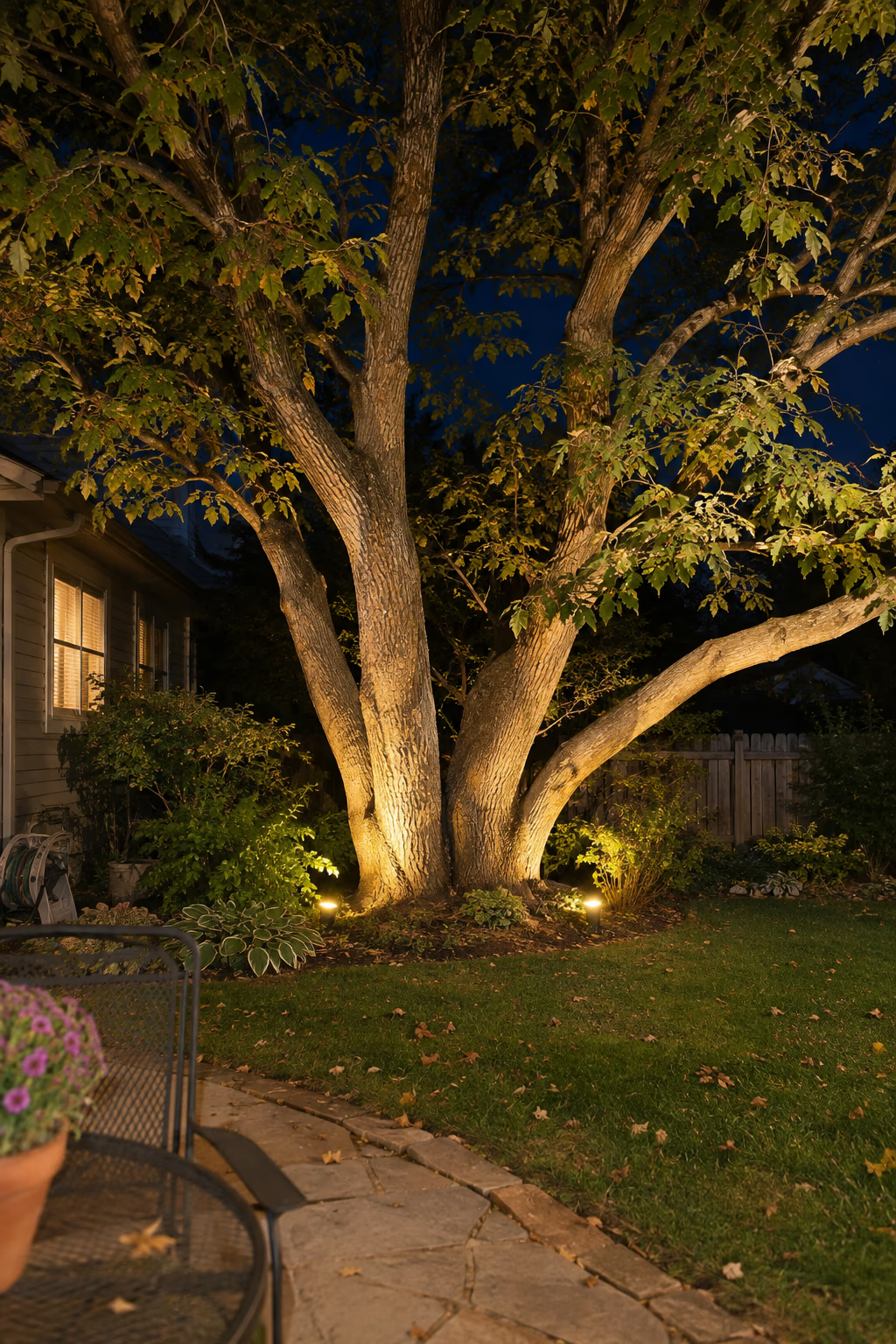
Nighttime drama with one or two fixtures
Placing one or two low-voltage spotlights at the base of a mature tree highlights its bark and canopy after dark. Multi-trunk trees, maples, and oaks with interesting branching look especially striking.
Place lights 2 to 3 feet from the trunk and angle them upward. Warm white light around 2,700 Kelvin looks most natural.
Low-voltage systems with a plug-in transformer are DIY-friendly. Solar spotlights are easier still but may be dim after cloudy days.
25. Convert a Shed Into a Backyard Studio
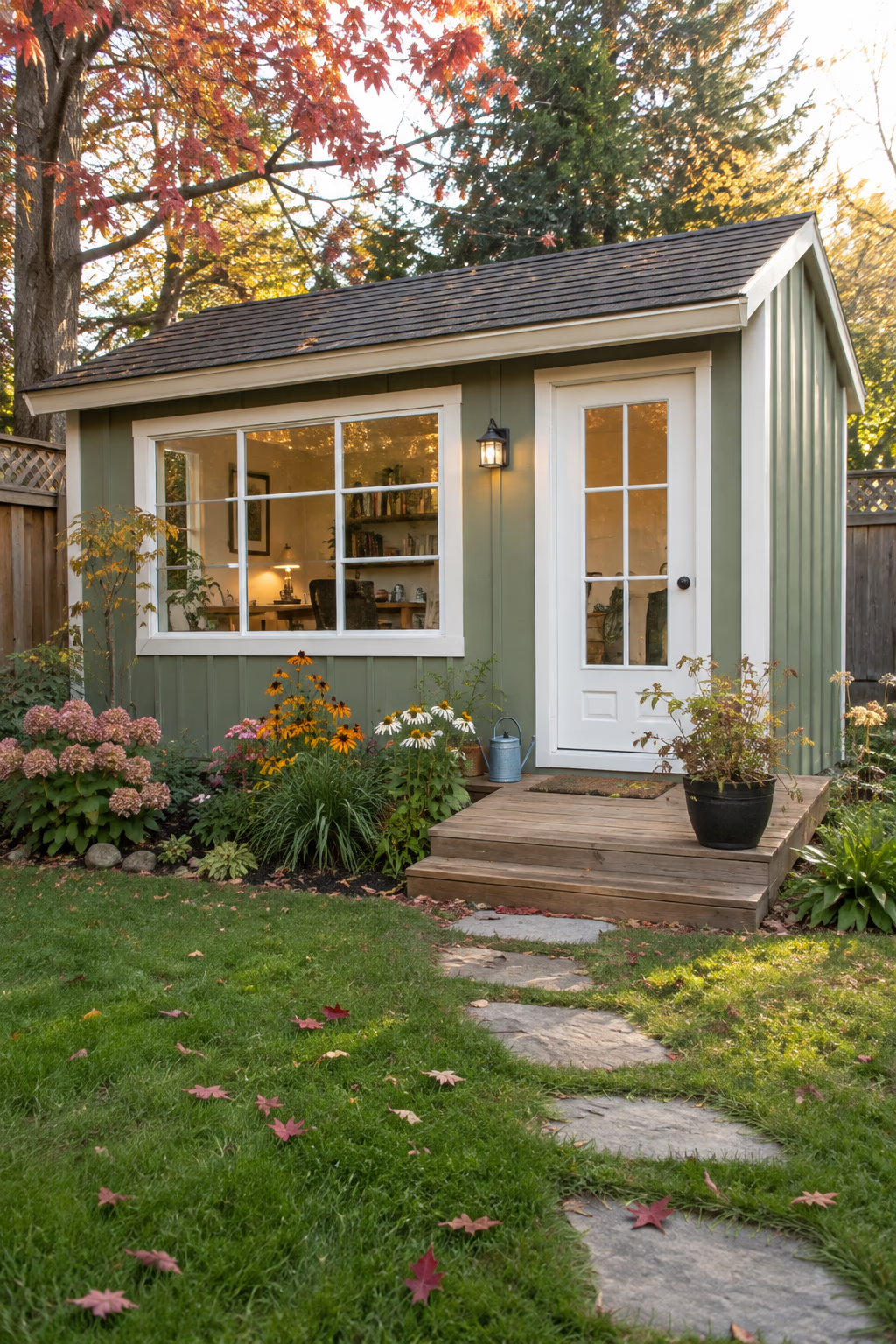
A quiet room steps away from the house
A prefab shed of around 10 by 12 feet can become an art studio, home office, or hobby room. Insulate the walls, add a window for light and airflow, and finish the interior with plywood or shiplap.
A small deck or stepping stones at the door and a planting bed around the base help it look like a destination rather than storage.
Running power or adding heating and cooling usually requires permits. Check zoning setbacks and size limits for accessory structures before ordering.
26. Build a Wellness Deck for Yoga and Stretching
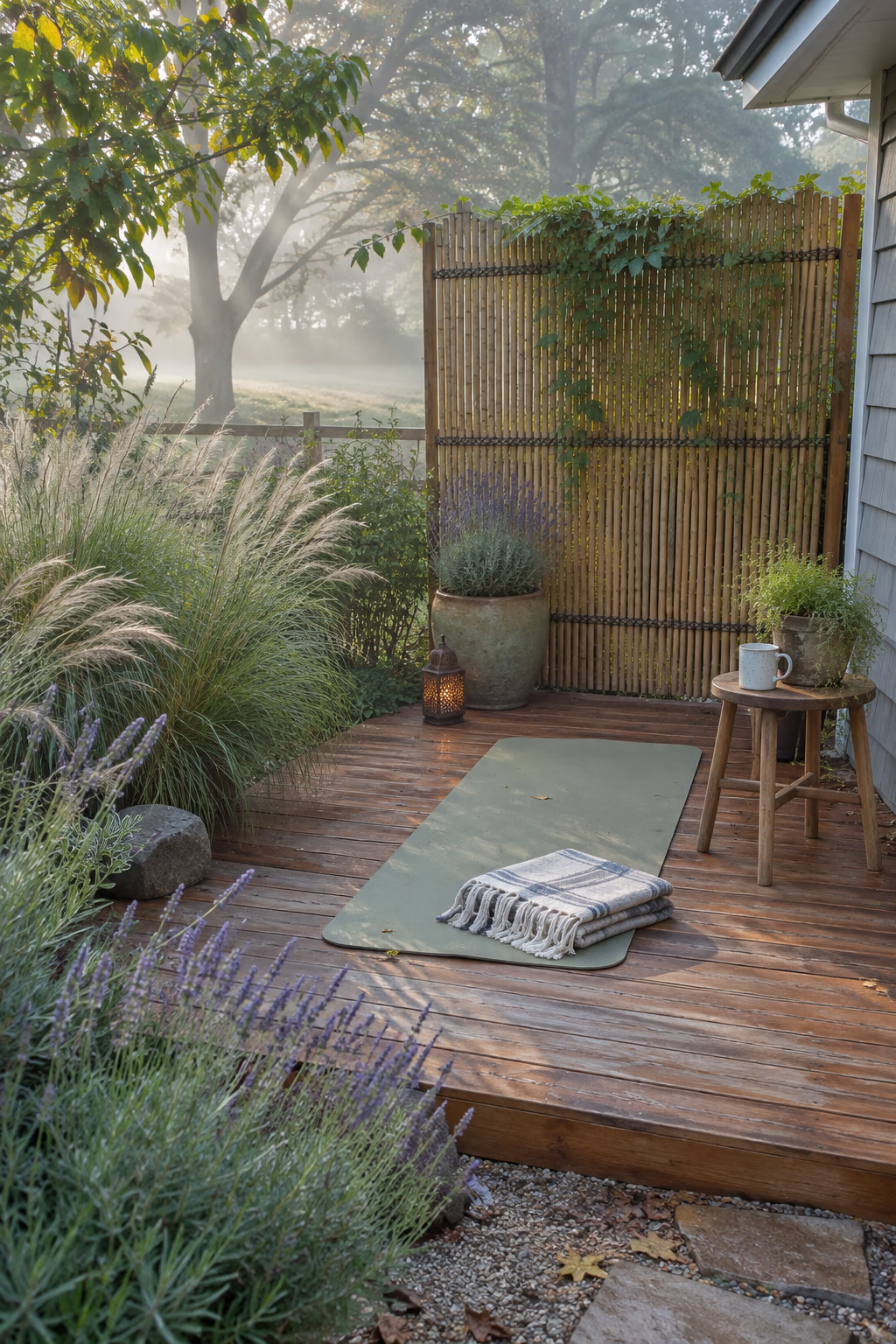
A calm, dedicated space for your routine
A small, smooth platform, about 8 by 10 feet, in a quiet part of the yard gives you a firm surface for yoga mats, stretching, or meditation. Surround it with soft grasses and a few fragrant plants like lavender.
Having a dedicated spot makes it easier to keep a morning routine and enjoy fresh air.
Choose smooth composite or well-sanded hardwood for bare feet. Position the deck where it gets morning shade if you exercise in summer.
27. Set Up a Bird Feeding and Bathing Station
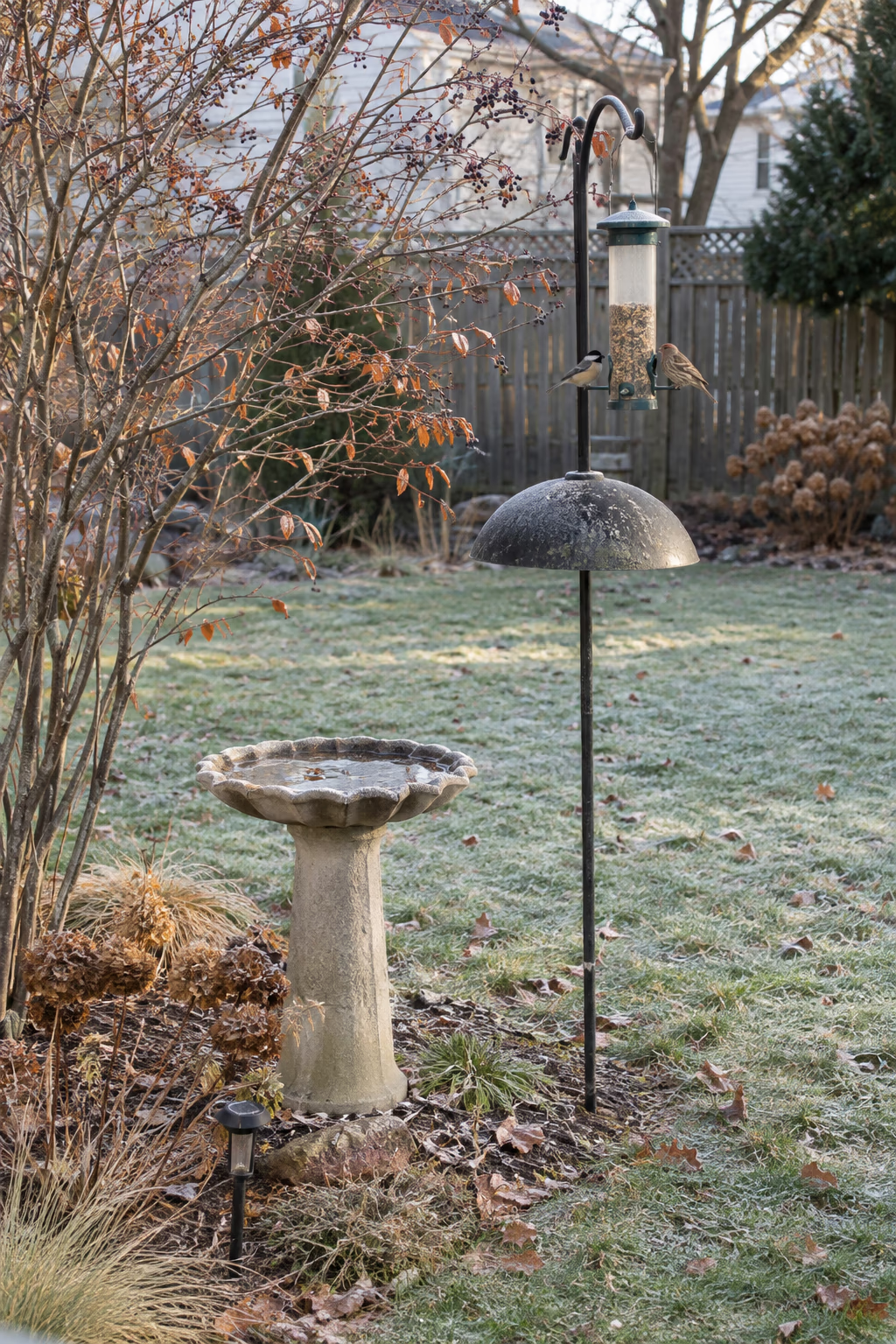
Daily wildlife watching from your window
Group a pole-mounted feeder, a shallow birdbath, and a nearby shrub for cover where you can see it from inside. Black oil sunflower seed attracts the widest variety of birds.
Native shrubs like serviceberry, viburnum, and dogwood provide berries and shelter that keep birds visiting year-round.
Clean feeders and birdbaths every week or two to prevent disease, and use a baffle on the pole to keep squirrels and raccoons away.
28. Terrace a Slope With Low Retaining Walls
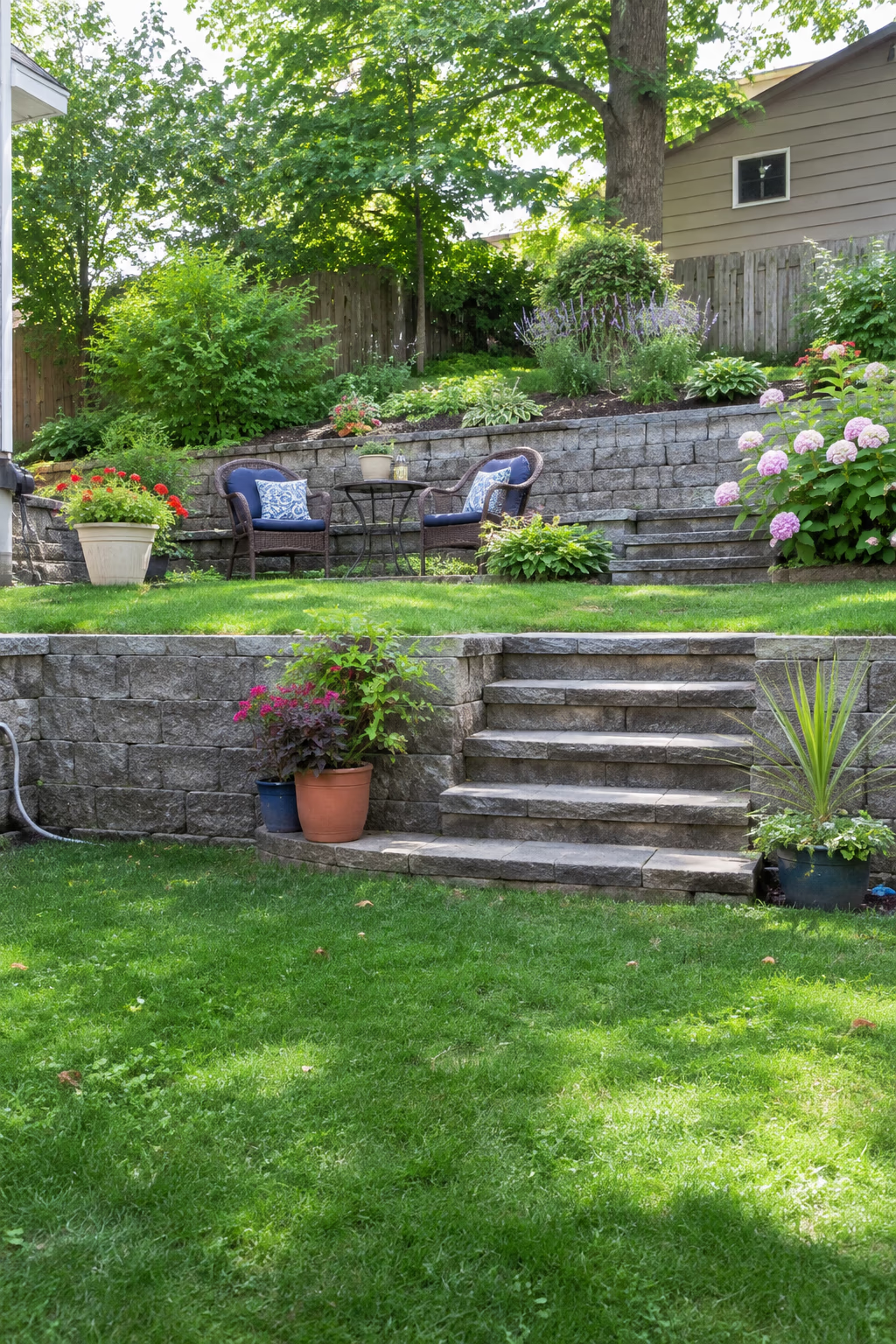
Turn an awkward hillside into usable ground
A sloped backyard becomes far more useful when divided into a series of level terraces. Low walls of interlocking block or natural stone, each under 3 feet high, create flat areas for seating, planting, or lawn.
Wide steps connecting the levels make the yard feel more expansive and easier to navigate.
Walls over about 3 to 4 feet typically need engineering and a permit. Include gravel backfill and a perforated drain pipe behind every wall to prevent water pressure from pushing it over.
29. Plant a Rain Garden in a Low Spot
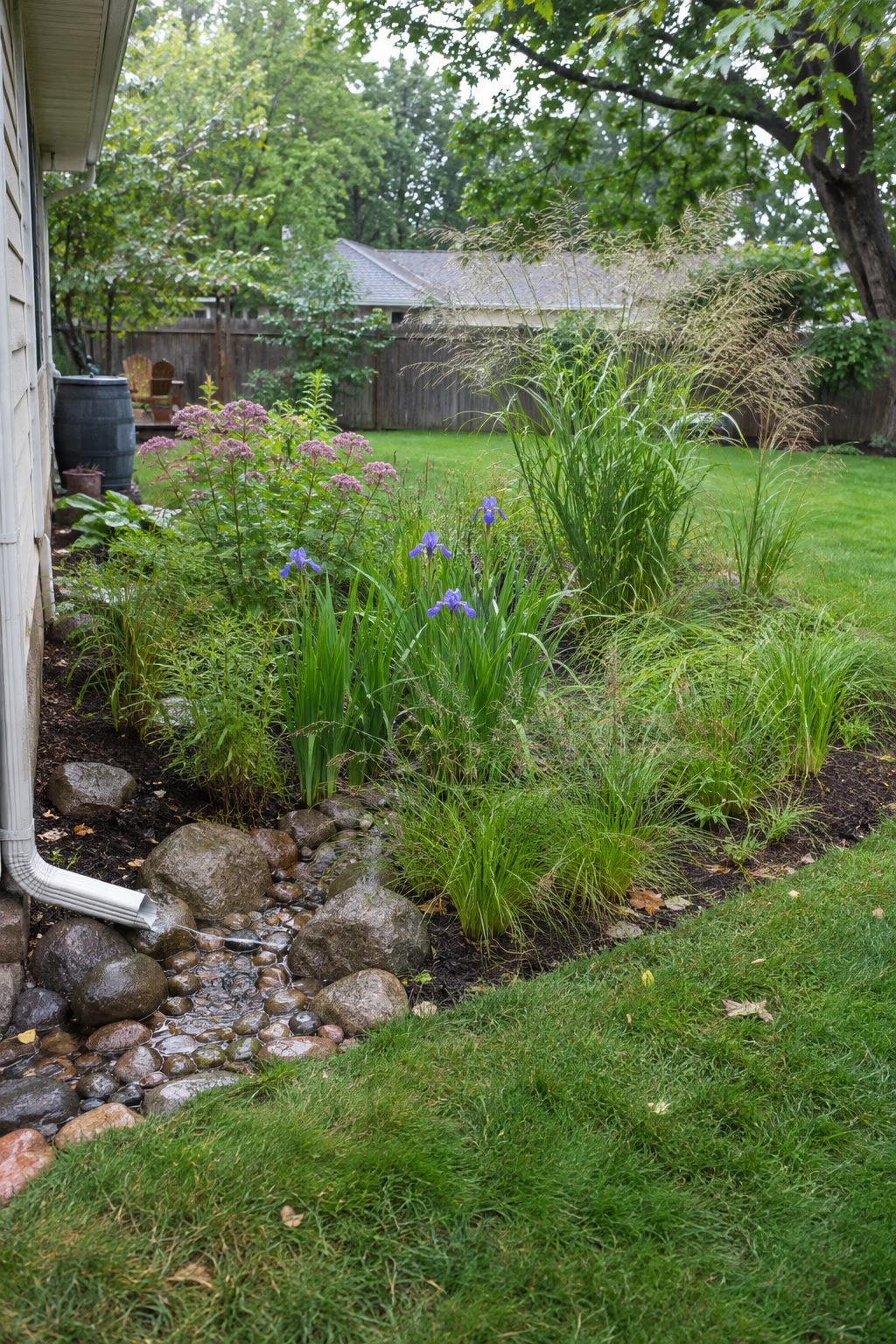
Solve soggy ground with plants
A rain garden is a shallow depression, usually 4 to 8 inches deep, planted with species that tolerate both wet and dry conditions. Swamp milkweed, blue flag iris, switchgrass, and sedges work in many regions.
Direct a downspout toward it, and the garden captures runoff that might otherwise pool on the lawn or flow toward the house.
Place it at least 10 feet from the foundation and away from septic systems. Test drainage first: water should soak in within about 24 to 48 hours.
30. Keep a Small Flock of Backyard Chickens
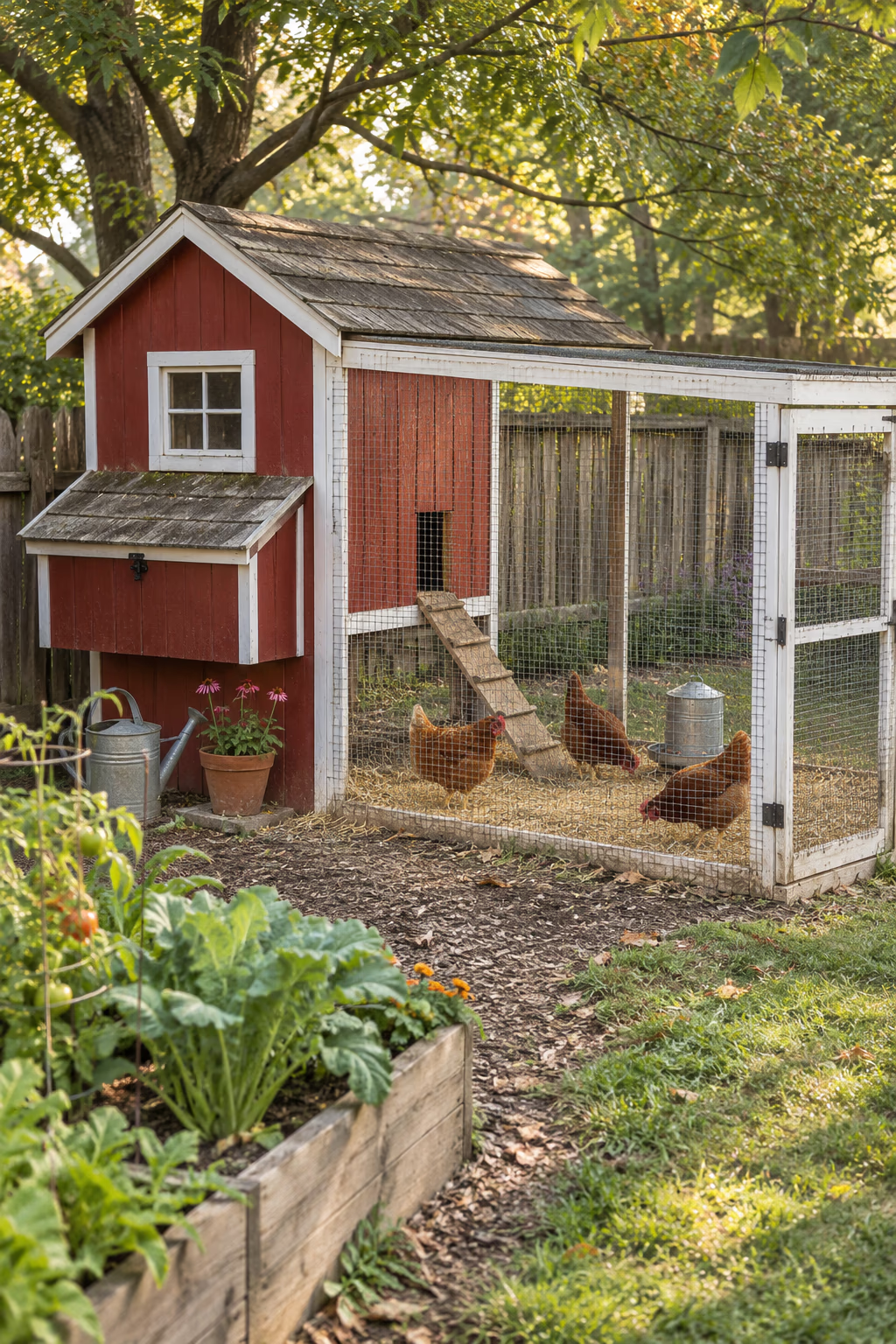
Fresh eggs and natural pest control
Three or four hens need a predator-proof coop with about 4 square feet each inside and 10 square feet each in an outdoor run. Use hardware cloth rather than chicken wire, and bury it a foot deep to stop digging predators.
Chickens eat bugs, turn kitchen scraps into compost-rich manure, and provide a steady supply of eggs.
Many towns limit flock sizes, ban roosters, or require permits. Daily care is a commitment, so plan for travel and winter water.
31. Tuck a Compost Station Into a Hidden Corner
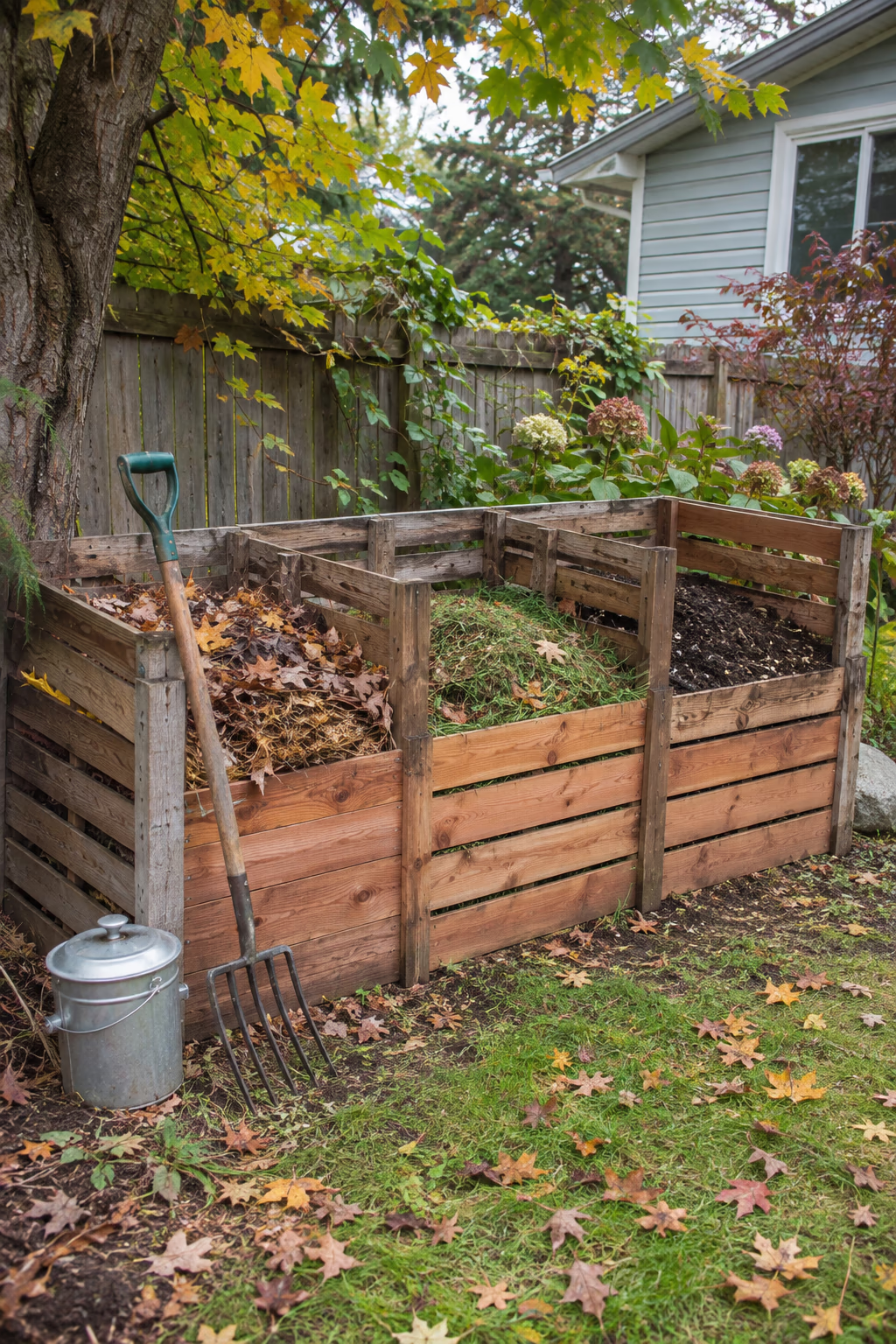
Free soil amendment from yard and kitchen waste
A three-bay compost bin built from pallets or cedar boards lets you turn material from one bay to the next as it breaks down. A closed tumbler is a cleaner option for small yards.
Mix roughly three parts brown material like dried leaves with one part green like grass clippings and vegetable scraps, and keep the pile as damp as a wrung-out sponge.
Keep meat, dairy, and oils out to avoid pests and odors. Place it in partial shade and close enough to the kitchen that adding scraps is easy.
How to Plan Your Backyard
The best backyards grow in stages, so it helps to think about the whole space before you buy materials or start digging.
- Decide how you’ll use it. List what matters most, such as dining, play, relaxing, gardening, or entertaining, and prioritize those zones.
- Study sun and shade. Note where the sun falls in the morning, afternoon, and evening before placing seating, gardens, or a hot tub.
- Plan for water. Watch where rain collects and flows, and direct it away from the house with grading, gravel, or a rain garden.
- Check rules early. Review HOA guidelines, local zoning, and permit requirements for decks, sheds, pools, fire features, and chickens.
- Budget realistically. Price materials, delivery, and any electrician or plumber work, then add a cushion for surprises.
- Build in phases. Start with grading, drainage, and anything that requires digging, then add furniture, lighting, and decor. In the United States, call 811 before you dig.
Frequently Asked Questions
What is the cheapest way to improve a backyard?
String lights, a DIY fire pit, gravel areas, secondhand furniture, and fresh mulch give the biggest visual change for the least money. Clearing clutter and defining a single seating area also make a yard feel instantly more inviting.
How do I make my backyard feel bigger?
Divide it into distinct zones, use a few large features rather than many small ones, and keep sightlines open. Curving beds and paths lead the eye and make even modest yards feel more spacious.
What backyard upgrades add the most value?
Functional outdoor living areas such as patios, decks, outdoor kitchens, and good lighting tend to appeal broadly to buyers. Well-maintained landscaping helps too. Very personal features like elaborate pools may not return their full cost.
How can I make my backyard more kid- and pet-friendly?
Choose durable surfaces like clover, mulch, or pea gravel, avoid toxic plants and mulches, and secure fencing and gates. A defined play zone and a dog run help everyone share the space.
How long does a backyard makeover take?
Small projects like lights or a fire pit can be done in a weekend. Larger work involving decks, retaining walls, or utilities may take weeks or months, especially when permits and contractor schedules are involved.
Final Thoughts
A great backyard doesn’t need every feature on this list. Start with one or two backyard ideas that match how you live, whether that’s a fire pit for long evenings, a dining table for summer dinners, or a meadow strip for the bees.
Build in stages, pick materials and plants suited to your climate, and enjoy watching the space evolve. Each small project makes it easier to spend more time outside.


